
Language
Views: 222 Author: Amanda Publish Time: 2025-09-10 Origin: Site


Content Menu
● Understanding Orthopedic Insoles
● Importance of Regular Cleaning
● How to Clean Orthopedic Insoles Step-by-Step
>> Shake or Brush Off Loose Dirt
>> Prepare a Mild Cleaning Solution
● Dealing with Stubborn Stains and Odors
● Orthopedic Insole Care Tips for Longevity
● How to Clean Different Types of Orthopedic Insoles
>> Foam Insoles
>> Gel Insoles
● OEM Manufacturer Approach to Orthopedic Insoles
● Preventing Odors and Maintaining Freshness
● Instructional Videos and Visual Demonstrations
● FAQs
>> 1. How often should orthopedic insoles be cleaned?
>> 2. Can orthopedic insoles be machine washed?
>> 3. What is the best way to remove odors from orthopedic insoles?
>> 4. How do I dry orthopedic insoles after cleaning?
>> 5. Are cleaning methods different for various insole materials?
Orthopedic insoles play a vital role in supporting foot health by correcting posture, alleviating foot pain, and enhancing comfort. Regular cleaning and proper maintenance of orthopedic insoles are crucial to maximize their lifespan, maintain hygiene, and preserve their effectiveness. This comprehensive guide provides detailed instructions for cleaning orthopedic insoles, caring tips, and methods to prevent odors and damage, ensuring these essential foot care accessories continue to perform optimally.
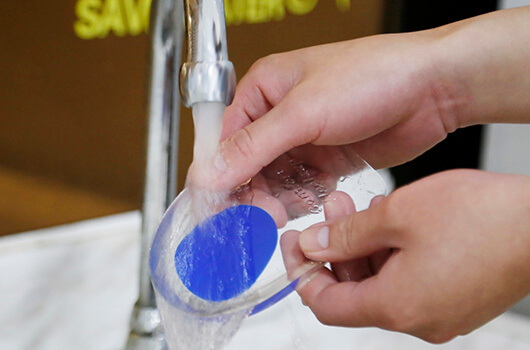
Orthopedic insoles are specially designed inserts made from materials such as EVA foam, memory foam, gel, or molded plastics. They provide targeted support to the foot's arches, absorb impact, and help reduce discomfort caused by various foot conditions like plantar fasciitis, flat feet, or heel spurs. Because these insoles are used daily inside shoes, they accumulate sweat, bacteria, and dirt, which can degrade their function and hygiene if not regularly cleaned.
Maintaining orthopedic insoles involves gentle cleaning methods tailored to their materials to avoid compromising their shape and support qualities.
- Hygiene: Sweat and bacteria buildup on insoles can cause unpleasant odors and increase the risk of fungal infections.
- Material Preservation: Regular cleaning protects the insole materials from deterioration caused by dirt and moisture.
- Extended Durability: Proper care prolongs the life of orthopedic insoles by preserving their cushioning and structural support.
- Comfort: Clean insoles ensure feet remain comfortable without irritation from accumulated debris.
Start by taking the orthopedic insoles out of the shoes. This allows for a thorough cleaning and proper drying, preventing moisture from being trapped inside the shoe.
Gently shake the insoles or use a soft brush to remove loose dirt, dust, or debris. A soft-bristle brush or an old toothbrush works well for this task without damaging the material.
Mix warm water with a mild soap or gentle detergent. Avoid using harsh chemicals, bleach, or abrasive cleaners which can damage the insoles. Alternatively, a diluted vinegar solution or rubbing alcohol mixed with water can be used for disinfecting purposes.
Use a soft cloth, sponge, or soft-bristle brush dipped lightly in the cleaning solution to gently scrub the entire surface of the insoles. Avoid soaking the insoles as too much water can damage the foam or adhesives. Focus on heavily soiled or odor-prone areas like the heel and toe.
Dampen a clean cloth with plain water and carefully wipe off any soap residue from the insoles. Do not immerse insoles completely in water.
Let the insoles air dry naturally in a well-ventilated area away from direct heat sources or sunlight, which can cause warping or material degradation. Complete drying may take several hours, but this step is essential to prevent bacteria growth.
For persistent stains or odors, sprinkle baking soda over the insoles and let it sit for 15-30 minutes before brushing it off. Baking soda naturally absorbs moisture and neutralizes smells effectively.
A mixture of water and white vinegar can be used as a disinfectant and deodorizer. Apply sparingly to smelly areas and wipe dry promptly.
This disinfectant can kill bacteria and viruses on gel or fabric insoles when used carefully. Avoid using it on delicate foam materials.
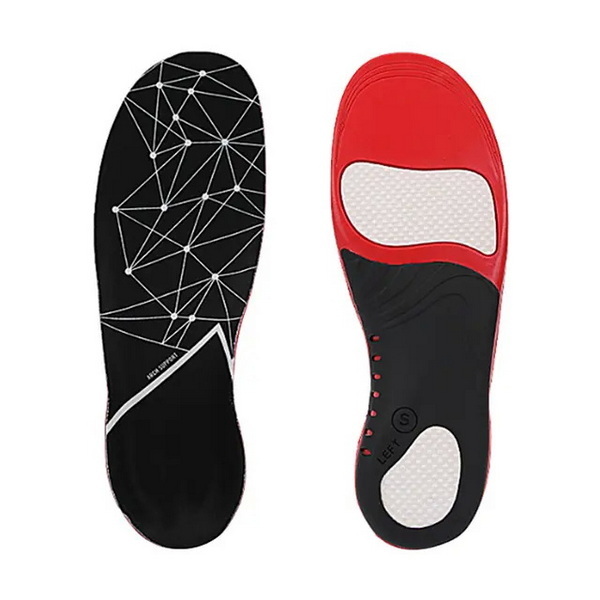
- Remove insoles daily after use to air them out and reduce moisture buildup.
- Avoid machine washing or drying insoles, as it can distort their shape.
- Use natural powders like talcum or baking soda to absorb sweat and odors regularly.
- Replace insoles every 6 to 12 months or when visible wear or discomfort arises.
- Store removable insoles in a dry, cool place when not in use.
- Follow manufacturer-specific instructions, especially for custom-made orthopedic insoles.
- Inspect insoles periodically for cracks, thinning, or loss of support.
Foam insoles are absorbent and need gentle hand cleaning without submersion. Frequent air drying is essential to maintain elasticity.
Gel insoles withstand light wiping with soapy water. Avoid abrasive cleaners or harsh chemicals.
Plastic orthopedic inserts can be cleaned with a damp cloth and disinfectant wipes but avoid soaking.
As a leading OEM orthopedic insole manufacturer in China catering to international brands and wholesalers, quality assurance and customer guidance are of utmost priority:
- Use premium raw materials ensuring durability and comfort.
- Employ precision molding techniques for customized foot support.
- Conduct thorough quality control to ensure structural integrity.
- Provide clear cleaning and maintenance instructions to end users to maximize product lifespan.
- Offer tailored branding and packaging solutions for OEM partners.
Proper care instructions included in packaging help clients maintain orthopedic insoles in optimal condition, enhancing brand reputation and customer satisfaction.
Odor often results from bacteria buildup in moist conditions. Here are effective preventative measures:
- Air out insoles and shoes after wearing.
- Use baking soda powder overnight to absorb odors.
- Apply talcum powder to keep insoles dry.
- Occasionally expose insoles to sunlight, as UV rays can help kill odor-causing bacteria.
- Replace insoles that retain odors despite cleaning.
- Do not soak orthopedic insoles in water which can cause material breakdown.
- Avoid using harsh detergents or bleach.
- Never put insoles in washing machines or dryers.
- Don't dry insoles near heaters or under direct sunlight.
- Avoid rough scrubbing that can damage material surfaces.
Visual demonstration is effective for understanding proper cleaning techniques. Recommended video topics include:
- Step-by-step removal, cleaning, and drying process for orthopedic insoles.
- Recommended cleaning materials and tools.
- Odor prevention tips.
- Do's and don'ts in orthopedic insole care.
These visual guides complement written instructions and increase user compliance with best maintenance practices.
Maintaining clean orthopedic insoles is essential to ensure their ongoing support, comfort, and hygiene. Gentle cleaning with mild soap and water, spot treatments for stains, and regular air drying help preserve their shape and functionality. Preventing odor through baking soda, talcum powder, and UV exposure extends their usability. For manufacturers supplying OEM orthopedic insoles, clear care guidance is crucial for product satisfaction and brand loyalty. Adhering to these cleaning and care practices supports foot health and prolongs the life of orthopedic insoles, helping users enjoy lasting comfort and support.

Orthopedic insoles should be cleaned every 1-2 weeks, depending on usage intensity and sweat levels, to maintain hygiene and odor control.
No. Machine washing or drying can damage the insoles' shape and materials, reducing their effectiveness. Always hand clean with mild soap and water.
Sprinkle baking soda on dry insoles and leave overnight to absorb odors, then brush off. Regular airing and occasional sunlight exposure also help prevent odor buildup.
Air dry insoles at room temperature away from direct sunlight or heaters. Avoid heat sources that can warp or damage materials.
Yes. Foam insoles require gentle hand cleaning and thorough air drying, while gel and plastic insoles can be wiped with damp cloths or disinfectants. Always check manufacturer guidelines for specific materials.
[1](https://www.vionicshoes.com/blog/how-to-clean-orthotics/)
[2](https://www.podexpert.com/en/blog-comfort-orthopedic-sole-how-to-clean-pxl-153_172_207.html)
[3](https://treadlabs.com/blogs/insoles-reach-your-stride/how-to-clean-shoe-insoles-essential-care-guide)
[4](https://handarteinsoles.com/blogs/news-from-handarte-insoles/the-essential-guide-to-using-and-caring-for-insoles)
[5](https://st-charlespodiatrie.com/en-ca/2024/04/17/healthy-feet-the-guide-to-orthotic-insoles-and-orthopedic-inserts/)
[6](https://stepsoothing.com/home/diy-insole-cleaning-solutions/)
[7](https://www.footlevelers.com/images/pdfs/manuals/Orthotics-Owners-Manual.pdf)
[8](https://www.hoka.com/help-center.html?a=Cleaning-HOKA-Footwear---id--ap28lxmxQbmApfEnyCsSGQ)


