
Language
Views: 222 Author: Edvo Publish Time: 2025-11-29 Origin: Site


Content Menu
● What Makes Foam Insoles Smell?
● Daily Habits To Keep Foam Insoles Fresh
● Deep Cleaning Routine For Smelly Foam Insoles
>> Step 1: Dry Brushing And Pre‑Cleaning
>> Step 2: Hand Wash With Mild Soap
>> Step 3: Vinegar Deodorizing Rinse
>> Step 4: Baking Soda Odor Absorption
● Advanced Drying Techniques For Foam Insoles
● Natural Deodorizing Options And Smart Add‑Ons
>> Essential Oils (Used Carefully)
>> Shoe Deodorizing Powders And Sprays
>> Odor‑Absorbing Bags And Charcoal Packs
● Foot Hygiene: The Foundation Of Odor Control
● Sock And Shoe Choices That Support Fresh Insoles
● When Cleaning Is Not Enough: Time To Replace
● How A Professional Foam Insole Manufacturer Can Help
● Practical Deodorizing Checklists
>> Weekly Or Biweekly Checklist
● FAQ
>> 1. How often should I deodorize my foam insoles?
>> 2. Can I put foam insoles in the washing machine or dryer?
>> 3. Is it safe to use disinfectant sprays on foam insoles?
>> 4. What if my foam insoles still smell after deep cleaning?
>> 5. How can brands reduce odor complaints from customers?
Deodorizing foam insoles is all about removing sweat and bacteria, keeping moisture under control, and building a regular care routine that fits your lifestyle. With the right steps, you can keep foam insoles fresh for longer while protecting their cushioning and comfort.
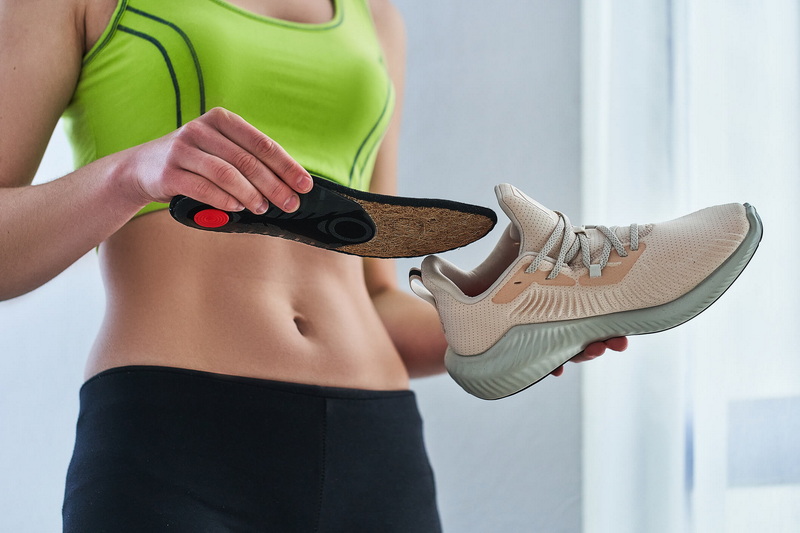
Foam is soft and porous, so it easily absorbs sweat, skin oils, and microscopic skin flakes during the day. Inside a closed shoe, this moisture and organic material create the perfect warm, humid environment for bacteria and sometimes fungi to multiply.
As these microorganisms break down sweat and skin, they release strong‑smelling compounds that cling to the foam. Over time, even high‑quality foam insoles will start to smell if they are not cleaned, dried, and aired out properly between uses.
A simple daily routine is the fastest way to control odor before it becomes a serious problem.
- After removing your shoes, take out the foam insoles instead of leaving them inside.
- Shake off loose dust and place the insoles in a dry, well‑ventilated area to air out.
- Avoid stacking insoles on top of each other; give each piece enough space for air to circulate around it.
- If you sweat heavily, lightly mist the surface with a gentle shoe‑care deodorizing spray and let it dry completely overnight.
- Rotate at least two pairs of shoes for daily wear so each pair and its insoles can dry fully between uses.
Short explainer videos or animations can clearly show this routine, from taking the insoles out after work to placing them in the right drying position on a rack or shelf.
When odor is already noticeable, a deeper cleaning session removes built‑up sweat and bacteria trapped inside the foam. A combined routine with cleaning, disinfection, and deodorizing works best.
Before using water, remove loose dirt and dust from the insole surface.
- Use a soft brush or clean, dry cloth to wipe both sides of the insole.
- Pay special attention to the ball and heel areas, where sweat and dirt usually concentrate.
- If there is lint or hair stuck to the foam, pick it off gently to avoid tearing the surface.
A series of close‑up photos or a short video clip can demonstrate the correct brushing direction and pressure so the foam is not damaged.
Hand washing is safer than machine washing for most foam insoles.
- Fill a small basin with warm (not hot) water and add a small amount of mild liquid soap.
- Dip a soft cloth or sponge into the soapy water and gently scrub the top and bottom of each insole.
- Avoid fully soaking very soft or thin foams for long periods; instead, clean with a well‑wrung cloth.
- Rinse quickly with clean water to remove soap residue.
- Press the insoles gently between towels to remove excess water, without twisting or wringing.
You can illustrate this process with step‑by‑step images: preparing the basin, scrubbing, rinsing, and pressing with a towel.
For stronger odors, a diluted vinegar rinse helps neutralize smell and reduce bacteria.
- Mix roughly one part white vinegar with two to three parts water.
- Either briefly soak the insoles in this solution or spray it evenly over the foam surface.
- Let the solution sit for several minutes, then do a quick clean‑water rinse.
- Press out extra moisture with a towel again before drying.
A short comparison video can show the difference between insoles washed only with soap and those that receive an extra vinegar step.
Once the insoles are clean and mostly dry, baking soda can help pull out remaining odors.
- Place nearly dry insoles in a sealable bag or box.
- Sprinkle a thin, even layer of baking soda over each insole.
- Seal and leave overnight.
- The next day, shake off the powder and wipe away any residue with a dry cloth.
Macro photos can show what “thin, even coverage” actually looks like, helping users avoid wasting powder or making a mess.
Drying is just as important as washing, because damp foam encourages bacteria to return.
- Always dry foam insoles flat in a room with good air circulation.
- Place them on a clean drying rack, mesh shelf, or a towel in a ventilated space.
- Use a fan, open window, or gentle air circulation to speed up drying without applying high heat.
- Avoid tumble dryers, radiators, or open flames, which can warp foam and weaken adhesives.
- If your climate is very humid, place a bowl of moisture‑absorbing material (like silica gel packets or dedicated shoe‑drying sachets) nearby to help the air stay dry.
A useful video could show a time‑lapse of insoles drying under a fan versus in a closed, stagnant room, making the effect of airflow easy to understand.
Natural materials and specialized products can provide ongoing odor control without damaging foam.
Essential oils such as tea tree, lavender, peppermint, and cedarwood can add a pleasant scent and provide mild antimicrobial benefits if used sparingly.
- Mix a few drops of essential oil into a spray bottle filled with water and a small amount of alcohol.
- Lightly mist the insoles after they are already clean and mostly dry.
- Allow them to air dry completely before wearing to avoid slippery surfaces.
A short “DIY spray” video can show the mixing ratio and spraying distance to prevent soaking.
Commercial deodorizing powders and sprays are designed specifically for footwear and insoles.
- Powders are good for overnight absorption; sprinkle some on the insole and shake off in the morning.
- Sprays are quick to apply after each wear and convenient for travel.
- Many products combine moisture absorbers with antibacterial agents and fragrance.
Infographic‑style visuals can compare the typical benefits of powders, sprays, charcoal bags, and odor‑control insoles.
Odor‑absorbing bags filled with activated charcoal or similar materials can be placed near or on top of foam insoles.
- Insert the bags into shoes with the insoles or place them in a closed storage box with recently cleaned insoles.
- Leave them for several hours or overnight to capture lingering smells and moisture.
- “Recharge” reusable charcoal bags in the sun as instructed by the manufacturer.
A short lifestyle video can show users placing charcoal bags into a shoe cabinet or gym bag along with their foam insoles.
Even the best cleaning routine will struggle if foot hygiene is ignored. Insoles and feet must be managed together.
- Wash feet every day with soap and warm water, then dry carefully, especially between the toes.
- Use an exfoliating tool or gentle scrub once or twice a week to remove dead skin that can feed bacteria.
- If you notice persistent itching, peeling, or redness, consider that a fungal infection may be present and use appropriate treatments or seek medical advice.
- Trim toenails regularly and keep them clean to reduce areas where dirt and microbes can hide.
An educational video can show an integrated “foot care plus insole care” routine, from shower to drying to putting on socks and shoes.
Your choice of socks and shoes has a direct impact on how quickly foam insoles start to smell.
- Choose moisture‑wicking socks made from technical fibers or blended fabrics that draw sweat away from the skin.
- Avoid wearing the same pair of socks for long, sweaty days; change halfway through if your feet get very damp.
- Prefer breathable shoes with good ventilation, mesh panels, or moisture‑friendly linings when possible.
- For safety or work shoes that must be closed and heavy, focus on strict rotation and drying rules to compensate.
A comparison chart or visual layout can highlight typical differences between cotton socks, synthetic sports socks, and wool‑blend options for sweat control.
Even with excellent care, foam insoles do not last forever. There are clear signs that replacement is the better option.
- Permanent smell that returns quickly after cleaning.
- Foam that feels flat, hard, or uneven, with noticeably reduced cushioning.
- Visible damage such as cracks, crumbling, or a top fabric layer that is peeling or bubbling.
- Moisture that never seems to dry out fully, even after extended ventilation.
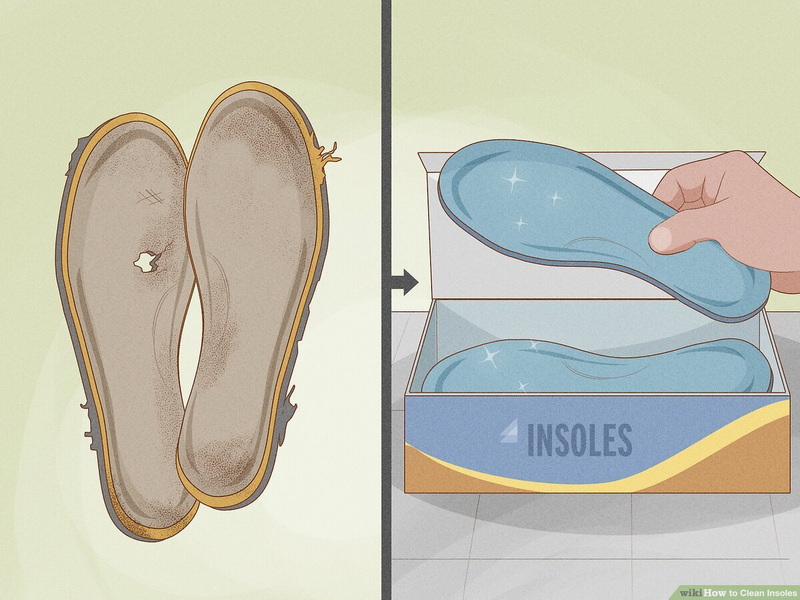
For people who exercise frequently, stand all day, or work in hot environments, replacing foam insoles every few months keeps both comfort and hygiene at a high level. A side‑by‑side photo of a new versus worn insole can help users quickly recognize when it is time to upgrade.
Working with a specialized foam insole manufacturer is a powerful way for brands and wholesalers to reduce odor complaints and improve customer satisfaction.
- Advanced foam formulas can be designed with open‑cell structures that encourage airflow and faster drying.
- Antimicrobial treatments can be integrated into the foam or top fabric to slow the growth of odor‑causing bacteria.
- Custom shapes, densities, and perforation patterns can be engineered to balance cushioning, support, and ventilation.
- For OEM projects, branding, packaging, and care instructions can be tailored so end users understand exactly how to deodorize and maintain their insoles.
Video tours of the factory, material testing labs, and insole performance demonstrations (compression tests, rebound tests, breathability tests) can build trust with global partners and show the technology behind odor‑resistant foam insoles.
Short, action‑focused checklists make it easier for end users to build strong habits.
- Remove insoles from shoes after wear.
- Air dry in a ventilated space.
- Lightly spray with a gentle deodorizing spray if needed.
- Alternate pairs of shoes when possible.
- Brush off dust and debris.
- Wash insoles gently with mild soap and water.
- Use a vinegar solution if odor is strong.
- Dry completely in moving air.
- Treat with baking soda or charcoal bags overnight for deeper odor removal.
These checklists can be formatted as printable cards, short animated clips, or simple graphics on product packaging or brand websites.
Deodorizing foam insoles effectively is a combination of regular care, smart cleaning methods, and thoughtful product choices. By removing insoles after every wear, giving them time to dry, and using mild soap, diluted vinegar, and baking soda when needed, users can stop bacteria from turning sweat into persistent odor. Natural options such as essential oils, charcoal bags, and purpose‑made shoe deodorizers add extra protection when used correctly. At the same time, good foot hygiene, breathable socks, and proper shoe rotation reduce the amount of moisture and bacteria that reach the foam in the first place. When insoles become permanently smelly or lose their cushioning, timely replacement restores both comfort and freshness. For brands, working with an experienced foam insole OEM partner makes it possible to offer end customers long‑lasting, odor‑resistant insoles that are easy to care for and pleasant to wear every day.
Light deodorizing should happen after every wear by airing out the insoles and, if needed, using a quick spray. A deeper cleaning with soap, vinegar, and baking soda usually works well on a weekly or biweekly basis, depending on how much you sweat and how often you wear the shoes.
Machine washing and tumble drying are risky for most foam insoles because high spin speeds and heat can deform the foam or break down adhesive layers. Hand washing with mild soap and air‑drying at room temperature is a much safer and longer‑lasting approach.
Most gentle shoe or fabric disinfectant sprays are safe when used lightly and allowed to dry fully, but extremely strong chemicals or heavy soaking can damage foam or cause discoloration. It is best to test any new product on a small area of the insole first and avoid chlorine bleach or harsh solvents.
If odor returns quickly after thorough washing, deodorizing, and drying, the smell may be embedded deeply in the foam or linked to a persistent foot condition. In that situation, combining better foot hygiene and possibly medical treatment with replacing the old insoles is usually the most effective long‑term solution.
Brands can reduce odor complaints by choosing high‑quality, breathable foam materials, adding antimicrobial treatments, designing insoles with good ventilation, and providing clear care instructions. Partnering with a professional foam insole OEM factory also helps ensure consistent material quality, performance testing, and tailored solutions for different markets.


