
Views: 222 Author: Amanda Publish Time: 2025-09-07 Origin: Site


Content Menu
● What Are Heat Moldable Insoles?
● Materials Used in Heat Moldable Insoles
● How to Heat Mold Sole Insoles: Step-by-Step Guide
>> Step 1: Preheat the Heat Source
>> Step 2: Remove and Trim Insoles
>> Step 4: Mold Insoles to Feet
● Insights into the Manufacturing Process of Heat Moldable Insoles
● Benefits of Heat Moldable Heated Insoles
● Caring for Heat Molded Insoles
● Frequently Asked Questions (FAQ)
>> 1. How long does the heat molding process take?
>> 2. Can heat moldable insoles be remolded?
>> 3. What makes heated insoles different from regular insoles?
>> 4. Is it safe to heat mold insoles using a microwave?
>> 5. Will heat molded insoles work for all shoe types?
Heat molding sole insoles is a transformative process designed to customize insoles to the unique contours of your feet, offering personalized support and enhanced comfort. This technique becomes especially valuable when combined with heated insoles, which not only provide warmth but also mold perfectly to your feet for an optimized fit. This comprehensive guide covers everything about heat moldable insoles, walking through the heating and molding process, explaining manufacturing insights, and highlighting key benefits and practical advice for optimal results.
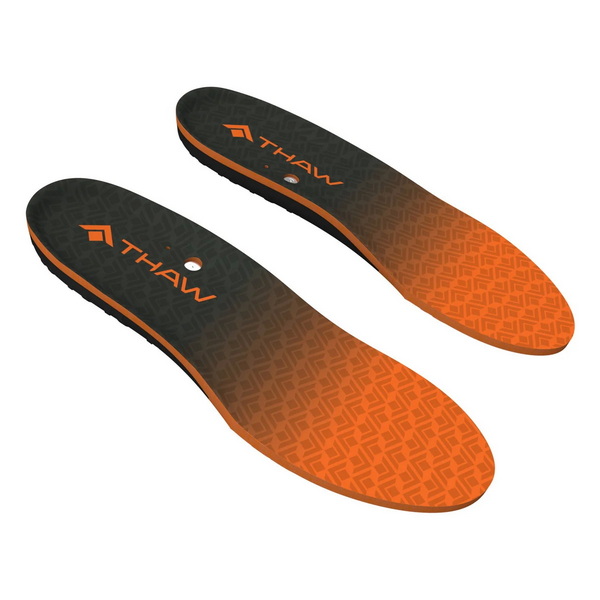
Heat moldable insoles are orthopedic shoe inserts made from specially formulated materials such as EVA (ethylene-vinyl acetate), thermoplastics, or polyurethane blends. These materials soften when exposed to heat and can be reshaped to perfectly fit the contours of any foot. Once cooled, the insoles keep their new shape, delivering personalized arch support and pressure relief.
Heated insoles enhance this experience by integrating heating components that provide warmth, which is especially useful in cold weather or for individuals suffering from poor circulation or cold feet. Combining heat molding with these heated insoles results in optimal comfort, support, and thermal regulation.
Heat molding allows insoles to adapt exactly to the foot's shape and pressure points, which standard insoles cannot achieve. The key benefits include:
- Custom Support: Accurately supports arches, heels, and forefoot areas.
- Pain Reduction: Helps alleviate conditions like plantar fasciitis, heel pain, and flat feet.
- Improved Comfort: Prevents foot fatigue caused by ill-fitting shoes.
- Enhanced Performance: Better foot alignment improves walking and running efficiency.
- Temperature Comfort: Heated insoles add warmth while offering structural benefits.
Most heat moldable insoles feature EVA or similar thermoplastic materials that soften at moderate temperatures (usually 60-90°C). Some premium heated insoles use integrated electronic heating elements combined with these moldable bases, offering both therapeutic warmth and structural support.
Manufacturing processes may involve layers of resin-impregnated glass fiber cloth pressed together with thermosetting resins, resulting in durable, lightweight, moisture-resistant final products. These materials are fabricated via hot-press molding techniques that ensure stability and precise shaping when heat molded for consumer use.
- Heated insoles suited for heat molding
- Oven or heat gun set to recommended temperature (typically 200°F or 90-95°C)
- Timer to monitor heating time
- Scissors for trimming insoles to shoe size
- Shoes with removable original insoles for replacement
Set your oven or heat gun to around 200°F (approximately 90-95°C). This temperature is ideal to soften the moldable material without damage.
Take out your shoe's current insoles and use them as a cutting template. Place the heated insoles on a flat surface and trim them carefully to fit your shoe's size and shape.
Place the insoles in the oven on a baking sheet for about 2 minutes or apply heat evenly with a heat gun for the same duration. Make sure the insoles are heated uniformly to become pliable.
Immediately after heating, place the insoles into your shoes and step inside. Stand with knees slightly bent to ensure proper shaping under full body weight. Remain standing for 2 to 3 minutes until the insoles cool down and harden, taking on the exact contours of your feet.
Remove the insoles and inspect the fit. Minor discomfort can be solved by reheating and gently remolding. Otherwise, insert the insoles back into shoes and enjoy the custom fit.

At the industry level, heat moldable insoles are created using specialized resin mixtures combined with fiber materials. One prevalent method involves these steps:
- Mixing resins with hardening agents, low shrinkage additives, thickening agents, and release agents.
- Impregnating glass fiber cloths with the resin mixture to form multilayer composites.
- Trimming materials to precise shapes before layering.
- Hot-pressing the composite in high-temperature molds (100-108°C) under significant pressure (10-180 kg/cm²) for a set period (usually 80-240 seconds).
- Removing burrs and irregularities for smooth finishes.
This process yields insoles that are lightweight yet strong, with excellent moisture resistance and durability across a wide temperature range (-30°C to 50°C). Such manufacturing ensures that the finished products receive a stable form and high structural integrity, ready for the heat molding process by consumers.
Combining the heat molding process with heated insoles brings numerous advantages:
- Temperature-Regulated Comfort: The heating feature warms cold feet during winter or in cold environments.
- Improved Fit: The heat molding ensures customized support tailored to unique foot anatomies.
- Pain Relief: Warmth increases blood flow while molded support decreases strain on joints and muscles.
- Enhanced Durability: Manufacturer-grade heat-molded insoles stand up well to daily wear and environmental stress.
- Lightweight and Breathable: High-end materials maintain breathability despite added heating components.
To maximize lifespan and performance of heated insoles:
- Regularly clean insoles with mild soap and water.
- Avoid overexposure to heat during drying.
- Inspect insoles frequently for loss of shape or damaged heating elements.
- Reheat and remold if needed to maintain form.
- Replace after 3-6 months of regular use depending on wear.
Heat molding sole insoles combined with heating elements offers a dual benefit of precise foot customization and soothing warmth. This technology enhances foot health by alleviating pain, improving alignment, and ensuring maximum comfort. While the manufacturing process behind these advanced insoles is sophisticated, the user-friendly heat molding technique allows individuals to enjoy personalized, adaptive support from the comfort of their home. Whether for athletic performance or everyday wear, heated moldable insoles are a smart investment in foot care and comfort.

Typically, the heating phase takes about 2 minutes in an oven at 200°F, plus about 2-3 minutes standing in shoes for molding and cooling. Multiple remolding attempts may be necessary for the perfect fit.[11]
Yes, most insoles allow multiple remolding cycles. However, repeated remolding could gradually reduce the material's elasticity and effectiveness.[12]
Heated insoles include integrated heating elements that provide warmth in addition to support, making them ideal for cold conditions or circulation issues. Regular insoles lack this feature.[13]
No, microwaving insoles is not recommended due to uneven heating and potential damage. Use an oven, heat gun, or manufacturer-recommended equipment instead.[11]
They fit best in shoes with removable insoles and can be trimmed to size for varied footwear, including boots and athletic shoes. Checking the fit before trimming is important for comfort and performance.[13]
[1](https://patents.google.com/patent/US20150059203A1/en)
[2](https://www.linkedin.com/pulse/understanding-heat-molding-technique-custom-insoles-production-kang-uycye)
[3](https://patents.google.com/patent/US7257907B2/en)
[4](https://www.aideastep.com/heat-moldable-orthotics-manufacturing-process-and-material-properties/)
[5](https://www.aideastep.com/insoles-production-technology-and-manufacturing-process/)
[6](https://www.fdmotion.com/blog/how-to-manufacture-custom-orthotics)
[7](https://yoursole.com/blog/us/heat-molding-sole-footbeds)
[8](https://theinsolestore.com/blogs/guides/all-about-moldable-insoles-wear-molding-heat-molding-custom-fitting-and-more)
[9](https://emeys.com/pages/custom-molded-shoe-manufacturing-process)
[10](https://treadlabs.com/blogs/insoles-reach-your-stride/do-heat-moldable-insoles-work)
[11](https://flowfeet.com/blog/post/38/how-to-use-heat-moldable-insoles-for-custom-support)
[12](https://theinsolestore.com/blogs/articles/what-are-heat-moldable-insoles-and-why-do-they-matter)
[13](https://www.insolefactory.com/heating-shoe-sole/)


