
Language
Views: 222 Author: Edvo Publish Time: 2025-12-08 Origin: Site


Content Menu
● What Foam Insoles Actually Do
● Types of Foam Insoles and How They Are Fixed
● Preparing Your Workspace and Shoes
● Gentle Method for Loose Foam Insoles
● Detailed Procedure for Glued Foam Insoles
● Using Gentle Heat to Loosen Adhesive
● Removing Stubborn Toe and Arch Sections
● Cleaning Adhesive and Foam Residue
● Caring for Removed Foam Insoles
● Choosing and Installing New Insoles
● When It Is Better Not to Remove the Original Foam
● Safety and Comfort Considerations
● How Brands and OEM Manufacturers Can Use This Process
● FAQ
>> 1. Why would someone remove foam insoles from shoes?
>> 2. How can I tell if my foam insoles are removable?
>> 3. What should I do if the foam starts crumbling during removal?
>> 4. Can I put a new insole on top of the old foam instead of removing it?
>> 5. How often should foam insoles be replaced?
Removing foam insoles from shoes is easier and safer when you understand how they are built, what kind of adhesive is used, and what your goal is: cleaning, replacement, or customization. This extended guide explains each step in detail, so brand owners, wholesalers, and end users can follow a clear, repeatable process. It also helps you design better after‑sales instructions if you work with an OEM insole supplier.
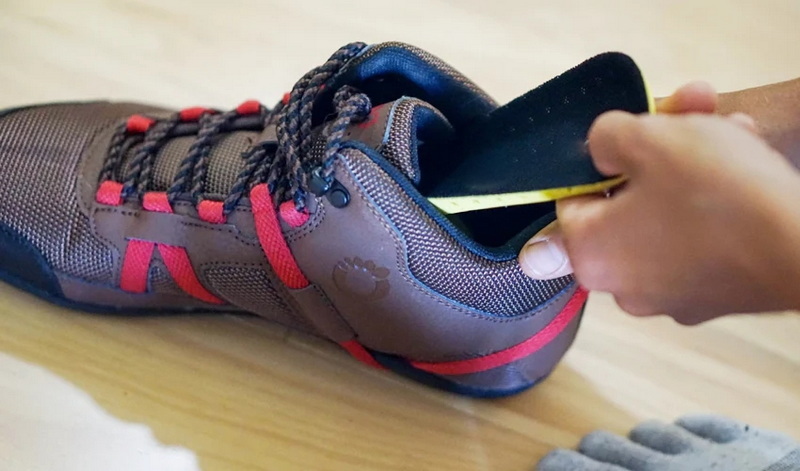
Foam insoles provide cushioning, shock absorption, and support between the foot and the shoe midsole. They help reduce fatigue during walking, standing, and sports, and they can also fine‑tune the fit if a shoe feels slightly loose. Many casual, sports, and work shoes rely on foam insoles to deliver the comfort promised on the label.
The foam can be soft and bouncy for comfort, or a little firmer for stability and arch support. Some insoles are a single foam layer, while others combine foam with fabric covers, heel pads, or arch reinforcement. Understanding this structure helps you decide whether it is worth saving the original insole or replacing it entirely.
Not all foam insoles are attached in the same way, so your removal method must match the design of the shoe.
Fully removable insoles:
These simply sit inside the shoe without strong adhesive. They are held in place mainly by the shape of the shoe and the pressure from your foot. Most lifestyle sneakers and many casual shoes use this style for easy cleaning and replacement.
Lightly glued insoles:
These insoles can be removed, but they have a thin glue line at the heel, arch, or toe to keep them from slipping. They often come out in one piece if you work slowly from the heel toward the toe.
Permanently bonded foam layers:
Some shoes have a foam layer that is part of the internal construction. It may be stitched, cemented, or built into the midsole. Removing this type often risks damaging the footbed or changing the way the shoe supports the foot.
Before you start, gently press around the heel and arch area with your fingers. If the insole lifts easily at the edge, it is likely removable. If it feels like one continuous piece with the shoe base, treat it very carefully or consider leaving it in place.
Good preparation makes the removal job smoother and reduces the risk of damage.
First, work in a clean, well‑lit area so you can see what is happening inside the shoe. Place the shoes on a stable surface and loosen laces, straps, or closures completely so the opening becomes as wide as possible. This gives your hand and tools better access to the footbed.
It is also helpful to have a cloth, tissue, or soft towel nearby. You can use it to protect the upper material while using a tool, and to wipe away dust or crumbs that fall out during removal. If the shoes are very dirty or wet, let them dry and brush off loose dirt before you begin.
If the insoles are not glued, removal is usually quick and straightforward, but still deserves some care.
1. Grip the heel edge
Slide your fingers down inside the shoe and take hold of the back edge of the insole at the heel. Pinch as much material as you can so the insole does not stretch or twist.
2. Lift slowly from the heel
Pull upward in a smooth, controlled motion. As the heel lifts, the middle and forefoot areas will start to release. You can gently flex the shoe with your other hand to help the insole separate from the base.
3. Work toward the toe
Once the heel is free, move your hand forward along the arch and forefoot. Do not yank the front section; instead, support a larger area of foam and continue lifting until the toe section slides out.
4. Check for hidden attachments
Occasionally, a small glue spot or internal hook‑and‑loop patch may hold the insole at one point. If you feel sudden resistance, stop and inspect that area rather than forcing it.
After removal, run your fingers over the footbed to feel for bumps, leftover fabric, or lining defects. A smooth interior will support new insoles more securely.
Removing glued foam insoles requires patience and a step‑by‑step approach. The goal is to soften or break the adhesive bond without tearing the foam into many small pieces or damaging the shoe.
1. Start at the heel
The heel area is usually the easiest place to find an edge. Slide a fingertip or the very tip of a dull, flat tool between the insole and the shoe base at the back.
2. Create a small lifting point
Raise a small corner of the insole just enough to get a better grip. Do not stab or gouge the footbed; always keep the broad, smooth side of any tool against the shoe base.
3. Work in short sections
Rather than trying to pull the entire insole up in one move, focus on small sections a little at a time. Lift a few centimeters, then stop and move forward slightly, repeating the motion.
4. Use both hands
One hand should control the lifting force on the foam, while the other guides the tool or supports the shoe. This balanced approach reduces sudden strain at any single point.
If the foam stretches, sounds like it is ripping, or starts to crumble, pause and switch to an even slower, more careful motion. At this stage, heat often becomes very helpful.
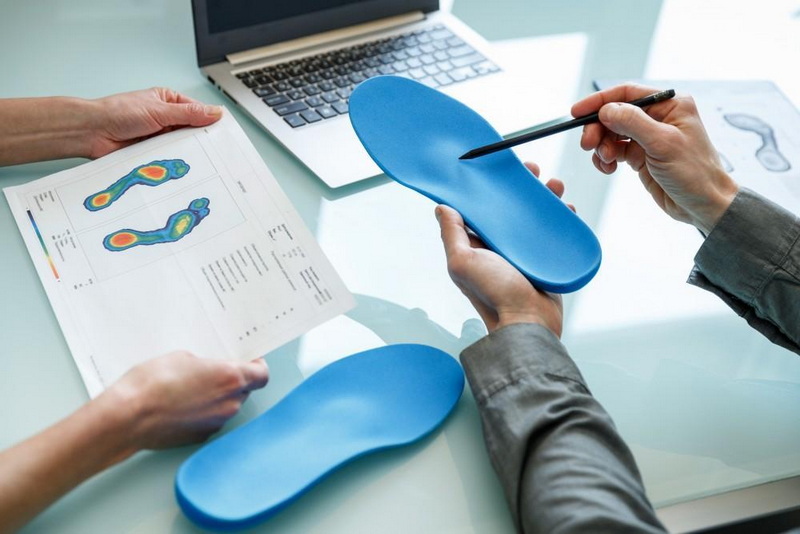
Adhesive under foam insoles softens with moderate warmth, making it easier to separate the layers. You do not need extreme temperatures to get good results.
A hair dryer on a warm setting is usually enough. Hold it at a safe distance from the shoe and move it back and forth over the heel and arch area. The goal is to gently warm the interior, not to overheat the upper, outsole, or glues that hold the shoe together.
After the shoe feels comfortably warm, try lifting the heel of the insole again. You should notice that the glue offers less resistance. Work slowly, alternating between warming and lifting:
- Warm one small area
- Lift and separate that section
- Move to the next area and repeat
Avoid placing shoes near open flames, very hot radiators, or inside ovens. Strong heat can warp synthetic materials, dry out leather, or cause midsole adhesives to fail.
The toe box and midfoot arch often hold the insole most tightly because the fit is narrow and the glue coverage is higher. It helps to adjust your approach in these areas.
For the arch, slide your tool or fingers along the curve rather than pushing straight down. Follow the natural shape of the shoe, gently peeling the foam away while rocking the tool side to side. This reduces the chance of cutting into the lining.
The toe box has less space, so rely more on flexibility. Once most of the insole is free, carefully bend or curl it upward so the front edge moves toward the opening. If you meet strong resistance, warm the toe area again and continue with very small, controlled movements. Take your time; the last few centimeters are where many users accidentally rip the insole.
When the insole is finally removed, you may find thin adhesive lines or small bits of foam stuck to the footbed. Cleaning this residue properly prepares the shoe for a new insole.
First, use your fingers or a dull edge to lightly scrape away obvious foam crumbs. Keep the scraper angle low, almost parallel to the footbed, so you do not cut or gouge the surface. Work from heel to toe in one direction rather than back and forth.
If a thin sticky film remains, moisten a cloth with a little mild soap and water, wring it out well, and wipe the interior lightly. Do not soak the shoe; excess moisture can loosen other glues or deform the structure. After wiping, leave the shoes in a well‑ventilated place until they are completely dry inside.
A clean, dry interior ensures that new foam insoles sit flat and stable, which improves comfort and reduces noise or movement during walking.
You may want to keep the original foam insoles for cleaning, reuse, or as a template for new ones. Proper care will extend their life.
Begin by inspecting the foam. Look for deep heel depressions, crushed arch areas, or cracks. If the foam has lost most of its thickness or resilience, it will not recover fully. In that case, the insole is better used as a cutting pattern for new models rather than as an active insert.
For cleaning, use lukewarm water and a mild detergent. Gently scrub the top fabric and foam surface with a soft brush or cloth, focusing on areas where sweat and odor build up. Rinse lightly, making sure no soap remains. Place the insoles in an airy area away from direct sunlight or strong heaters, and allow them to dry naturally.
To reduce odor, sprinkle a light layer of common household deodorizing powder, let it sit for a while, and then brush or tap it off. Once fully dry and fresh, the foam insoles can be used again or stored for future fitting tests.
After removing the original foam, many people want to upgrade to better cushioning or more targeted support. Correct selection and installation are crucial.
When choosing a new insole, consider these points:
Thickness and volume:
A thicker insole adds comfort but also reduces internal space. Make sure the new insert does not make the shoe too tight at the instep or toe.
Support level:
Some people prefer soft, flexible foam, while others need firmer arch or heel support. Match the insole type to the intended use, such as running, walking, work, or daily casual wear.
Size and trim lines:
Many replacement insoles have printed trim lines so you can cut them to fit. Use the original foam insole as a template if possible, tracing its outline to achieve an accurate shape.
To install, slide the new insole into the shoe from the front, guiding the toe section firmly into the toe box. Press down along the arch and heel to make sure it lies flat with no folds or bubbles. Put on the shoes and walk for a short time indoors to test comfort and fit before long‑term use.
There are situations in which removing the built‑in foam layer is not recommended. Some performance or dress shoes have a very thin foam sheet that is part of the stitched or glued structure. Attempting to pull it out can remove part of the lining or detach seams.
If the foam is extremely thin, bonded smoothly across the entire footbed, and does not show a clear edge that can be lifted, you should treat it as a permanent component. In this case, choose a low‑profile insert that sits on top of the original layer.
You can also experiment with half‑length insoles or heel cushions if full‑length options make the shoe feel too tight. Comfort and safety are more important than the idea of removing every bit of original foam.
While the process of removing foam insoles looks simple, a few safety and comfort points are worth emphasizing.
For safety, always use tools with rounded or dull edges so you do not cut yourself or slice through the footbed. Work slowly and take breaks if your hands become tired. For comfort, remember that any new insole changes the way your foot interacts with the midsole and upper. Break in new insoles gradually by wearing them for shorter periods at first.
If you have specific foot conditions, such as plantar pain, arch collapse, or sensitive joints, consider consulting a footwear specialist or medical professional before making major changes to your insole setup. Proper support can prevent discomfort and reduce fatigue over time.
If you are a brand, wholesaler, or shoe factory working with an OEM insole supplier in China, understanding the removal process helps you design better products and instructions.
You can specify whether your foam insoles should be fully removable for easy replacement, or lightly glued to balance stability and serviceability. By clarifying this in the product development stage, you control how end users will interact with the shoe and how often they can refresh the comfort layer.
Providing clear printed instructions or a simple QR code on the shoebox that links to a removal and care tutorial can also reduce returns and complaints. It shows customers exactly how to lift the insole, when to use gentle heat, and how to clean or replace inserts without damaging the footwear. This kind of support adds value to your brand and builds long‑term trust.
As a professional OEM insole manufacturer, your factory can also offer custom foam formulas, density combinations, and removable structures according to each client's market needs. Some brands may focus on comfort and easy replacement, while others emphasize performance stability or long‑term durability.
Removing foam insoles from shoes is a practical skill that benefits everyday users and professionals in the footwear industry. By identifying whether an insole is loose, lightly glued, or permanently bonded, you can choose the safest method to lift it from heel to toe without harming the shoe. Gentle manual work, optional warmth, and careful residue cleaning create a smooth, clean footbed ready for fresh cushioning.
Once the insoles are out, you can wash them, reuse them, or upgrade to new models that better match your comfort and support needs. For brands and OEM partners, designing footwear with thoughtful insole structures and clear removal instructions improves user experience and adds value to every pair. With the right approach, insole removal becomes a simple, repeatable part of shoe care rather than a risky experiment.
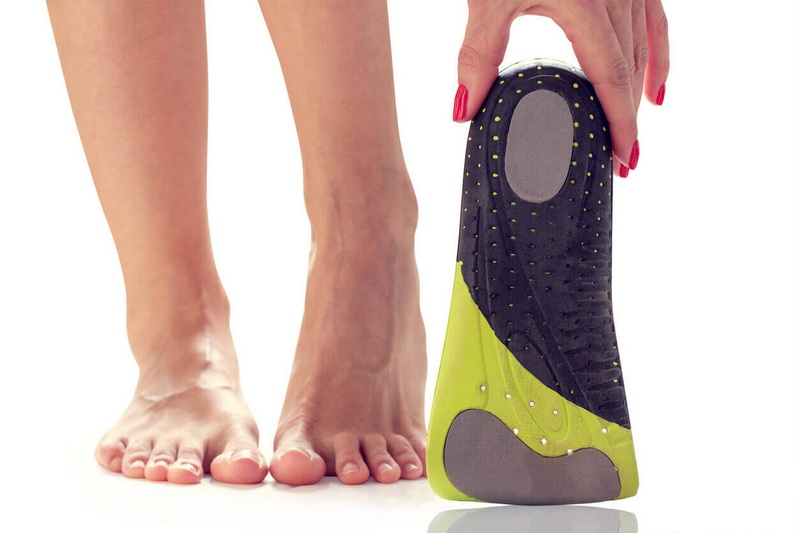
People remove foam insoles to clean them more thoroughly, to dry the shoes faster, or to replace worn inserts with new ones. Some users also remove the original foam when they want to install custom orthotic or performance insoles for better support.
If you can easily pinch and lift the heel edge of the insole and it begins to rise without much resistance, it is probably a removable or lightly glued type. If the foam feels fixed, thin, and completely fused to the footbed with no free edge, it is more likely a permanent layer.
If the foam crumbles, switch to a slower, more delicate method and focus on lifting larger pieces instead of pulling hard. Afterward, take time to remove all crumbs and adhesive residue so the interior becomes flat and ready for a new insole.
You can sometimes place a thin insert on top of the original foam, especially if the shoe fits a little loose. However, stacking thick insoles can reduce internal space, make the shoe tight, and affect stability, so it is often better to remove the original foam when possible.
Replacement timing depends on how often you wear the shoes and the activities you do. When you notice that the foam has compressed, the heel feels hard, or the insoles no longer spring back after pressure, it is a good sign that you should change to fresh inserts.


