
Language
Views: 222 Author: Edvo Publish Time: 2025-12-16 Origin: Site


Content Menu
● What Are Memory Foam Insoles?
● Why Regular Cleaning Is Crucial
● Step-by-Step: How To Wash Memory Foam Insoles
>> Step 1: Make the Cleaning Solution
>> Step 3: Target Stubborn Spots
>> Step 5: Blot and Remove Moisture
● Deep Cleaning Tips for Heavy Odor
● Maintenance and Preventative Care
>> Daily and Weekly Practices:
● Integrating OEM Quality and Brand Care
● Eco-Friendly and Sustainable Cleaning Practices
● Troubleshooting Common Cleaning Issues
>> Persistent Odor After Washing
● How to Store Memory Foam Insoles Properly
● Signs It's Time to Replace Your Memory Foam Insoles
● Professional Cleaning Considerations
● FAQ About Washing Memory Foam Insoles
>> 1. How often should I clean memory foam insoles?
>> 2. Can I wash my insoles in the washing machine?
>> 3. What's the best way to remove strong odors?
>> 4. How long does drying take after cleaning?
>> 5. Are all memory foam insoles washable?
Memory foam insoles are designed to deliver superior comfort by molding perfectly to the unique shape of your feet. They absorb shock, reduce strain, and enhance balance—all while making each step smoother and more comfortable. Yet, like all footwear accessories, they accumulate sweat, bacteria, and odor over time. To maintain hygiene, comfort, and longevity, it's essential to know how to wash memory foam insoles correctly.
This comprehensive guide walks you through safe cleaning methods, drying techniques, and maintenance practices to keep your insoles fresh, cushioned, and long-lasting. It also includes practical advice for OEM brands and retailers who provide customized shoe accessories.

Memory foam insoles are made from viscoelastic polyurethane—a material originally developed by NASA for shock absorption in spacecraft seats. Today, it's widely used in footwear for its unique ability to contour under pressure and then gradually return to its original shape once pressure is released.
- Cushioning that adapts to your foot structure.
- Enhanced support that reduces pressure points.
- Effective shock absorption to minimize joint impact.
- Long-term comfort suitable for athletes and workers alike.
The adaptability that makes memory foam so comfortable also means it easily traps moisture and odor-causing particles. Because the foam is dense and porous, standard cleaning methods can damage its structure. A careful approach is therefore essential.
Many people overlook insole hygiene, assuming their socks and shoe liners provide enough protection. In reality, the foam absorbs perspiration directly, and trapped moisture encourages bacterial growth. Uncleaned insoles can quickly develop an unpleasant odor, discoloration, or even lead to foot irritation.
- Prevent bacterial and fungal growth.
- Keep shoes odor-free and more pleasant to wear.
- Preserve cushioning efficiency and comfort.
- Extend the overall lifespan of both insoles and shoes.
For people who wear their shoes daily—athletes, industrial workers, or those in hot climates—washing should be part of a regular care cycle, ideally every couple of weeks.
Before you start washing your memory foam insoles, preparation is key.
- Mild detergent or a gentle soap (without bleach).
- Lukewarm water (not hot).
- Two clean towels.
- A soft-bristled brush or sponge.
- Optional: Baking soda, white vinegar, and disinfectant spray.
1. Remove the insoles from your shoes carefully without tearing the edges.
2. Shake off any loose dirt or debris.
3. Inspect for damage—if the foam is cracked or deformed, cleaning may not restore it.
Mix a small amount of mild detergent in a bowl of lukewarm water. Stir gently to create light suds. Avoid using too much soap, as this will make rinsing difficult.
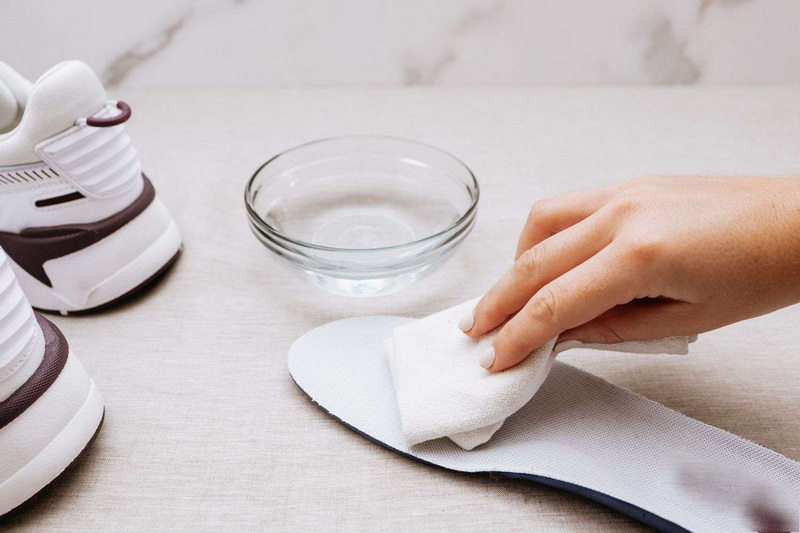
Dip a soft sponge or cloth into the soapy water. Wring it out until it's damp rather than soaking wet. Gently scrub both sides of the insole using circular motions, focusing on stained or odor-prone areas.
If stains persist, mix a bit of baking soda with a small amount of water to create a paste. Rub it gently onto the spot with your fingertips or a cloth, then wipe clean.
Take another clean cloth dampened with plain water and wipe off any remaining soap or cleaning paste. Avoid running the insoles directly under tap water, as the foam will absorb and hold excess moisture.
Place the insoles between two dry towels and apply light pressure to absorb water. Do not twist or wring them—gentle blotting is enough to draw out excess moisture.
Lay the insoles flat on a dry towel in a well-ventilated room. Leave them to air-dry completely for at least 24 to 48 hours. Avoid heaters, radiators, or direct sunlight, which can warp or harden the foam.
Sometimes surface cleaning isn't enough, especially if the insoles are heavily soiled or used during athletic activity. Deep cleaning methods can neutralize stubborn smells and restore freshness.
After washing and drying, sprinkle baking soda generously over the surface of the insoles. Leave overnight to let the powder absorb odors and moisture. Shake off excess soda before use.
Mix equal parts white vinegar and water, then lightly dab the solution onto the insoles with a sponge. Vinegar acts as a natural deodorizer and antibacterial agent. Wipe away residue with a damp cloth and allow to dry fully.
Use a footwear-safe disinfectant spray containing tea tree oil or alcohol-free antibacterial ingredients. A light mist will kill odor-causing bacteria without soaking the foam.
Memory foam is delicate compared to other materials, so improper cleaning can cause lasting damage. Avoid the following mistakes to preserve your insoles:
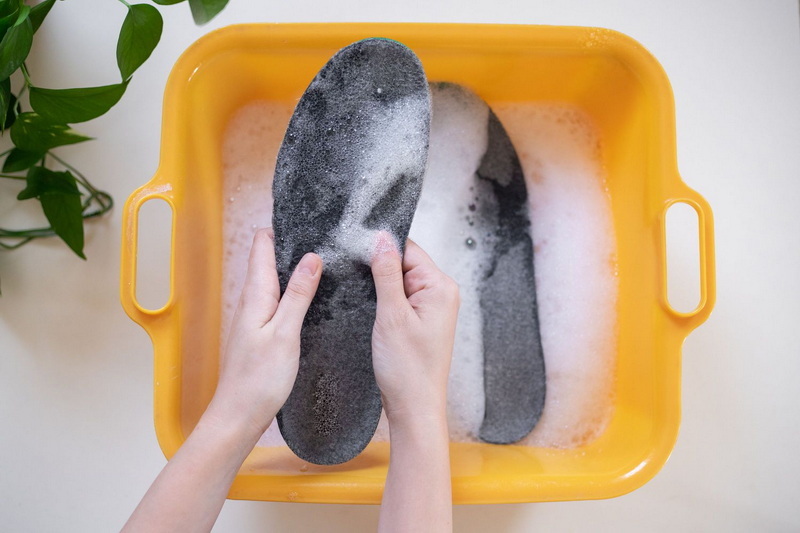
- Using a washing machine or dryer. The rotation and heat can tear the foam or cause misshaping.
- Soaking for long periods. Prolonged water exposure weakens adhesives and traps moisture deep inside.
- Applying bleach or harsh chemicals. These can discolor or degrade the foam structure.
- Using too much detergent. Excess soap leaves residues that can irritate skin or attract dirt faster.
- Ignoring drying time. Using insoles before fully dry can lead to mildew or microbial growth inside your shoes.
Proper care ensures the foam retains its bounce, comfort, and custom-fit structure for longer use.
Keeping memory foam insoles clean is easier when complemented with preventive habits. Instead of cleaning reactively, develop a maintenance routine.
- Alternate shoes. Avoid wearing the same pair every day to allow air circulation.
- Wear clean, moisture-wicking socks. Synthetic or bamboo-fiber socks help wick away sweat.
- Air out after use. Remove insoles daily and place them in a ventilated space.
- Spot clean regularly. A quick wipe with a damp cloth prevents buildup.
- Deep-clean insoles every few weeks.
- Replace older pairs that feel flat or emit persistent odor.
- Inspect for cracks or peeling, particularly around the heel area.
Practicing these routines keeps both shoes and insoles in better condition, ensuring consistent cushioning and hygiene.
For footwear brands, wholesalers, and OEM suppliers, providing proper insole care guidance can enhance brand trust and customer satisfaction. Clean, long-lasting insoles mean happier users and fewer product complaints.
- Include care cards with every pair of insoles.
- Use antimicrobial foam technology for odor control.
- Offer removable and washable insole options in design specifications.
- Promote sustainable packaging and recyclable materials to appeal to eco-conscious buyers.
As consumer awareness about sustainability grows, footwear OEM companies that combine comfort, hygiene, and environmental responsibility stand out in the market.
If you're mindful about the environment, you can keep your insoles fresh without harming the planet.
- Use biodegradable or plant-based cleaners.
- Recycle water during cleaning sessions when possible.
- Air dry naturally rather than using electrical dryers.
- Avoid disposable wipes—opt for washable cotton cleaning cloths.
- Recycle old insoles through footwear material programs.
Eco-friendly maintenance aligns well with modern footwear trends, especially for sportswear and lifestyle shoe brands emphasizing sustainability.
If your insoles still smell bad after washing, place them in a sealed bag with baking soda and leave for 48 hours. The soda will pull out deeper trapped odors.
Excessive heat exposure often causes hardening. To restore pliability, slightly dampen the insole surface with a mist of water and let it dry naturally again.
Using strong detergents can strip dye pigments from the surface. Choose neutral, non-bleaching agents and test on a small area before full cleaning.
If insoles were reinserted into shoes before completely drying, mold may appear. Use vinegar to clean affected areas and dry thoroughly afterward.
When not in use, correct storage conditions help maintain shape and cleanliness.
- Keep insoles in a breathable drawer or cloth bag rather than sealed plastic.
- Avoid humid environments such as bathrooms.
- Do not stack heavy items on top of stored insoles—pressure can deform the foam.
- Keep them away from direct sunlight to prevent surface cracking.
Proper storage not only extends product life but also guarantees freshness the next time you wear your footwear.
Even with excellent care, all memory foam products eventually wear out. Continued use after structural decline can cause discomfort or incorrect support.
Replace your insoles when:
- Cushioning feels flat or thin.
- The foam no longer rebounds after compression.
- Deep stains or permanent odor remain after cleaning.
- Visible tears or detachments appear on the underside.
A fresh pair of memory foam insoles renews both comfort and hygiene, making your shoes feel almost new again.
Some premium or medical-grade memory foam insoles (such as orthotic versions) may require professional cleaning or replacement. Consult your insole manufacturer or retailer for care recommendations if you're unsure about the material composition.
If your company produces custom or branded insoles, include product-specific cleaning instructions for customers. Clear guidance protects your brand's reputation and enhances perceived product quality.
Cleaning memory foam insoles isn't just about removing dirt—it's about protecting an essential comfort component of your shoes. Through careful hand-washing, mild detergent use, and proper drying, you can ensure that your insoles stay fresh, soft, and supportive over time. Pair routine cleaning with good daily habits such as airing your shoes and using breathable socks, and your insoles will perform at their best for months.
For footwear manufacturers and OEM providers, educating customers on insole care builds trust, reduces product returns, and reflects a commitment to both comfort and health. Clean memory foam insoles keep your brand's promise of quality alive with every step customers take.
If you wear your shoes daily, clean your insoles every two to four weeks. In hot or humid environments, increase the frequency to prevent odor buildup.
No. Machine washing distorts the foam's structure. Always clean gently by hand using mild soap and a damp cloth.
Sprinkle baking soda over the insoles overnight or wipe them with a vinegar-water solution. Both methods neutralize bacteria naturally.
Usually between 24 and 48 hours in a dry, airy space. Speeding up the process with heat risks damaging the foam.
Most basic memory foam insoles are washable by hand, but orthotic types or insoles with fabric overlays might require special care. Check product labels for instructions.


