
Language


Content Menu
>> Common Types of Shoe Inserts
>> Major Categories of Orthotics
● Key Differences Between Shoe Inserts and Orthotics
● When Orthotics Become Necessary
● The Manufacturing Aspect: OEM Shoe Insert Production
>> OEM Customization Capabilities
● Choosing the Right Support: A Practical Guide
● Extended Insights: The Anatomy of Foot Support
● The Role of Footwear in Support Efficiency
● Caring for Your Inserts and Orthotics
● FAQ
>> 1. What makes orthotics different from regular shoe inserts?
>> 2. Are all orthotics hard and uncomfortable?
>> 3. Can I use orthotics during sports?
>> 4. How long do shoe inserts and orthotics last?
>> 5. How do OEM manufacturers ensure consistent shoe insert quality?
Around the world, millions of people experience discomfort, strain, or even injury because of improper foot support. As a result, various footwear solutions such as shoe orthotic insertshave become popular options to improve foot comfort and function. Yet, confusion often arises when consumers try to differentiate between these two products. Are they the same? Do they serve the same purpose? And most importantly — is a shoe insert truly an orthotic?
Understanding the differences between inserts and orthotics is crucial. Each offers unique advantages, and choosing the right one can dramatically affect comfort levels, athletic performance, and even posture and joint alignment. This article explores these distinctions, the benefits of each, and how professional OEM manufacturers help create customized inserts for global brands.
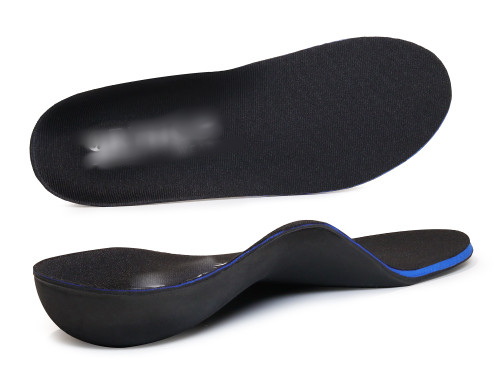
Shoe inserts are removable components placed inside shoes to provide additional comfort, pressure relief, or basic stability. They are mass-produced and available for purchase without a prescription, making them accessible to almost everyone. Inserts come in different materials such as foam, gel, silicone, or cork and may cover the entire length of the shoe or target specific areas like the heel or arch.
They are commonly used to relieve everyday discomfort caused by walking, long hours of standing, or strenuous physical activity. For a runner, a high-quality insert can significantly improve shock absorption during impact. For a factory worker who spends the entire day on their feet, a padded insert can minimize fatigue by distributing body weight more evenly.
- Cushion insoles: Add padding and absorb shock, ideal for running or sports shoes.
- Arch supports: Elevate the midfoot to prevent overpronation or excessive flattening.
- Heel cups: Cradle the heel to reduce pain from plantar fasciitis or heel spurs.
- Metatarsal pads: Cushion the ball of the foot, easing pressure in people with bunions or calluses.
- Odor-control insoles: Combine comfort with antimicrobial layers for hygiene and freshness.
While inserts improve comfort and support, they are not intended to treat structural or medical foot conditions. Their design focuses on enhancing comfort for a broader consumer base rather than correcting mechanical foot function.
Orthotics are specialized, medical-grade devices designed to correct abnormal foot motion, improve gait alignment, and relieve chronic pain. Unlike generic inserts, orthotics are custom built based on medical evaluation, 3D foot scans, and gait analysis. A podiatrist or orthopedic specialist prescribes them after diagnosing conditions like plantar fasciitis, flat feet, or overpronation.
Orthotics go beyond comfort — they alter the body's biomechanics to improve stability and posture. When used correctly, they can prevent complications spreading to the knees, hips, or spine by correcting irregular walking patterns.
- Functional orthotics: Made from rigid materials like carbon fiber or polypropylene. These control abnormal motion and are especially helpful for athletes or individuals with gait instability.
- Accommodative orthotics: Softer and flexible, designed to cushion sore spots or prevent ulceration in diabetic and arthritic feet.
- Semi-rigid orthotics: Combine comfort and control for people engaged in prolonged physical activity, such as dancers or industrial workers.
Each orthotic pair is made specifically for the user's needs. They require a professional fitting, adjustments, and sometimes follow-up modifications as the patient's biomechanics change over time.
Although shoe inserts and orthotics share similarities in appearance, their roles are quite different. Below are the main distinctions:
| Feature | Shoe Inserts | Orthotics |
|---|---|---|
| Purpose | Cushioning and comfort | Correction and alignment |
| Production | Mass-produced | Custom prescription |
| Availability | Retail purchase | Medical facility only |
| Longevity | 6–12 months | 2–5 years (depending on material) |
| Main Users | General consumers | Patients with medical diagnoses |
| Material | Foam, gel, silicone | Thermoplastic, carbon fiber, EVA compound |
Many people mistakenly believe that buying expensive, thick insoles automatically brings the benefits of an orthotic. In reality, even premium shoe inserts cannot provide the same orthopedic accuracy as custom-made medical devices.
Shoe inserts are ideal for users who experience temporary or mild discomfort rather than long-term medical problems. They are best suited for:
- Workers who stand for long hours on hard surfaces.
- Runners or fitness enthusiasts seeking extra cushioning.
- Elderly individuals needing more padding to ease foot strain.
- People recovering from mild injuries who want inexpensive comfort options.
- Consumers who want to test comfort levels before investing in orthotics.
In most cases, inserts allow users to refresh worn shoes and add comfort without replacing the entire pair. However, inserts should not be regarded as a treatment solution for diagnosed medical issues like plantar fasciitis or severe flatfoot deformity.
Orthotics are recommended when discomfort persists despite footwear modification, or when pain prevents daily activity. They address not only foot symptoms but the kinetic chain — the interconnected structure of muscles and joints from the feet to the spine.
You might need orthotics if you experience:
- Ongoing foot pain that doesn't improve with standard inserts.
- Arch collapse or uneven shoe wear patterns.
- Frequent ankle rolling, instability, or balance loss.
- Pain in the knees, hips, or lower back caused by gait misalignment.
- Chronic conditions such as bunions, hammertoes, or diabetic neuropathy.
Because orthotics adjust the foundation of posture, they can relieve strain in the entire body. For athletes, they help maximize performance by ensuring the foot lands correctly in every stride. For older adults, orthotics may reduce fall risk by improving stability and distribution of weight.
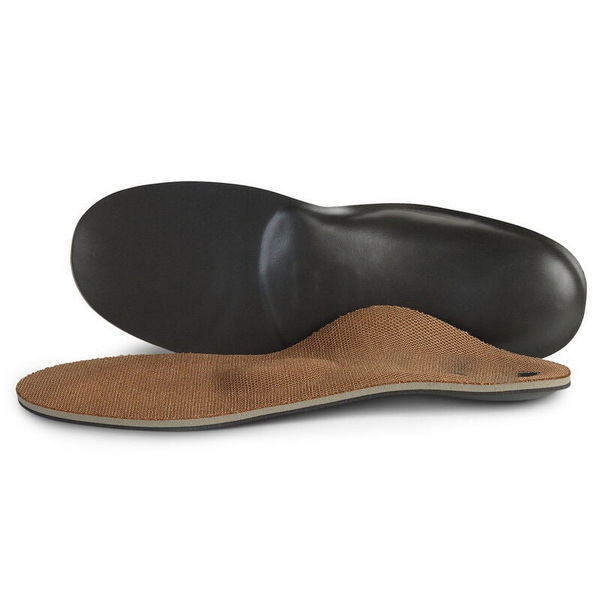
For global footwear brands, wholesalers, and private label distributors, OEM (Original Equipment Manufacturer) partnerships provide the flexibility and cost-efficiency to produce customized shoe inserts at scale.
As one of China's leading shoe insert OEM manufacturers, we specialize in customizing inserts that meet the diverse needs of international markets — from everyday comfort products to performance-grade insoles. This collaboration enables overseas companies to expand their product line with reliable, tested, and fully branded solutions.
- Tailored hardness and material density to match product needs.
- Anti-slip bases, odor-resistant fabrics, and breathable mesh coatings.
- 3D arch support adaptation for various footwear designs.
- Full customization in logo printing and retail packaging.
- Compatibility testing with safety shoes, sports footwear, and orthotic-friendly designs.
Our advanced CNC molding and precision lamination processes ensure consistency and ergonomic balance across batches. Each insole undergoes dimensional tolerance checks and performance testing before export.
Through OEM manufacturing, clients enjoy faster time-to-market, while consumers receive premium comfort inserts that perform reliably. Such global cooperation bridges the gap between casual insoles and specialized orthotics, making supportive footwear more accessible to everyone.
Selecting between generic inserts and professional orthotics can feel overwhelming. A systematic approach simplifies decision-making:
1. Evaluate discomfort levels. If your pain is mild and linked to temporary overuse, a quality shoe insert can be enough.
2. Notice gait behavior. Check if your shoes wear out unevenly — it can signal improper alignment requiring orthotics.
3. Consult a professional. A podiatrist can measure pressure distribution and identify mechanical problems.
4. Compare material durability. Thin gel insoles tend to compress quickly, while multi-layer foam inserts last longer.
5. Prioritize footwear compatibility. Orthotics usually demand footwear with removable insoles and adequate depth.
6. Monitor comfort over time. Persistent soreness, swelling, or posture changes indicate the need for medical evaluation.
Consumers must also be aware that no single product fits everyone. Personal body weight, arch height, walking habits, and shoe type all influence the effectiveness of foot supports.
To appreciate how inserts and orthotics function, understanding foot biomechanics is essential. The foot includes 26 bones, 33 joints, and numerous ligaments and muscles that interact in a complex structure. When you walk, every step exerts a force multiple times your body weight. Proper alignment helps absorb that force, but even slight deviations can cause long-term pain.
Shoe inserts primarily address external comfort by distributing impact forces evenly. Orthotics, on the other hand, manipulate internal function — altering foot motion to correct irregularities. For instance, if you overpronate (where the foot rolls inward excessively), a corrective orthotic redistributes pressure and stabilizes the ankle. In contrast, an insert may feel comfy but will not fix the root imbalance.
Studies in sports medicine further confirm that orthotics, when prescribed correctly, enhance lower limb mechanics, decrease overuse injuries, and improve endurance. This makes them a critical tool for professionals in physically demanding environments.
The effectiveness of both shoe inserts and orthotics largely depends on the shoes that house them. Shoes that are too narrow, soft, or lacking structural rigidity can undermine even the best-designed inserts. For maximum benefit:
- Select footwear with removable insoles and firm heel counters.
- Ensure sufficient depth to accommodate both the foot and insert or orthotic.
- Match insert type to shoe purpose — athletic, casual, or formal.
- Avoid overly flexible soles when corrective stability is needed.
Manufacturers often collaborate with footwear designers to adjust insole compatibility, ensuring consumers get optimal support without compromising aesthetic or performance.
Maintenance plays a key role in extending the lifespan of foot supports. To keep them functioning properly:
- Remove inserts occasionally to allow shoes to air out.
- Clean with mild soap and water — never machine wash.
- Store in a dry environment away from direct heat.
- Replace at intervals recommended by the manufacturer.
- Check regularly for cracks, flattening, or compressed foam.
Orthotics require special attention since they are structural medical devices. A podiatrist may recommend re-assessment every year to ensure they still align properly with your body mechanics, particularly after weight changes or injuries.
From a business point of view, the distinction between inserts and orthotics also influences manufacturing cost and market segmentation. Retail inserts cater to high-volume, broad customer bases focused on affordability and comfort. Orthotics, however, represent a specialized medical niche emphasizing precision and long-term care.
OEM factories that can flexibly produce both lines — comfort-based insoles and semi-medical correctional inserts — are in high demand among global buyers. By leveraging advanced materials such as EVA composites or memory polyurethane, manufacturers can deliver superior support while meeting budget goals for brand partners.
A shoe insert is not the same as an orthotic. The difference lies not only in their design but also in their purpose and application. Inserts serve as excellent comfort enhancers that relieve daily fatigue, while orthotics act as precision-engineered, medical devices that correct alignment and movement patterns at a biomechanical level.
Those suffering from minor foot stress can benefit greatly from high-quality inserts, especially when sourced from reputable OEM manufacturers. However, persistent pain or diagnosed conditions should always be treated using custom orthotics under medical supervision.
For consumers, understanding this distinction ensures better product choices. For brands, it presents an opportunity to offer balanced, scientifically supported solutions that deliver both comfort and care — a combination the modern footwear market increasingly demands.
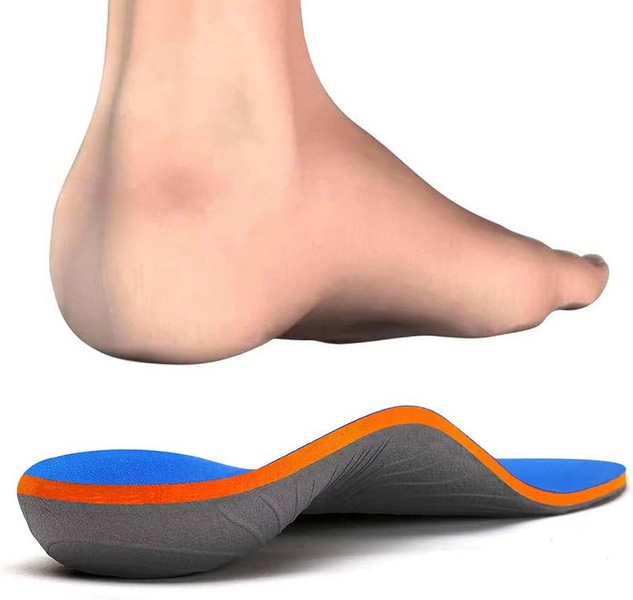
Orthotics are custom medical devices tailored to correct foot movement, whereas inserts are general comfort aids made for mass use. Orthotics align the foot to prevent pain and injury, while inserts simply cushion it.
Not necessarily. Orthotics can be firm or semi-soft depending on the condition being treated. Modern materials like EVA blends and carbon composites combine flexibility with precise support.
Yes, custom orthotics can be designed for athletic use. They enhance motion control, reduce injury risk, and improve energy efficiency during physical activity.
Shoe inserts last about six months to a year, depending on material and usage. Orthotics typically last several years but may require adjustments as your gait or body changes.
Quality-focused OEM manufacturers use advanced testing, precision molding, and strict inspection control to maintain durability, comfort, and accuracy before exporting to international clients.


