
Views: 222 Author: Edvo Publish Time: 2026-01-22 Origin: Site


Content Menu
● How Orthotic Insoles Help Back Pain
● Key Features of the Best Orthotic Insoles for Back Pain
● Custom vs Over‑the‑Counter Orthotic Insoles
● Evidence and Limitations of Orthotic Insoles for Back Pain
● Matching Orthotic Insoles to Different Back Pain Profiles
>> Active Individuals and Athletes
>> Older Adults
>> People With Flat Feet or Overpronation
● Design Considerations for OEM Orthotic Insoles Targeting Back Pain
● Practical Tips for Consumers Choosing Orthotic Insoles for Back Pain
● How Brands and Wholesalers Can Position Orthotic Insoles for Back Pain
● FAQ About Orthotic Insoles for Back Pain
>> 1. How do Orthotic Insoles reduce lower back pain?
>> 2. Are custom Orthotic Insoles better than over‑the‑counter options for back pain?
>> 3. How long does it take for Orthotic Insoles to help my back pain?
>> 4. Can Orthotic Insoles prevent back pain completely?
>> 5. Who should consider using Orthotic Insoles for back pain?
Back pain is one of the most common musculoskeletal problems worldwide, affecting workers, athletes, and everyday walkers alike. In many cases, this discomfort is closely tied to how the feet support and align the rest of the body. Orthotic Insoles can play an important role in improving posture, redistributing pressure, and optimizing biomechanics from the ground up, which may help relieve lower back discomfort for many users. For brands, wholesalers, and footwear manufacturers, understanding what makes the best Orthotic Insoles for back pain is essential when designing or sourcing products that truly deliver comfort, support, and long‑term value.
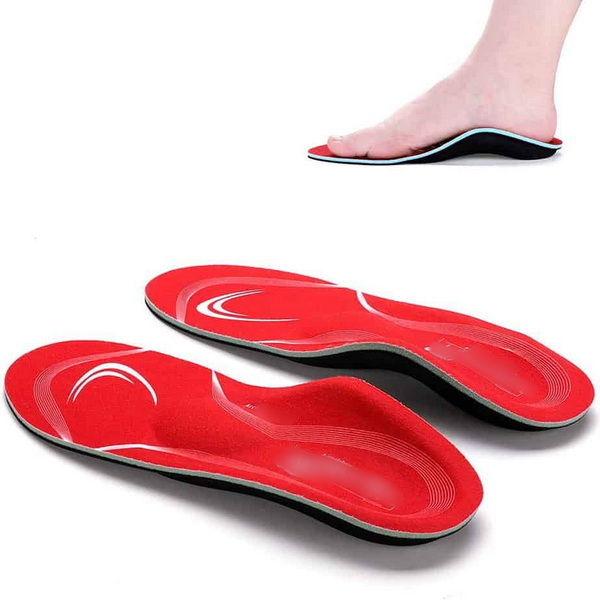
Orthotic Insoles work by supporting the arches, stabilizing the heel, and guiding the foot into a more neutral position during standing, walking, and running. When the feet are better aligned, the kinetic chain from feet to ankles, knees, hips, and spine becomes more stable, which can reduce abnormal stresses on the lower back. This is especially important for people with flat feet, high arches, overpronation, or leg‑length discrepancies, where poor foot mechanics can amplify strain on the lumbar region.
High‑quality Orthotic Insoles help distribute pressure more evenly across the foot, reducing localized overload that can transfer upward into the knees and lumbar spine. Over time, this can ease muscle fatigue and joint stress associated with long periods of standing or walking. Custom Orthotic Insoles can further correct gait abnormalities, improving posture and reducing unnecessary twisting or tilting of the pelvis and spine. For many users, the combination of improved foot alignment and shock absorption creates a more efficient and comfortable movement pattern.
The best Orthotic Insoles for back pain are not simple cushions; they are engineered devices that support, stabilize, and guide the foot. When selecting or designing Orthotic Insoles for back pain, several technical and comfort‑related features are crucial.
- Arch support: Effective Orthotic Insoles provide structured support that matches the user's arch type, preventing the foot from collapsing inward and contributing to pelvic tilt and lumbar strain.
- Deep heel cup: A firm, contoured heel cup stabilizes the rearfoot, reduces excessive side‑to‑side movement, and keeps the subtalar joint close to neutral alignment, supporting a more stable spine.
- Shock absorption: High‑quality materials such as EVA, PU, gel, and multi‑density foam help Orthotic Insoles attenuate ground‑reaction forces that might otherwise transmit upward to the lower back.
- Motion control: For users with overpronation or supination, Orthotic Insoles with medial or lateral posting can reduce rotational forces traveling through the knees and hips into the lumbar area.
- Fit, volume, and trim: The best Orthotic Insoles fit securely inside footwear without crowding the toes or lifting the heel too high, and can be trimmed to match various shoe shapes.
- Breathability and hygiene: Antimicrobial top layers, moisture‑wicking fabrics, and perforated designs help Orthotic Insoles stay comfortable, clean, and wearable for long hours.
For OEM buyers, combining these features in a balanced way allows Orthotic Insoles to address both clinical requirements and everyday comfort expectations, making products more attractive to professional and consumer markets.
When considering which Orthotic Insoles are best for back pain, a major decision is whether to choose custom‑made devices or high‑quality over‑the‑counter (OTC) products. Both can play a role in back pain management, but they differ in precision, cost, and target users.
Custom Orthotic Insoles are typically prescribed after a detailed assessment of the patient's foot structure, gait, and pain pattern. Clinics may use 3D scanning, foam boxes, or plaster casting to capture the exact shape of the foot, and then produce Orthotic Insoles tailored to correct specific biomechanical issues. These devices can incorporate precise posting angles, arch profiles, and material combinations to address lower back pain linked to complex foot and leg alignment problems.
Over‑the‑counter Orthotic Insoles are pre‑fabricated inserts available in standard sizes and arch profiles. Modern OTC Orthotic Insoles can still offer strong arch support, deep heel cups, and multi‑density cushioning, making them a practical option for mild to moderate back pain or for first‑time users. They are more accessible in terms of price and availability, especially in retail environments and online stores.
From a performance point of view, custom Orthotic Insoles often provide better targeted relief for chronic or severe back pain, especially when structural foot issues are present. However, premium OTC Orthotic Insoles can deliver excellent results for many users when they are correctly matched to foot type, activity level, and shoe style. For brands and wholesalers, a multi‑tier strategy is effective: entry‑level supportive Orthotic Insoles, mid‑tier motion‑control Orthotic Insoles, and high‑end semi‑custom or clinic‑compatible Orthotic Insoles.
Back pain is multifactorial, influenced by posture, muscle strength, work environment, body weight, and previous injuries. No single intervention, including Orthotic Insoles, can guarantee full relief for every person. Current evidence suggests that Orthotic Insoles can improve pain and function in many patients with chronic low back pain, particularly when prescription shoe orthotics are used consistently over several weeks and combined with other care such as exercise or manual therapy.
Randomized trials on shoe orthotics for chronic low back pain have shown significant short‑term improvements in pain and functional scores compared with no treatment. Some research indicates that adding chiropractic care or physical therapy to Orthotic Insoles can further improve functional outcomes. At the same time, prevention studies in healthy populations have found that Orthotic Insoles do not reliably prevent the development of low back pain, especially when there are no underlying foot deformities.
This means that Orthotic Insoles should be positioned as part of a broader strategy rather than a stand‑alone cure. Scheduled exercise, stretching, core strengthening, ergonomic changes at work, and weight management all contribute to better long‑term outcomes. For OEM Orthotic Insoles suppliers, being transparent about both the capabilities and limitations of Orthotic Insoles helps build credibility with clinicians, retailers, and end‑users.
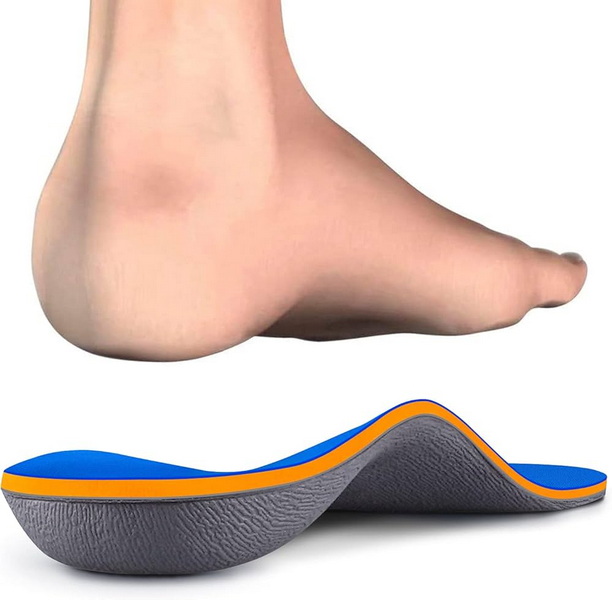
The “best” Orthotic Insoles for back pain vary depending on the user's specific profile. Understanding key user categories helps brands and manufacturers design Orthotic Insoles that better match real‑world needs.
People working long shifts in factories, warehouses, retail, or healthcare often experience back pain driven by prolonged standing on hard floors. For this group, Orthotic Insoles should emphasize durable cushioning, strong arch support, and extended heel‑to‑toe shock absorption. A supportive insole that maintains comfort throughout a long shift can significantly reduce fatigue in the legs, hips, and lower back. Non‑slip top fabrics and compatibility with safety footwear are also important design priorities.
Sports and high‑impact activities generate repeated loading through the lower limbs and spine. Orthotic Insoles for this group must combine firm support with responsiveness, allowing natural foot motion while limiting harmful extremes. Lightweight shells, precise arch profiles, and stable heel cups help protect the lower back without compromising performance. Different sports may also require different Orthotic Insoles: for example, running Orthotic Insoles focus on forward motion and shock absorption, while court‑sport Orthotic Insoles may place greater emphasis on lateral stability.
Older adults frequently manage a combination of joint stiffness, reduced muscle strength, and balance issues. For this population, Orthotic Insoles for back pain should deliver gentle, consistent support instead of aggressive correction. Softer top covers, moderate arch support, and a secure yet forgiving heel cup can improve comfort and confidence during walking. In some cases, slightly higher cushioning in the heel and forefoot can help reduce shock and ease stress on the spine.
Flat feet and excessive pronation can contribute directly to back pain by causing the legs to rotate inward, tilting the pelvis and increasing curvature in the lower back. Orthotic Insoles designed for these users usually feature strong medial arch support, a deep heel cup, and sometimes a stabilizing post. These features help reduce inward rolling of the foot, support the arch, and align the lower limbs, which in turn can relieve strain on the lumbar area.
For international brands working with a leading Chinese Orthotic Insoles manufacturer, it is important to connect biomechanical theory with scalable production. Orthotic Insoles for back pain must deliver reliable performance over time while meeting market expectations for comfort, durability, and price.
Key design considerations include:
- Multi‑density construction: Combining firm arch and heel support with softer cushioning in high‑pressure regions helps Orthotic Insoles provide both stability and comfort.
- Anatomical contouring: Carefully shaped longitudinal arches, metatarsal pads, and heel cups ensure close contact with the foot and encourage neutral alignment.
- Structural shells: TPU, carbon‑blend, or nylon shells can be used under the arch to maintain precise support while keeping Orthotic Insoles slim and lightweight.
- Material durability: High‑rebound EVA and advanced foams help Orthotic Insoles maintain their shape and support even after long‑term daily use.
- Hygiene features: Antimicrobial and moisture‑wicking covers improve user experience and encourage consistent wear, which is essential for back‑pain relief.
- Footwear compatibility: Offering multiple profiles—low‑volume for dress shoes, medium‑volume for daily sneakers, and high‑volume for work boots—allows users to experience consistent Orthotic Insoles support in different shoe types.
A strong OEM partner can cooperate with customers on R&D, prototyping, biomechanical testing, and performance validation, creating customized Orthotic Insoles portfolios tailored to back‑pain‑focused product lines.
From the end‑user's perspective, the variety of Orthotic Insoles on the market can be confusing. Brands and retailers that provide clear, simple guidance make it easier for customers to select suitable Orthotic Insoles and achieve better satisfaction.
Useful tips include:
- Seek professional advice: People with severe, persistent, or radiating back pain should consult a healthcare professional before relying solely on Orthotic Insoles. A podiatrist or physiotherapist can identify whether foot mechanics are contributing to the problem and may recommend specific Orthotic Insoles designs.
- Match insoles to foot type: Consumers should choose Orthotic Insoles that correspond to their arch height and pronation pattern—low, medium, or high arches; neutral, pronated, or supinated gait.
- Introduce support gradually: When someone starts wearing supportive Orthotic Insoles, it is often helpful to increase use over several days, allowing muscles and joints time to adapt to the new alignment.
- Combine with exercise and stretching: Core strengthening, hip mobility work, and hamstring stretches can amplify the benefits of Orthotic Insoles for chronic low back pain.
- Replace Orthotic Insoles regularly: Even the best Orthotic Insoles lose cushioning and structural integrity over time. Regular replacement ensures that the corrective and shock‑absorbing functions remain effective.
For brands, distributors, and wholesalers, Orthotic Insoles for back pain represent an attractive and growing category. Many consumers are actively searching for non‑invasive, drug‑free ways to manage pain and improve daily comfort. Positioning Orthotic Insoles as part of a holistic approach to back health can help differentiate products in a competitive market.
Effective strategies include:
- Educating consumers: Use clear, simple explanations of how Orthotic Insoles influence alignment and why this matters for back pain. Visual diagrams and gait examples can add value on product pages and packaging.
- Offering tiered product ranges: Provide basic comfort Orthotic Insoles, more advanced stability Orthotic Insoles, and premium performance lines that target specific conditions and activities.
- Highlighting OEM capabilities: For B2B customers, emphasize technical features such as advanced materials, 3D foot scanning support, or custom posting options, and demonstrate how Orthotic Insoles can be co‑branded or integrated into complete footwear systems.
- Building trust with evidence: Refer to clinical research in marketing materials in a responsible way, focusing on realistic benefits rather than exaggerated promises.
Contact us to get more information!
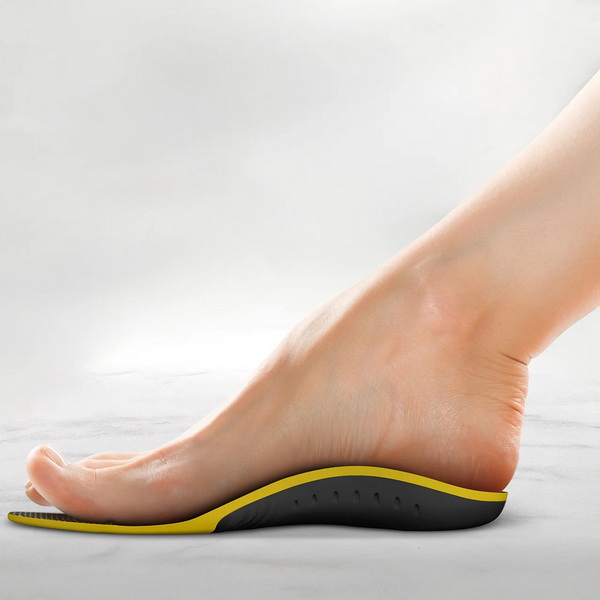
Orthotic Insoles reduce lower back pain mainly by improving foot alignment and stabilizing the lower limbs. When the feet are supported correctly, the ankles, knees, hips, and spine can maintain a more neutral posture, which decreases abnormal stress on lumbar joints and muscles. In addition, Orthotic Insoles provide shock absorption and distribute body weight more evenly, reducing the impact that travels up the kinetic chain with every step.
Custom Orthotic Insoles are often more effective for complex or long‑standing back pain because they are based on detailed assessments of foot structure, gait, and movement patterns. They can correct specific biomechanical issues that generic products may miss. However, many people with mild or moderate back discomfort benefit from high‑quality over‑the‑counter Orthotic Insoles that offer firm arch support, deep heel cups, and good cushioning. The best choice depends on the severity of symptoms, budget, and professional advice.
Most users need an adaptation period of several days to a few weeks before feeling the full benefits of Orthotic Insoles. During this time, muscles and joints adjust to the new alignment and support. Some clinical studies report noticeable improvements in pain and function after around six weeks of consistent Orthotic Insoles use. For chronic conditions, combining Orthotic Insoles with exercises and other therapies often yields better and longer‑lasting results.
Orthotic Insoles can reduce certain risk factors for back pain, such as poor foot mechanics and excessive impact, but they cannot guarantee complete prevention in every case. Back pain can also be influenced by posture at work, lifting habits, core strength, and other health conditions. Orthotic Insoles should be viewed as one tool within a broader prevention and management strategy that includes exercise, ergonomic improvements, and healthy lifestyle choices.
Orthotic Insoles may be especially helpful for people who notice that their back pain worsens after long periods of standing or walking, or who also experience foot, knee, or hip discomfort. Individuals with flat feet, overpronation, high arches, or leg‑length differences are strong candidates, as these conditions can affect spinal alignment. Workers on hard floors, athletes, and older adults who want more stable and comfortable support underfoot can also benefit from well‑designed Orthotic Insoles.
1. https://pmc.ncbi.nlm.nih.gov/articles/PMC3489231/
2. https://pmc.ncbi.nlm.nih.gov/articles/PMC3036013/
3. https://www.fullorthopedics.com/post/how-custom-orthotic-insoles-can-help-alleviate-lower-back-pain
4. https://pubmed.ncbi.nlm.nih.gov/28465224/ [perplexity](https://www.perplexity.ai/search/ad3fa482-9cb4-4b7d-98dd-118929e275dc)
5. https://www.cambridgephysio.ca/blog/custom-orthotics-for-lower-back-pain/ [perplexity](https://www.perplexity.ai/search/a7fb00c8-5e06-4e86-be4a-1fba174f342e)
6. https://www.footlevelers.com/proven-research [perplexity](https://www.perplexity.ai/search/557fd79a-dc42-4aff-bcae-28cb7c2ef869)
7. https://www.sapodiatry.com/blog/how-custom-foot-orthotics-can-help-with-lower-back-pain [perplexity](https://www.perplexity.ai/search/5876b4e8-1184-4ca8-ab2f-ec56da2b232a)
8. https://www.spine-health.com/wellness/ergonomics/foot-orthotics-chronic-low-back-pain [perplexity](https://www.perplexity.ai/search/a25ff704-4633-403f-b95f-3a6e9adb7158)
9. https://evolveprosthetics.com/foot-knee-or-back-pain-custom-orthotics-might-be-the-fix/ [perplexity](https://www.perplexity.ai/search/df354d66-9d22-4210-892c-62784cf59120)
10. https://urbanchiros.com/shoe-based-biomechanical-interventions-to-reduce-low-back-pain/ [perplexity](https://www.perplexity.ai/search/6f6bf0a2-55c6-4646-9893-832552aac04a)


