


Content Menu
● The Functions of Insoles in Footwear
>> 3. Improved Fit and Stability
>> 4. Moisture and Temperature Control
>> 5. Injury Prevention and Fatigue Reduction
>> 6. Impact on Shoe Longevity
>> Gel Insoles
● Materials Used in Insole Manufacturing
>> EVA (Ethylene Vinyl Acetate)
>> Latex Foam
>> Gel
>> Leather
>> Memory Foam
>> Cork
● The Insole Manufacturing Process
● Customized OEM Insoles for Global Brands
>> Key OEM Customization Options:
● Innovation Trends in Insole Technology
● How to Choose the Right Insole
● Environmental Responsibility and Sustainable Development
● Quality Control and Global Partnerships
>> 1. What is the main purpose of an insole?
>> 2. How often should insoles be replaced?
>> 3. Can insoles be washed or cleaned?
>> 4. Are insoles necessary in every shoe?
>> 5. What materials are best for premium insoles?
When you pick up a pair of shoes, one of the most overlooked yet essential components hidden inside is the insole. Though it might appear as a simple layer, its influence on comfort, support, and foot health goes far beyond expectations. Whether you're walking, running, or standing for long hours, the insole plays a defining role in shaping your footwear experience.
In this comprehensive article, we will explore what an shoe insole is, examine its benefits, materials, types, production process, and customization potential for global brands. Understanding insoles helps both footwear manufacturers and distributors develop products that stand out for comfort and durability.
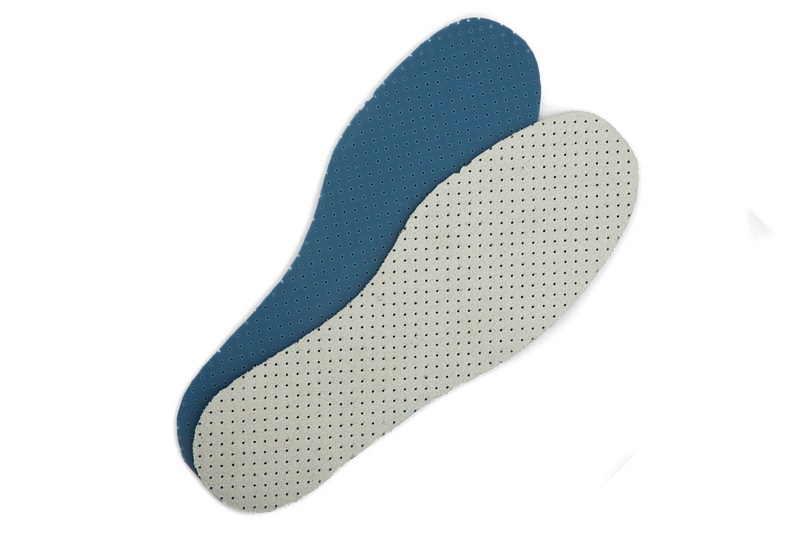
An insole, also referred to as a footbed or inner sole, is the soft layer placed inside the shoe underneath your foot. It acts as the interface between the outsole and your skin, absorbing shock, controlling heat and moisture, and supporting your body weight. Depending on shoe design, insoles can be removable or fixed, and are engineered from various materials such as foam, gel, leather, EVA, PU, or fabric composites.
The insole is not just a comfort accessory—it is a biomechanical foundation that enhances balance, posture, and overall walking efficiency. For brands and OEM manufacturers, understanding these functions is essential to produce ergonomic and performance-oriented footwear.
The insole's importance comes from its diverse technical and health-related functions. Its impact can be seen in several areas:
One of the most obvious benefits of an insole is its ability to cushion the feet. Every step generates impact forces that travel through the legs up to the spine. An effective insole acts like a shock absorber, minimizing stress on joints and soft tissues. This cushioning changes depending on material density, structural design, and contouring method. High-end insoles often incorporate multi-layer foams or air-cell technology to optimize softness without sacrificing stability.
The human foot has a natural arch that absorbs impact and helps distribute body weight evenly. Poorly designed shoes can flatten these arches, causing fatigue or pain. Insoles with specialized arch profiles support proper alignment, keeping the heel and toe positioned correctly within the shoe. This alignment helps prevent conditions such as plantar fasciitis, shin splints, and overpronation. Many OEM insoles now incorporate anatomical shaping to fit distinct regional markets, where average foot arch types may differ.
Insoles also help improve shoe fit. For example, thin or removable insoles can adjust internal space, making shoes snug for narrow feet or more comfortable for wide ones. Extra padding at the heel or forefoot enhances stability, reducing slipping and internal friction. A customized insole transforms a regular shoe into a precision-fitted support system.
Modern insoles use breathable fabrics, activated charcoal layers, or antimicrobial coatings to control odor and moisture. These materials wick away perspiration, preventing bacterial growth and maintaining hygiene throughout the day. Some advanced insoles incorporate temperature-regulating technologies that keep feet cool in summer and warm during cold seasons.
Through their structural design, insoles distribute body weight evenly and cushion pressure zones like the heel and ball of the foot. This helps reduce foot fatigue, joint pain, and the risk of repetitive-stress injuries. For workers, athletes, and outdoor enthusiasts, choosing an ergonomic insole can make an enormous difference in long-term comfort and safety.
Besides improving comfort, insoles protect internal shoe components from wear. They prevent direct friction between the outsole structure and your foot, extending shoe lifespan and maintaining a new appearance for longer. Many professional footwear designers treat the insole as both a comfort element and a protective barrier that prolongs product durability.
Shoes are designed for many uses—fashion, sports, medical, or safety—and so are insoles. Below are the most widely used types across global markets.
These are general-purpose insoles found in most casual, office, or fashion shoes. They deliver everyday comfort and reduce minor discomfort during walking. Soft foams or EVA are commonly used to provide lightweight cushioning.
Orthotic insoles target medical or structural foot issues. They align the foot and ankle to correct biomechanical imbalances or injuries. Tailor-made orthotics offer relief for conditions like flat feet, heel spurs, or overpronation. For brands entering the health footwear market, orthotic insoles present significant customization opportunities.
Athletic footwear demands responsive cushioning and dynamic support. Sports insoles combine high-density foams, TPU shells, and gel pads to absorb shocks and provide energy return. They stabilize the foot during quick movements, making them ideal for running, basketball, and soccer shoes.
Gel insoles add superior comfort through pressure dispersion. The soft gel substance moves slightly under force, helping redistribute pressure across the foot. These are popular for workers, travelers, and people who spend hours on their feet daily.
Thermal or winter insoles feature insulation layers made from materials like wool, felt, or fleece. They help preserve warmth and comfort during cold weather while maintaining breathability. Some designs also include aluminum foil layers to reflect body heat.
Memory foam has become a popular choice for luxury and casual footwear. It adapts to the foot's shape, offering a tailored cushioning experience. The material absorbs pressure and returns slowly to its original shape, giving consistent softness every time the shoe is worn.
With sustainability becoming a major industry trend, eco-friendly insoles use recycled foam, organic cotton, cork, or bamboo fibers. These materials lower environmental impact while maintaining flexibility and durability, aligning with the global demand for greener footwear solutions.
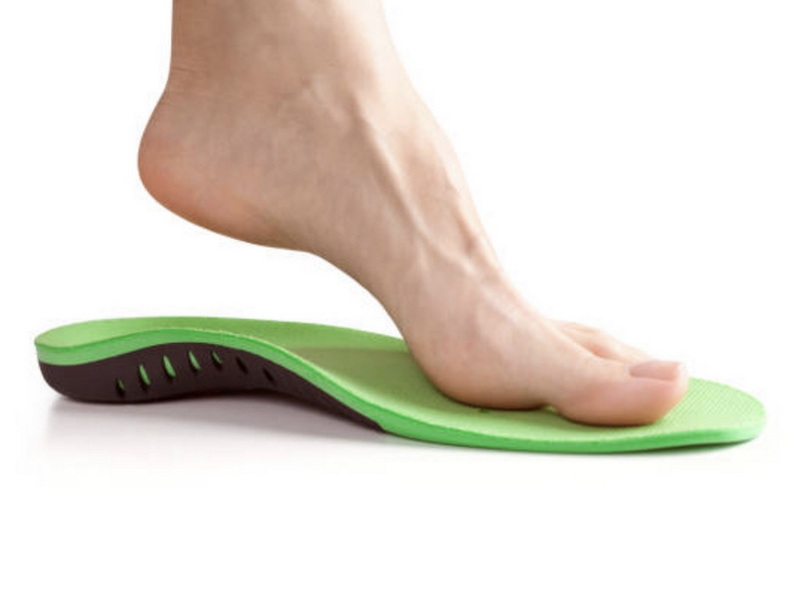
Choosing the right material defines how an insole feels and performs. Let's look at the most widely used materials and their unique functions.
Lightweight, flexible, and shock-absorbing, EVA remains one of the most popular materials in footwear. It offers a balanced blend of cushioning and durability, making it suitable for sports or casual shoes.
PU insoles combine elasticity with long-term resilience. They provide stable support and excellent recovery, ensuring the shoe maintains its comfort even after months of heavy use.
Natural latex foam gives superior cushioning and ventilation. It resists odor and bacteria, making it ideal for fashion and comfort shoes.
Gel offers advanced comfort for pressure relief and fatigue reduction. It is effective in high-impact footwear like running shoes and work boots.
Leather insoles are preferred in formal or luxury shoes. They naturally absorb moisture, improve ventilation, and age gracefully over time, providing a premium feel.
Known for its adaptive performance, memory foam shapes to the wearer's foot for custom comfort. This material works best in sneakers, walking shoes, and leisure footwear.
Cork is a natural, sustainable material valued for its resilience and insulation abilities. It molds slightly to the foot and retains its structure, providing firm support.
Producing high-quality insoles involves accurate engineering and material control. A professional OEM process typically includes several essential steps:
1. Material Selection – Choosing the ideal foam, gel, or textile based on the shoe type and target market.
2. Insole Design – Using CAD or 3D scanning, designers create ergonomic shapes that match human foot anatomy.
3. Cutting and Molding – Materials are precision-cut using dies or CNC systems to achieve consistent profiles.
4. Layer Bonding – Several layers may be laminated together to optimize structure and performance.
5. Surface Finishing – Adding a fabric top cover for aesthetics, comfort, and odor control.
6. Logo Printing and Branding – Incorporating brand identity or size markings for custom orders.
7. Quality Testing – Checking compression, rebound, moisture absorption, and durability metrics.
8. Packaging and Export – Products are packaged according to client specifications and shipped globally.
By combining automated machinery with human expertise, modern factories can achieve large-scale consistency and product precision at competitive costs.
As a leading OEM insole manufacturer from China, we specialize in producing customized solutions for foreign shoe brands, wholesalers, and manufacturers. Our integrated R&D and production capabilities allow for precise control of material hardness, thickness, arch shape, and durability.
- Private label production with branding and packaging.
- Custom shapes for athletic, medical, or safety footwear.
- Tailored density and elasticity based on user demographics.
- Design collaboration using 3D files or physical samples.
- Eco-friendly material development and testing.
Our research and development teams constantly upgrade designs to meet international ergonomics and comfort standards. Whether it's foam-molded sports insoles or orthopedic inserts, every piece is produced with precision and reliability.
The global footwear industry is evolving rapidly, and so is insole design. Several innovations now define modern insoles:
- 3D Printed Insoles: Allow for precise foot alignment and fully personalized curvature.
- Smart Insoles: Integrated sensors can track steps, posture, and pressure distribution for health or sports applications.
- Breathable Network Structures: Advanced ventilation channels improve airflow for long-term freshness.
- Dual-Density Construction: Combining soft top layers with firm base layers for dynamic balance.
- Recycled and Bio-based Foams: Addressing sustainability while maintaining performance.
By integrating technology into traditional craftsmanship, top manufacturers bridge the gap between performance footwear and modern lifestyle demands.
Choosing the right insole depends on factors such as purpose, foot shape, material preference, and lifestyle. When selecting or designing insoles, consider:
- Foot Arch Type: High arches may need extra curvature support, while flat feet require stability-focused options.
- Activity Level: Runners need shock-absorbing EVA or gel insoles; office workers may prefer breathable foam or leather.
- Climate: Select ventilated materials for hot regions or insulated materials for cold environments.
- Fit and Shoe Type: The insole should match shoe depth and width, providing tight yet comfortable support.
- Allergy and Skin Sensitivity: Choose hypoallergenic fabrics for sensitive users.
OEM manufacturers can provide clients with material samples and adjustment suggestions to achieve ideal user experiences.
The footwear manufacturing industry is increasingly focusing on eco-conscious practices. Academic and industrial research shows that the insole sector significantly contributes to global material waste. To counter this, forward-thinking Chinese OEMs now invest in recycled EVA granules, water-based adhesives, and biodegradable coatings.
Our production facilities comply with international environmental standards, emphasizing reduced emission, water recycling, and sustainable sourcing. Sustainable manufacturing not only protects the environment but also adds brand value, helping our global partners meet ESG compliance goals.
Consistency and quality are at the heart of successful insole production. To ensure high-performing products, our QA team follows strict testing procedures including:
- Compression and deformation tests.
- Tear resistance and flex endurance.
- Breathability and moisture absorption checks.
- Odor and antibacterial performance evaluation.
Through these measures, we maintain long-term partnerships with brands across Europe, North America, and Asia. Our efficient logistics and multilingual customer service ensure a smooth OEM collaboration process from concept to delivery.
An insole might be a hidden part of the shoe, but it's the foundation of comfort and foot health. Understanding what an insole in shoes is allows footwear professionals to appreciate its contribution to biomechanical support, durability, and customer satisfaction. From material innovation to precise OEM customization, insoles are evolving into highly engineered components that define shoe quality and performance.
As one of China's leading insole manufacturers, we remain committed to developing ergonomic, sustainable, and customizable insole solutions for global footwear partners. With each step consumers take, our technology ensures comfort, protection, and confidence—because a great shoe always starts from the inside.
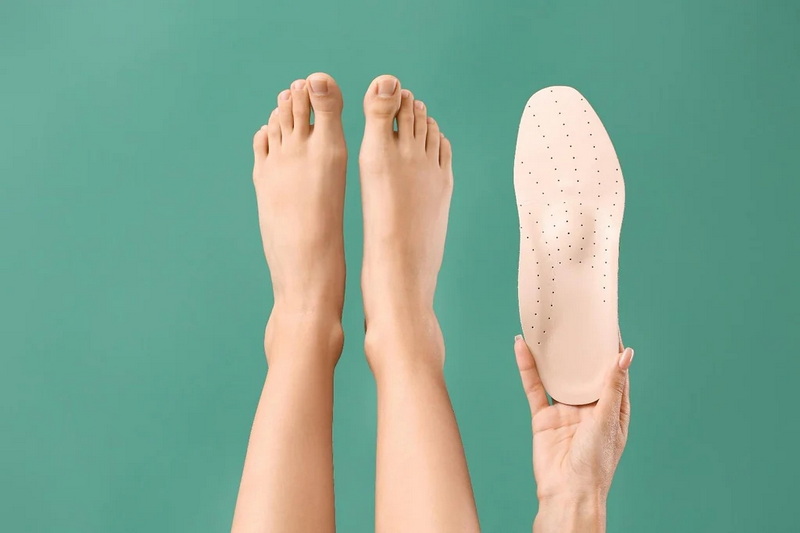
The insole's main purpose is to provide cushioning, support, and stability while improving comfort and reducing impact during movement.
Insoles typically last six months to a year depending on frequency of use. High-impact activities or long-standing hours may require earlier replacement.
Yes, most removable insoles can be gently hand-washed with soap and water. Avoid machine washing or prolonged soaking for foam and gel types.
While not mandatory, insoles significantly enhance comfort and performance. For people with foot conditions or long working hours, they are highly recommended.
High-end insoles often use EVA, PU, memory foam, leather, or layered composites that balance cushioning with durability and moisture control.


