
Language
Views: 222 Author: Edvo Publish Time: 2025-12-23 Origin: Site


Content Menu
● Understanding Foot Arches and Their Function
● What Are Neutral Arch Insoles?
● What Type of Foot Do Neutral Arch Insoles Work For?
>> 1. Neutral or Medium Arches
● Why Are Neutral Arch Insoles So Popular?
● The Science Behind How Neutral Arch Insoles Work
● Benefits of Using Neutral Arch Insoles
● Signs You Might Need Neutral Arch Insoles
● Materials and Construction Quality
● When Neutral Arch Insoles May Not Be Suitable
● Tips for Choosing the Right Neutral Arch Insole
● Proper Maintenance for Longevity
● The Role of OEM Insole Manufacturers in the Global Market
● FAQ
>> 1. What are neutral arch insoles best for?
>> 2. How do I know if I have a neutral arch?
>> 3. Can neutral insoles help reduce back or knee pain?
>> 4. Are neutral insoles machine washable?
>> 5. How can businesses customize neutral arch insoles for branding?
Every person's feet are unique, yet the comfort and performance of footwear depend heavily on one critical component — the insole. Whether walking casually, working long hours, or participating in sports, your feet are the foundation of your body's posture and balance. Among the various types of insoles available in the global footwear market, neutral arch insoles have gained tremendous popularity because of their adaptable design and compatibility with most medium-arched feet.
But what type of foot actually benefits the most from neutral arch insoles? What makes them special compared to low or high arch variations? To answer these questions, we need to take a closer look at how the human arch functions, what a neutral arch really means, and how the right insole can transform both comfort and foot health.
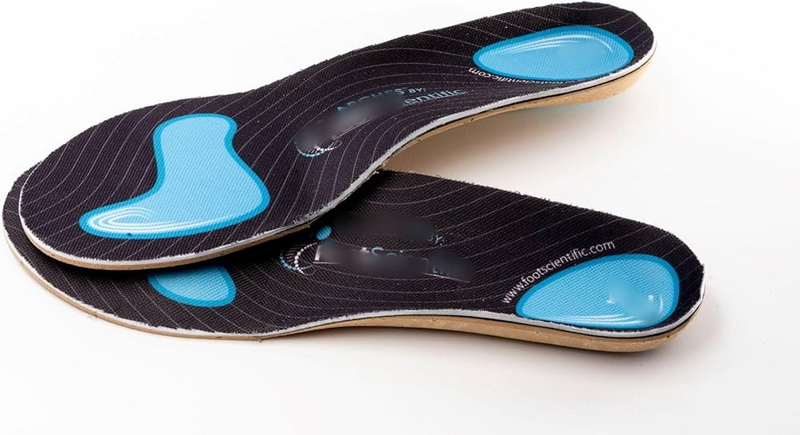
Your foot arch plays a central role in absorbing shock and managing pressure during every step. It works like a spring, redistributing your body weight and providing resilience against ground impact. Without proper arch support, the entire skeletal system — from the ankles to the spine — may experience strain.
In general, there are three main types of foot arches found in adults:
- Flat or Low Arch: Minimal curvature under the foot results in the entire sole making contact with the ground. This often leads to overpronation, where the ankle rolls inward excessively during movement.
- Neutral Arch: A balanced arch structure that offers natural and efficient shock absorption. The arch height is moderate, allowing pressure to spread evenly across the foot.
- High Arch: Characterized by a pronounced curvature, this type of foot often leads to supination, where the foot rolls outward. It usually requires additional cushioning to reduce stress on the heel and forefoot.
Understanding your arch type is the first step toward choosing footwear or insoles that maintain biomechanical balance and prevent chronic issues such as knee, hip, and lower back pain.
Neutral arch insoles are designed to accommodate the body's natural alignment, especially for medium-arched feet. Unlike orthotics for flat feet or extra-cushioned options for high arches, neutral insoles strike a balance between softness and stability. They don't force your arch upward or allow it to collapse downward — instead, they encourage your foot to move naturally.
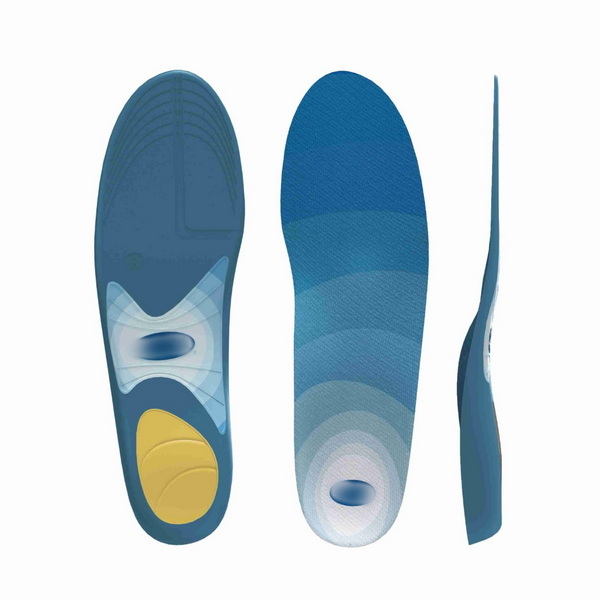
Most neutral arch insoles feature a contoured base that matches the natural curvature of the foot. The middle portion of the insole provides moderate arch support, while the heel cup stabilizes your stride. Many are made of materials such as EVA foam, PU, gel, or memory foam, which add comfort and durability without making the shoe overly rigid.
This balanced support makes neutral insoles ideal for people who need everyday comfort, whether they are walking through city streets, working in industrial environments, or running recreationally.
Neutral arch insoles primarily target people with naturally balanced or medium arches. These users typically have feet that neither flatten excessively nor curve inward or outward too severely. For them, the neutral design simply enhances natural biomechanics.
However, neutral insoles can also be suitable for adjacent foot types with mild arch variations. Here's how they perform across different foot conditions:
These insoles perfectly suit the needs of this common foot type. They maintain the natural contour and allow the foot to function efficiently without mechanical correction. People who already have balanced arches benefit from increased comfort, shock absorption, and stability without overcompensation.
Those with mild overpronation or slightly fallen arches can still use neutral insoles effectively. Since the design doesn't force the arch upward aggressively, it provides subtle support that prevents further flattening while maintaining flexibility.
In cases where the arch is higher than average but not extreme, neutral insoles can help add targeted cushioning. They support the midfoot gently and prevent excessive pressure on the heel and forefoot, common complaints among users with high arches.
That said, individuals with extreme arch conditions — severely flat or very high arches — generally require custom orthotics or specialized insoles that offer either more structured support or deeper cushioning.
Neutral arch insoles are widely appreciated because they offer a “universal fit” that addresses the comfort needs of a majority of consumers. Their balanced support system ensures users feel neither restricted nor unstable. Below are several reasons for their popularity:
- Comfort without stiffness. They feel natural because they mimic the contour of an average arch without introducing hard or elevated material under the midfoot.
- Versatile design. Works across a broad range of shoes — from sneakers and hiking boots to loafers and work shoes.
- Balanced performance. Provides adequate support for daily wear without overcorrecting gait.
- Durable material options. EVA foam and PU constructions provide long-lasting cushioning even in active use.
- Adaptability. Usable for light athletic activities, office work, or industrial labor.
Their multifunctional design has made them a staple product for both sportswear brands and OEM footwear manufacturers worldwide.
When you step on a neutral arch insole, the pressure distribution occurs evenly along the foot. The design supports the midfoot area to preserve the natural curve, preventing strain on tendons such as the plantar fascia — the thick tissue band that stabilizes your arch. The heel cup cradles your heel bone, creating proper alignment through the ankle and knee.
This alignment reduces energy loss during each stride and minimizes fatigue from long hours of standing. It also helps align the posture vertically, improving comfort not just for your feet but for your entire skeletal structure.
Continuous use promotes correct motion control while maintaining natural movement flexibility — something overly rigid orthotics cannot always achieve.
Neutral insoles offer a range of benefits that extend far beyond basic comfort. For individuals and professionals who rely on prolonged foot activity, the advantages are both practical and health-related.
1. Enhanced Stability
Promotes balanced movement that prevents overpronation or supination issues. Helps maintain an even gait pattern over long distances.
2. Reduced Muscle Fatigue
By stabilizing the foot, these insoles reduce stress on calf, knee, and hip muscles, keeping the body aligned throughout motion.
3. Comfort During Extended Standing
Ideal for workers in manufacturing, retail, or healthcare who spend hours on their feet.
4. Prevention of Foot Ailments
Reduces the risk of plantar fasciitis, heel spurs, and arch collapse through proper cushioning and support.
5. Improved Athletic Performance
Provides support during forward propulsion, reducing strain from repetitive motion in running or jumping sports.
6. Better Postural Health
Corrects weight distribution along the kinetic chain from feet to spine, contributing to long-term ergonomic health.
These features collectively enhance everyday comfort while protecting the structure and function of your feet.
You might benefit from neutral arch insoles if you experience any of the following:
- Moderate discomfort in the arch after walking or running.
- Uneven shoe wear toward the center or heel area.
- Occasional knee or back pain after long standing periods.
- Fatigue in the lower legs even without intense activity.
- Feeling of insufficient cushioning in your current shoes.
These signs often indicate that your footwear lacks balanced support, which neutral insoles can efficiently provide without the need for custom orthotics.
An important aspect of neutral insole performance lies in the material composition. The choice of materials determines factors such as durability, weight, cushioning, and ventilation.
Common material combinations include:
- EVA (Ethylene Vinyl Acetate): Lightweight, flexible, and well-cushioned. Ideal for sports and casual shoes.
- PU (Polyurethane Foam): Slightly heavier but provides advanced resilience and longevity.
- Memory Foam: Offers high comfort levels by contouring precisely to your foot shape. Excellent for casual and dress shoes.
- Gel Inserts: Placed at impact zones like heels or forefoot to absorb shock efficiently.
- TPU or Carbon Fiber Reinforcement: Used in high-quality insoles for added structure and midfoot stability.
Advanced models may also feature moisture-wicking fabrics, antibacterial coatings, or breathable perforations to enhance hygiene and ventilation during prolonged wear.
Despite their universal appeal, neutral insoles are not always the right choice for every individual. People with unique structural or biomechanical challenges might need custom solutions.
- Flat Feet with Severe Overpronation: Require higher medial arch support and motion-control insoles.
- High Arches Causing Supination: Need increased padding to relieve pressure on the forefoot and heel.
- Individuals with Chronic Pain: Conditions like plantar fasciitis, bunions, or Achilles tendonitis might call for specialized medical orthotics.
Using a neutral insole in these cases may not resolve symptoms and could even increase strain on other parts of the foot.
Choosing the perfect insole goes beyond just finding your arch type. You must also match its thickness, flexibility, and features to your intended activity.
- Shoe Compatibility: Ensure the insole suits the shape and space of your footwear. Work boots may require tougher materials, while running shoes need lighter, more breathable ones.
- Activity Level: Choose high-rebound materials like PU or hybrid foam for dynamic sports, and softer memory foam options for walking or daily comfort.
- Customization Options: Trim-to-fit models offer a better match for different shoe brands.
- Breathability: Perforated or mesh-lined insoles help prevent odor and sweat buildup.
- Support Profile: Seek a moderate arch contour instead of extreme elevation for flexible, everyday movement.
Even the best neutral insoles lose effectiveness over time as cushioning compresses and materials wear out. To maximize longevity:
- Replace insoles every six to twelve months, depending on use.
- Keep them clean and dry to prevent bacterial growth and odor.
- Remove insoles after daily use to air them out overnight.
- Wash periodically using mild soap and air dry; avoid high heat exposure.
Correct care ensures consistent comfort, durability, and hygiene for months of use.
As a leading insole manufacturer in China, many companies, including our factory, specialize in OEM and ODM production for international footwear brands, wholesalers, and sport insole producers. By providing neutral arch insole solutions tailored to specific brand identities, materials, and ergonomics, manufacturers help ensure end-users receive both comfort and reliability.
With advanced molding technology, sustainable materials, and precision engineering, manufacturers can produce insoles in custom densities, shapes, and finishes. This level of precision benefits global brands looking for cost-effective yet high-performance support products for their footwear lines.
Neutral arch insoles are the most versatile and widely applicable type of support insert for people with medium or balanced arches. They allow natural motion while offering the right degree of cushioning, shock absorption, and stability. Whether for athletes, industrial workers, or everyday users, they prevent fatigue, reduce pain, and maintain long-term foot health without overcorrecting natural gait patterns.
However, it is essential to understand one's unique foot structure before selecting any insert. Neutral arch insoles excel for typical arches but may not be the best for severe pronation or high curvature conditions. When chosen appropriately, they can extend the lifespan of your footwear, improve comfort, and support the health of your feet for years.
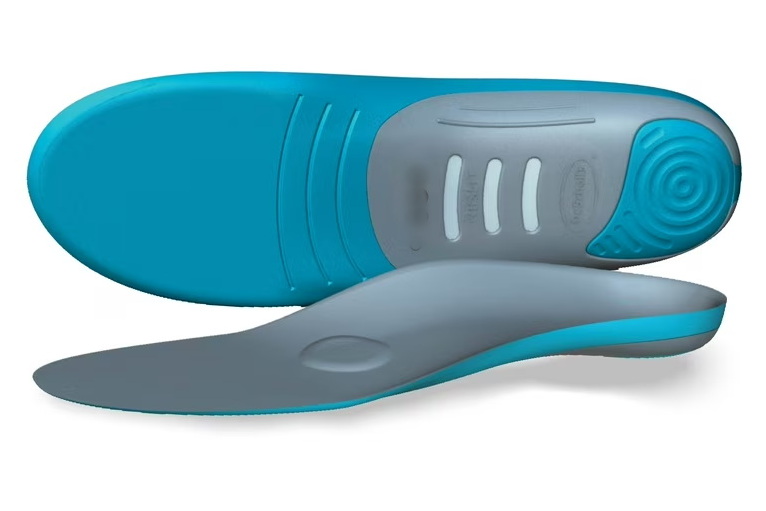
They are designed for people with medium foot arches who need balanced cushioning and stability without heavy correction. Perfect for everyday wear and light athletic activities.
If your footprint shows a moderate curve on the inner side with even pressure between heel and ball, you likely have a neutral arch.
Yes. By keeping feet aligned and distributing weight evenly, they indirectly support proper posture, easing strain on the knees and back.
No. It's best to clean them gently with mild soap and water, then air dry. Avoid high temperatures that may alter shape or structure.
OEM footwear partners can customize thickness, material composition, top fabrics, and logo printing to align with brand quality and target market preferences.


