
Language
Views: 222 Author: Edvo Publish Time: 2025-12-10 Origin: Site


Content Menu
● Why Shoe Choice Matters with Orthotics
● Key Features of Orthotic‑Friendly Running Shoes
>> Wide Toe Box
● How to Choose the Right Running Shoe for Your Orthotics
>> For Flat Feet and Overpronation
>> For High Arches and Underpronation
● How to Fit Orthotics into Running Shoes
>> Step 1 – Remove the Stock Insole
>> Step 2 – Place the Orthotic in the Shoe
>> Step 4 – Adjust Lacing and Socks
● Best Types of Running Shoes for Different Orthotic Needs
>> Supportive/Corrective Orthotics
>> Minimalist or Thin Orthotics
● When to Replace Your Running Shoes
● How Orthotics and Shoes Work Together
● Tips for Runners with Custom Orthotics
● Orthotics and Different Running Surfaces
● Frequently Asked Questions (FAQ)
>> 1. Can I wear orthotics in any running shoe?
>> 2. Should I size up when wearing orthotics?
>> 3. Do I need a stability shoe if I wear orthotics?
>> 4. How do I know if my orthotics fit properly in the shoe?
>> 5. Can I wear orthotics in trail running shoes?
If you rely on orthotic for shoes to stay comfortable and injury‑free while running, choosing the right running shoes is just as important as the orthotics themselves. The wrong shoe can make even the best custom insoles feel cramped, unstable, or ineffective, while the right pair can turn each run into a smooth, supported experience. This guide explains exactly what to look for in running shoes when using orthotics, how to match them to different foot types, and what features matter most for long‑term comfort and performance.
Whether you have flat feet, high arches, overpronation, or just need extra cushioning, the ideal orthotic‑friendly running shoe should have enough internal space, a stable platform, and a removable insole so your orthotics can sit properly. With the right combination, you can run longer, recover faster, and enjoy every mile without foot pain.
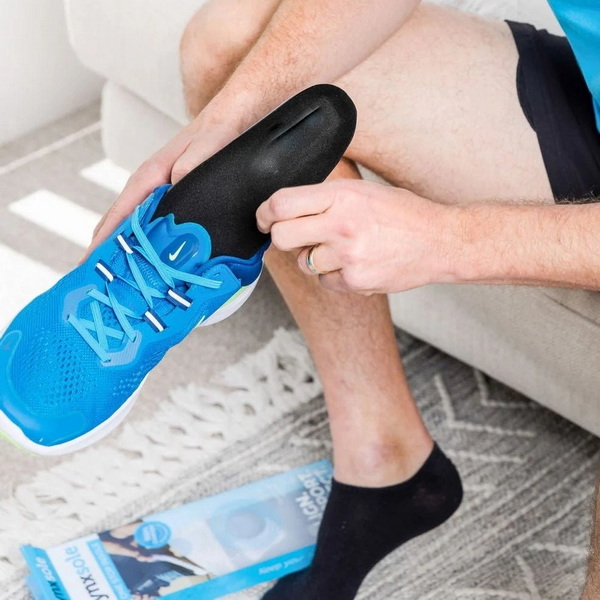
Orthotics are designed to correct alignment, support the arch, and reduce strain on the feet, knees, and lower back. But they only work well if they're placed inside a shoe that gives them room to function. A shoe that's too narrow, too shallow, or too soft in the midsole can defeat the purpose of the orthotic, leading to pressure points, instability, heel slippage, and a higher risk of injury.
Running shoes built for orthotics are typically more structured, with a deeper heel cup, a wider internal volume, and a firm, stable midsole. These features allow the orthotic to control motion and distribute pressure evenly, while the shoe itself protects the joints from impact. A well‑matched shoe and orthotic pair can improve gait efficiency, reduce fatigue, and help prevent common overuse injuries like plantar fasciitis, shin splints, and knee pain.
When shopping for running shoes to wear with orthotics, focus on these five essential characteristics:
The most important feature is a removable insole (also called a sockliner). This allows you to take out the factory footbed and replace it with your orthotic. If the insole is glued in or permanently attached, there usually isn't enough depth to fit an orthotic without making the shoe painfully tight.
Look for shoes that clearly state the insole is removable. Many modern running shoes now come with thick, molded insoles that are easy to pull out, leaving a smooth, flat base for your orthotic to sit on. Avoid models where the insole is stitched or glued down, as these are rarely suitable for orthotics.
Orthotics add thickness, so the shoe needs extra internal depth. A deep heel cup and a roomy forefoot help prevent your foot from being pushed too high into the upper, which can cause pressure on the top of the foot and toes.
Shoes labeled as “wide,” “extra depth,” or “orthopedic” are often good starting points. However, even some standard‑width shoes can work well if they have a generous internal volume and a low‑profile tongue. Depth is especially important for runners with custom orthotics, which tend to be thicker than off‑the‑shelf insoles.
A wide toe box gives your toes room to spread naturally, which is especially important if you have bunions, hammertoes, or wide feet. It also helps prevent the orthotic from compressing the forefoot and your foot together, leading to blisters and numbness.
Look for shoes with an anatomical toe box that flares slightly at the front. Avoid models with a sharply tapered toe area, as these can squeeze the orthotic and your foot together, leading to discomfort and reduced performance. A roomy forefoot also allows the orthotic to function without being compressed at the ball of the foot.
A stable midsole is crucial when using orthotics. It should be firm enough to control excessive inward or outward rolling of the foot, but still cushioned enough to absorb impact on hard surfaces.
For runners with flat feet or overpronation, a stability or motion‑control shoe often pairs best with orthotics. For those with high arches or neutral feet, a neutral shoe with a well‑cushioned, supportive midsole is usually ideal. The midsole should provide a solid platform that complements the orthotic's corrective action, rather than fighting against it.
A firm heel counter (the stiff part around the back of the shoe) keeps your heel locked in place and prevents it from sliding up and down. This is especially important with orthotics, as a loose heel can cause blisters and reduce the effectiveness of the orthotic.
When trying on shoes, press on the heel counter with your fingers. It should feel solid and not collapse easily. Your heel should sit snugly against the back of the shoe, with the orthotic sitting flat and fully seated in the heel cup. A secure heel also helps maintain proper alignment throughout the gait cycle.
Picking the best running shoes for orthotics isn't just about brand or model—it's about matching the shoe to your foot type, running style, and orthotic design.
Runners with flat feet or overpronation often benefit from a stability or motion‑control running shoe. These shoes have features like a medial post or dual‑density foam on the inner side of the midsole, a wide, stable base to limit excessive inward rolling, and a deep heel cup and firm heel counter for rearfoot control.
Popular orthotic‑friendly options in this category include stability trainers from major running brands. These shoes provide a solid platform that works well with custom orthotics designed to correct overpronation. They are especially helpful for runners who experience arch collapse, heel pain, or knee discomfort during long runs.
High‑arched feet tend to be more rigid and less shock‑absorbent, so they need running shoes with plenty of cushioning and flexibility. Look for soft, plush midsoles that absorb impact, a neutral design without a medial post, and a roomy toe box to allow natural toe splay.
Max‑cushion neutral shoes from several well‑known brands are often excellent choices. They provide a comfortable, forgiving ride that complements orthotics designed to support high arches and reduce stress on the plantar fascia. These shoes are ideal for runners who feel excessive impact or have a history of stress fractures or plantar fasciitis.
If you have a neutral arch and a balanced gait, a neutral running shoe with good cushioning and a stable platform is usually the best match. These shoes offer a balanced blend of cushioning and responsiveness, have a straight or slightly curved last that matches a neutral foot, and provide enough space for orthotics without feeling too stiff or too soft.
Everyday trainers from several leading brands are widely recommended for neutral runners who wear orthotics. They're versatile enough for daily training, long runs, and even some speedwork. A neutral shoe with a removable insole and moderate stability is often the most comfortable and practical choice for this foot type.
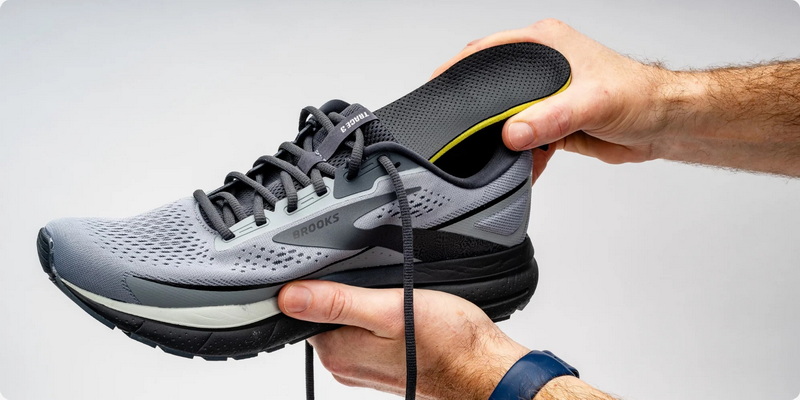
Even the best orthotic‑friendly running shoes won't work well if the orthotics aren't installed and worn correctly. Follow these simple steps:
Take out the factory insole completely. This creates the necessary depth for your orthotic. If the insole is glued in, check with the manufacturer or a podiatrist before attempting to remove it, as damaging the shoe can void the warranty.
Slide the orthotic into the shoe, making sure it sits flat and fully against the bottom. The heel of the orthotic should sit snugly against the back of the heel counter, with no gaps or rocking.
If the orthotic is slightly too long, it can often be trimmed carefully at the toe end, following the manufacturer's instructions. Never cut into the arch or heel cup area, as this can compromise the orthotic's function and support.
Put on the shoe with your usual running socks and tie the laces securely. Walk or jog a short distance to test the fit. You should feel no pressure points on the top of the foot or toes, a secure heel with minimal slippage, and even pressure across the entire foot, with the orthotic working as intended.
If the shoe feels too tight, consider going up half a size or choosing a wider width. If the heel slips, try using a heel‑lock lacing technique. It's also helpful to test the shoes on different surfaces, such as pavement and a treadmill, to see how they feel under real running conditions.
Use a snug but not overly tight lacing pattern to keep the foot stable without cutting off circulation. A thin, moisture‑wicking running sock is usually best, as thick socks can reduce the available space and make the fit too tight.
Some runners find that using a slightly longer lace length helps achieve a more secure fit, especially in shoes with a higher instep. Experiment with different lacing techniques, such as skipping eyelets or using a loop lock, to fine‑tune the fit around the midfoot and heel.
Not all orthotics are the same, and different types of orthotics work best with different running shoes.
Cushioned orthotics are designed to add extra padding and shock absorption. They pair well with neutral or stability running shoes that already have a firm, supportive midsole and shoes with a removable insole and extra depth to accommodate the added thickness.
Avoid pairing very thick cushioned orthotics with already very soft, maximalist shoes, as this can make the ride too mushy and unstable. Instead, choose a shoe with a balanced level of cushioning and a stable platform to ensure good control and responsiveness.
Supportive or corrective orthotics are often more rigid and designed to control motion. They work best with stability or motion‑control running shoes that provide a solid, stable platform and shoes with a wide base and a firm heel counter to maximize control.
These orthotics are commonly used for flat feet, overpronation, and conditions like plantar fasciitis or shin splints. A shoe that matches the orthotic's corrective intent helps maintain proper alignment and reduces strain on the lower limbs over long distances.
Thin, low‑profile orthotics are easier to fit into a wider range of running shoes, including lightweight trainers and even some racing shoes. They can be used with neutral daily trainers, lightweight tempo shoes, and trail running shoes with removable insoles.
Because they add less thickness, they're less likely to change the shoe's original fit and heel‑to‑toe drop significantly. This makes them a good choice for runners who want orthotic support without sacrificing the shoe's natural feel or responsiveness.
Even experienced runners can make mistakes when combining orthotics and running shoes. Here are the most common pitfalls:
- Choosing a shoe that's too narrow or too shallow for the orthotic
- Keeping the stock insole in the shoe along with the orthotic, which makes the fit too tight
- Wearing shoes that are too worn out or have a collapsed midsole, which reduces stability
- Ignoring heel slippage or pressure points, which can lead to blisters and injuries
- Trying to “break in” an ill‑fitting shoe/orthotic combination instead of sizing up or switching models
To avoid these issues, always try on shoes with your orthotics in place, and walk or run in them before making a final decision. If something feels off, it's better to keep looking than to risk discomfort or injury.
Running shoes lose their cushioning and support over time, even if they still look good on the outside. For runners who wear orthotics, replacing shoes at the right time is critical to maintaining proper alignment and preventing injury.
Most running shoes last between 300 and 500 miles, depending on your weight, running style, and the surfaces you run on. Signs that it's time for a new pair include visible wear on the outsole, especially in the heel and forefoot, a flattened, compressed midsole that feels hard or unresponsive, increased foot, knee, or hip pain during or after runs, and heel slippage or instability, even with a well‑fitted orthotic.
Rotating between two pairs of shoes can help extend their lifespan and reduce the risk of overuse injuries. It also gives each pair time to fully decompress between runs, which helps maintain cushioning and support.
Orthotics and running shoes are a team: the orthotic controls motion and supports the arch, while the shoe provides cushioning, stability, and protection. When they're well‑matched, they can significantly improve comfort, efficiency, and injury resilience.
For example, a runner with overpronation may use a custom orthotic to limit inward rolling, while the stability shoe provides a firm medial post and a wide base to reinforce that correction. Similarly, a runner with high arches may rely on a cushioned orthotic to absorb impact, while the max‑cushion shoe adds an extra layer of shock absorption.
This synergy is why it's important to consider both the orthotic and the shoe as a single system. A podiatrist or running specialist can help assess your gait and recommend the best combination for your specific needs.
If you wear custom orthotics, a few extra considerations can help you get the most out of your running shoes:
- Always bring your orthotics when trying on new shoes. This is the only way to know how they'll actually fit and feel.
- Choose shoes with a removable insole and extra depth, as custom orthotics are often thicker than standard insoles.
- Consider a slightly wider width or half‑size up to accommodate the added volume of the orthotic.
- Test the shoes on a treadmill or short run before committing, to make sure there are no pressure points or instability.
- Work with a podiatrist or running shoe specialist to fine‑tune the combination of orthotic and shoe for your gait and running goals.
The surface you run on also influences the ideal shoe/orthotic combination. On pavement and concrete, a well‑cushioned, stable shoe with a supportive orthotic helps reduce impact forces. On trails, a more rugged, protective shoe with a firm midsole and a secure fit works best, especially if the orthotic is designed for stability.
For track or road racing, lightweight shoes with thin orthotics can provide support without adding too much weight. For long‑distance training, a more cushioned, durable shoe with a supportive orthotic is usually the better choice.
Choosing the right running shoes for orthotics comes down to three things: space, stability, and support. Look for shoes with a removable insole, extra depth, a wide toe box, a firm midsole, and a secure heel counter. Match the shoe type to your foot structure—stability shoes for flat feet, cushioned neutral shoes for high arches, and balanced trainers for neutral feet.
When fitted correctly, orthotics and the right running shoes work together to improve alignment, reduce pain, and let you run farther and more comfortably. If you're a brand owner, distributor, or OEM partner looking for high‑quality orthotic‑friendly footwear, we can help you source or develop performance running shoes tailored to your market's needs.
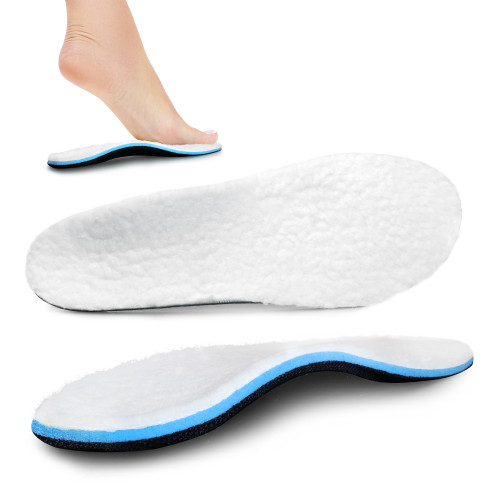
Not all running shoes are suitable for orthotics. The shoe must have a removable insole and enough internal depth to fit the orthotic without making the fit too tight. Shoes with glued‑in insoles or very narrow, shallow interiors usually won't work well.
Often, yes. Adding an orthotic can make the shoe feel tighter, especially in the heel and midfoot. Many runners find that going up half a size or choosing a wider width provides a more comfortable, secure fit with orthotics.
It depends on your foot type and orthotic design. If your orthotics are designed to correct overpronation, a stability or motion‑control shoe often provides the best platform. If you have a neutral or high‑arched foot, a neutral shoe with good cushioning and support may be more appropriate.
Your orthotics should sit flat and fully against the bottom of the shoe, with the heel snug against the heel counter. There should be no gaps, rocking, or excessive pressure on the top of the foot. Walk or jog in the shoes to check for comfort and stability.
Yes, many trail running shoes are orthotic‑friendly, especially those with a removable insole, a wide toe box, and a stable midsole. Look for models designed for long‑distance trail running, as they tend to have more internal volume and support than lightweight trail racers.


