
Language
Views: 222 Author: Edvo Publish Time: 2026-01-09 Origin: Site


Content Menu
● Understanding the Structure of an Insole
● Which Way Does the Arch of the Insole Face?
● Why Correct Orientation Is So Important
● Test Your Insole Orientation
● Understanding the Anatomy of the Foot
● How to Properly Insert Your Insoles
● The Science Behind Arch Support
● Different Types of Foot Arches and Insoles
● Material Considerations in Arch-Support Insoles
● The Role of OEM Insole Manufacturers
● Benefits of Using Properly Designed Insoles
● When to Replace Your Insoles
● How to Maintain and Clean Your Insoles
● Addressing Common Foot Problems with Insoles
● FAQ
>> 1. How can I tell if my insoles are on the correct foot?
>> 2. Can wearing insoles the wrong way cause pain?
>> 3. Are different insoles required for work boots and running shoes?
>> 4. How do I know which arch height is right for my feet?
>> 5. Why are OEM arch-support insoles more reliable?
When it comes to comfort and maintaining proper foot posture, the position and direction of your insole's arch support play a critical role. Many people overlook this detail and end up wearing their arch insoles incorrectly, leading to discomfort, fatigue, and even long-term posture problems. Whether you are a shoe manufacturer, an OEM insole supplier, or simply a user seeking the best fit for your shoes, understanding how the insole arch should face is essential for ensuring comfort, stability, and durability in every step.
This comprehensive guide will explore everything you need to know — from foot anatomy and insole design principles to correct installation methods and common mistakes. By the end, you will know exactly which way the arch of your insole should face and why orientation makes such a big difference.
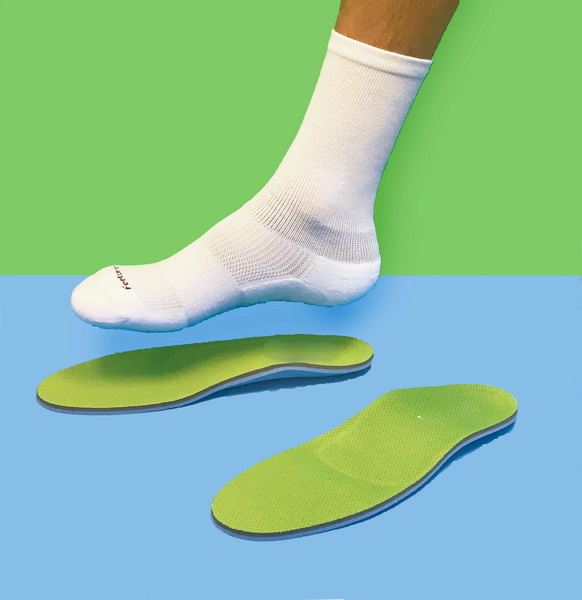
An insole is far more than just a thin cushion at the bottom of your shoe. It's a functional layer designed to support your body's foundation — your feet. High-quality insoles are shaped to complement the natural structure of the foot, with areas that support the heel, midfoot, and forefoot.
The most important feature of an insole is the arch support, which is the curved raised section that fits under the inner side of your foot. This area helps distribute weight evenly across your sole, prevents the foot from collapsing inward, and maintains alignment all the way up to your knees and hips.
A properly designed arch support prevents excessive strain on the plantar fascia — the ligament connecting your heel to your toes. For this reason, identifying and placing the arch in the correct direction is critical to ensuring the insoles actually perform as intended.
The arch of the insole should always face inward, meaning toward the inner side of your foot — the side closest to your big toe. When correctly placed inside your shoe, this raised portion supports the natural arch of your foot, promoting balance and stability.
If the insole arch faces outward (toward your little toe), your foot may feel unstable or awkward because the structure doesn't align with your anatomy. Over time, this improper alignment can cause discomfort in your ankles, knees, hips, or even your lower back.
Simply put, the inner arch supports your natural foot shape and helps balance your entire body. The direction of the arch determines whether your insole assists your foot's natural movement or works against it.
Getting the direction of your insoles right isn't just a matter of comfort — it's a matter of biomechanical efficiency. Insoles serve to support and stabilize your feet, especially during long hours of standing, walking, or running. If they're positioned incorrectly, they can actually create new pressure points, cause misalignment, and even accelerate wear on your shoes.
There are several key benefits of ensuring your insoles face the right direction:
- Proper alignment: A correctly positioned insole maintains a natural alignment between your foot, ankle, and leg.
- Improved stability: Inward-facing arches stabilize the heel bone, preventing overpronation (rolling inward) or supination (rolling outward).
- Enhanced shock absorption: Arch support spreads impact evenly across the foot.
- Reduced fatigue: By balancing pressure, you can stand or walk longer without pain.
- Better posture: Proper foot support supports your spine and posture from the ground up.
Incorrect placement, on the other hand, can lead to persistent soreness, uneven wear on your shoe soles, and even chronic strain conditions.
Here's a simple method to confirm you've got your insoles facing the right direction:
Place both insoles on a flat surface with the heel sections closest to you. You'll notice that each insole has one side that curves or raises more — that's the arch. It should always be on the inside of the shoe.
When you put them into your shoes, make sure the curve of the insole aligns naturally with the arch of your foot. When you stand, your weight should feel evenly balanced, not tilting inward or outward.
This quick check ensures your footwear supports your natural movement rather than fighting against it.
Knowing the structure of your foot helps explain why the insole's arch must face inward. The human foot consists of 26 bones and more than 100 muscles, tendons, and ligaments working together to support your body weight.
The arch of the foot acts as a spring and shock absorber, transferring energy through your steps and maintaining stability. It lies mostly along the inner side of the foot — stretching from the heel to the forefoot. When you walk or run, this arch flexes and expands to bear weight efficiently.
Because the foot arch sits on the inner side, the insole's raised portion must also face inward to match this anatomy. If installed incorrectly, the insole cannot support the foot arch's curve, resulting in poor pressure distribution and pain in the heel or ball of the foot.
Installing insoles correctly may look simple, but small mistakes can undo their benefits. Here's how to place them properly for optimal comfort and performance:
1. Remove the shoe's original insole: Most shoes include a thin lining. Removing it gives your new insole room to fit snugly without raising the heel too much.
2. Match the shapes: Lay your new insoles over the originals to check length and trim if needed. Make small cuts from the toe area, never the heel.
3. Insert the new insole: Slide it into the shoe with the heel firmly against the back. Ensure the raised arch lies along the shoe's inner side.
4. Secure and flatten: Press the insole flat against the shoe bottom to avoid folds or movement.
5. Test by standing: Step into the shoes and feel whether the arch sits comfortably under your midfoot. If you feel pressure on the outer side, you may have reversed them.
Following these steps ensures your insoles not only fit correctly but also function as designed.
Even premium insoles fail to perform if installed incorrectly. Some of the most common errors include:
- Reversing left and right insoles: Each insole is shaped specifically for its foot. Mixing them up reverses the arch orientation.
- Stacking multiple insoles: Placing new insoles on top of old ones changes the shoe volume and causes instability.
- Flipping the insole upside down: Always position the printed or textured side upward, facing your foot.
- Ignoring shoe type: Different shoes need different support profiles. Running shoes, for instance, use softer, more dynamic insoles than work boots.
Avoiding these mistakes keeps your shoes balanced, comfortable, and effective for daily use.

The primary function of arch support is to reduce stress on the plantar fascia and stabilize the foot's natural structure. When you walk, your arches absorb impact and help propel your body forward. Without proper support, your arches can flatten or overextend, leading to common conditions such as heel spurs and metatarsal pain.
Properly aligned arch support does more than cushion the foot — it controls motion. It prevents excessive inward rolling of the foot (overpronation) and outward rolling (supination). These motion imbalances are a major cause of leg, knee, and hip strain.
By ensuring the insole arch faces inward, you maintain correct pronation patterns and let the foot work in harmony with your body's mechanics.
Not all feet are the same, which means not all insoles should be either. Manufacturers typically classify feet into three main arch types — and each requires a specific insole design for optimal comfort.
- Low arch (flat feet): The arch is nearly flat, so feet need firm support to prevent excessive rolling inward.
- Normal arch: The most common type, requiring balanced cushioning and moderate support.
- High arch: The arch rises steeply, demanding thicker padding to fill the gap under the foot and absorb impact.
Knowing your foot type helps you choose the right insole material and structure. Many OEM manufacturers offer customized arch heights and densities to match each profile type, improving long-term comfort for end users.
Material selection influences how effectively an insole supports your foot and how long it lasts. Common materials include:
- EVA foam: Lightweight, shock-absorbing, and ideal for sports or casual wear.
- PU foam: Durable and supportive, used in professional and industrial footwear.
- Gel insoles: Excellent for impact reduction, especially for prolonged standing.
- Memory foam: Molds to the contour of your foot for a personalized fit.
- Latex or rubber mixtures: Provide slip resistance and added resilience.
The right material must balance flexibility and firmness — soft enough for cushioning, but rigid enough to hold the arch structure firmly beneath your foot.
OEM (Original Equipment Manufacturer) insole producers play an increasingly important role in the global footwear market. Leading Chinese manufacturers specialize in designing and producing insoles suited to the specific structure of branded footwear lines.
Their process usually includes:
1. Foot shape research: Using 3D scanning to replicate ergonomic curves for different shoe categories.
2. Precision mold formation: Shaping the arch contours based on biomechanical data.
3. Material testing: Selecting EVA, PU, or composite materials that enhance performance and durability.
4. Quality inspection: Testing for compression resistance, anti-slip performance, and wear comfort.
5. Customization: Adjusting color, texture, and size based on client branding needs.
For shoe producers, partnering with an OEM factory ensures that every pair of insoles fits their customer's target foot profile, ensuring both comfort and brand reputation.
When insoles face the correct direction and are made from high-quality materials, they deliver powerful functional and health benefits:
- Maintain consistent foot alignment and reduce muscle fatigue.
- Prevent arch strain, heel pain, and other foot-related injuries.
- Enhance overall walking comfort, even after long wear periods.
- Reduce vibration and shock, extending the lifespan of both shoes and joints.
- Improve athletic performance by stabilizing movement and enhancing ground contact.
Every correctly positioned insole helps ensure that the footwear performs as its designer intended — supportive, balanced, and durable.
Even the best insoles wear down over time. You should replace them when you notice signs such as:
- Flattening of the arch area.
- Cracks or loss of cushioning.
- Ongoing discomfort during normal wear.
- Lingering odor or moisture absorption.
For active users, replacement every 6 to 8 months is recommended, depending on intensity. For everyday wearers, once a year is often sufficient. Regular renewal ensures the arch support continues to function effectively.
Proper maintenance extends the life of your insoles and keeps your footwear hygienic. Follow these simple care tips:
- Remove your insoles regularly to air them out.
- Wipe with a damp cloth using mild soap — never soak them.
- Dry naturally; avoid heaters or direct sunlight.
- Ensure shoes are fully dry before reinserting insoles.
Routine care prevents odor buildup, extends material life, and preserves structural integrity of the arch area.
Correctly oriented and supportive insoles can relieve multiple foot and posture problems:
- Plantar fasciitis: Arch support alleviates tension across the plantar fascia.
- Overpronation: Encourages proper alignment, reducing knee and ankle rotation.
- Heel pain: Cushions the heel bone and absorbs sudden impact.
- Flat feet: Provides structure, minimizing fatigue during prolonged standing.
- High arches: Adds cushioning beneath the foot to reduce shock load.
An inward-facing arch is the foundation for all these benefits, providing effective stability and targeted relief.
To summarize, the arch of your insole should always face inward, lining up with the inner curve of your foot. This orientation supports your body's natural alignment, enhances walking comfort, and prevents joint strain. When positioned correctly, the insole becomes a true extension of your foot's anatomical design, providing consistent stability and long-term comfort.
Whether you're an individual user choosing a replacement insole or a brand developing your next footwear line, understanding the direction of arch support is vital to overall product quality. Correct orientation is a simple yet powerful step that ensures every shoe performs at its best — durable, balanced, and ergonomically sound.
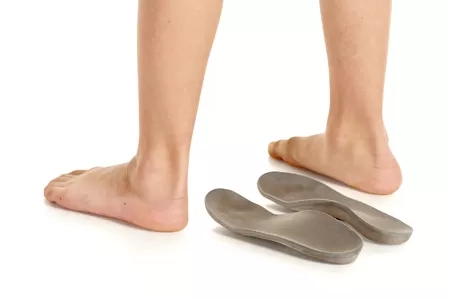
The raised arch area should always face the inner side of your foot. When standing, you should feel comfortable support beneath your midfoot without any pressure on the outer edge.
Yes. Misaligned insoles can lead to ankle, knee, and heel pain because they shift your body's weight unevenly and compromise alignment.
Absolutely. Work boots need firmer support for long standing hours, while running shoes benefit from lighter, shock-absorbing insoles for flexibility.
Check your footprint after wetting your feet. If your whole foot leaves a mark, you likely have flat arches. If only the heel and ball print appear, you may have high arches. Choose an insole that supports your specific foot type.
OEM insoles are tailored to match brand-specific shoe designs, ensuring perfect fit, ergonomic accuracy, and consistent comfort. They also allow brands to maintain quality standards at scale.


