
Views: 222 Author: Amanda Publish Time: 2025-09-08 Origin: Site


Content Menu
● What Are Orthotics for Shoes?
● Growing Demand for Orthotics Worldwide
● Who Manufactures Orthotics for Shoes?
>> Specialized Orthotic Manufacturers
>> OEM Providers for Brands and Wholesalers
>> In-House Manufacturers by Global Brands
● Our Role as a Leading Orthotic Manufacturer in China
● Orthotic Manufacturing Process
>> Quality Control and Testing
● Innovations in Orthotic Design and Technology
>> 3D Scanning and Digital Customization
>> Smart Orthotics and Wearable Tech
>> Sustainable and Eco-Friendly Materials
>> Advanced Cushioning and Shock Absorption
● Benefits of OEM Orthotics from Established Manufacturers
● Applications of Orthotics for Shoes
>> Medical and Therapeutic Applications
>> Sports and Athletic Performance
>> Everyday Comfort and Workwear
● Choosing the Right Orthotic Manufacturer
● FAQ
>> 1. What materials are commonly used in orthotics for shoes?
>> 2. Can orthotics be customized to fit any shoe type?
>> 3. How long do orthotics for shoes usually last?
>> 4. Are orthotics suitable for children?
>> 5. What is the difference between custom-made and pre-made orthotics?
Orthotics for shoes play a vital role in enhancing foot comfort, correcting biomechanical imbalances, and preventing injuries. Whether you are an athlete seeking better performance, someone with foot pain, or a brand owner sourcing quality products, understanding who makes orthotics for shoes is essential. This comprehensive article explores the orthotic manufacturing process, key players in the industry, especially those providing OEM services, and how orthotics are designed to meet various needs.
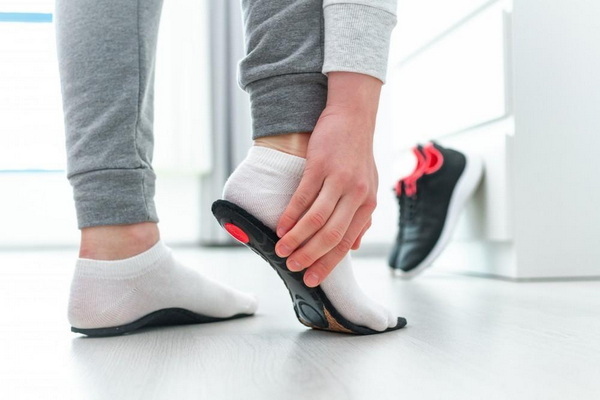
Orthotics for shoes are custom or pre-made shoe inserts designed to support, align, or improve the function of the foot. They vary by materials, shapes, and technologies, serving different purposes:
- Relieving foot pain from conditions such as plantar fasciitis or flat feet.
- Correcting gait abnormalities.
- Enhancing comfort during prolonged standing or walking.
- Supporting athletic performance by optimizing foot biomechanics.
Orthotics can be rigid or flexible depending on their intended use and user requirements. They are crucial devices for people experiencing discomfort or pain due to irregular foot structure, injury, or chronic conditions.
The global orthotics market has seen significant growth due to increased awareness of foot health, the rise of sports and fitness activities, and a growing aging population prone to foot problems. This rising demand drives innovation in orthotic design and material science. For manufacturers and brands, this is a lucrative field, requiring partners who can deliver quality orthotics reliably and at scale.
Orthotic manufacturers typically fall into a few categories:
These companies focus solely on producing orthotic insoles using innovative materials and medical-grade technology. They often collaborate with podiatrists, chiropractors, and biomechanical experts to create high-quality products that precisely address various foot conditions.
Many brands and wholesalers do not manufacture orthotics themselves. Instead, they rely on Original Equipment Manufacturers (OEMs) to produce custom orthotics designed under their brand labels. These OEM manufacturers, especially in countries like China, provide cost-effective, scalable, and customizable orthotics for clients worldwide. Such providers have invested in advanced production technology, quality management, and global logistics to supply the international market.
Top global athletic and footwear brands often have in-house manufacturing capabilities or maintain exclusive partnerships with orthotic producers. This allows for high quality control and seamless integration of orthotics into their shoe designs, resulting in optimized products specifically engineered to deliver the best foot support.
We are a leading Chinese orthotic manufacturer specializing in OEM orthotics for shoes. Our service model covers brand owners, wholesalers, and other manufacturers who want to offer orthotics under their own labels. Here's how we stand out:
- Customization: Tailor materials, thicknesses, and shapes to exact client specifications using advanced design tools.
- Cutting-Edge Manufacturing: Employ precision injection molding, 3D printing, and eco-friendly, durable materials to produce high-performance orthotics.
- Comprehensive Quality Assurance: Conduct rigorous testing for durability, comfort, biomechanical efficiency, and compliance with international standards.
- Global Logistics Support: Efficient packaging and shipping solutions enabling timely delivery to clients worldwide, minimizing supply chain disruptions.
- Research & Development: Continuously innovating orthotic designs with input from biomechanical experts and market feedback.
Manufacturing orthotics for shoes involves multiple specialized steps that ensure each product meets user needs and industry standards.
The manufacturing journey begins with design. Manufacturers use 3D foot scanning technology or detailed medical data to create precise models of the foot. Using CAD software, designers develop customized orthotic shapes tailored to specific foot needs. Prototypes are then physically created through 3D printing or CNC machining for evaluation.
Choosing the right materials is key to orthotic performance. Common options include:
- EVA Foam: Lightweight, flexible, and offering excellent shock absorption.
- Polyurethane: More durable and slightly firmer cushioning.
- Silicone: Used in gel pads for extra comfort.
- Cork: Natural material providing sturdy support and moisture resistance.
- Carbon Fiber: Used in high-performance orthotics for rigidity and lightweight strength.
Material combinations can be layered to balance support, cushioning, and durability.
Once designs and materials are finalized, the manufacturing moves to molding. Injection molding or compression molding processes shape the orthotics to precise contours defined by the design. These shaping methods allow for consistent production of complex orthotic geometries that fit snugly inside shoes without discomfort.
Additional features such as arch supports, heel cups, or metatarsal pads might be assembled or bonded onto the base insert. High-quality finishing will ensure smooth edges and surface textures that enhance comfort and durability.
Quality is paramount in orthotics for shoes. Testing includes:
- Pressure distribution analysis to verify correct support.
- Wear and tear simulations to ensure long-lasting performance.
- Comfort assessments by test users.
- Compliance checks with relevant medical device regulations and certifications.
Degreed technicians inspect each batch to maintain uniform quality.
Orthotics are packaged according to client needs, often with branded boxes and instruction manuals. Sustainable packaging options can be offered to help reduce environmental impacts. The logistics team coordinates global shipping with customs compliance and timely delivery.
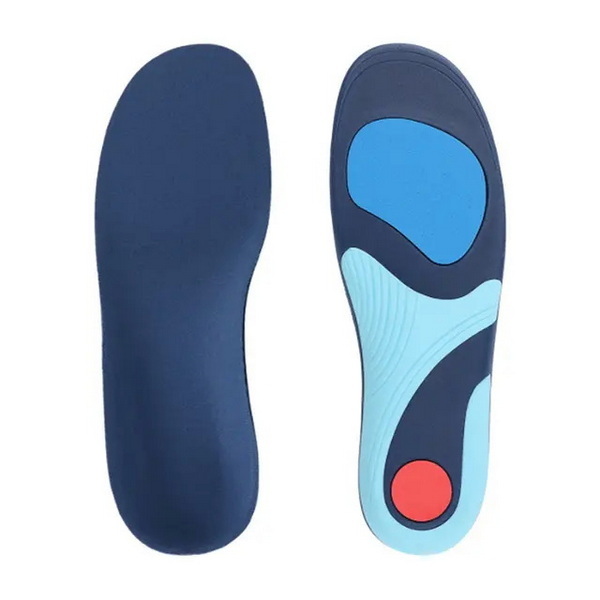
Modern orthotics for shoes are continually evolving thanks to advances in technology and materials science:
High-precision scanners capture the exact 3D structure of a customer's foot, allowing the creation of orthotics perfectly tailored to individual biomechanics. Digital workflows speed up design and reduce errors.
Some manufacturers now embed sensors within orthotics that track foot pressure, gait abnormalities, and walking patterns. These smart orthotics sync with mobile apps to provide users and healthcare professionals with valuable data for treatment and performance enhancement.
Responding to increasing environmental concerns, many manufacturers focus on biodegradable and recycled materials without compromising orthotic quality and durability.
Innovative gel inserts, air pockets, and viscoelastic foams provide superior shock absorption to reduce joint impact during activities like running or standing for long periods.
OEM orthotics offer several advantages both for brands and end consumers:
- Cost Efficiency: Manufacturers benefit from economies of scale, reducing unit costs for buyers.
- Brand Customization: Companies can build their own orthotic product lines without investing in expensive manufacturing facilities.
- Access to Expertise: Buyers tap into manufacturers' R&D and biomechanical knowledge.
- Consistent Quality: Trusted manufacturers adhere to strict quality control and certification standards.
- Scalable Production: OEMs can flexibly handle small or large order volumes, suited to both startups and established brands.
Orthotics find widespread use across different segments:
Orthotics help alleviate pain caused by plantar fasciitis, flat feet, arthritis, diabetic neuropathy, or heel spurs. Many orthopedic specialists prescribe or recommend custom orthotics to improve foot function and mobility.
Athletes use orthotics to correct gait imbalances, enhance shock absorption, and improve foot stability. Sport-specific orthotics are designed for runners, basketball players, hikers, and cyclists.
Workers who spend long hours on their feet benefit from cushioned orthotics that reduce fatigue and protect against repetitive strain injuries. Everyday orthotics are popular in casual, dress, and safety shoes.
Finding the perfect orthotic manufacturer requires considering multiple factors:
- Customization Capabilities: Ability to modify design, material, and thickness.
- Material Variety: Availability of diverse and advanced material options.
- Certifications and Quality Standards: ISO, CE, FDA, or other relevant approvals.
- Production Capacity and Lead Times: Flexibility to meet ordering deadlines and volumes.
- Technical Support and Service: After-sales service, samples, design consultation.
- Sustainability Practices: Commitment to environmentally responsible manufacturing.
Orthotics for shoes are essential products that improve foot health, comfort, and athletic performance. Leading manufacturers, particularly OEM providers from China, offer diverse and customized orthotic solutions to international brands, wholesalers, and manufacturers. Through advanced production technologies, stringent quality standards, and responsive customization services, these manufacturers enable businesses worldwide to deliver effective orthotics under their own labels. As awareness of foot care grows, orthotic innovation will continue to evolve, bringing smarter, more sustainable, and more comfortable solutions to the global market.

Orthotics typically use EVA foam, polyurethane, silicone, cork, and carbon fiber due to their cushioning, flexibility, and durability.
Yes, modern manufacturing and 3D scanning technologies allow orthotics to be customized for different shoe shapes, sizes, and purposes.
Orthotics generally last between 1 to 3 years depending on usage, material, and maintenance.
Yes, specially designed orthotics can support children's developing feet and correct early biomechanical issues.
Custom-made orthotics are precisely tailored to an individual's foot shape and medical needs, while pre-made orthotics offer general support but may not address specific biomechanical problems.


