
Language
Views: 222 Author: Edvo Publish Time: 2026-01-20 Origin: Site


Content Menu
● What Medicare Usually Covers
● When Medicare Will Pay for Custom Orthotics Foot Inserts
● Annual Limits for Therapeutic Shoes and Orthotic Insoles
● How Much You Pay: Deductibles and Coinsurance
● Documentation and Supplier Requirements
● Orthotic Insoles: Custom vs Prefabricated
● Other Orthotic Devices Covered by Medicare
● The Role of OEM Manufacturers in the Orthotic Insoles Market
● Practical Steps for Patients Considering Orthotic Insoles Under Medicare
● FAQ About Medicare and Orthotic Insoles
>> 1. Does Medicare always pay for Orthotic Insoles?
>> 2. How often can I get new Orthotic Insoles through Medicare?
>> 3. What percentage of the cost of Orthotic Insoles does Medicare cover?
>> 4. Are Orthotic Insoles covered under Medicare Advantage plans?
>> 5. What should I ask my doctor and supplier before ordering Orthotic Insoles?
Medicare does not pay for every type of foot insert on the market. It focuses on medically necessary therapeutic shoes and Orthotic Insoles for people with diabetes or serious foot disease, along with certain ankle‑foot and knee‑ankle‑foot orthoses ordered by a Medicare‑enrolled doctor.
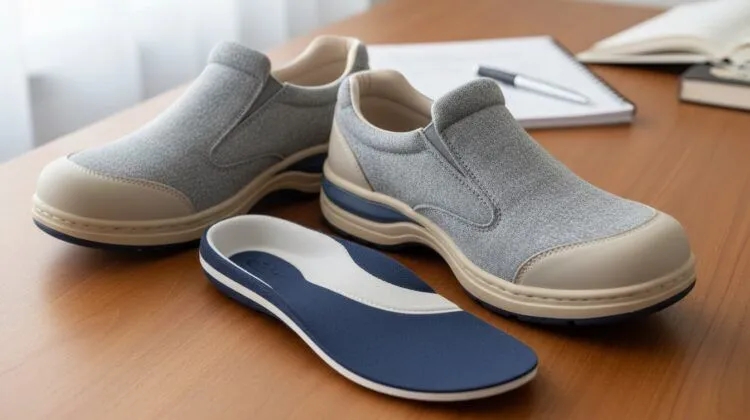
Medicare distinguishes between medical Orthotic Insoles and ordinary comfort or sports insoles. Over‑the‑counter inserts that people buy in retail stores for general comfort are viewed as personal convenience items and are not covered. Original Medicare Part B, however, may cover therapeutic shoes and Orthotic Insoles for beneficiaries with diabetes and severe diabetes‑related foot disease when strict criteria are met.
Coverage under Part B also extends to certain lower‑limb orthoses, such as ankle‑foot orthoses (AFOs) and knee‑ankle‑foot orthoses (KAFOs), when these devices are rigid or semi‑rigid and are used to support a weak or deformed body part or to restrict motion in a diseased or injured limb. These devices must be ordered by a Medicare‑enrolled healthcare professional and supplied by a qualified, enrolled supplier that accepts assignment.
For many beneficiaries, this means that Medicare will not pay for basic arch‑support Orthotic Insoles, but can help pay for medically necessary therapeutic shoes, inserts, and related lower‑limb orthoses that protect the feet from serious complications.
Medicare Part B may pay for custom Orthotic Insoles and therapeutic shoe inserts if the beneficiary meets very specific medical and documentation standards. In the context of foot care, the most common scenario involves diabetes with qualifying foot complications that put the patient at high risk of ulceration, infection, or amputation.
To qualify, the beneficiary generally must have:
- A diagnosis of diabetes.
- At least one of several diabetes‑related foot conditions, such as peripheral neuropathy with evidence of callus formation, a history of foot ulceration, prior partial foot amputation, foot deformity, or poor circulation.
- Certification by the physician managing the diabetes that therapeutic shoes and Orthotic Insoles are medically necessary.
When these requirements are satisfied, Medicare covers either one pair of extra‑depth shoes or one pair of custom‑molded shoes per calendar year, along with an annual allowance of inserts. The custom Orthotic Insoles must be part of this therapeutic footwear program and furnished by a Medicare‑approved supplier who fits the patient according to program rules.
In addition to diabetic footwear, Medicare may cover other lower‑limb orthoses under the Part B braces benefit when they are rigid or semi‑rigid and medically necessary to support or control movement in a weak or injured limb. These devices are distinct from basic comfort Orthotic Insoles but are part of the wider family of orthotic solutions.
Medicare's coverage for therapeutic shoes and Orthotic Insoles is structured as an annual benefit that resets every calendar year. This benefit applies specifically to qualifying beneficiaries with diabetes and severe diabetes‑related foot disease.
The standard allowance typically includes:
- One pair of extra‑depth shoes with up to three pairs of removable Orthotic Insoles in a calendar year, or
- One pair of custom‑molded shoes with Orthotic Insoles plus up to two additional pairs of Orthotic Insoles in that same year.
In some situations, shoe modifications can be provided instead of separate inserts, as long as they fall within the program's established limits. Each January, the allowance renews, but the beneficiary must continue to meet the qualifying criteria, and the physician must recertify the need annually.
For patients, this means there is a predictable schedule for replacing worn therapeutic shoes and Orthotic Insoles, which helps maintain adequate protection and pressure redistribution over time. However, any purchase beyond the annual Medicare allowance, or any non‑covered style upgrades, will be paid out of pocket.
Even when therapeutic shoes and Orthotic Insoles are covered, beneficiaries do not receive them for free. Costs are shared through the usual Medicare Part B cost‑sharing rules.
Each year, beneficiaries must first meet the Part B deductible, which is set at 257 USD for 2025. After that deductible is met, Medicare generally pays 80% of the Medicare‑approved amount for covered devices such as therapeutic shoes, Orthotic Insoles, and qualifying lower‑limb orthoses.
The remaining 20% is paid by the beneficiary, unless a supplemental plan (Medigap) or another coverage source helps absorb that share. For people enrolled in Medicare Advantage (Part C), plans must cover at least what Original Medicare covers, but copays, prior authorization rules, and network requirements may differ from plan to plan.
Because Orthotic Insoles and therapeutic footwear can be relatively expensive, it is important for patients to ask suppliers whether they accept Medicare assignment so that they are not surprised by higher‑than‑expected bills. A supplier who does not accept assignment can bill more than the approved amount, leaving the patient responsible for the difference.
Medicare coverage for Orthotic Insoles and associated footwear depends heavily on documentation. Without proper paperwork, claims may be denied even when the medical need is real.
Key documentation requirements include:
- The physician who manages the Diabetes (or other qualifying condition) must certify that the beneficiary needs therapeutic shoes or Orthotic Insoles due to severe foot disease.
- A prescription must be written by a qualified healthcare professional, such as a podiatrist or other doctor, detailing the type of footwear, Orthotic Insoles, or orthosis required.
- The supplier must keep detailed records, including the physician's certification, prescription, and notes describing the fitting process and the type of Orthotic Insoles or device provided.
The supplier of the Orthotic Insoles or orthotic braces must be enrolled in Medicare as a durable medical equipment, prosthetics, orthotics, and supplies (DMEPOS) provider. Many therapeutic Orthotic Insoles intended for diabetic shoes are billed under specific codes and may need to be verified through Medicare's coding and verification process.
If documentation is incomplete, inconsistent, or missing key details, Medicare may deny payment, leaving the beneficiary responsible for the full amount. Patients can protect themselves by confirming that both the prescribing doctor and the supplier are familiar with Medicare's diabetic shoe and Orthotic Insoles rules.
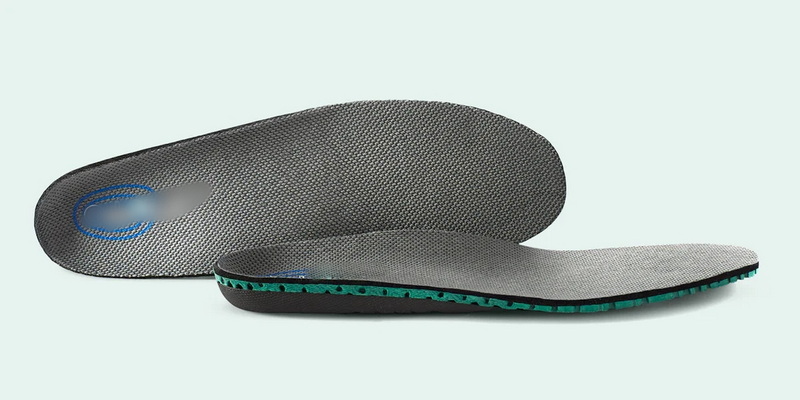
From a clinical and manufacturing standpoint, Orthotic Insoles fall into two broad categories: custom and prefabricated. Understanding the difference helps patients and providers choose the right product and anticipate whether Medicare might cover it.
Custom Orthotic Insoles are designed from a three‑dimensional impression, foam casting, plaster mold, or digital scan of the patient's feet. These devices are built to match the exact contours of the foot, redistribute pressure away from high‑risk areas, support deformities, and improve overall alignment. In diabetic care, custom Orthotic Insoles are particularly valuable for protecting areas prone to ulcers and for accommodating significant deformities such as Charcot foot.
Prefabricated Orthotic Insoles, by contrast, are mass‑produced in standard sizes and shapes. While they can provide cushioning and moderate support, they may not address complex foot deformities or advanced neuropathy as precisely as custom devices. Some prefabricated Orthotic Insoles can be trimmed or heat‑molded to better fit the foot, but they still begin from a generic template rather than a personal mold.
Medicare's diabetic footwear benefit focuses primarily on therapeutic shoes and associated Orthotic Insoles that meet defined standards and codes. Custom Orthotic Insoles that are part of this program and billed correctly may be covered, but many other custom or prefabricated insoles for general comfort or sports performance remain non‑covered.
Orthotic care extends beyond the feet. Medicare Part B also covers certain lower‑limb orthoses under the “braces” benefit, which applies to devices such as AFOs and KAFOs. These devices are designed to support weak or deformed ankles, knees, and lower legs or to control movement following injury or surgery.
To qualify for coverage, the orthosis must be rigid or semi‑rigid and must be used to support or control a body part rather than simply provide comfort. As with Orthotic Insoles, a Medicare‑enrolled physician must order the device and certify its medical necessity, and the orthosis must be supplied by an enrolled provider who adheres to all documentation rules.
Although these devices are distinct from typical shoe inserts, they are often part of the same broader treatment strategy for patients with neurological disease, advanced arthritis, or severe deformities. The same cost‑sharing rules apply: the beneficiary is responsible for the Part B deductible and generally 20% coinsurance after the deductible has been met.
For overseas OEM manufacturers working with international brands, wholesalers, and medical distributors in the United States, Medicare rules indirectly shape product design, materials, and quality standards for Orthotic Insoles and therapeutic shoes.
Therapeutic Orthotic Insoles intended for diabetic patients must often meet specific coding and performance criteria so that U.S. suppliers can bill Medicare correctly. These criteria may address features such as:
- Use of durable, resilient materials that maintain shape and cushioning over time.
- Designs that provide adequate depth and volume within therapeutic shoes to accommodate deformities, toe deformities, and swelling.
- Consistent sizing, density, and pressure‑relief characteristics to ensure predictable offloading of high‑risk areas.
OEM manufacturers who produce Orthotic Insoles that align with recognized therapeutic codes and Medicare requirements make it easier for U.S. distributors, podiatrists, and DMEPOS suppliers to adopt those products into their treatment programs. For example, properly coded diabetic Orthotic Insoles that integrate seamlessly into extra‑depth shoes improve claim success rates and enhance patient outcomes.
In addition, manufacturers can collaborate with clinical partners to develop product lines that target specific patient segments, such as high‑risk diabetic patients, individuals with neuropathy, or seniors with balance and stability issues. By focusing on clinical performance and compliance, OEM producers of Orthotic Insoles become key players in the broader Medicare‑driven therapeutic footwear ecosystem.
Patients who believe they may qualify for Medicare‑covered Orthotic Insoles can follow a simple process to improve their chances of successful coverage:
- Schedule a visit with the physician who manages the underlying condition, such as diabetes, neuropathy, or severe arthritis, and discuss foot symptoms in detail.
- Ask whether therapeutic shoes and Orthotic Insoles are medically necessary to reduce the risk of ulcers, falls, or further complications.
- Confirm that the physician is enrolled in Medicare and willing to complete the required certification forms.
- Request referrals to podiatrists and Orthotic Insoles suppliers who are familiar with diabetic shoe programs and who are enrolled as Medicare DMEPOS providers.
- Before ordering custom Orthotic Insoles, ask the supplier for a cost estimate, confirm that they accept assignment, and clarify which portions Medicare is expected to pay.
This proactive approach can prevent misunderstandings, minimize claim denials, and ensure that patients receive Orthotic Insoles that meet both clinical needs and Medicare requirements.
Medicare can pay for custom orthotics foot inserts, but only within a specific medical framework that emphasizes therapeutic shoes and Orthotic Insoles for people with diabetes or severe foot disease. To receive covered Orthotic Insoles, beneficiaries must meet strict eligibility criteria, obtain proper documentation from a Medicare‑enrolled doctor, and work with approved suppliers that understand the diabetic shoe and orthotics rules. Even then, patients remain responsible for the Part B deductible and typical coinsurance, while some Medicare Advantage and supplemental plans may provide additional help. For patients who qualify, this benefit makes high‑quality Orthotic Insoles and related orthotic devices more affordable and accessible, helping protect feet, prevent serious complications, and maintain mobility.
Contact us to get more information!
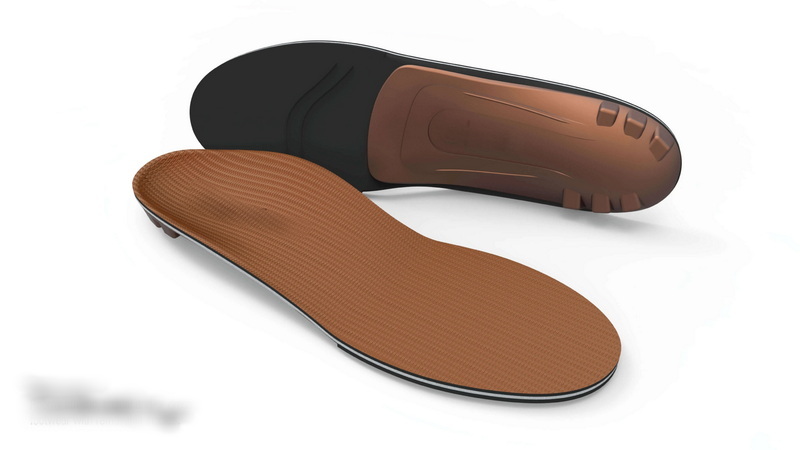
No. Medicare does not pay for every type of insole or shoe insert. Routine comfort, sports, or fashion Orthotic Insoles purchased over the counter are considered personal convenience items and are not covered. Medicare focuses on medically necessary therapeutic shoes and Orthotic Insoles for people with diabetes and severe foot disease, as well as certain lower‑limb braces ordered by a Medicare‑enrolled doctor.
For qualifying beneficiaries with diabetes, Medicare Part B generally covers one pair of extra‑depth shoes or one pair of custom‑molded shoes per calendar year, along with a limited number of Orthotic Insoles. The usual allowance is up to three pairs of inserts with extra‑depth shoes or two additional pairs of inserts with custom‑molded shoes during that year. The benefit resets annually, but your physician must recertify your medical need each year.
Once you have met your annual Part B deductible, which is 257 USD in 2025, Medicare typically pays 80% of the Medicare‑approved amount for therapeutic shoes, Orthotic Insoles, and covered lower‑limb orthoses. You are responsible for the remaining 20% as coinsurance, unless a Medigap or other supplemental plan helps pay that portion. If you receive items from a supplier that does not accept assignment, your out‑of‑pocket cost can be higher.
Yes. Medicare Advantage (Part C) plans must cover medically necessary orthotics and Orthotic Insoles at least to the same level as Original Medicare. However, each plan can set its own copayments, prior authorization rules, and network requirements. Some plans may offer extra foot‑care benefits or lower out‑of‑pocket costs, while others may mirror Original Medicare more closely, so it is important to review your plan's evidence of coverage.
Before ordering Orthotic Insoles, ask your doctor whether your condition meets Medicare's criteria for therapeutic shoes and inserts or other orthotic devices. Confirm that your doctor is enrolled in Medicare and will complete the necessary certification and prescription paperwork. With the supplier, verify that they are an enrolled DMEPOS provider, that they accept assignment, and that your Orthotic Insoles are being ordered under the appropriate therapeutic codes. Request a written estimate showing the Medicare‑approved amount and your expected share after coverage so you can plan for any remaining costs.
Short description (≈300 characters):
This in‑depth guide explains when Medicare will pay for custom orthotics foot inserts and therapeutic Orthotic Insoles, who qualifies, annual limits, costs, documentation rules, and how OEM manufacturers can align products with U.S. clinical and reimbursement standards.
1. https://www.medicare.org/articles/does-medicare-cover-orthotics/
2. https://www.medicalnewstoday.com/articles/does-medicare-cover-orthotics
3. https://askchapter.org/magazine/senior-health-wellness/medicare-resources/does-medicare-cover-orthotics
4. https://www.healthline.com/health/medicare/does-medicare-cover-orthotics
5. https://www.mutualofomaha.com/advice/medicare/medicare-coverage/does-medicare-cover-podiatry-and-orthotics
6. https://achillesfootandankle.com/diabetic-therapeutic-shoes/
7. https://med.noridianmedicare.com/web/jddme/dmepos/orthotics
8. https://www.cgsmedicare.com/jc/mr/pdf/dear_physician_therapeutic_shoes.pdf
9. https://www.cms.gov/newsroom/fact-sheets/2025-medicare-parts-b-premiums-and-deductibles


