
Views: 222 Author: Edvo Publish Time: 2025-10-25 Origin: Site


Content Menu
● Understanding Heated Footwear Technology
● Comparing Heated Insoles and Heated Socks
>> Key Benefits
>> Applications
>> Key Features
● Material and Design Considerations
● Battery Life and Power Options
● Ergonomics and User Experience
● Safety and Heating Control Systems
● Cost Breakdown and Maintenance Tips
>> Heated Socks
● Comfort Testing and Temperature Zone Efficiency
● Energy Efficiency and Environmental Factors
● Choosing Between Insoles and Socks
● OEM Heated Insoles and Socks Manufacturing in China
>> Our Production Capabilities
● Future Trends in Heated Footwear
● FAQs
>> 1. How long do heated insoles and socks operate on one charge?
>> 2. Are heated insoles waterproof?
>> 3. Do heated socks interfere with normal footwear fit?
>> 4. Can people with poor circulation benefit from heated footwear?
>> 5. What's the best way to extend battery life?
When the cold season arrives, foot warmth becomes more than just comfort—it's crucial for health, productivity, and outdoor performance. Whether you work outside in winter, hike through cold terrain, or simply struggle with chronically cold feet, heated footwear can make all the difference. But one question often arises: Are heated insoles or heated socks better?
This guide explores both options in depth, covering their structure, technology, advantages, applications, maintenance, and how to select the right product for your needs. It is also a practical resource for brand owners and distributors seeking reliable OEM heated footwear manufacturers in China.

Heated insoles and socks rely on low-voltage electrical heating systems integrated into flexible, comfortable materials. These products use lightweight lithium-ion batteries to supply consistent, safe warmth throughout hours of use.
- Heated insoles deliver warmth from below the foot, focusing on the heel-to-toe area.
- Heated socks distribute heat across the entire foot, especially around the toes where temperature loss is most noticeable.
Both designs use advanced temperature sensors and smart controllers to ensure efficient heat generation without overheating.
| Feature | Heated Insoles | Heated Socks |
|---|---|---|
| Heat Distribution | From underfoot surface | Around entire foot and toes |
| Comfort Feel | Firm and supportive | Soft and cozy |
| Battery Position | Attached externally (via cable or clip) | Built into the sock cuff |
| Temperature Control | Often via app or remote | Manual or app-controlled |
| Durability | Highly durable and replaceable | Fabric may wear faster |
| Best For | Hiking, working boots, winter sports | Daily wear, indoor activities, cycling |
Heated insoles feature built-in circuits that distribute heat evenly beneath your feet. Once activated, current flows through the heating element, generating warmth across the sole.
The heating components are ultra-thin and insulated, ensuring no discomfort while walking or standing. Many insoles come with remote controllers or smartphone apps for adjustable temperature control and real-time monitoring.
- Maintain stable warmth even in extreme cold.
- Prevent frostbite and improve blood circulation.
- Reduce foot fatigue by maintaining steady temperature.
- Can be easily removed and inserted into multiple shoe types.
Heated insoles are ideal for outdoor laborers, snow sports enthusiasts, or postal and delivery workers. Their compatibility with safety boots, ski boots, and hiking shoes makes them one of the most versatile winter accessories.
Heated socks use woven micro-heating filaments embedded into breathable and stretchable fabrics. The heating area usually concentrates around the toes, spreading heat gradually to the rest of the foot.
Modern versions use moisture-wicking fibers like merino wool and polyester blends, helping to regulate both warmth and dryness. Their built-in control buttons or app-based adjustments make them simple to operate.
- All-around heat coverage.
- Comfortable against skin with no electronic discomfort.
- Suitable for extended indoor and outdoor use.
- Efficient for users with circulation problems or cold extremities.
Heated socks are best for people spending long hours at low activity levels—such as ice anglers, drivers, wheelchair users, or elderly individuals seeking gentle warmth.
The overall performance of heated insoles or socks depends heavily on material composition.
For heated insoles:
- High-density EVA or foam ensures shock absorption.
- Anti-slip bottoms maintain stability on wet surfaces.
- Aluminum or carbon fiber elements enhance heat efficiency.
For heated socks:
- Elastic spandex and soft acrylic provide flexibility.
- Breathable mesh reduces sweating and odor buildup.
- Reinforced heels and toes improve durability.
Both products should feature fire-retardant insulation, overheating sensors, and seamless sewing technology to guarantee comfort and safety.
Battery life differs based on heating levels and size.
- Standard heated insoles: 8–12 hours on low heat, 4–6 hours on high.
- Heated socks: 5–8 hours on low heat, 3–5 hours on high.
Some models include dual-battery systems or USB-C rechargeable packs for faster charging and longer runtime.
Choosing rechargeable lithium-polymer batteries ensures lower weight and compact size without compromising energy performance. Brands can also integrate smart battery indicators for real-time power tracking.
While both designs offer warmth, comfort depends on how natural the user experience feels.
- Insoles maintain your shoe's existing fit and provide support where pressure points occur, keeping posture aligned.
- Socks offer a snug and flexible feel without the need to modify footwear.
For highly active users—such as hikers, mountaineers, and patrol workers—heated insoles may feel more balanced during extended movement. For commuters and home users, heated socks deliver effortless comfort and softness.
Safety is paramount when using heated wearable electronics. Advanced heating products include:
- Over-temperature protection: Automatically adjusts or pauses heating when internal sensors detect excessive heat.
- Water resistance: Waterproof coatings protect circuits from moisture and snow exposure.
- Short-circuit prevention: Built-in fuses and insulation layers prevent hazards.
- Temperature memory: Devices return to the user's last heat setting automatically upon restart.
Reliable manufacturers perform quality checks under international testing standards such as CE, FCC, or RoHS certifications.
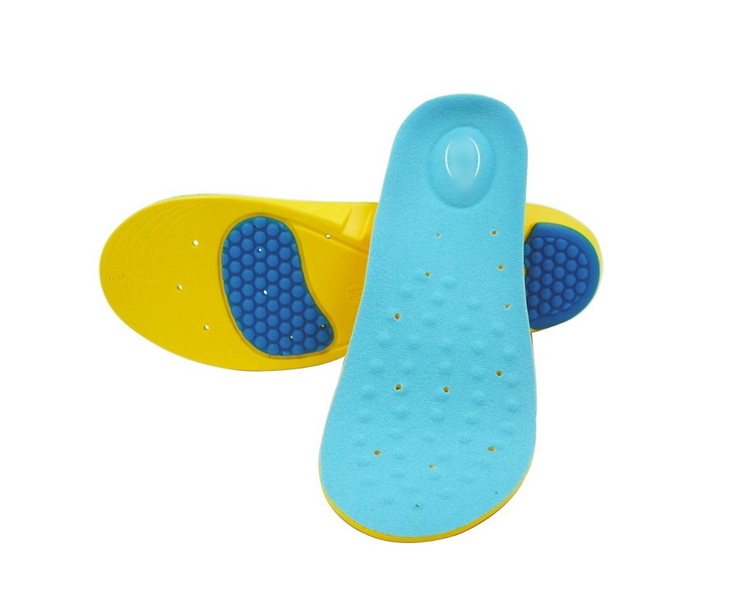
- Average Price Range: Medium to high, due to embedded electronics and reinforced soles.
- Maintenance: Wipe gently with a damp cloth; avoid submerging in water.
- Average Price Range: Low to medium, depending on fiber quality and heating area.
- Maintenance: Remove battery before washing; use hand washing or a mild machine setting.
Heated insoles offer better long-term durability, while heated socks may require more frequent replacements.
Performance testing shows that heated insoles maintain an average underfoot temperature of 40–50°C under cold outdoor conditions, ensuring effective insulation through the sole. Heated socks, meanwhile, warm the toes first, achieving full-foot heat distribution within 5–10 minutes.
Each heating method targets different thermal zones:
- Insoles address heat from ground contact and friction loss.
- Socks target direct heat application around blood vessels in the foot, enhancing circulation.
Combining both systems can deliver comprehensive warmth during extreme scenarios like snowfield exploration or prolonged outdoor labor.
Eco-conscious production is increasingly prioritized. High-quality heated footwear adopts rechargeable systems and recyclable materials, minimizing waste compared to disposable warmers.
Brands seeking sustainable solutions can opt for ultra-efficient carbon nanofiber heating films that require lower wattage but emit superior thermal energy. This design extends battery runtime and aligns with eco-certification requirements from global markets.
The ultimate decision depends on user scenario, budget, and convenience.
Choose Heated Insoles If:
- You wear multiple types of shoes or boots.
- You need robust support and even foot pressure balance.
- You work outdoors for extended hours or engage in winter sports.
Choose Heated Socks If:
- You prefer direct warmth with no footwear adjustment.
- You spend time in low-activity environments or indoors.
- You want something soft, skin-friendly, and easy to wash.
Both are beneficial investments. Some users even alternate between both depending on the activity or environment.
As a leading Chinese insole manufacturer, our company provides custom OEM heated footwear for international brands, wholesalers, and sportswear producers. Our engineering team designs high-performance heating systems and ensures compliance with foreign safety and quality standards.
- Annual capacity exceeding 10 million pairs of insoles and socks.
- Customized battery configurations (3.7V–7.4V).
- Tailored branding through laser logo marking and private labeling.
- Quality-controlled assembly lines with full QC inspection.
- Foot arch design personalization for orthopedic solutions.
- Bluetooth connectivity and app control integration.
- Battery pouch style, cable length, and connector customization.
- Choice between lithium-ion, graphene film, or fiber heating systems.
Our facility exports to Europe, North America, Japan, and the Middle East. We collaborate closely with footwear brands to enhance durability, comfort, and warmth consistency across product lines.
1. Start with medium heat settings to prevent unnecessary battery drain.
2. Always remove batteries before washing or drying any heated product.
3. Store in a dry place at moderate temperatures to maintain battery health.
4. Inspect connectors and wiring regularly for damage if used extensively outdoors.
5. Consider spare battery sets if engaging in extended outdoor excursions.
Following these care steps ensures longer product life and safe usage.
The development of heated footwear is shifting toward smarter, lighter, and more sustainable solutions. Innovations currently in research include:
- Self-regulating heating fibers that automatically sense body temperature.
- Wireless charging modules integrated directly into the shoe sole.
- Graphene-based materials for faster and more uniform heat conduction.
- AI-powered thermal management, providing personalized heat zones based on user behavior data.
These advancements not only boost performance but also enhance comfort across lifestyle and professional applications.
So, are heated insoles or socks better? The answer ultimately depends on your lifestyle and needs. Heated insoles deliver structure, durability, and uniform underfoot warmth—ideal for active or work environments. Heated socks, on the other hand, offer immediate full-foot warmth and superior softness, perfect for casual, indoor, or moderate outdoor use.
For many, combining both products provides an unbeatable balance—insoles for power and endurance, and socks for comfort and coverage.
As a professional heated insole and sock OEM manufacturer in China, we are committed to delivering innovative thermoelectric footwear solutions tailored for global markets. Whether for retail, private label, or custom production, our team ensures top-quality manufacturing and warmth that keeps your brand ahead of the competition.
Both products typically run for 4–10 hours depending on the temperature level and battery capacity. Larger-capacity batteries extend usage time significantly.
Most quality heated insoles are water-resistant, allowing safe use in snow or damp conditions. However, submersion in water should always be avoided.
They are designed to maintain normal shoe comfort. Stretchable materials ensure a snug fit without feeling bulky.
Yes. Heated products improve blood flow and help alleviate cold extremities, making them beneficial for people with Raynaud's disease or similar conditions.
Charge batteries before they deplete fully, store them at 40–60% capacity during off-seasons, and use original chargers for best performance.


