
Language
Views: 272 Author: 3BU Technology Publish Time: 2026-07-22 Origin: Site


Content Menu
● Why Heated Insoles Matter for Hunters
● What to Look for in Heated Insoles for Hunting
>> Battery life
>> Heat control
● Best Heated Insoles for Hunting: Product Types to Consider
● How to Choose the Right Pair
● Expert Buying Advice for OEM Brands
● How to Use Heated Insoles More Effectively
● Why Hunters Prefer Rechargeable Models
● Why 3BU Technology Is a Strong OEM Partner
● FAQ
>> 1. Are heated insoles good for hunting?
>> 2. How long do heated insoles last on a charge?
>> 3. Can heated insoles fit all hunting boots?
>> 4. Are rechargeable heated insoles better than disposable warmers?
>> 5. Do heated insoles affect boot comfort?
>> 6. What is the most important feature for hunting?
Cold feet can ruin a hunt faster than bad weather. The right heated insoles for hunting help you stay warm, steady, and focused during long sits, early-morning starts, and freezing late-season conditions.
Hunters do not just need warmth. They need stable heat, a secure fit inside boots, enough battery life for real field use, and durable construction that can handle wet ground, snow, and long hours outdoors.
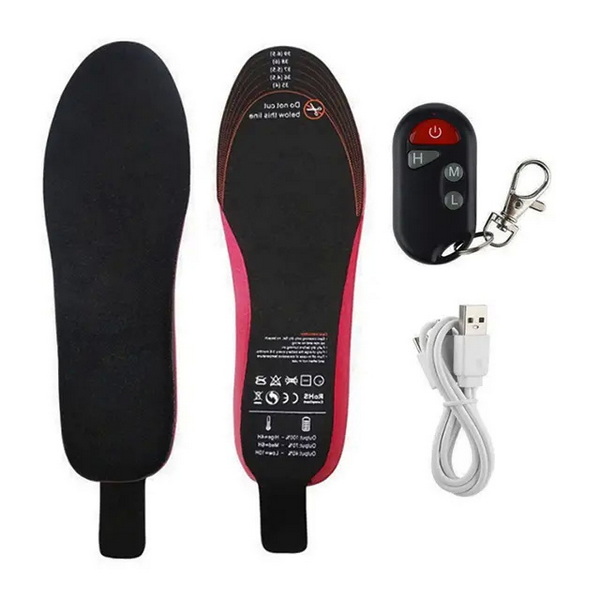
Cold exposure reduces foot temperature quickly and can make feet numb, stiff, and uncomfortable. That affects balance, reaction time, and concentration in the field.
For hunters, warm feet are not a luxury. They support better endurance, better comfort, and better decision-making when conditions are harsh.
Not every product labeled as a heated insole is suitable for hunting. The best options balance warmth, fit, runtime, and durability.
Look for insoles that deliver consistent heat across the foot, not just under the arch or heel. Even heat distribution is more comfortable during long sits.
Battery runtime matters more than many buyers expect. For hunting, choose a pair that can realistically last through your longest stand, blind session, or morning session on a medium setting.
A heated insole should not crowd your toes. A trim-to-fit design, low profile, and stable non-slip base help the insole stay secure inside hunting boots.
Wet ground, snow, and condensation are common in hunting environments. Water-resistant materials and sealed battery components are important for long-term reliability.
Adjustable heat settings are useful because your body temperature changes as you move, sit still, or layer clothing. A good control system lets you lower heat without taking off your boots.
The best option depends on how you hunt and how long you stay outside.
| Type | Best for | Main advantage | Main drawback |
|---|---|---|---|
| Rechargeable heated insoles | Long hunts, repeated use | Reusable and convenient | Needs charging |
| Single-use warmers | Emergency or occasional use | Simple and low effort | Not adjustable |
| App- or remote-controlled insoles | Hunters who want easy adjustment | Fast temperature control | More expensive |
| Thin-profile heated insoles | Tight boots or waders | Better fit | May offer less cushioning |
A hunter sitting still for hours needs a different solution than a hunter who hikes to a stand. The right decision starts with your hunting style.
If you mostly stay still, prioritize battery life and steady heat. If you move often, choose a lighter insole with a slimmer build so your boots still feel natural.
Budget also matters. Premium models usually offer better control, better materials, and better field convenience, while simpler products are better for occasional use.
For brands and wholesalers, heated insoles are not only a winter accessory. They are a technical product with quality expectations in battery safety, heating consistency, and durability.
A strong OEM product strategy should focus on:
- Stable heating output.
- Reliable battery protection.
- Low-profile construction.
- Comfortable top-layer materials.
- Clear sizing and trimming guidance.
- Simple charging and operation.
These factors improve customer satisfaction and lower returns.
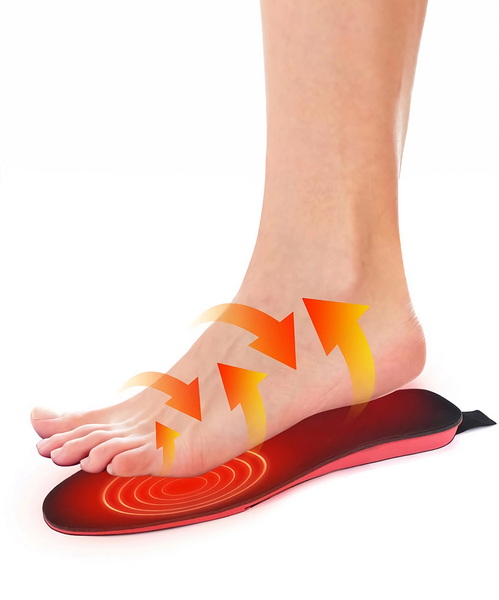
Good products work better when users follow a few simple habits.
1. Preheat before the hunt. Turn the insoles on before entering the field so your boots start warm.
2. Use the right heat level. Medium settings often provide the best balance of comfort and runtime.
3. Match them with insulated socks. Heated insoles work best as part of a complete cold-weather system.
4. Keep batteries warm. Cold batteries lose performance faster, so storage closer to the body can help.
5. Dry them after use. Moisture can shorten product life and reduce reliability.
Rechargeable heated insoles are popular because they reduce waste and support repeated use across multiple seasons. They also offer more predictable performance than disposable warmers.
For many hunters, that repeatability matters. Once a system fits well and lasts long enough, it becomes part of the core cold-weather setup.
Many buyers focus only on advertised heat level. That is a mistake.
Watch out for these problems:
- Overly thick insoles that make boots feel tight.
- Batteries that sound powerful but drain too quickly.
- Heat that is too concentrated in one area.
- Poor water resistance.
- Confusing controls that are hard to use in the field.
The best heated insoles for hunting should solve problems, not create new ones.
3BU Technology supports foreign brands, wholesalers, and manufacturers with OEM insole solutions designed for real market demand. For heated insole projects, the focus should be on practical performance, user comfort, and consistent production quality.
That includes material selection, battery integration, product testing, and branding support for export-focused customers. For buyers who need scalable supply and customized development, OEM capability matters as much as product design.
If your target customer is a hunter, the winning product is not just the warmest one. It is the one that combines comfort, runtime, fit, and reliable field performance.
For brands and distributors, this category has strong potential because it solves a real pain point in cold-weather hunting. For users, the best choice is the insole that matches their boots, their hunting schedule, and their temperature conditions.

Yes. Heated insoles help hunters stay warm, reduce discomfort, and maintain focus during long periods in cold weather.
Battery life depends on the model and heat setting. Many rechargeable heated insoles last several hours, while premium models may last through a full hunting session.
Most trim-to-fit models can fit many boot styles, but buyers should always check thickness and size compatibility before purchase.
For regular use, yes. Rechargeable models are more cost-effective over time and usually provide more control.
They can, if the design is too thick or poorly shaped. A low-profile fit is essential for hunting boots.
Battery life and fit are usually the two most important features because hunters often stay still for long periods in cold conditions.
1. [Best Heated Insoles for Hunting Keep Your Feet Warm and Comfortable]
2. [7 Best Heated Insoles For Hunting | Stop Shivering In The Blind]
3. [Best 5 Heated Insoles For Hunting: Stay Warm During Extended Outdoor Adventures]
4. [Heated Insoles Market Research Report 2035]
5. [Responses of the hands and feet to cold exposure - PubMed]
6. [Lithium Battery Safety Standards for Heated Insoles Manufacturers]


