
Views: 283 Author: 3BU Technology Publish Time: 2026-07-24 Origin: Site


Content Menu
● What Is Supination and Why Does It Matter for Runners?
● Why the Right Insole Matters
>> Breathable and Durable Materials
● Full-Length, 3/4-Length, or Custom Orthotic?
>> Step 1: Identify the runner profile
>> Step 2: Match support to foot shape
>> Step 3: Prioritize the main pain point
>> Step 4: Test in real running conditions
● Latest Market Insight for 2026
● Why 3BU Technology Can Support OEM Buyers
● FAQ
>> 1. What is the best type of insole for supination running?
>> 2. Do supination insoles need strong arch support?
>> 3. Can insoles fix supination completely?
>> 4. Are custom orthotics better than over-the-counter insoles?
>> 5. How long do running insoles usually last?
>> 6. Can I use the same insole in all my running shoes?
If you run on the outside edge of your foot, the right supination insoles for running can make a major difference in comfort, stability, and injury prevention. Supination, also called underpronation, places extra stress on the outer foot, ankles, knees, and hips, so choosing the right insole is not just about comfort — it is about protecting your stride.
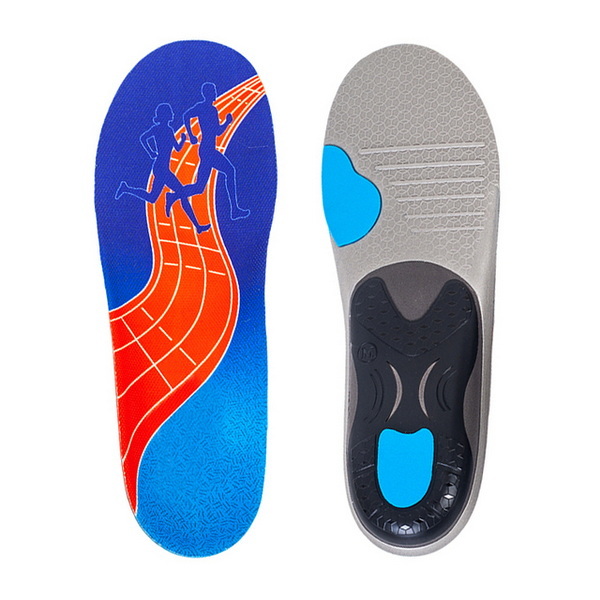
Supination happens when the foot rolls outward during the landing phase of running. In a normal running pattern, the foot absorbs impact and distributes pressure more evenly across the sole. With supination, that pressure stays too long on the outer edge, which can increase the risk of discomfort and overuse problems.
For runners, this often shows up as outer-foot pain, ankle instability, shin discomfort, or soreness in the knees and hips. High arches are commonly associated with underpronation, but foot shape alone does not tell the full story. Running shoes, mileage, terrain, and training load all affect how much stress your feet absorb.
A good supination insole should do more than add softness. It should help guide the foot toward a more neutral position while reducing the impact forces that travel up the legs. Recent expert guidance consistently highlights deep heel cups, lateral support, and controlled cushioning as the most important design features for supination relief.
This is especially important for runners who train often or cover longer distances. The wrong insole may feel comfortable for a few minutes, but it can collapse, shift, or fail to stabilize the heel during repeated impact. The right one works quietly in the background, supporting your stride without feeling bulky or restrictive.
When evaluating the best insoles for supination running, focus on the features that actually affect alignment and impact control.
A deep heel cup helps cradle the heel and reduce side-to-side movement inside the shoe. This improves rearfoot stability and can help keep the foot centered during each step. For runners, that means less wobble, more confidence on landing, and a better foundation for the rest of the body.
Supination happens on the outer side of the foot, so lateral support is essential. Insoles designed with supportive side structure help reduce excessive rolling and distribute pressure more evenly. This is one of the most overlooked but valuable details in an insole design.
Many people with supination have higher arches, but the goal is not to force the arch upward aggressively. Instead, the best insole offers balanced support that matches the shape of the foot and helps the arch work efficiently under load. Too much rigidity can create discomfort and make the problem worse.
Running creates repetitive impact, so cushioning matters. A well-designed insole should absorb shock without feeling unstable or mushy. Materials like EVA foam, layered cushioning systems, and responsive gels are commonly used to reduce stress on the heel and forefoot.
If you run frequently, durability matters as much as comfort. Breathable top covers reduce heat and moisture buildup, while durable base materials help the insole keep its shape over time. A product that flattens quickly will lose its value fast, especially for daily runners.
Not every runner needs the same format. The right style depends on your shoe type, level of supination, and comfort preference.
| Insole Type | Best For | Main Benefit |
|---|---|---|
| Full-length insole | Daily runners and most running shoes | Even support from heel to toe |
| 3/4-length insole | Runners who want more toe room | Less bulk, easier fit in snug shoes |
| Custom orthotic | Severe or persistent alignment issues | Personalized support based on foot shape |
Full-length designs usually work best for runners because they provide continuous contact and shock distribution. 3/4-length models can be useful if shoe space is limited. Custom orthotics are the most personalized option and may be appropriate when pain is chronic or linked to structural concerns.
Fit is one of the biggest reasons an insole succeeds or fails. Even a well-designed product will not help much if it slides, compresses the wrong area, or changes the internal volume of the shoe too much.
Follow this simple fitting process:
1. Remove the original sockliner from your running shoe.
2. Compare the length and shape of the new insole before trimming.
3. Make sure the heel sits fully into the heel cup.
4. Test the shoe while standing and walking first.
5. Run a short session before using it for a long workout.
A proper fit should feel stable, not cramped. If the shoe becomes too tight in the toe box or too high through the midfoot, consider a thinner model.
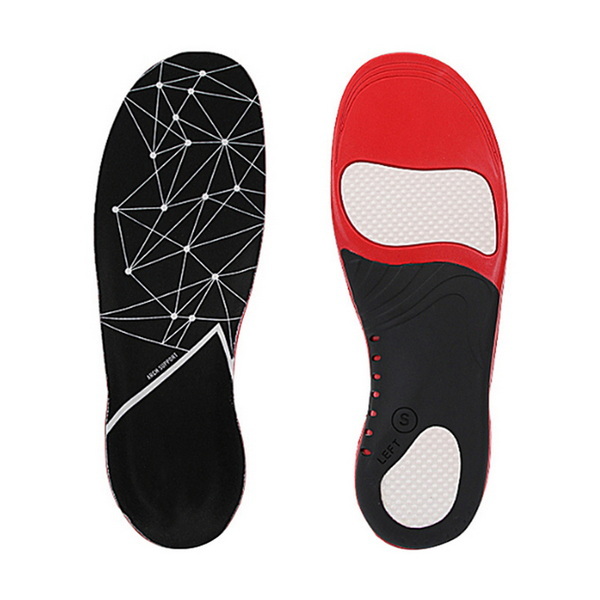
Many runners buy the wrong insole because they focus only on cushioning. Cushion alone will not correct outward rolling. The other common mistake is choosing a highly aggressive arch shape that feels supportive for the first minute but becomes painful after a few miles.
Avoid these errors:
- Choosing a soft foam insole with no heel structure.
- Using a pronation correction insole for a supination problem.
- Ignoring shoe compatibility.
- Skipping the break-in period.
- Replacing insoles only after they are visibly damaged, instead of when support has already faded.
If you are writing for buyers, retailers, or OEM customers, this framework helps explain how to choose a supination insole more clearly.
Determine whether the user is a casual runner, long-distance runner, or athlete with recurring pain. The level of support needed will differ.
High arches often need structured but not overly rigid support. Lower-volume feet may benefit from a slimmer profile and more precise heel control.
If the runner feels instability, choose heel stabilization. If the issue is outer-foot impact, add lateral support. If fatigue is the issue, focus on cushioning and rebound.
A product should be tested during a normal run, not just while standing. The real question is whether it improves comfort after repeated impact.
Recent 2026 product guidance across the insole category shows a clear trend: runners increasingly want a combination of support, cushioning, and fit customization rather than a one-feature solution. Brands are also emphasizing heel cradles, dynamic arch structures, and moldable materials that adapt to more foot shapes.
For OEM buyers and brands, this means the strongest product story is not "maximum arch support." It is smart alignment support with runner-friendly comfort, especially for long training sessions and everyday use.
For international brands, wholesalers, and manufacturers, the strongest supination insole programs are built around the right balance of design, material science, and fit. A good OEM partner should be able to customize arch profile, cushioning density, heel cup depth, top fabric, and packaging based on market positioning.
That is where 3BU Technology can add value. A product designed for running should be engineered for performance, but also for user comfort, branding flexibility, and repeat purchase potential. For export-focused buyers, this is the difference between a basic foot product and a market-ready running solution.
The best supination insoles for running are the ones that combine deep heel support, lateral stability, balanced arch control, breathable cushioning, and a reliable fit.
If your current insole only feels soft but does not control outward rolling, it is probably not doing enough.
For runners, the goal is simple: reduce impact, improve alignment, and stay comfortable longer. For brands and OEM buyers, the opportunity is even bigger: create an insole that solves a real problem and stands out in a competitive market.
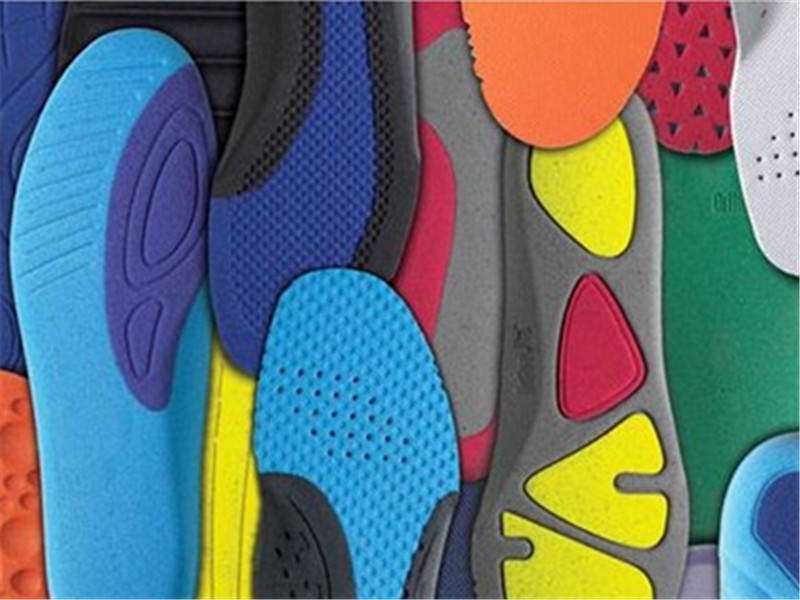
The best option is usually a full-length insole with a deep heel cup, lateral support, and balanced cushioning.
They need supportive arch structure, but not an overly rigid arch. The support should guide the foot without creating pressure points.
Insoles can help improve comfort and alignment, but they do not always fully correct the underlying gait pattern. Persistent pain should be evaluated by a foot care professional.
Custom orthotics can be better for severe or recurring issues because they are tailored to the foot. Over-the-counter insoles are often enough for mild to moderate support needs.
It depends on materials, mileage, and body weight, but runners should replace them when cushioning compresses or support starts to fade.
Usually yes, as long as the insole fits the shoe volume and shape. However, different shoes may require different thickness levels.
1. Original article: [How to Select the Best Supination Insoles for Running?]
2. SOLE: [The Best Insoles for Supination]
3. Superfeet: [Supination 101: Why the Right Insoles Matter for Your Foot Health]
4. PowerStep: [Supination & High Arch Insoles]
5. Aetrex: [Best Insoles for Supination and Plantar Fasciitis]
6. 3BU: [Best Orthotic Insoles for Supination]


