
Language
Views: 222 Author: Amanda Publish Time: 2025-09-09 Origin: Site


Content Menu
● Understanding High Arches and Achilles Tendon Health
● Why High Arch Inserts Are Beneficial for Achilles Tendon Health
● Types of Arch Inserts for High Arches and Achilles Support
>> 5. Over-the-Counter (OTC) Inserts
● How Arch Inserts Help Achilles Tendonitis
● Additional Benefits of Using Arch Inserts for High Arches
● How to Choose the Right Arch Insert
● How to Use Arch Inserts Effectively
● Complementary Therapies for Achilles Health
● FAQ
>> 1. What distinguishes high arch inserts from regular insoles?
>> 2. Can arch inserts alone cure Achilles tendonitis?
>> 3. How often should I replace my arch inserts?
>> 4. Are custom orthotics better than over-the-counter arch inserts?
>> 5. Can arch inserts help prevent ankle sprains related to high arches?
High arches, medically known as pes cavus, describe a foot condition where the arch is abnormally elevated compared to a typical foot. While some individuals with high arches experience no symptoms, many face challenges such as foot pain, instability, and increased strain on the Achilles tendon. The Achilles tendon, the thick band connecting calf muscles to the heel bone, plays a vital role in walking, running, and jumping. An excessively high arch can cause uneven weight distribution, leading to increased tension and potential injury to this tendon.
Because the foot acts as the foundation of the body, its structure influences the mechanical forces traveling through the leg. A high arch often causes the foot to be rigid, limiting its ability to absorb shock and increasing pressure on the heel and Achilles tendon. The result can be Achilles tendonitis—pain, inflammation, and sometimes degeneration of the tendon due to overuse and mechanical stress.

Arch inserts, also referred to as arch support insoles or orthotics, are specially designed shoe components designed to support the natural curve of the foot's arch. By positioning and cushioning the foot properly, arch inserts redistribute forces exerted on the foot, helping to stabilize and protect the Achilles tendon and other structures of the foot.
These inserts come in various materials such as gel, foam, EVA (ethylene vinyl acetate), and plastics, often designed to fit specific foot types. For those with high arches, the right arch insert provides semi-rigid support that cushions the heel and forefoot while maintaining arch integrity to correct foot posture and reduce tendon strain.
Achilles tendon pain associated with high arches stems from mechanical overloading. High arches cause the foot to be less flexible, limiting its natural shock absorption capabilities and increasing stress on the Achilles tendon. Wearing arch inserts designed for high arches can:
- Provide Structural Support: They maintain the arch's height and prevent abnormal foot movements that aggravate the Achilles tendon.
- Reduce Excessive Strain: By evenly distributing weight and shocks during impact, inserts reduce repetitive strain on the tendon.
- Improve Foot Alignment: Proper arch support aligns the foot and ankle, which helps reduce compensatory stress that might otherwise worsen Achilles discomfort.
- Cushion the Heel: Inserts often include heel cups or padding that absorb impact forces, easing pressure at the tendon's insertion point.
- Promote Healing: Reducing strain allows the tendon to recover and decreases the risk of chronic tendonitis or rupture.
These benefits make high arch inserts an integral part of managing Achilles-related foot pain.
Choosing the ideal arch insert depends on individual needs, activity levels, and the severity of Achilles symptoms. Here are the primary types suitable for high arches:
These are constructed from firm materials like plastic or EVA foam that maintain arch height while allowing some flexibility. They provide stability and help prevent excessive foot motion, reducing tendon overload.
Made from gel or memory foam, cushioned inserts provide extra shock absorption. These are especially useful for those with sensitive feet or who spend significant time on hard surfaces, alleviating heel pain and Achilles impact stress.
Some inserts elevate the heel to reduce the tension on the Achilles tendon by shortening its effective length during walking or standing. Heel cups also cradle the heel, improving comfort and controlling movement of the heel bone.
Custom-made orthotics, designed after professional foot assessment, offer precise correction tailored to the unique shape and biomechanics of the foot. They are highly effective in severe Achilles tendonitis or extreme high arches.
While more generic, quality OTC arch inserts designed for high arches can provide adequate support and pain relief for mild to moderate symptoms and serve as an accessible option for many users.
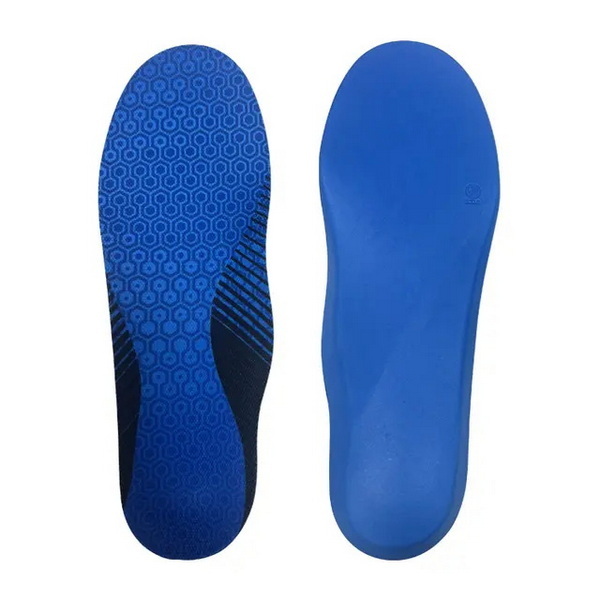
Achilles tendonitis, inflammation and degeneration of the tendon, is often exacerbated by poor foot mechanics caused by high arches. Arch inserts help tackle Achilles tendonitis by:
- Biomechanical Correction: Correcting foot alignment reduces abnormal pronation or supination, which lessens tendon overloading.
- Load Distribution: Inserts ensure the plantar pressure is well distributed, minimizing peak stresses near the heel where the tendon inserts.
- Shock Absorption: High arch inserts with cushioning attenuate ground reaction forces, protecting the tendon from impact damage.
- Facilitating Recovery: By controlling tendon's mechanical environment, inserts support rehabilitation exercises and reduce re-injury risk.
Clinical evidence supports the use of orthotic arch inserts as part of a comprehensive Achilles tendonitis treatment plan combined with rest, physical therapy, and eccentric strengthening exercises.
Beyond Achilles relief, arch inserts offer broader advantages including:
- Improved Balance and Stability: Supporting the arch prevents ankle rolling and reduces the chance of sprains common with high arches.
- Pain Relief in Other Areas: Proper foot mechanics decrease stress transmitted to the knees, hips, and lower back.
- Enhanced Athletic Performance: Better foot support leads to more efficient force transfer during running and jumping activities.
- Prevention of Foot Problems: Arch inserts can help prevent other common foot conditions triggered by high arches, such as plantar fasciitis and metatarsalgia.
Selecting the best arch insert involves:
- Assessing Your Foot Type: High arches require inserts made for elevated support and cushioning.
- Material and Support Level: Semi-rigid to rigid inserts for stability combined with cushioning to absorb shock.
- Compatibility with Footwear: Inserts should fit comfortably in your shoes without causing tightness.
- Consulting Health Professionals: Podiatrists or physical therapists can recommend customized inserts or suitable OTC products.
- Trial and Adjustment: Start wearing inserts gradually and monitor changes in symptoms and comfort.
- Wear them consistently in all footwear types used daily.
- Combine with Achilles stretching and strengthening exercises.
- Gradually increase usage time to allow for foot adaptation.
- Replace inserts when cushioning or support worsens.
- Seek ongoing professional advice for persistent pain or injury.
Arch inserts are most effective when paired with:
- Eccentric Achilles Exercises: Slow lengthening exercises to promote tendon healing.
- Physical Therapy: Manual therapy and guided rehab to regain mobility and strength.
- Proper Footwear: Shoes offering good overall support to complement inserts.
- Modifications in Activity: Reducing high-impact activities temporarily to allow healing.
Such an integrative approach ensures optimal outcomes for Achilles tendon health.
In summary, high arch inserts are highly beneficial for managing Achilles tendon pain associated with high arches. They provide essential support, correct foot alignment, and reduce mechanical strain on the tendon, facilitating pain relief and promoting healing. Selecting the appropriate type of arch insert—whether cushioned, semi-rigid, or custom orthotics—is critical to addressing individual needs. Combined with physical therapy and proper footwear, arch inserts form a cornerstone of effective Achilles tendon management, preventing injury progression and supporting long-term foot health.

High arch inserts are specifically designed to support the elevated structure of high-arched feet, offering firmer arch support and cushioning. Regular insoles often lack the necessary arch contour and support strength for high arches.
No. Arch inserts reduce tendon strain and aid symptom relief but should be combined with exercises, physical therapy, and rest for comprehensive treatment.
Typically, arch inserts need replacement every 6 to 12 months or once they lose structural integrity or cushioning to ensure consistent support.
Custom orthotics provide tailored correction and maximum support, generally outperforming generic inserts, especially in severe conditions.
Yes. By improving foot stability and controlling abnormal foot motion, arch inserts reduce the risk of ankle sprains common with high arches.
[1](https://www.modpodpodiatry.com.au/the-complete-guide-to-arch-support-shoe-inserts/)
[2](https://sems-journal.ch/14973)
[3](https://entirepodiatry.com.au/orthotics/the-definitive-guide-to-orthotics/)
[4](https://www.shoeinsoles.co.uk/insoles-for-achilles-tendinitis.html)
[5](https://millburnpodiatry.com/services/orthotics-and-podiatry-a-comprehensive-guide-to-custom-insoles-for-foot-health/)
[6](https://www.footcentregroup.com.au/guide-to-orthotics/)
[7](https://www.upstep.com/a/blog/choosing-the-right-orthotic-insoles-for-your-feet)
[8](https://wetreatfeetpodiatry.com/how-orthotics-can-alleviate-heel-pain-a-comprehensive-guide)
[9](https://www.clickphysiotherapy.com.au/orthotics-for-achilles-tendonitis/)


