
Views: 222 Author: Edvo Publish Time: 2025-11-06 Origin: Site


Content Menu
● What Are Memory Foam Insoles?
● How Do Memory Foam Insoles Function?
● Benefits of Memory Foam Insoles for Runners
>> Personalized Cushioning and Shock Absorption
● Specialized Comfort Applications
>> Plantar Fasciitis Management
>> Arthritis and Orthotic Support
● Drawbacks of Memory Foam Insoles for Runners
>> Lack of Stability and Support
>> Heat Retention and Moisture Issues
>> Risk of Worsening Existing Conditions
● Memory Foam vs. Alternative Insole Materials
● Ideal Use Cases for Memory Foam Insoles
● When Memory Foam Insoles Are Not Recommended
● Tips for Selecting and Using Memory Foam Insoles
● Advanced Insights: The Science Behind Insoles
● FAQs
>> 1. Are Memory Foam Insoles Good for Long-Distance Running?
>> 2. Can Memory Foam Insoles Prevent Running Injuries?
>> 3. How Often Should Memory Foam Insoles Be Replaced?
>> 4. Do Memory Foam Insoles Help With Heel Pain or Plantar Fasciitis?
>> 5. What Is the Best Alternative to Memory Foam Insoles for Running?
Memory foam insoles have become a preferred choice for many seeking comfort and personalized foot support in their footwear. Originally developed by NASA, memory foam's unique ability to conform to the shape of your foot provides a tailored cushion with each step. In recent years, runners and athletes have become curious about whether these soft insoles are truly beneficial for running, which is a high-impact and biomechanically demanding activity. This expanded article dives deeper into the true value of memory foam insoles for runners, combining foundational knowledge and advanced practical insights into one comprehensive guide.
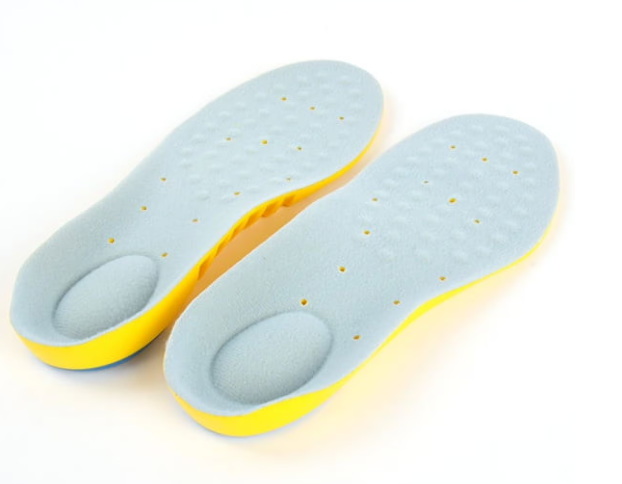
Memory foam consists primarily of polyurethane, engineered to respond to heat and pressure. When used as an insole, it perfectly adapts to the contours of each individual's foot, creating a customized and gentle cushion.
- It instantly takes on the unique shape of your sole every time you slip on your shoes.
- Unlike rigid insoles, memory foam provides a plush feeling and relieves pressure areas.
- These properties make memory foam insoles a staple in many lifestyle, fitness, and casual shoe models.
The essential function of memory foam insoles is to cushion and redistribute ground impact across the entire foot. As the foam compresses under pressure, it absorbs force that would otherwise be directed into bones, joints, and soft tissues.
- The foam compresses, cradling the heel and metatarsal region during running.
- Over time, the insole remembers your foot's specific pressure points, offering a bespoke comfort experience.
- This adaptive quality means even feet with minor irregularities receive attention and relief.
Runners encounter repeated impact forces with every stride. Memory foam is celebrated for its capability to absorb these shocks. Each step is cushioned, which can alleviate pressure on sensitive areas, such as the heel and the forefoot.
- The insole offers a soft landing, helping to minimize the jarring effect that often leads to discomfort after long runs.
- This can make running more enjoyable, especially for hobbyist runners and those in recovery periods.
By absorbing energy, memory foam insoles may also help reduce overall foot fatigue, allowing runners to be on their feet longer without experiencing soreness. The softness and springiness can make everyday jogs, warm-ups, and recovery walks more comfortable.
For runners who experience foot pain, whether from pre-existing conditions such as plantar fasciitis, arthritis, or metatarsalgia, the insole's design contributes to even pressure distribution. By redistributing force, memory foam insoles can help alleviate hot spots and reduce the likelihood of developing blisters.
The materials used for memory foam insoles are often lightweight, reducing overall shoe weight. This aspect makes them ideal for casual runs and for people standing for extended periods.
For individuals with diabetes, proper foot care is crucial. Memory foam's pressure-relieving properties help reduce stress on areas susceptible to ulcers, improving circulation and contributing to healthier feet.
Patients with plantar fasciitis may find immediate comfort from the cushioning memory foam provides, offering some pain relief even if not addressing the root biomechanical cause.
People with arthritis, bony protrusions, or other structural issues benefit from the soft protection offered by memory foam. Insoles can also be customized for specific orthotic needs, supporting foot recovery after surgery or injury.
Despite these benefits, memory foam insoles are not universally ideal for runners. Several significant drawbacks should be accounted for when considering them.
Memory foam's signature softness comes at the cost of structural support. For runners, especially those logging many miles or performing speed work, this lack of support can cause the foot to move excessively in the shoe.
- The absence of firm arch support can lead to poor foot alignment, increasing the risk of injury.
- Those who overpronate or have high arches may not get the stability required from memory foam alone.
Compared to more robust insole materials, memory foam compresses rapidly under repeated stress.
- Regular runners may find their insoles lose cushioning much faster than alternatives, requiring frequent replacements.
In high-intensity activities, memory foam insoles do not efficiently transfer energy from the foot to the ground. This inefficiency can translate to a loss of speed, power, and proper running form for competitive athletes.
- The foam's compression may also contribute to increased plantar pressures over time, resulting in discomfort.
Because of its dense nature, memory foam is prone to retaining heat and moisture. This can make the feet sweatier and contribute to blisters if the insoles do not fit perfectly or if used for prolonged runs.
By molding to your feet, memory foam may reinforce irregularities or poor posture, especially for runners with existing gait issues, bunions, or chronic pain points.

Understanding how memory foam compares to other popular insole types can guide informed decision-making.
| Insole Type | Cushioning | Support & Stability | Durability | Breathability |
|------------------|-------------------|---------------------|-------------|-----------------|
| Memory Foam | Very high | Low | Low | Low |
| Gel | High | Moderate | Moderate | High |
| EVA Foam | Moderate to high | High | High | High |
| Cork/Bamboo | Moderate | High | Moderate | High |
Gel and EVA foam-based insoles are engineered for stability and springiness, with EVA offering better long-term structure. Cork and bamboo insoles are naturally breathable and supportive, ideal for extended wear.
Memory foam insoles are best for:
- Casual runners, walkers, and those in recovery from injury.
- Individuals most concerned with comfort over performance.
- Those with sensitive feet requiring pain relief from everyday activities.
- Occasional athletic pursuits, low-impact sports, and light training sessions.
Avoid using memory foam insoles in the following scenarios:
- Intensive running, speed work, and competitive sports requiring maximal support.
- If there is a need for biomechanical correction (overpronation or supination).
- For users who must maintain precise foot alignment and stability for safety or performance.
- Environments or activities where durability and resilience against compression matter most.
- Match the insole's thickness to your shoe type, ensuring enough room for comfortable wear.
- Look for hybrid products that blend memory foam with firmer supporting layers for added stability.
- Switch between memory foam and more supportive insoles depending on activity intensity and duration.
- Use moisture-wicking, technical socks to counteract heat retention and minimize the risks of hotspots or blisters.
- Regularly check insoles for compression and replace at the first signs of significant wear.
Researchers have found that memory foam insoles can reduce the peak forces on the foot, which helps in lowering fatigue and discomfort. However, their role in actual injury prevention for runners is less clear, as proper support and alignment require firmer materials and targeted designs beyond just cushioning.
Correctly designed insoles work in synergy with shoe construction, foot anatomy, and movement dynamics, helping to promote efficient energy use during running. Runners looking for speed, precision, or rehabilitation after injury may need to prioritize function above comfort and opt for insoles with engineered support.
Memory foam insoles provide outstanding softness and a custom fit, making them a favorite for everyday wear and short-distance exercise. Their benefits include superior comfort, relief from minor pain, and fatigue reduction—features that appeal to casual runners, walkers, and those in recovery. Yet, they may fall short in support, durability, and biomechanical correction, making them less suitable for high-intensity or competitive running. For the best running experience, serious athletes should consider insoles made from EVA, gel, or hybrid designs that combine cushioning with structured support.
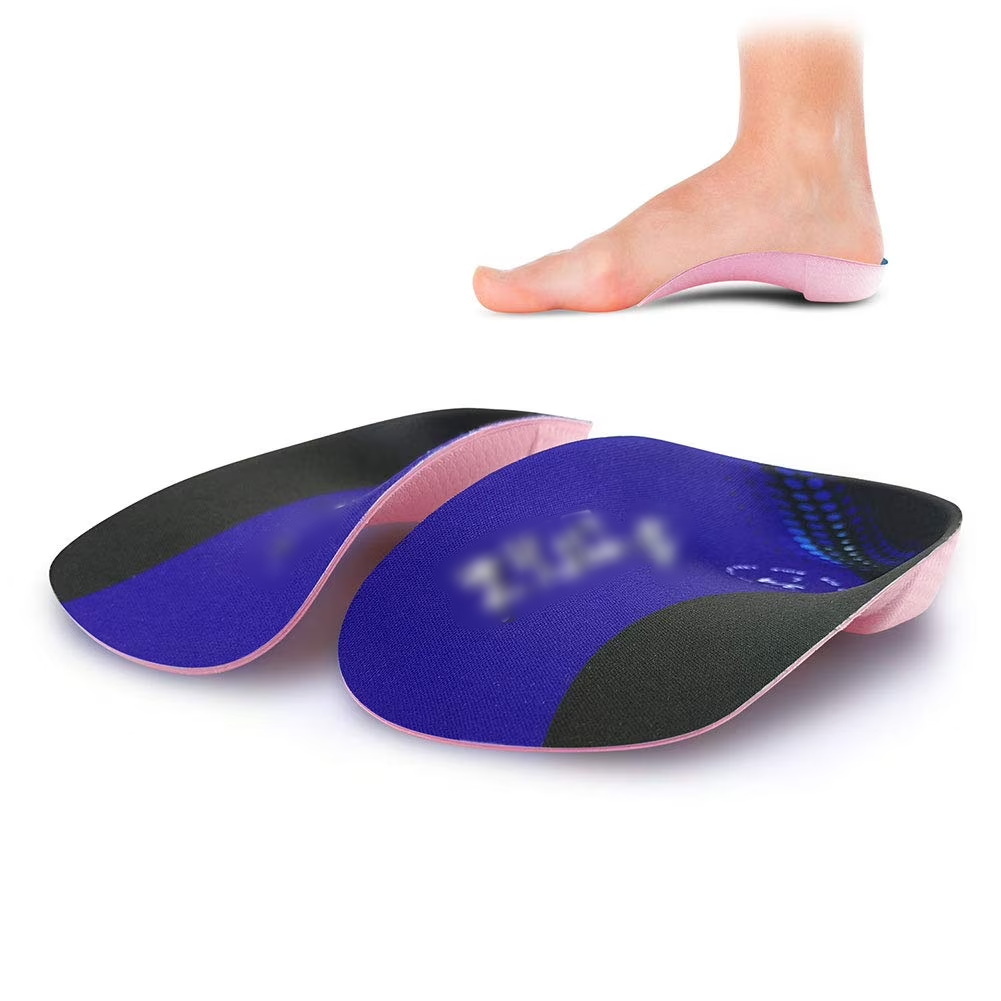
Memory foam insoles compress quickly and offer limited support, so they are not ideal for long-distance running where durability and alignment matter most.
While they cushion pressure points and absorb shock, they do not provide corrective support and therefore are limited in their injury prevention role.
Memory foam insoles should typically be replaced every few months if used for regular running. Signs of flattening or lost cushioning are indicators for replacement.
They may relieve heel pain temporarily by providing cushioning, but long-term improvement for plantar fasciitis requires insoles with firmer arch support.
EVA foam and gel-based insoles offer better stability, longevity, and breathability, making them popular among performance-focused runners.


