
Views: 222 Author: 3BU Technology Publish Time: 2026-05-06 Origin: Site


Premium insoles are absolutely worth the price for many people—but only when you choose the right material, support level, and manufacturer behind them. For brands, wholesalers, and shoe factories, understanding the true cost‑versus‑benefit of premium insoles is also the key to building profitable, low‑return product lines. [alineinsoles]
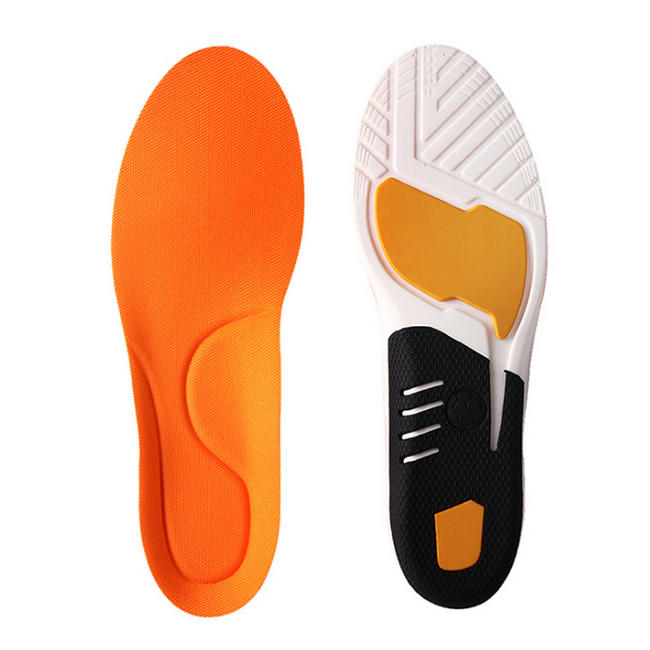
Premium insoles are not just "thicker cushions." They are engineered foot support systems designed to improve alignment, reduce pain, and extend the life of both shoes and joints. [foxnews]
Typical features of modern premium insoles include: [outdoorgearlab]
- Multi‑layer foams (EVA, PU, proprietary blends) tuned for shock absorption and rebound
- Deep heel cups to cradle the heel and control motion
- Anatomical arch support to guide the foot into healthier movement
- Moisture‑wicking fabrics to manage sweat and odor
- Optional heat‑moldable or wear‑moldable structures that adapt to the user's foot shape over time
From an OEM and manufacturing perspective, premium insoles integrate these features into repeatable, scalable designs that can be customized for brand partners without sacrificing performance. [aideastep]
Most stock or low‑end insoles focus on softness at first try‑on, not on long‑term performance. They feel comfortable for a few days or weeks, but quickly pack out and stop supporting the foot. [alineinsoles]
Common issues with low‑quality insoles include: [outdoorgearlab]
- Rapid compression of low‑density foam, losing cushioning after a short period
- Little or no arch structure, so the foot collapses inward (over‑pronation)
- Thin, flat profiles that do not control heel motion or ankle alignment
- Poor durability, leading to frequent replacements and inconsistent comfort
For active users—runners, warehouse workers, nurses, or anyone on their feet all day—this lack of support can translate into plantar fasciitis, knee pain, hip tightness, and back fatigue. [foxnews]
Premium insoles typically cost more upfront, but their functional lifespan is usually 2–4 times longer than basic insoles. [alineinsoles]
- Basic foam insoles often last only a few months before compressing.
- Quality premium insoles are designed to remain supportive for a year or more of regular use. [foxnews]
For end users, that means the cost per month of comfort and support is often lower with premium insoles, even though the initial price is higher. For brands and wholesalers, fewer returns and fewer complaints also translate into lower after‑sales costs. [intelmarketresearch]
Premium insoles can provide measurable benefits: [walkfulton]
- Reduced foot pain (e.g., plantar fasciitis, heel pain, arch soreness)
- Improved alignment, which can ease stress on knees, hips, and lower back
- Better energy transfer and stability for sports and daily activities
- Enhanced workplace productivity for workers who stand or walk for long hours
These benefits are especially important in a global foot orthotics and insole market that continues to grow as consumers prioritize comfort and wellness. [theinsightpartners]
Beyond direct comfort, premium insoles help users avoid downstream costs: [achillesfootandankle]
- Fewer medical visits related to chronic foot pain
- Lower risk of injury caused by poor footwear support
- Extended shoe life by improving fit and load distribution
Custom orthotics are highly tailored medical devices, whereas premium insoles are engineered off‑the‑shelf solutions designed for mass markets. [achillesfootandankle]
Option | Typical Use Case | Cost Range (Retail) | Customization Level | Key Benefits |
|---|---|---|---|---|
Basic Insoles | Short‑term comfort | Low | Very low | Soft feel on day one, minimal structural support alineinsoles |
Premium Insoles | Daily comfort & performance | Moderate | Medium (size, shape, sometimes heat‑molding) alineinsoles | Balanced Support & cushioning, better durability, fits most foot types |
Custom Orthotics | Medical conditions, unique anatomy | High | Very high | Physician‑guided correction for complex biomechanical issues achillesfootandankle |
For many people—especially those without severe deformities—well‑designed premium insoles deliver most of the benefits of custom orthotics at a fraction of the price. This is a key value story brands can tell when partnering with an experienced OEM insole manufacturer. [achillesfootandankle]
Reviews across multiple insole brands consistently highlight a few recurring themes: [walkfulton]
Users love insoles that:
- Provide noticeable pain relief within days
- Maintain their shape and cushioning for months of heavy use
- Fit easily into everyday shoes without feeling bulky
- Stay secure in the shoe without sliding
Users complain when insoles:
- Flatten quickly or feel "dead" after a short period
- Are too stiff or too soft, causing hot spots
- Have weak arch support that doesn't match the foot
- Develop odor or delaminate under sweat and heat
For OEM buyers, these insights point to critical design and material choices: stable mid‑density foams, secure heel cups, durable top cloths, and sizing that works across global shoe lasts. [foam-well]
Modern premium insoles use multi‑density foam systems and sometimes proprietary materials to balance cushioning and stability. [foam-well]
Typical constructions include:
- High‑rebound EVA or PU in the forefoot for shock absorption
- Denser support foam or a semi‑rigid shell under the arch for structure
- Gel pads in the heel or forefoot for targeted pressure relief
- Eco‑friendly or recycled foams in response to sustainability demands [theinsightpartners]
An experienced factory can tune foam hardness (shore A), thickness, and geometry to match brand‑specific positioning: from ultra‑soft comfort to firm performance support. [aideastep]
The geometry of the insole is just as important as the materials: [outdoorgearlab]
- A deep heel cup improves stability and helps control excessive pronation.
- A contoured arch supports the medial arch without creating a sharp pressure point.
- A smooth forefoot rollout promotes natural gait and toe‑off.
Different markets may prefer slightly different profiles—flatter for casual shoes, more aggressive for performance footwear—something OEM partners can calibrate by region and channel.
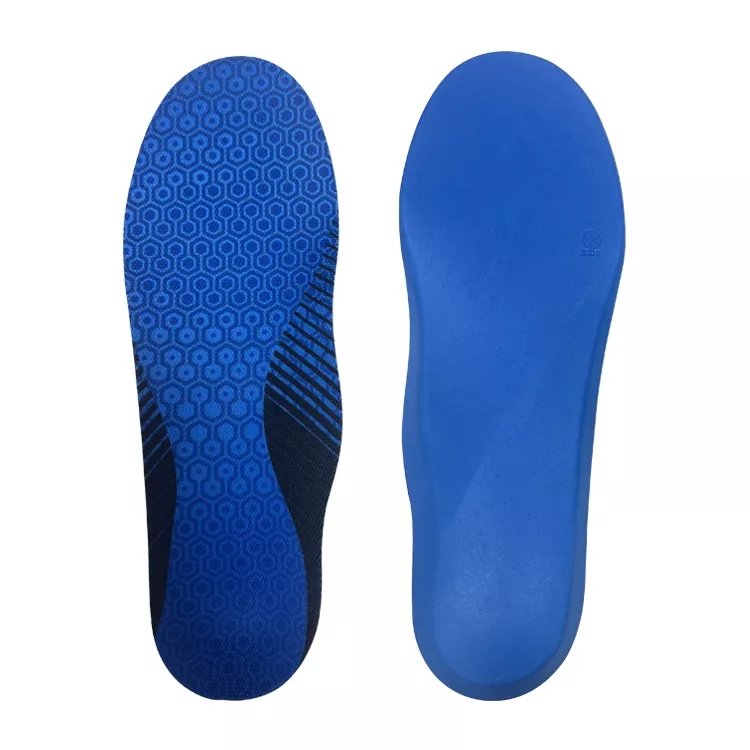
Premium insoles should also solve every‑day comfort problems: [alineinsoles]
- Perforated designs for ventilation
- Moisture‑wicking fabrics for sweat management
- Antimicrobial or odor‑control treatments for long‑term freshness
From years of industry data and user feedback, some scenarios consistently show the highest return on investment for premium insoles. [intelmarketresearch]
1. All‑day standing occupations
- Examples: Warehouse staff, nurses, retail workers, factory operators.
- Benefits: Less end‑of‑day foot fatigue, reduced absenteeism from foot‑related pain.
2. Active lifestyles and sports
- Examples: Runners, hikers, team sport athletes, gym users.
- Benefits: Better shock absorption, improved stability, lower risk of overuse injuries.
3. Early‑stage foot discomfort
- Examples: Mild plantar fasciitis, flat feet with fatigue, early arthritis.
- Benefits: Supportive alignment before issues become chronic, potentially delaying the need for custom orthotics. [walkfulton]
4. Footwear upgrades
- Examples: Mid‑range sneakers or work boots that lack high‑end insoles.
- Benefits: Transforming acceptable shoes into genuinely comfortable, performance‑ready footwear.
For brands, wholesalers, and shoe factories, the value of premium insoles also depends on the capabilities of the OEM partner behind them. [aideastep]
Key questions to ask include: [foam-well]
1. What is your annual capacity and lead time stability?
- Ensures the factory can support long‑term programs and seasonal peaks.
2. What certifications and quality systems do you hold?
- Look for ISO‑level quality management and social responsibility certifications where required.
3. Can you support OEM/ODM development, including tooling and sampling?
- Critical for brands that need unique shapes, profiles, or proprietary designs.
4. Which material suppliers do you work with, and how do you test durability?
- Indicates whether the manufacturer can back performance claims with real lab data.
5. Do you offer eco‑friendly or recycled material options?
- Increasingly important for global retailers and sustainability‑driven consumers. [theinsightpartners]
An experienced insole manufacturer in China with strong R&D, advanced foaming technologies, and large‑scale OEM experience can help partners position their products accurately—from value‑driven comfort lines to high‑end performance or medical‑adjacent insoles. [aideastep]
Whether you are a consumer choosing a pair off the shelf, or a brand choosing an OEM partner, use this practical framework: [outdoorgearlab]
1. Define the primary use
- Daily walking, running, heavy work, sports, or targeted pain relief.
2. Match the arch profile
- Low, neutral, or high arch; avoid forcing a mismatch just for more "support."
3. Check heel and forefoot cushioning
- Enough cushioning for your activity, but not so soft that stability is lost.
4. Assess durability and materials
- Multi‑layer construction, solid heel cup, quality top cloth, and reputable foam systems.
5. Evaluate comfort after a few days, not minutes
- Premium insoles should feel better over time as your body adapts and the foam settles.
For product managers and sourcing teams, this same checklist can be embedded into your development brief to ensure that the factory designs around real user needs, not just price targets.
In most real‑world scenarios, yes—premium insoles are worth the price. For the majority of active users and working professionals, they offer a powerful mix of: [intelmarketresearch]
- Better alignment and pain relief than stock insoles
- Longer lifespan than cheap inserts, lowering monthly cost
- Higher comfort and performance, which users feel every single day
For brands, wholesalers, and shoe manufacturers, partnering with a high‑capability OEM insole factory unlocks a strong value proposition, reduces return rates, and supports premium pricing within your footwear or accessory lineup. By combining engineered materials, smart geometry, and proven user feedback, premium insoles become a small upgrade that delivers a big impact on long‑term comfort and health. [foam-well]
Looking to develop your own premium insole line or upgrade the comfort of your existing footwear collection? Contact our team today to discuss OEM insole solutions tailored to your brand, market, and customers.

1. Do premium insoles really help with plantar fasciitis?
For many users with mild to moderate plantar fasciitis, premium insoles that combine a deep heel cup, firm arch support, and shock‑absorbing foams can significantly reduce heel pain during walking and standing. Severe or persistent cases should be evaluated by a medical professional, who may recommend custom orthotics or additional treatment. [achillesfootandankle]
2. How long should a premium insole last?
With daily use, well‑constructed premium insoles typically last around 9–12 months before showing major signs of compression or structural fatigue. Very high‑impact sports or heavy industrial work may shorten this timeframe, while light casual use may extend it. [alineinsoles]
3. Are premium insoles a replacement for custom orthotics?
Not always. For people with complex biomechanical issues, severe deformities, or specific medical conditions, custom orthotics prescribed by a clinician may still be necessary. For many others, premium insoles offer a more accessible, lower‑cost way to improve support and comfort. [achillesfootandankle]
4. Can I move premium insoles between different shoes?
Yes, most premium insoles are designed to be transferable between compatible shoes, as long as the footwear has enough internal volume to accommodate the added structure and cushioning. Users should trim only along the recommended guidelines to maintain support in the toe area. [outdoorgearlab]
5. What features should brands prioritize when developing a premium insole line?
Brands should focus on a stable heel cup, anatomically appropriate arch support, multi‑density foam construction, moisture‑wicking top fabrics, and durability proven through laboratory compression and fatigue testing. Working with an experienced OEM manufacturer helps translate these requirements into consistent, scalable products. [foxnews]
1. Aline Insoles. "Are Premium Insoles Worth the Price? A Cost vs. Benefit Analysis." [Link]. [alineinsoles]
2. Outdoor Gear Lab. "The Best Insoles | Tested & Ranked." [Link]. [outdoorgearlab]
3. Fox News. "Expert‑recommended insoles for runners, nurses and people with foot pain." [Link]. [foxnews]
4. Walk Fulton. "Best Insoles for Foot Arthritis: Cushioning, Support, and Everyday Comfort." [Link]. [walkfulton]
5. Intel Market Research. "Foot Orthotics Insoles Market Outlook 2026–2034." [Link]. [intelmarketresearch]
6. The Insight Partners. "Casual and Sports Insoles Market – Global Analysis." [Link]. [theinsightpartners]
7. Foamwell. "Top 10 Support Insole Manufacturers in China." [Link]. [foam-well]
8. Ideastep / Xiamen KON Technology. "China Shoe Insole Manufacturer." [Link]. [aideastep]
9. Achilles Foot & Ankle Center. "Custom Shoe Inserts: Benefits & Costs." [Link]. [achillesfootandankle]


