
Language
Views: 222 Author: 3BU Technology Publish Time: 2026-06-20 Origin: Site


Content Menu
● Why Work Boot Insoles Matter More Than You Think
● What Makes the Best Insoles for Work Boots?
● Understanding Different Types of Work Boot Insoles
>> Supportive orthotic insoles
>> Custom and semi‑custom insoles
● Foam and Material Technologies That Actually Work
>> Common insole foams and features
● How to Choose the Best Insoles for Your Work Boots (Step‑by‑Step)
>> Step 1: Identify your main pain points
>> Step 2: Match insole profile to boot volume
>> Step 3: Choose support level and material
>> Step 4: Trim and fit (if needed)
>> Step 5: Test over a full shift
● Real‑World Feedback: What Workers Actually Complain About
● New Trends in Work Boot Insole Technology (2026 and Beyond)
>> Digitalized, rapid custom production
>> Materials that mimic human soft tissue
>> Enterprise and safety program integration
● How an OEM Manufacturer Designs Better Work Boot Insoles
● Buying Checklist: Best Insoles for Work Boots
● When to Replace Your Work Boot Insoles
● Work Boot Insoles: Quick Recommendation Matrix
● Partner with an OEM Expert for Your Insole Line
● Call to Action: Build a Better Work Boot Insole Program
● Frequently Asked Questions (FAQ)
If you spend 8–12 hours a day in safety boots, the right work boot insoles can be the difference between finishing your shift strong and limping to your car. As an OEM insole manufacturer serving global brands, I've seen how small changes in insole design dramatically reduce fatigue, heel pain, and even downtime from overuse injuries on the job. [protalus]
In this guide, you'll learn exactly how to choose the best insoles for work boots, which materials actually last in demanding environments, and how professional OEM design can help you build a better private‑label insole product line.
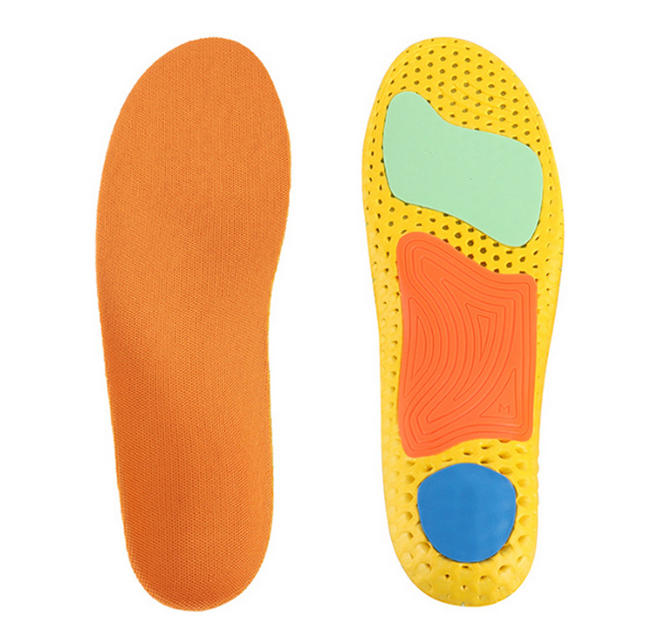
The best insoles for work boots share four core characteristics: fit, support, durability, and moisture control. When these elements work together, they improve alignment, reduce joint stress, and keep your feet fresher—even in steel toe boots and heavy-duty safety footwear. [insiteinsoles]
Key performance pillars to look for:
- Anatomical fit: Heel cup, arch contour, and forefoot width that match the worker's foot and boot volume. [ergonx.com]
- Support over softness: Enough structure to keep the foot aligned, not just soft foam that flattens in weeks. [protalus]
- Shock absorption: Layers that disperse impact through the heel and forefoot on concrete, ladders, and uneven ground. [insiteinsoles]
- Breathability and moisture control: Open‑cell foams, perforations, and moisture‑wicking top fabrics to fight sweat and odor. [soletec.com]
When you evaluate or design insoles around these pillars, you improve both worker comfort and product reputation.
Different jobs and feet need different technologies. Below are the most common insole types you'll see in the market and in OEM catalogs. [ergonx.com]
These insoles focus on soft underfoot feel and basic shock absorption. They are usually made from EVA or open‑cell polyurethane foams and are ideal for workers who want immediate comfort with mild to moderate support needs. [soletec.com]
Best for:
- New boots with very hard outsoles
- Light‑duty standing tasks
- Users without significant foot conditions
Orthotic insoles are designed to correct or support biomechanical issues, especially overpronation (feet rolling inward) or high arches. They feature defined arch support, deep heel cups, and strategically placed cushioning zones under the heel and metatarsal heads. [insiteinsoles]
Best for:
- Construction and trades with long hours on hard surfaces
- Workers with plantar fasciitis or chronic heel pain
- Users complaining about knee, hip, or lower back discomfort
Traditional custom orthotics require foot scans, casting, and lab production, but newer technologies are significantly cutting production time. Modern 3D scanning and adjustable molds can create personalized insoles in around 30 minutes, making custom‑like solutions more accessible for industrial and retail programs. [createitreal]
Best for:
- Corporate programs targeting injury reduction
- High‑risk workers with persistent pain
- Premium private‑label or professional lines
Not all foam is created equal. The material mix inside an insole largely determines how it performs after hundreds of hours in work boots. From an OEM engineering perspective, the most effective work boot insoles usually combine several layers rather than relying on a single material. [marionparke]
| Material type | Key benefits for work boots | Typical use cases |
|---|---|---|
| Poured PU foam | High durability, strong shock absorption, resists bottoming out over time. (insiteinsoles) | Heavy construction, logistics, warehouse workers. (insiteinsoles) |
| EVA foam | Lightweight, responsive cushioning, cost‑effective. (insiteinsoles) | Mid‑range comfort insoles, OEM general-purpose products. (insiteinsoles) |
| Open‑cell PU foam | Breathable, moisture‑regulating, softer underfoot feel. (insiteinsoles) | In hot or humid work environments, outdoor workers. (insiteinsoles) |
| Advanced comfort compounds | More "skin‑like" behavior, contouring to the foot over time for a custom feel. (marionparke) | Premium or flagship lines where long‑term comfort is critical. (marionparke) |
Good work boot insoles often layer a firmer base foam with softer top layers, adding targeted pads under the heel and forefoot for high‑impact zones. [ergonx.com]
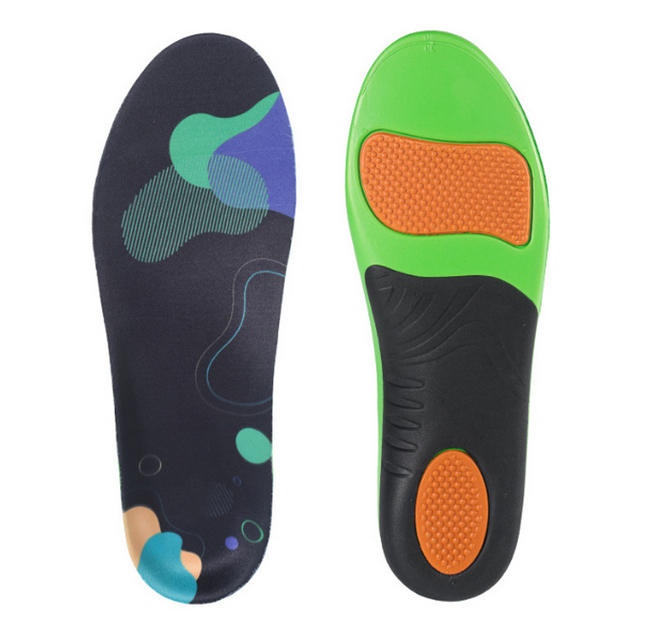
To make this truly practical, here is a simple, repeatable process workers and buyers can follow when selecting insoles for work boots. [protalus]
Ask yourself:
- Do you feel sharp heel pain when you first stand up?
- Are your arches tired or burning after a shift?
- Do your knees, hips, or back hurt more on workdays?
Different symptoms point to different insole features. For example, heel pain typically requires a deep heel cup and firm heel cushioning, while arch fatigue calls for structured arch support. [ergonx.com]
Work boots vary widely in internal volume. Wide, roomy safety boots will accept higher‑volume insoles like thicker PU models, while tighter lace‑up or waterproof boots may require slimmer, lower‑volume profiles. [protalus]
Always test with your work socks and check that your toes are not jammed or forced upward once the insole is inside the boot. [protalus]
- For hard concrete floors and heavy loads, pick insoles with firm support and strong shock absorption (often layered PU or PU + EVA). [insiteinsoles]
- For outdoor or hot environments, prioritize breathability and moisture‑wicking fabrics plus open‑cell foam structures. [soletec.com]
- For existing foot conditions, choose orthotic or semi‑custom options and, when necessary, consult a healthcare professional. [magazine.byu]
Most aftermarket insoles are trim‑to‑fit. Always:
1. Remove the original boot insole.
2. Use it as a template to trace the outline on the new insole.
3. Trim slightly inside the line and test the fit, adjusting gradually. [soletec.com]
Proper trimming prevents buckling or pressure points at the toe.
Comfort in the first 10 minutes does not always predict performance over 10 hours. Wear your new insoles through at least one full shift and pay attention to heel, arch, and lower‑back fatigue. If necessary, fine‑tune by switching support levels or profiles. [reddit]
User comments and community discussions show very consistent pain points about generic work boot insoles. These insights should guide both your buying decisions and your OEM product strategy. [facebook]
Common issues workers report:
- Stock insoles are "paper thin" with no real support, especially in popular heritage work boot brands. [reddit]
- Budget replacements break down quickly, forcing workers to buy new boots before they wear out the outsole. [facebook]
- Prolonged pain leads many to ask for recommendations in forums and social groups because they cannot afford new boots and hope insoles will extend boot life. [facebook]
For OEMs and brands, this feedback is a clear signal: robust, supportive replacement insoles are a real commercial opportunity, especially when positioned as a cost‑effective way to extend boot life and reduce fatigue.
The work boot insole market is evolving fast, with innovations that blend digital manufacturing, advanced materials, and faster customization. [createitreal]
Partnerships between engineering companies and orthotic specialists are bringing end‑to‑end 3D printing and digital production workflows to insole manufacturing. These systems can take a foot scan and generate a personalized insole in a highly automated process, bridging the gap between mass production and custom orthotics. [magazine.byu]
Some premium insole lines now use compounds engineered to behave more like natural soft tissue, allowing the insole to contour to the foot while maintaining support. These materials provide a more "invisible" feeling of support, making them attractive for long‑wear work environments. [marionparke]
As companies track workplace injuries and absenteeism more closely, insole programs are increasingly integrated into safety and wellness initiatives. OEMs that can deliver reliable performance data, consistent quality, and scalable customization hold a strong advantage in this space. [createitreal]
As a dedicated OEM insole manufacturer working with international brands, the development process typically follows a structured, data‑driven path. [createitreal]
Key steps we follow when creating work boot insoles:
- Use‑case analysis: Understand typical shift length, surfaces (concrete, metal grating, ladders), climate, and boot type in target markets. [insiteinsoles]
- Biomechanical profiling: Identify the most common foot postures and pain points among the target user group, such as overpronation or high arches. [ergonx.com]
- Material selection: Choose foam combinations (PU, EVA, open‑cell) and top fabrics optimized for durability, shock absorption, and moisture management. [marionparke]
- Prototyping & testing: Build several prototypes, then validate them through wear‑testing with workers and iterative feedback cycles. [magazine.byu]
- Scalable manufacturing: Implement processes that keep quality consistent across large OEM runs while allowing size, thickness, or density customization per client specification. [createitreal]
This approach allows brand owners and wholesalers to launch private‑label work boot insoles with the confidence that they will perform in the field—not just look good on a product page.
To quickly assess whether an insole is truly suitable for work boots, run it through this checklist. [protalus]
Your insole should:
- Fit securely in your boot without lifting your heel or crowding your toes.
- Offer visible arch structure and a defined heel cup for stability.
- Use at least one durable foam layer (PU, high‑density EVA, or advanced compound).
- Provide extra cushioning under heel and forefoot impact zones.
- Feature breathable, moisture‑managed top fabric and, ideally, perforations.
- Maintain support after several weeks—not flatten into a thin layer.
If you are a brand or distributor, combine this checklist with user feedback and field testing to refine your product lineup.
Even the best insoles eventually wear out. Replacing them at the right time protects your investment in both boots and your body. [insiteinsoles]
Signs it is time to replace:
- The foam is visibly compressed or permanently flattened.
- You feel new hot spots, pressure points, or heel pain after long shifts.
- The fabric top is torn, peeling, or retains odor that cleaning cannot remove.
- The insole slides inside the boot or no longer sits flat.
In demanding work environments, many users benefit from replacing insoles every 3–6 months, depending on workload and body weight. [ergonx.com]
Use this simple matrix as a starting point when choosing or designing insoles for different work scenarios. [soletec.com]
| Work scenario | Priority features |
|---|---|
| Construction on concrete & ladders | Firm arch support, deep heel cup, high‑density shock absorption. (insiteinsoles) |
| Warehouse & logistics | Cushioning plus torsional stability, durable PU base foam. (insiteinsoles) |
| Outdoor in heat/humidity | Breathable open‑cell foam, moisture‑wicking top fabric, odor control. (insiteinsoles) |
| Cold storage or winter environments | Thermal layer options, cushioning without excessive softness. (insiteinsoles) |
| Workers with known foot conditions | Orthotic profile, heel & arch support, option for semi‑custom solutions. (ergonx.com) |
If you are a brand owner, wholesaler, or footwear producer, choosing the right OEM partner lets you:
- Launch or upgrade private‑label work boot insoles with professional biomechanical design.
- Customize materials, profiles, and branding while relying on proven industrial‑grade constructions.
- Integrate advanced technologies—such as contoured compounds and digitalized production—without building everything in‑house. [marionparke]
By collaborating closely on use cases, worker feedback, and sales data, you can build a differentiated insole portfolio that delivers real value on the job site and stronger margins for your business.
If you want your customers or employees to experience all‑day comfort, fewer complaints, and better boot longevity, start with the insole. Define your target users, specify the environments they work in, and then work with an OEM partner to engineer the best insoles for work boots around those needs.
Whether you are upgrading an existing line or launching a new one, now is the ideal time to combine modern materials, digital production, and real worker feedback into a work boot insole program that stands out.
1. Are soft insoles always better for work boots?
No. While soft insoles can feel comfortable initially, they often lack the structural support needed for long hours in work boots, especially on hard surfaces. The best insoles balance cushioning with firm support and a stable heel cup. [protalus]
2. Can insoles really help with knee or back pain?
In many cases, yes. Insoles that improve foot alignment and absorb shock can reduce the stress transmitted to knees, hips, and the lower back. However, chronic pain should always be evaluated by a medical professional. [ergonx.com]
3. How do I know which size of work boot insole to buy?
Select an insole size that matches or slightly exceeds your boot size, then trim it using your original insole as a template. Make sure the new insole lies flat in the boot and does not crowd your toes. [soletec.com]
4. What is the difference between custom orthotics and premium aftermarket insoles?
Custom orthotics are made specifically for your feet using scans or casts and can now be produced much faster with modern technologies. Premium aftermarket insoles use advanced designs and materials for common foot types but are not fully personalized. [magazine.byu]
5. How often should I replace work boot insoles?
For heavy industrial use, most workers should replace insoles every 3–6 months, or sooner if they show visible compression, damage, or loss of support. Light‑duty users may get longer life, but comfort and support should guide replacement timing. [insiteinsoles]
1. Protalus – “Best Insoles for Work Boots: What the Science Shows” (2025). https://protalus.com/blogs/blog/best-insoles-for-work-boots
2. INSITE Insoles – “Foams Matter: The Best Insoles for Work Boots.” https://insiteinsoles.com/materials/foams-matter-the-best-insoles-for-work-boots/
3. Ergonx – “Work Boot Insoles – How to Choose the Right Orthotics.” https://ergonx.com.au/blogs/blog/work-boot-insoles-how-to-choose-the-right-orthotics
4. Create it REAL – “Bringing Insole 3D Printing from Prototyping to Production.” https://www.createitreal.com/2021/03/11/bringing-insole-3d-printing-from-prototyping-to-production-2/
5. BYU Magazine – “Big Step for Orthotics.” https://magazine.byu.edu/article/big-step-for-orthotics/
6. Marion Parke – “Insole Technology.” https://marionparke.com/pages/insole-technology
7. 超鐵 – “安全鞋鞋墊怎麼選? 淺談安全鞋鞋墊的重要性.” https://www.soletec.com.tw/blogs/safety-shoes-knowledge/how-to-choose-the-best-insoles-for-safety-shoes
8. Reddit – “Best insoles?? : r/WorkBoots.” https://www.reddit.com/r/WorkBoots/comments/ui5k45/best_insoles/
9. Facebook Group – “What are good insoles for work boots?” https://www.facebook.com/groups/688042038014714/posts/3573621999456689/


