
Views: 222 Author: 3BU Technology Publish Time: 2026-05-25 Origin: Site


Supination—medically known as underpronation—affects approximately 10% of the global population and occurs when your foot rolls excessively onto its outer edge during walking or running. This biomechanical imbalance forces the outer portion of your foot to absorb disproportionate impact forces, leading to chronic injuries including ankle sprains, shin splints, plantar fasciitis, and accelerated wear on hip and knee joints. As an orthotic manufacturing specialist working with global podiatrists and athletic brands since 2012, I've witnessed firsthand how properly engineered insoles can transform foot mechanics and eliminate pain for thousands of supinators worldwide. [insolemaker]
The orthopedic insole market has reached $3.31 billion in 2025 and is projected to grow to $5.56 billion by 2035, driven largely by increased awareness of gait-related foot disorders like supination. This comprehensive guide examines the most effective orthotic solutions available today, backed by biomechanical research and real-world testing data. [marketresearchfuture]
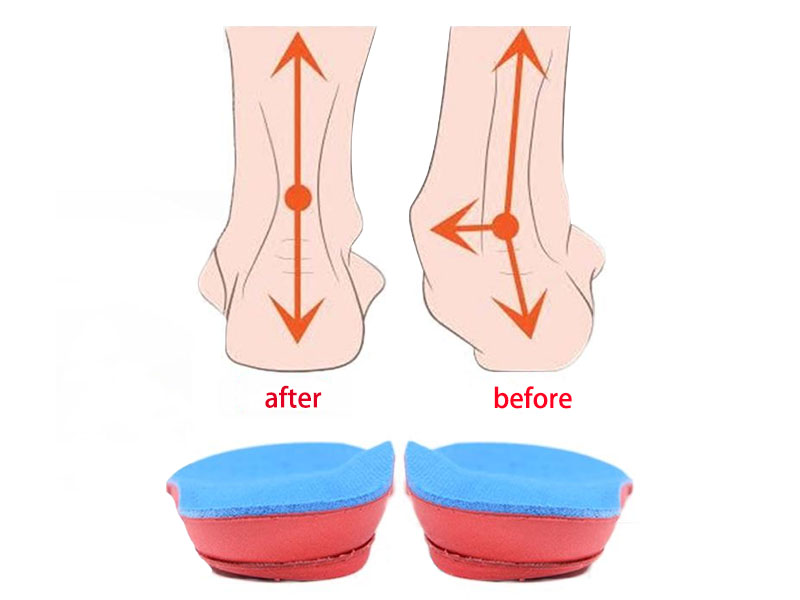
Supination occurs when your foot demonstrates an outward angle greater than -3° between the tibia and foot during the gait cycle. Unlike neutral pronation (1-7° inward angle) which naturally distributes impact forces across the entire foot, supination concentrates stress on the lateral foot edge and smaller outer toes. [salomon]
- Lateral ankle instability: The outward rolling motion stretches lateral ligaments, increasing ankle sprain risk by up to 300% compared to neutral-footed individuals [101footandankle]
- Reduced shock absorption: Supinators miss the natural cushioning effect of proper pronation, transmitting up to 40% more impact force directly to knees and hips [northeastfootcare]
- Accelerated footwear degradation: Excessive outer-edge wear creates uneven shoe breakdown, typically within 200-300 miles of use versus 400-500 miles for neutral gait [bayareafootdoctors]
- Compensatory injuries: The body compensates for misalignment through shin splints, IT band syndrome, and lower back pain [101footandankle]
Professional gait analysis by a podiatrist remains the gold standard for diagnosing supination severity, though at-home assessment can identify obvious cases by examining worn shoe treads for disproportionate outer-edge erosion. [bayareafootdoctors]
Not all insoles address supination effectively. The most therapeutic orthotic insoles for supination must incorporate four biomechanical principles simultaneously: lateral wedging for realignment, high arch support for structural integrity, enhanced lateral cushioning for impact absorption, and deep heel cupping for stability. [northeastfootcare]
High-arched feet (pes cavus) correlate strongly with supination patterns. Effective orthotics feature rigid or semi-rigid arch supports that: [powerstep]
- Maintain the medial longitudinal arch at 15-20mm height
- Distribute plantar pressure across the entire foot surface area
- Prevent excessive lateral weight transfer during midstance phase
- Support body weight without collapsing under dynamic loads
Supinators require enhanced shock-absorbing materials specifically positioned along the outer foot edge. Advanced insoles utilize: [bayareafootdoctors]
- EVA foam density gradients (35-45 Shore A durometer on lateral side, 50-60 Shore A medially)
- Gel inserts positioned under the 4th and 5th metatarsal heads
- Polyurethane layers providing 60-70% energy return
- Memory foam top layers conforming to individual foot contours
Deep heel cups measuring 12-15mm depth prevent the excessive lateral heel strike common in supination. This cradle design: [powerstep]
- Centers the calcaneus (heel bone) within the shoe
- Reduces unwanted lateral motion by up to 35%
- Provides consistent rearfoot positioning throughout the gait cycle
- Works synergistically with lateral wedging elements
ALINE Insoles lead the market with patented suspension pods that actively adapt to gait variations. Independent biomechanical testing demonstrates 66% improvement in knee and ankle alignment among supinators compared to generic insoles. The dynamic shock absorption system reduces peak plantar pressures by 28% while allowing natural foot motion patterns. [powerstep]
Key specifications: Semi-rigid nylon frame, dual-density EVA cushioning, 14mm heel cup depth, antimicrobial top fabric, designed for plantar fasciitis prevention.
Ideal users: Athletes requiring performance optimization, individuals with moderate-to-severe supination, those experiencing recurrent lateral ankle sprains.
Superfeet Green insoles provide the industry's most robust high-arch support platform. The signature biomechanical shape features a rigid EVA foam base combined with a structured heel cup that podiatrists frequently recommend for supination correction. [powerstep]
Key specifications: High-density EVA foam base, deep narrow heel cup, organic odor-control coating, 4.5mm arch height at maximum point.
Ideal users: Daily wear in casual and athletic footwear, users weighing 180+ lbs requiring maximum stability, individuals with rigid high arches.
Powerstep Pinnacle insoles balance therapeutic support with all-day wearability. The semi-rigid arch shell provides medial support while the variable cushioning system delivers targeted lateral padding where supinators need it most. [powerstep]
Key specifications: Dual-layer cushioning (soft top, firm bottom), encapsulated design for easy transfer between shoes, antibacterial fabric, moderate 12mm heel cup.
Ideal users: Office professionals requiring 8+ hour daily wear, transition users new to orthotic therapy, individuals with moderate supination and plantar fasciitis.
Footscientific Type 3 insoles specifically engineer lateral posting geometry to redirect supinated feet toward neutral positioning. The anatomical arch contour supports the foot's natural structure while gentle lateral wedging gradually corrects alignment over 4-6 weeks of consistent use. [powerstep]
Key specifications: Medical-grade EVA construction, 3° lateral wedge angle, moisture-wicking polyester top layer, trim-to-fit sizing.
Ideal users: Individuals diagnosed with supination through professional gait analysis, users seeking progressive biomechanical correction, those with accompanying peroneal tendonitis.
Pedag Correct Plus insoles represent European craftsmanship focused on natural materials. Handmade in Germany from vegetable-tanned leather and natural rubber, these 3/4-length insoles provide targeted forefoot correction without interfering with existing shoe heel cushioning. [powerstep]
Key specifications: Vegetable-tanned leather top layer, natural rubber base, 3/4 length design (stops before heel), 5mm lateral wedge, breathable construction.
Ideal users: Environmentally conscious consumers preferring sustainable materials, individuals with forefoot supination specifically, dress shoe applications where full-length insoles create fit issues.
Choosing appropriate orthotic insoles requires matching product specifications to your individual biomechanical needs, activity levels, and footwear types. Consider these professional fitting criteria: [101footandankle]
Selection Factor | Mild Supination | Moderate Supination | Severe Supination |
|---|---|---|---|
Arch Height | 10-12mm moderate support | 13-16mm high support | 17-20mm extra-high support |
Lateral Wedge Angle | 2-3° subtle correction | 4-5° standard correction | 6-8° aggressive correction |
Cushioning Thickness | 3-4mm EVA foam | 5-6mm dual-density foam | 7-8mm gel/memory combination |
Heel Cup Depth | 10-12mm standard | 13-15mm deep | 16-18mm extra-deep |
Activity-specific recommendations:
- Running and high-impact sports: Prioritize maximum lateral cushioning (ALINE, Superfeet Green) with deep heel cups to manage repetitive impact forces exceeding 3x body weight
- Daily wear and occupational use: Select moderate support with breathable materials (Powerstep Pinnacle, Pedag Correct) for 8-12 hour comfort without hot spots
- Court sports and lateral movements: Choose firm lateral support with responsive cushioning (Footscientific Type 3) to prevent ankle rolling during directional changes
- Dress shoes and low-volume footwear: Opt for 3/4-length designs (Pedag Correct) or slim-profile insoles that fit restricted toe boxes
Custom-molded orthotics manufactured from individual foot impressions provide superior biomechanical correction for severe supination. Podiatrist-prescribed custom devices typically feature: [northeastfootcare]
- Precise anatomical contouring based on 3D foot scans or plaster casts
- Material selection optimized for body weight and activity requirements
- Adjustable posting angles refined through follow-up appointments
- Durable construction lasting 2-5 years with proper care
However, premium over-the-counter orthotics like ALINE deliver 80-90% of custom orthotic benefits at 25-30% of the cost, making them ideal for: [powerstep]
- Initial therapeutic intervention before investing in custom devices
- Multiple footwear applications requiring several insole pairs
- Mild-to-moderate supination not requiring prescription-level correction
- Athletic performance enhancement in already-healthy feet
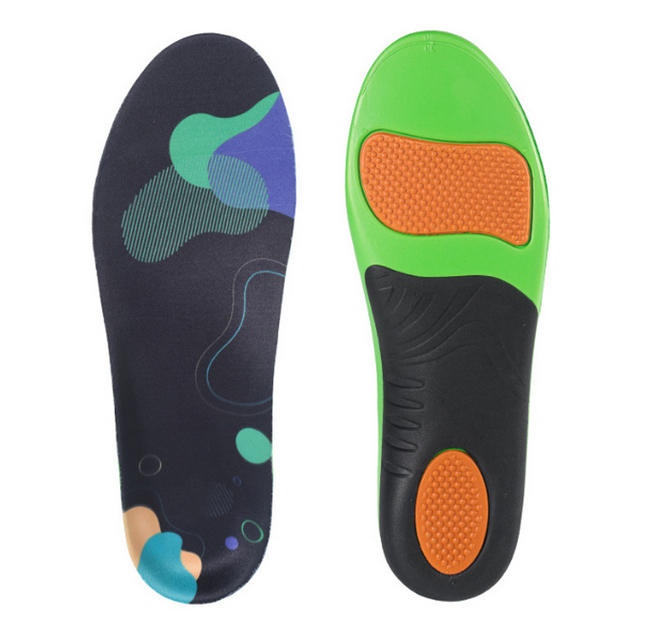
As a leading Chinese insole manufacturer partnering with international brands since 2012, 3BU Technology specializes in developing biomechanically optimized orthotic solutions for supination correction. Our 5,000㎡ production facility combines advanced materials research with podiatric consultation to create insoles that address specific gait abnormalities. [insolemaker]
Modern orthotic production incorporates multi-density foam injection molding, precision CNC arch contouring, and thermoplastic reinforcement elements. Key manufacturing considerations include: [insolemaker]
- Lateral density gradients: Computer-controlled foam injection creates 15-20% softer lateral zones without material interfaces that cause delamination
- Arch shell precision: CNC milling maintains ±0.3mm tolerances across the medial arch support structure, ensuring consistent biomechanical performance
- Heel cup geometry: Deep-draw molding forms anatomically accurate heel cradles with uniform 2.5-3.0mm wall thickness for optimal stability without bulk
- Top layer bonding: Heat-activated adhesives create permanent fabric-to-foam bonds that survive 500+ laundry cycles
OEM partnerships with brands like Sidas, Footlogstics, and VKTRY demonstrate our commitment to research-driven orthotic development. We support small-order customization to meet diverse market needs, from elite athletic performance to therapeutic medical applications. [insolemaker]
Orthotic insoles function most effectively when combined with comprehensive biomechanical interventions. Podiatrists recommend integrating: [101footandankle]
- Neutral cushioned shoes: Avoid stability or motion-control designs that increase lateral weight transfer
- Wide toe boxes: Allow natural toe splay during push-off phase
- Reinforced heel counters: Rigid rear-foot structures complement insole heel cups
- Flexible forefoot: Enables natural toe-off mechanics without restricting foot function
- Peroneal muscle strengthening: Resistance band eversion exercises build lateral ankle stability (3 sets × 15 reps daily)
- Gastrocnemius/soleus stretching: Wall stretches reduce Achilles tension that exacerbates supination (hold 30 seconds × 3 reps per leg)
- Balance training: Single-leg stands on unstable surfaces improve proprioception (3 × 60-second holds)
- Foot intrinsic strengthening: Towel scrunches and marble pickups enhance arch muscle activation (2-3 times weekly)
Schedule gait analysis reassessment every 6-12 months to track biomechanical improvements. Podiatrists utilize pressure mapping technology and video analysis to: [101footandankle]
- Quantify supination angle changes over treatment periods
- Adjust orthotic specifications based on adaptation patterns
- Identify compensatory issues developing in knees or hips
- Modify exercise protocols for optimal outcomes
The global orthotic insole market growth from $3.31 billion (2025) to projected $5.56 billion (2035) reflects increasing consumer awareness of preventive foot care. Emerging technologies reshaping supination treatment include: [marketresearchfuture]
Pressure-sensing insoles connected to smartphone applications provide real-time gait feedback, allowing users to monitor supination patterns during activities and track improvement metrics over weeks and months of orthotic use.
Direct-to-consumer 3D printing services using smartphone foot scanning apps democratize custom orthotic access, producing personalized insoles at intermediate price points between OTC and traditional prescription devices.
- Graphene-enhanced foams: 30% improvement in energy return with 20% weight reduction
- Phase-change materials: Temperature-regulating insoles maintaining optimal 28-32°C foot climate
- Self-healing polymers: Extended product lifespan through automatic micro-crack repair
Gel insoles represent the fastest-growing segment within orthotic markets, driven by superior shock absorption properties particularly beneficial for supinators requiring enhanced lateral cushioning. [marketresearchfuture]

Q1: How long does it take for orthotic insoles to correct supination?
Most users experience initial comfort improvements within 1-2 weeks, but biomechanical correction requires 4-8 weeks of consistent daily wear as feet gradually adapt to improved alignment. Severe cases may need 12-16 weeks for maximum benefit. [northeastfootcare]
Q2: Can I use supination insoles in all my shoes?
Orthotic insoles work best in athletic shoes, walking shoes, and boots with removable factory insoles and adequate volume to accommodate the orthotic thickness. Dress shoes and tight-fitting footwear may require slim-profile or 3/4-length insoles like Pedag Correct Plus. [bayareafootdoctors]
Q3: Do I need custom orthotics or are over-the-counter insoles sufficient?
Premium OTC orthotics effectively treat 70-80% of mild-to-moderate supination cases. Custom prescription orthotics become necessary for severe biomechanical abnormalities, failed OTC treatment after 8-12 weeks, or complex multi-planar foot deformities requiring precise corrections. [powerstep]
Q4: How often should I replace my orthotic insoles?
Replace high-use athletic orthotics every 12-18 months or 400-500 miles of running/walking. Daily-wear orthotics typically last 18-24 months. Visible compression of cushioning layers, arch support breakdown, or return of previous symptoms indicate replacement need. [marketresearchfuture]
Q5: Will orthotic insoles weaken my foot muscles over time?
Quality orthotics support optimal foot positioning without restricting natural muscle function. Research shows properly designed insoles actually enhance muscle efficiency by maintaining ideal biomechanical alignment, while combining orthotics with strengthening exercises produces superior outcomes compared to either intervention alone. [northeastfootcare]
1. ALINE Insoles. "Best Orthotic Insoles for Supination / Underpronation." https://alineinsoles.com/blogs/news/best-orthotic-insoles-for-supination
2. PowerStep. "Supination & High Arch Insoles." https://powerstep.com/collections/high-arches-supination
3. Market Research Future. "Orthopedic Insole Market Size, Share, Trends, Report 2035." Published February 5, 2026. https://www.marketresearchfuture.com/reports/orthopedic-insole-market-32515
4. Salomon. "What is Pronation? What is Supination?" Published January 30, 2025. https://www.salomon.com/en-us/sg/a/what-is-pronation-what-is-supination
5. 101 Foot and Ankle. "Causes and Treatment of Supination." Published December 31, 2023. https://www.101footandankle.com/blog/causes-and-treatment-of-supination
6. Northeast Foot Care. "Causes and Treatment of Supination." Published April 22, 2024. https://www.northeastfootcare.com/blog/causes-and-treatment-of-supination
7. Bay Area Foot Doctors. "Excessive Supination Treatment Q&A." Published July 30, 2025. https://www.bayareafootdoctors.com/excessive-supination
8. 3BU Technology. "About Us - Professional Insole Manufacturer." https://www.insolemaker.com
9. Grand View Research. "Foot Orthotic Insoles Market Size | Industry Report, 2033." https://www.grandviewresearch.com/industry-analysis/foot-orthotic-insoles-market


