
Views: 222 Author: 3BU Technology Publish Time: 2026-06-14 Origin: Site


Content Menu
● Why Thick Insoles Matter More Than You Think
● How to Choose the Best Thick Insoles
● Best Overall Thick Insoles (Everyday Shoes & Boots)
>> Sorbothane‑Style Double‑Strike Thick Insoles (Everyday Comfort Benchmark)
● Best Thick Insoles for Work Boots
>> Memory‑Foam Work Boot Insoles (All‑Day Standing)
● Best Thick Insoles for Hiking Boots
>> Trail‑Focused Thick‑Heel Insoles (Targeted Support for Hikers)
● Best Thick Insoles to Fix Shoes That Are Too Big
>> Volume‑Reducer Insoles (2–4 mm Thick Layers)
● Best Thick Insoles for Flat Feet
>> Arch‑Support Thick Insoles (Sports & Everyday)
● Best Thick Insoles for Maximum Cushioning
>> Dual‑Layer Cushioning Insoles (Sensitive & Diabetic Feet)
● Market Trends in Thick Insoles (2025–2026)
● Expert Tips for Fitting Thick Insoles Correctly
● OEM Perspective – What Makes a "High‑Quality" Thick Insole
● User Feedback: What Real Wearers Say About Thick Insoles
● How 3BU Technology Supports Global Brands with Thick Insoles
● Call to Action: Bring Better Thick Insoles to Your Customers
If your feet ache at the end of the day, thick insoles are one of the simplest, highest‑ROI upgrades you can make to your footwear. They add cushioning, improve fit, and can even help with common issues like flat feet, plantar fasciitis and work‑boot fatigue. [forminsoles]
As a China‑based OEM insole manufacturer (3BU Technology) working with overseas brands, wholesalers and footwear producers, we see first‑hand how insole thickness, density and design directly affect comfort, durability and customer satisfaction. This guide combines that manufacturing insight with market data and user feedback to help you choose the best thick insoles for work, hiking and everyday shoes. [fortunebusinessinsights]
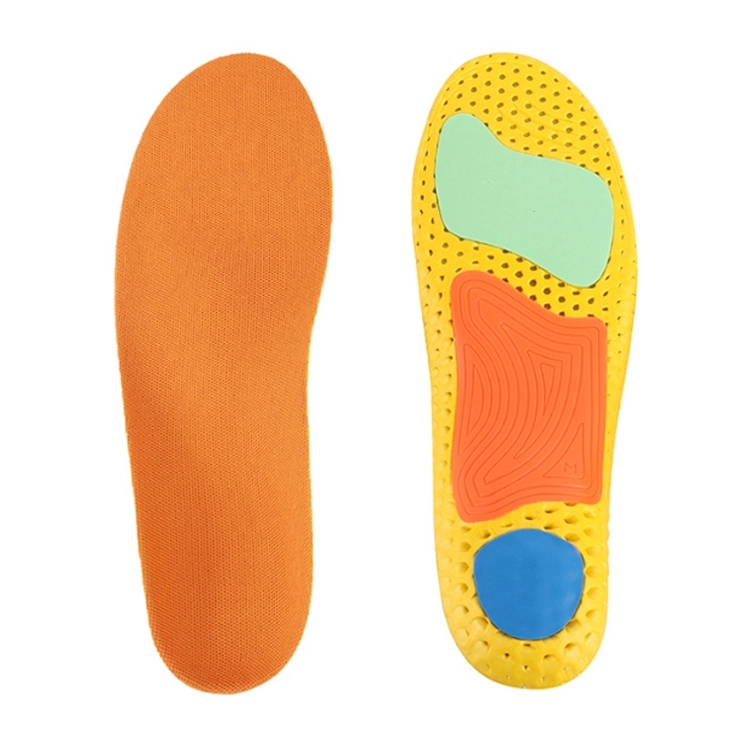
Before you pick a product, it helps to understand what actually makes a "good thick insole". [treadlabs]
Key factors to consider:
- Total thickness & profile: Extra‑thick insoles add volume and cushioning, but can make tight shoes uncomfortable; heel‑thick / forefoot‑thin profiles work better in hiking and athletic shoes. [outdoorgearlab]
- Material & density: EVA foam, PU, gel and memory foam all behave differently under load; higher‑density foams offer better long‑term support, while softer foams feel plush but compress faster. [forminsoles]
- Arch support: If you have flat feet, over‑pronation or plantar fasciitis, you should look for structured arch support plus thickness, not thickness alone. [yoursole]
- Intended use: Work boots, hiking boots, oversized fashion shoes and diabetic‑friendly footwear each demand different combinations of cushioning, stability and volume reduction. [outdoorgearlab]
- Foot conditions: Diabetes, arthritis and sensitive feet require dual‑density cushioning and low‑friction top covers to reduce pressure points. [womenshealthmag]
From an OEM viewpoint, brands that clearly match these factors to their target users see higher repeat purchase rates and lower return rates for both shoes and insoles. [linkedin]
The original article highlights Sorbothane Shock Stopper Double Strike Insoles as a top "best overall" thick insole because of their super‑thick cushioning and strong impact absorption, especially in the heel. These insoles use a dual‑density construction to soak up shock under the heel and forefoot, making them popular with users who spend long hours on hard floors in trainers or boots. [forminsoles]
From a manufacturing standpoint, this style of insole typically combines high‑rebound PU or proprietary viscoelastic compounds with a durable fabric top layer to manage both cushioning and moisture. For brands, thick heel zones are particularly effective in marketing to customers who describe their pain as "heel bruise" or "stone‑bruise feeling" in reviews. [treadlabs]
Best for:
- Neutral‑arch users who want noticeably thicker, softer insoles for casual shoes or work trainers. [forminsoles]
- Reducing heel strike impact when walking or standing for long periods. [treadlabs]
Consider alternatives if:
- You have flat feet or strong over‑pronation – you'll need more structured arch support. [treadlabs]
- You need to reduce shoe volume rather than increase it. [forminsoles]
The original page recommends Airplus Ultra Work Memory Plus Insoles for work boots, emphasizing their thick memory‑foam build and durability in demanding work environments. Memory foam molds to your foot and can dramatically improve perceived comfort in steel‑toe and safety boots that often feel hard and unforgiving out of the box. [outdoorgearlab]
In OEM projects for industrial brands, we typically combine 2–3 layers: a high‑density base layer for support, a memory‑foam comfort layer, and a reinforced heel area for impact. Users often mention in reviews that this configuration reduces end‑of‑shift fatigue and hotspots around the heel and ball of the foot. [reddit]
Best for:
- Construction, warehouse, logistics and manufacturing workers who stand or walk on concrete floors all day. [linkedin]
- Steel‑toe or safety boots where the original insole is thin and hard. [outdoorgearlab]
Not ideal for:
- Intense hiking or sports, where memory foam can feel too soft and unstable. [outdoorgearlab]
- Users with flat feet who need a firmer arch platform. [treadlabs]
For hiking, the source article selects Superfeet Trailblazer Comfort Insoles, which use a thick heel and thinner forefoot design to maintain boot fit while still adding extra cushioning. They are offered in men's and women's anatomical shapes, which improves heel hold and reduces slippage on uneven terrain. [forminsoles]
From an engineering angle, thick‑heel hiking insoles often combine semi‑rigid arch support with shock‑absorbing heel cups, giving hikers a stable platform on steep descents while still softening impact. User reviews consistently highlight less heel pain, fewer blisters and better control on long hikes with this type of shape‑optimized insole. [womenshealthmag]
Best for:
- Hikers and outdoor workers wearing roomy hiking boots who want more heel cushioning without overfilling the toe box. [forminsoles]
- People who experience heel pain or fatigue after long walks or workouts. [yoursole]
Skip these if:
- You need extra‑extra thick full‑length cushioning – look for full‑volume insoles instead. [forminsoles]
- You're using heavy steel‑toe work boots, where a work‑specific model is better. [forminsoles]
If your boots or sneakers feel one size too big, the referenced article recommends Sidas Outdoor Volume Reducer Insoles. These are simple 2 mm or 4 mm flat foam sheets that raise the footbed and reduce excess space without adding arch support or complex structure. [forminsoles]
As OEMs, we see strong demand for volume reducers as a low‑cost fit solution for e‑commerce brands dealing with size‑related returns. By offering simple, trim‑to‑fit thick inserts, brands help customers dial in fit while avoiding the complexity of medical‑style orthotics. [fortunebusinessinsights]
Best for:
- Boots and shoes that feel sloppy or loose, especially around the instep. [forminsoles]
- Users who want no arch support and only need to raise the foot and fill space. [forminsoles]
Not the best choice if:
- You want cushioning and shock absorption; these are usually firmer and flatter. [forminsoles]
- You have flat feet or heel pain – choose a thicker, supportive insole instead. [treadlabs]
For flat feet, the original article's pick is Pedag Viva Sport Insoles, which combine noticeable thickness with built‑in arch support. This dual approach supports the arch to reduce fatigue while cushioning the full sole for sports and daily activities. [treadlabs]
Modern plantar‑fasciitis and flat‑foot insoles that perform well in tests usually share three features: firm, structured support, an arch height matched to the user's foot, and a deep heel cup for shock control. As manufacturers, we often tune arch height and firmness by region, because user expectations in Europe, North America and Asia differ based on shoe styles and average foot shapes. [fortunebusinessinsights]
Best for:
- People with flat feet or fallen arches who feel fatigue after walking or sports. [treadlabs]
- Users who want both thickness and structural support, not just softness. [forminsoles]
Avoid if:
- You only want to make oversized shoes fit with no support changes. [forminsoles]
- You work in heavy industry where a work‑boot‑grade insole is more appropriate. [forminsoles]
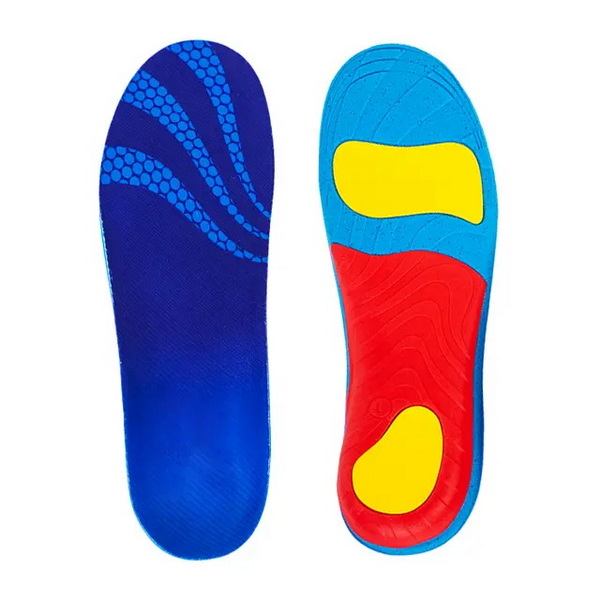
For pure softness, the article highlights Diaped Duosoft Plus Insoles, which feature two thick cushioning layers and a shock‑absorbing heel zone. These are specifically recommended for sensitive feet, diabetics and people with osteoarthritis or rheumatoid arthritis, where pressure distribution and friction reduction are crucial. [womenshealthmag]
From a design standpoint, dual‑density cushioning insoles for medical or comfort‑focused lines combine softer top layers (for comfort and pressure spreading) with slightly firmer bases to prevent bottoming out. Many users report less burning sensation in the forefoot and reduced heel pressure when switching from standard thin insoles to this type. [womenshealthmag]
Best for:
- People with diabetes, arthritis or very sensitive soles who need extra‑gentle cushioning. [womenshealthmag]
- Users prioritizing comfort over maximum stability or sports performance. [womenshealthmag]
Not ideal for:
- High‑impact sports where you need more structure and lateral stability. [outdoorgearlab]
- Very tight shoes that cannot accommodate extra thickness. [forminsoles]
To go beyond the original article, it helps to know where the global insole market is heading. [linkedin]
- The global foot orthotic insoles market is projected to grow from about USD 4.8 billion in 2026 to over USD 8.2 billion by 2034, at a CAGR close to 7%. [fortunebusinessinsights]
- The supportive insoles segment alone is estimated around USD 4.2–4.8 billion in 2024–2025, with demand driven by work‑related foot fatigue, sports injuries and an aging population. [linkedin]
For overseas brands and private‑label buyers, this growth translates into strong demand for high‑quality thick insoles that can be customized by thickness, hardness, arch shape and top‑cover materials. OEM partners like 3BU Technology help brands pivot quickly to new segments such as work‑boot insoles, hiking insoles and medical‑adjacent comfort insoles without building in‑house manufacturing. [fortunebusinessinsights]
Even the best thick insole can disappoint if it is installed incorrectly or used in the wrong shoe. [outdoorgearlab]
Step‑by‑step fitting checklist:
1. Check shoe volume first. Thick insoles work best in roomier shoes and boots; if your shoes are already tight, consider a thinner model or a half‑size up. [outdoorgearlab]
2. Remove the original insole. In most casual and sports shoes, you should take out the stock insole before inserting your thick replacement to avoid over‑filling the shoe. [womenshealthmag]
3. Trim to fit from the toe. Use the original insole as a template and trim only from the front, keeping the heel shape intact for best stability. [outdoorgearlab]
4. Test for heel slip and toe room. Walk on a hard surface; your heel should feel locked in, and your toes should have wiggle room without hitting the front. [womenshealthmag]
5. Break‑in gradually. With new thick or supportive insoles, start with 1–2 hours per day, then build up, especially if you have flat feet or sensitive soles. [yoursole]
As an OEM, we see far fewer complaints when brands include clear fit instructions in the box or on the product page, which is an easy UX win that also supports better reviews and SEO. [shopify]
From the manufacturing side, not all thick insoles are created equal. When we work with international brands on OEM projects, we typically focus on: [outdoorgearlab]
- Consistent thickness and density: Tight production tolerances ensure that left and right insoles match and each batch feels the same. [forminsoles]
- Multi‑layer construction: Combining support cores, cushioning foams and breathable top fabrics delivers both comfort and durability. [outdoorgearlab]
- Appropriate hardness (Shore A): Work‑boot insoles often use firmer base layers than fashion insoles to resist compression over time. [outdoorgearlab]
- Reliable bonding & edge finishing: Quality adhesives and neat edges reduce the risk of delamination and rubbing points, which often show up in user reviews. [womenshealthmag]
For brands, partnering with a specialized OEM like 3BU Technology means you can customize thickness, arch profile, logo, packaging and materials for your market while leveraging existing R&D and production capacity. [fortunebusinessinsights]
Looking across buyer reviews and community discussions, several recurring themes appear in user feedback on thick insoles. [reddit]
Common positive comments:
- "My work boots finally feel like sneakers after switching to thick memory‑foam insoles." [reddit]
- "The extra heel cushioning made a noticeable difference in my plantar fasciitis pain." [treadlabs]
Common complaints (and how to avoid them):
- "Too thick – my shoes feel tight or cramped now." This usually happens when users do not remove the original insole before inserting a thick one. [reddit]
- "Feels soft at first but flattened too quickly." Lower‑quality single‑density foams can compress; look for dual‑density or higher‑density bases. [outdoorgearlab]
As a buyer or brand, you can use these patterns to inform product selection and product‑detail copy, ensuring expectations match the real‑world feel. [shopify]
If you are a brand owner, wholesaler or footwear producer, working with a specialized OEM like 3BU Technology allows you to launch or upgrade your thick insole line quickly. [fortunebusinessinsights]
We typically help overseas clients with:
- OEM / private‑label thick insoles for work boots, hiking boots, sneakers and medical‑adjacent comfort lines. [forminsoles]
- Customized thickness, density and arch profiles to match local markets and target users. [fortunebusinessinsights]
- Material optimization for cost, durability and sustainability, including EVA, PU, gel, memory foam and hybrid constructions. [outdoorgearlab]
By integrating user feedback, market trends and professional design, brands can offer thick insoles that genuinely improve comfort and win reviews, rather than being just another commodity accessory. [linkedin]
If you're a footwear brand, importer or wholesaler looking to offer better‑performing thick insoles—for work, hiking or everyday comfort—now is the right time to act. The market is growing, and customers are actively searching for reliable, comfortable, thick insoles that really work. [linkedin]
Reach out to 3BU Technology to discuss OEM or private‑label thick insole projects, from concept and sample development to mass production tailored to your market's needs. [fortunebusinessinsights]
1. Are thick insoles bad for my feet if I have flat arches?
Not necessarily. Thick insoles without support can worsen flat‑foot fatigue, but thick insoles with structured arch support and a deep heel cup are often recommended for plantar fasciitis and flat feet. [yoursole]
2. Can I put thick insoles on top of my existing insoles?
In most cases, you should remove the original insole first; layering two full‑length insoles usually makes shoes too tight and can cause rubbing and blisters. [womenshealthmag]
3. Which shoes work best with thick insoles?
Thick insoles are ideal for roomy sneakers, work boots and hiking boots with enough internal volume; they are rarely suitable for tight dress shoes or high heels. [outdoorgearlab]
4. How long do thick insoles usually last?
Depending on material quality and usage, thick insoles typically last 6–12 months of regular wear, with high‑density multi‑layer designs lasting longer than very soft single‑foam models. [outdoorgearlab]
5. What's the difference between a thick insole and an orthotic?
A thick insole focuses on cushioning and volume adjustment, while a medical orthotic also corrects biomechanics with firmer structural elements and precise arch shaping. [yoursole]
1. ShoeInsoles.co.uk – "Best Thick Insoles 2025" (product descriptions and structure inspiration)
https://www.shoeinsoles.co.uk/blog/best-thick-insoles.html [forminsoles]
2. Tread Labs – "Best Insoles For Plantar Fasciitis Arch Support" (expert plantar fasciitis guidance)
https://treadlabs.com/blogs/insoles-reach-your-stride/plantar-fasciitis-insoles-orthotics-inserts-medically-proven-pain-relief [treadlabs]
3. Fortune Business Insights – "Foot Orthotic Insoles Market Size, Share | Global Report" (market size and CAGR)
https://www.fortunebusinessinsights.com/industry-reports/foot-orthotic-insoles-market-100348 [fortunebusinessinsights]
4. OutdoorGearLab – "The Best Insoles | Tested & Ranked" (user‑oriented performance and comfort insights)
https://www.outdoorgearlab.com/topics/shoes-and-boots/best-insoles [outdoorgearlab]
5. Women's Health – "The Best Plantar Fasciitis Insoles In 2025, Approved By Podiatrists" (consumer pain points and product features)
https://www.womenshealthmag.com/health/g44954069/best-plantar-fasciitis-insoles/ [womenshealthmag]
6. Reddit – r/WorkBoots: "Extra thick insoles?" (real‑world work‑boot user feedback)
https://www.reddit.com/r/WorkBoots/comments/jzxpog/extra_thick_insoles/ [reddit]
7. Supportive Insoles Market Size, Trends, 2026–2033 Forecast (market demand for supportive insoles)
https://www.linkedin.com/pulse/supportive-insoles-market-size-trends-2026-2033-forecast-n1qvf [linkedin]
8. Shopify – "SEO优化终极指南:43个SEO优化技巧,助力网站流量稳步增长(2026)" (SEO and UX best practices applied to content structure)
https://www.shopify.com/zh/blog/seo-checklist-online-store [shopify]
9. FORM Insoles – "Maximum Support – Thick Cushion – Form Insoles" (material and design reference for thick support insoles)
https://www.forminsoles.com/products/arch-support-insoles-plantar-fasciitis-inserts [forminsoles]
10. The Lightest Tread – "The Best Insoles for Plantar Fasciitis" (arch support and heel cup requirements)
https://yoursole.com/blog/us/best-insoles-plantar-fasciitis [yoursole]


