
Language
Views: 222 Author: Edvo Publish Time: 2025-11-15 Origin: Site


Content Menu
● Understanding Orthotic Inserts
● Can Dress Shoes Fit Orthotic Inserts?
● Selecting Dress Shoes Compatible with Orthotics
>> Key Shoe Features and Considerations
● Benefits of Using Orthotic Inserts in Dress Shoes
>> Enhanced Mobility and Performance
● Custom Orthotic Solutions for Dress Shoes
>> OEM Services for Brands, Wholesalers, and Manufacturers
● Integrating Orthotics: Practical Steps
● Advanced Technologies in Orthotic Inserts
>> 3D Printing and CAD Design in Orthotics
● Styling Dress Shoes With Orthotic Inserts
>> Combining Fashion and Function
● Addressing Common Challenges
● The Role of Manufacturers and OEM Partnerships
● Sustainability and the Future of Orthotic Inserts in Dress Shoes
>> 1. Can all dress shoes accommodate orthotic inserts?
>> 2. Do orthotic inserts affect the fit of dress shoes?
>> 3. Are custom orthotic inserts better than prefabricated ones?
>> 4. How often should dress shoe orthotic inserts be replaced?
>> 5. Can OEM orthotic inserts be branded for foreign buyers?
Dress shoes epitomize refinement, professionalism, and style, forming an essential part of formal and business attire worldwide. However, the pursuit of polished aesthetics often means sacrificing comfort, especially for individuals needing orthotic support. For those with foot concerns—like plantar fasciitis, flat feet, or chronic discomfort—the desire to integrate orthotic inserts with elegant dress shoes raises important questions about feasibility, effectiveness, and fashion. Thanks to advances in shoe design and orthotic technology, it's now possible to achieve both comfort and sophistication. This all-encompassing guide will explain how dress shoes can accommodate orthotic inserts, outline the vital benefits, discuss selection and customization options, and provide practical advice for personal users, brands, wholesalers, and manufacturers seeking OEM solutions.

Orthotic inserts are specialized devices placed inside shoes to enhance foot stability, alignment, and overall comfort. They correct abnormal biomechanics such as overpronation, support arches, relieve pressure, and prevent various conditions from progression. Whether purchased over-the-counter or custom-molded for specific foot needs, orthotic inserts feature a range of materials like foam, gel, cork, or engineered plastics.
Orthotic inserts are broadly categorized into:
- Prefabricated orthotics: Mass-produced to fit standard shoe sizes and foot shapes. They are affordable and suitable for mild discomfort or prevention.
- Semi-custom orthotics: Adapt to specific foot features using semi-tailored molds, serving moderate support requirements.
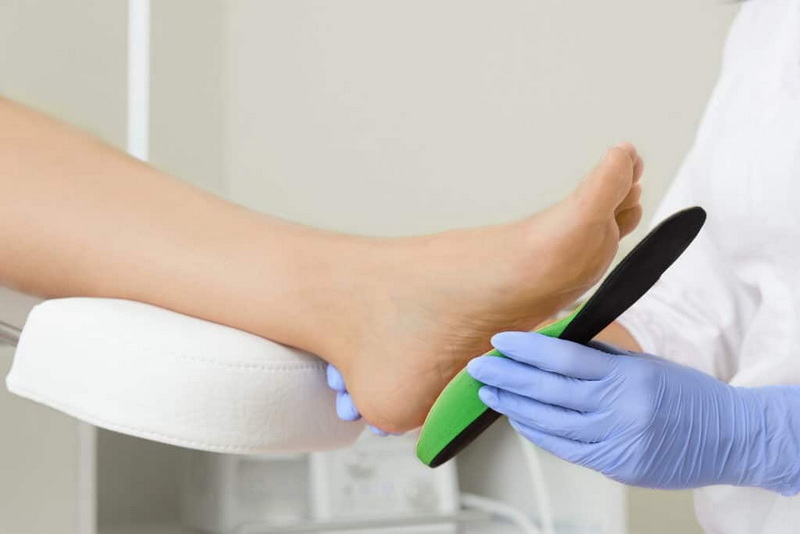
- Custom orthotics: Made precisely according to a user's foot via molding or advanced scanning techniques; they provide optimal comfort and alignment and address medical needs comprehensively.
For professional use, custom orthotics tailored by podiatrists remain the gold standard, while prefabricated inserts are effective for daily comfort and preventive care.
Dress shoes are celebrated for their slim, sleek profile but often challenged by restricted internal volume compared to sport or casual shoes. Integrating orthotic inserts into dress shoes has historically seemed difficult, but evolving trends in shoe manufacturing have transformed this experience.
Traditional dress shoes, such as men's oxfords, loafers, or women's pumps, are crafted for elegance, frequently using hard outsoles and narrow toe boxes. These features make fitting inserts a challenge. Modern solutions include shoes with:
- Removable insoles: Increasing space to fit even customized orthotic devices.
- Deep toe boxes: Allowing for foot splay and movement.
- Flexible construction: Enhancing adaptability and reducing pressure points.
- Advanced materials: Offering cushioning without bulk, suitable for both pre-made and custom orthotics.
With collaboration between footwear designers and orthotic professionals, today's dress shoes can be engineered specifically for orthotic compatibility.
Not all dress shoes are created equal when it comes to comfort or orthotic accommodation. Shoppers should pay close attention to several critical factors that impact wearability and long-term foot health.
- Removable footbeds: These facilitate easy insertion and replacement of orthotics, allowing for routine adjustments.
- Roomy toe boxes: Sufficient space reduces friction and accommodates various foot shapes and insert dimensions.
- Arch support: Shoes with built-in arch structure offer additional relief, especially when combined with inserts.
- Secure fit: Closure mechanisms like laces or straps stabilize orthotic placement and prevent slippage.
Besides these features, materials also matter. Leather, engineered mesh, and memory foam can provide comfort while upholding the classic dress shoe aesthetic.
Wearing orthotic inserts inside dress shoes delivers improvement in comfort and health, transcending cosmetic appeal.
- Reduced fatigue: Standing or walking for hours is less exhausting thanks to ergonomic support.
- Alleviation of pain: Inserts cushion sensitive zones, mitigating heel, arch, or forefoot discomfort.
- Posture correction: Enhanced alignment protects the ankles, knees, hips, and spine.
- Natural gait support: Better biomechanics aid walking confidence, especially for those with instability.
- Preventative health: Inserts stop harmful patterns from developing into chronic conditions.
- Improved work performance: Discomfort is minimized, allowing for increased focus and productivity.
For individuals and organizations with specialized needs—such as severe abnormalities, diabetes, or unique branding requirements—custom solutions become invaluable.
Manufacturers now offer OEM (Original Equipment Manufacturer) services, enabling brands and wholesalers to develop distinct orthotic solutions:
- Private label program: Personalized logos, packaging, and design elements for brand recognition.
- Material selection: Options like EVA foam, PU, cork, and memory foam are customizable for targeted applications.
- Proprietary design: Dress shoes can be engineered from inception to provide optimal space and structure for orthotic inserts.
- 3D modeling and scanning: Modern production techniques allow precise fitting across all shoe dimensions, even for challenging designs or high heels.
Successfully fitting orthotic inserts in dress shoes requires both preparation and understanding of proper care techniques.
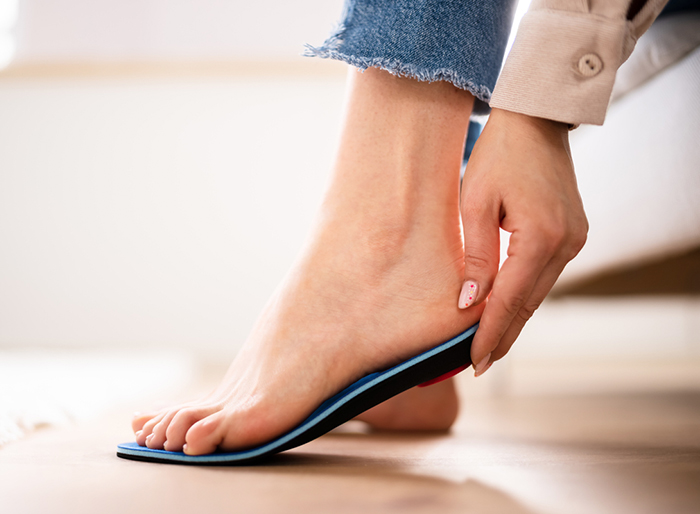
1. Remove existing insole: Ensures adequate room and fit for orthotic inserts.
2. Insert orthotic device: Position carefully from heel to toe, ensuring no folding or gaps.
3. Test comfort: Walk, stand, and flex the foot to confirm optimal placement and comfort.
4. Make necessary adjustments: Use thinner socks or lower profile inserts for added space if needed.
5. Repeat as needed: Regularly check for wear or movement of inserts to maintain effectiveness.
- Regularly clean inserts to prevent bacteria, odor, and wear.
- Dynamic rotation of dress shoes and inserts aids longevity.
- Replace inserts every 6-12 months or when signs of compression, cracking, or loss of support arise.
Recent advances have revolutionized orthotic insert design, resulting in lighter, stronger, and more sophisticated devices.
3D printing allows for ultimate precision and customization, offering benefits such as:
- Digital foot scan integration: Provides a perfect fit across different dress shoe types.
- Material optimization: Engineers can combine flexible and rigid zones for arch support with minimal bulk.
- Rapid prototyping: Brands and wholesalers can quickly develop new models suited to emerging fashion and market needs.
Wearing orthotic inserts doesn't mean sacrificing style or professionalism. Integrating comfort into fashionable footwear is easier than ever.
- Select dress shoes with discrete removable insoles and comfort-engineered lasts.
- Adjust to slightly larger shoe sizes, which can accommodate orthotics without visible compromise.
- Choose streamlined orthotic profiles—thin, well-contoured devices enhance function and remain invisible.
- Focus on quality craftsmanship: materials such as high-grade leather and ergonomic outsoles support both appearance and health.
- Pair inserts with matching formal attire, blending health needs with elegance.
Despite the progress, some issues may still arise when using orthotic inserts with dress shoes.
- Tight fit: Seek slimmer orthotics or shoes specifically designed for inserts.
- Heel slip: Use orthotic inserts with built-in heel cups or try shoes with adjustable closures.
- Arch mismatch: Obtain custom orthotics molded to your foot and shoe profile.
- Wear resistance: Opt for materials engineered for durability, such as premium-grade foams and reinforced plastics.
Global manufacturers play an essential role in making orthotic-friendly dress shoes available. Working directly with producers, brands can deliver tailored comfort and expand their product offerings.
- Tailored design: Ability to customize shoe dimensions with orthotic compatibility from the start.
- Bulk production efficiency: Streamlined manufacturing processes to deliver quality at scale.
- Market differentiation: Distinct product lines attract buyers with unique comfort and health features.
International expansion allows overseas buyers access to top-tier technology, innovative materials, and personalized branding options, catering to diverse preferences and medical needs.
Environmentally conscious materials and sustainable manufacturing processes are increasingly important to consumers and businesses alike.
Manufacturers now explore biodegradable foams, recycled plastics, and natural cork, balancing ecological responsibility with comfort. Brands adopting these approaches position themselves as leaders in ethical fashion and health technology.
Future trends point toward even thinner, smarter orthotic devices—possibly embedded sensors, real-time feedback, and adaptive support for maximum well-being.
The intersection of comfort and elegance is no longer elusive for dress shoe wearers who require orthotic support. Innovations in design, materials, and technology have enabled manufacturers, brands, and end users to enjoy the sophistication of classic footwear while addressing vital health needs. Whether choosing prefabricated or custom orthotics, or engaging in OEM collaborations, today's options ensure individualized comfort and style. Understanding the essentials—shoe selection, fitting techniques, maintenance, and customization—empowers everyone to walk confidently, knowing that comfort blends seamlessly with formal attire.
Not all dress shoes are suitable for orthotic inserts, but many brands now offer models with removable insoles, increased depth, and flexible materials for easier integration.
Orthotic inserts may slightly reduce internal space, so it is often recommended to choose shoes with roomy toe boxes or consider a half-size up for optimal comfort.
Custom orthotics provide precise support and are ideal for complex foot conditions, while prefabricated inserts are best for general comfort or mild to moderate issues.
Orthotic inserts typically last six to twelve months, depending on use and material quality. Replacement is needed when inserts lose their shape or cushioning ability.
Yes, professional manufacturers support private label branding for overseas partners, offering custom packaging, materials, and design enhancements for orthotic inserts.


