
Views: 222 Author: Edvo Publish Time: 2025-10-23 Origin: Site


Content Menu
● Understanding High Arch Insoles
● Insights From Reddit Discussions
● Orthopedic Perspective: Biomechanics of Arch Support
● Benefits and Risks of High Arch Insoles for Flat Feet
● Choosing the Ideal Insole for Flat Feet
● Flat Feet and Gait Efficiency
● How OEM Insole Manufacturers Support Global Brands
● Practical Adaptation Tips for High Arch Insoles
● FAQs
>> 1. Are high arch insoles bad for flat feet?
>> 2. Can insoles fix flat feet permanently?
>> 3. What are the best materials for flat feet insoles?
>> 4. How long should I wear new insoles each day?
>> 5. Do OEM factories offer insole customization for brands?
Understanding whether flat feet can benefit from high arch insoles is a common question among those struggling with foot discomfort or stability issues. Many people turn to online discussions like Reddit to seek real experiences from others with similar conditions. Some find high arch insoles helpful for alignment, while others experience discomfort due to an overcorrection of their foot structure. This article explores the mechanics of flat feet, orthopedic insight, Reddit community experiences, and practical solutions for international buyers and OEM brands interested in orthopedic shoe insole production.
Flat feet, also known as pes planus, occur when the arch of the foot collapses, allowing the entire foot sole to make contact with the ground. This structural condition can lead to overpronation—an inward roll of the ankle—which is a major cause of imbalance and pain in the knees, hips, and lower back. Flat feet may develop in childhood due to genetic factors or can be acquired later in life due to aging, injury, or excessive weight-bearing activities.
Individuals with flat feet often experience pain in the midfoot, arch, or heel after walking for long periods. The lack of arch structure can increase pressure on specific areas like the heel or ball of the foot, which alters gait dynamics. Symptoms vary from mild fatigue to chronic plantar fasciitis, Achilles tendonitis, and metatarsalgia.
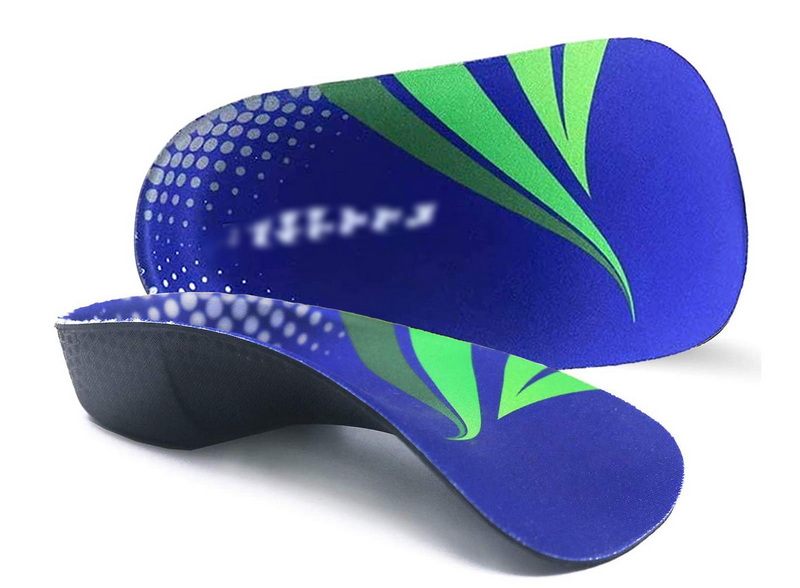
High arch insoles are designed to provide substantial support to the midfoot. By lifting the inside of the foot, these insoles encourage even weight distribution, which helps reduce heel and forefoot pressure. They are typically used by people with high arches, also known as pes cavus, who lack natural shock absorption. For flat-footed individuals, high arch insoles can feel intrusive, as their musculoskeletal structure is not accustomed to such elevation.
The biomechanical difference between flat and high-arched feet means that the same insole does not suit everyone. While flat feet benefit from stability, high arched feet require cushioning. Using a high arch insole on a flat foot can potentially press against the plantar fascia too severely, causing pain rather than support. However, if the arch height is moderate and the foot is flexible, high arch insoles may realign gait and improve comfort during long movements.
On Reddit, discussions in communities like r/flatfeet and r/RunningShoeGeeks reveal a range of user experiences. Some claim that moderate arch support improved walking posture and reduced knee pain, while others complain that high arch inserts caused discomfort. Users with rigid flat feet generally prefer medium-profile insoles that stabilize without lifting the arch too drastically.
One notable insight from users is that flexible flat feet respond better to progressive elevation. This means starting with a medium arch insole and gradually adjusting to higher support if comfortable. Some Reddit users even mold their heat-customizable insoles for a perfect fit. This personalization approach often results in better comfort compared to pre-shaped high-arch models.
A few experienced athletes and hikers on Reddit noted that arch support insoles reduced the sensation of fatigue and improved their endurance during uphill climbs. However, they emphasized that improper fitting caused blister formation or arch soreness. The takeaway is that the right insole height and contour must align with the foot's natural shape rather than forcing an artificial arch.
Medical research shows that insoles play a critical role in aligning the feet, controlling overpronation, and redistributing plantar pressure. Arch supports can prevent musculoskeletal overuse injuries such as shin splints, tendinitis, and plantar fasciitis. For flat feet, the goal is not to create a new arch but to provide stabilization and cushioning that replicate proper foot mechanics.
Studies indicate that wearing structured arch supports reduces stance time during walking, increases propulsion at the big toe, and ensures more even pressure across the midfoot. This not only corrects gait but also decreases stress on the knees and hips. The use of appropriately contoured insoles shortens the stance phase, allowing for smoother transitions during walking and running.
A properly designed insole can also help reduce the heel's peak pressure by distributing load across the midfoot and forefoot. This minimizes heel striking impact and improves medial-lateral control during strides, leading to better balance and comfort for those with flatfoot conditions.
For some individuals with flexible flat feet, high arch insoles can offer significant advantages. They may reduce overpronation, help improve overall posture, and relieve persistent pain in the ankle and knees. By elevating the midfoot slightly, they can promote a more neutral foot position that reduces stress along the entire kinetic chain.
However, risks occur when excessive support forces the foot into an unnatural alignment. Flat-footed users with rigid arches might experience stiffness, pressure points, or irritation in the plantar fascia. The inappropriate use of a strong arch contour may even lead to compensatory stress in the lower back or hips.
The key to safe use lies in gradual adaptation. Users should begin wearing high arch insoles for short periods, allowing their muscles and joints to adjust to the new alignment. Over time, they can increase wearing duration if discomfort does not occur.
Selecting the correct insole starts with determining whether your flat feet are flexible or rigid. A simple test involves standing on tiptoe: if a natural arch forms, your flat feet are flexible. If not, they are rigid and less suited for high-arched support.
People with flexible flat feet should consider insoles with medium arch height, firm heel cups, and cushioned midsoles. Rigidity should increase slowly for long-term adaptation. Meanwhile, those with rigid flat feet will likely prefer flat-to-moderate arch insoles that focus on stability rather than restoration of arch height.
Other selection tips include:
1. Starting with low-profile arch support and gradually testing higher options.
2. Ensuring deep heel cups for ankle alignment and shock absorption.
3. Opting for insoles made of EVA or TPU materials that resist compression.
4. Choosing breathable covers that prevent moisture buildup during prolonged use.
Flat feet often cause slower gait speed and longer stance time because of poor midfoot support. Wearing proper insoles encourages more efficient stride timing. Studies show that structured insoles reduce mid-step collapse, helping users maintain smoother transitions across various terrains such as uphill, level, and downhill surfaces.
Furthermore, the optimized pressure distribution from arch support reduces muscle fatigue in the calves and thighs. For athletes, this results in improved endurance and decreased recovery time. For everyday users, it translates into reduced fatigue and better comfort during prolonged standing, walking, or labor-intensive work.
Our factory, as one of China's leading manufacturers of orthopedic and sport shoe insoles, provides comprehensive OEM and ODM services to international brands and distributors. We specialize in developing EVA, PU, and gel insoles with anatomical designs targeted at flat feet and high arches. Through advanced 3D molding technology, we ensure precise alignment, consistent density, and long durability for each product.
Additionally, our R&D department focuses on biomechanical innovation, offering brands custom molds tailored to specific user segments such as running, hiking, and professional footwear. Each product line undergoes extensive wear testing to ensure comfort, balance, and enhanced shock absorption performance.
We combine materials like memory foam, anti-slip silicone, and breathable fabrics to provide moisture control and long-lasting comfort. This manufacturing flexibility ensures that international clients can design insoles that meet regional market needs—from soft-cushioned models for Western markets to corrective orthotic designs popular in Europe.
Transitioning to high arch insoles requires patience. It is advisable to wear them for short intervals at first—starting with one or two hours per day—before gradually increasing use. Users should avoid integrating them immediately into athletic activities until their feet adjust to the new contour.
In addition to wearing insoles, strengthening foot muscles through exercises can greatly enhance results. Activities like toe curls, towel grabs, and calf raises build intrinsic muscle support for the arches. Massaging the plantar fascia and stretching the Achilles tendon also reduce tightness that might interfere with proper insole function.
Another useful practice is alternating between insoles based on activity type. For example, medium arch insoles are suitable for daily walking, while higher support may be reserved for running or hiking, where enhanced propulsion and stability are needed.
Whether flat feet can wear high arch insoles depends on one's individual foot mechanics and arch flexibility. While high arch insoles may offer comfort and better biomechanics for some flexible flat feet, they can cause pain and tension in rigid cases. The best approach is progressive adaptation and professional assessment to ensure the right balance between support and comfort. For brands and wholesalers seeking high-quality orthopedic products, Chinese OEM manufacturers provide a reliable source of customizable insoles that combine ergonomic technology, material innovation, and global service capabilities.
They are not inherently bad, but inappropriate arch height may cause discomfort. Moderate support insoles are usually safer, providing stability without overcorrecting the arch.
No, insoles do not change foot bone structure. They support natural alignment, reduce pain, and improve gait but won't permanently raise the arch.
EVA foam, polyurethane, and TPU provide durability and shock absorption. Gel inserts can also help relieve pressure for users who walk long hours.
Start with 1–2 hours per day, then gradually extend use as your feet adjust. Discomfort should diminish after several weeks of consistent wear.
Yes, many Chinese factories specialize in OEM orthopedic and sports insoles. They can customize hardness, thickness, materials, and branding based on client specifications.


