
Views: 222 Author: Edvo Publish Time: 2026-03-02 Origin: Site


Content Menu
>> Common Types of Shoe Insoles
● Why You Might Need to Remove Shoe Insoles
● Preparing to Remove Shoe Insoles
● Step-by-Step Guide: How To Get Insoles Out of Shoes
>> Step 1: Identify the Type of Insole
>> Step 2: Try Gentle Removal by Hand
>> Step 3: Use Heat for Glued Insoles
>> Step 4: Work Gradually Toward the Toe
>> Step 5: Clean the Shoe Interior
>> Step 6: Replace or Reinstall Insoles
● How To Remove Insoles From Different Types of Shoes
>> Sneakers
>> Orthopedic and Custom Shoes
● Tips to Install New Shoe Insoles
● Maintenance Tips for Shoe Insoles
● Common Mistakes When Removing Shoe Insoles
● When to Replace Shoe Insoles
● Environmental Considerations
● FAQ
>> 1. How often should I replace my shoe insoles?
>> 2. Can I wash shoe insoles in a washing machine?
>> 3. What if my insole is glued and won't come out?
>> 4. Are replacement insoles one-size-fits-all?
>> 5. How can I keep my insoles odor-free?
Removing shoe insoles might seem like a small task, but it can make a big difference in comfort, hygiene, and overall shoe maintenance. Whether you are replacing old insoles, cleaning your shoes, or customizing an orthotic fit, learning how to get insoles out properly helps you protect your footwear and extend its lifespan.
This guide will walk you through different shoe insole types, show you step-by-step removal techniques, and share tips on reinstalling or replacing them professionally—whether at home or in your workshop.

Shoe insoles, also known as footbeds or inner soles, are soft inserts placed inside shoes to provide cushioning, arch support, and stability. They are commonly made from EVA foam, gel, leather, memory foam, or hybrid materials. Their main function is to absorb shock, reduce fatigue, and improve walking or athletic performance.
Different insoles serve different purposes. Here are some common types:
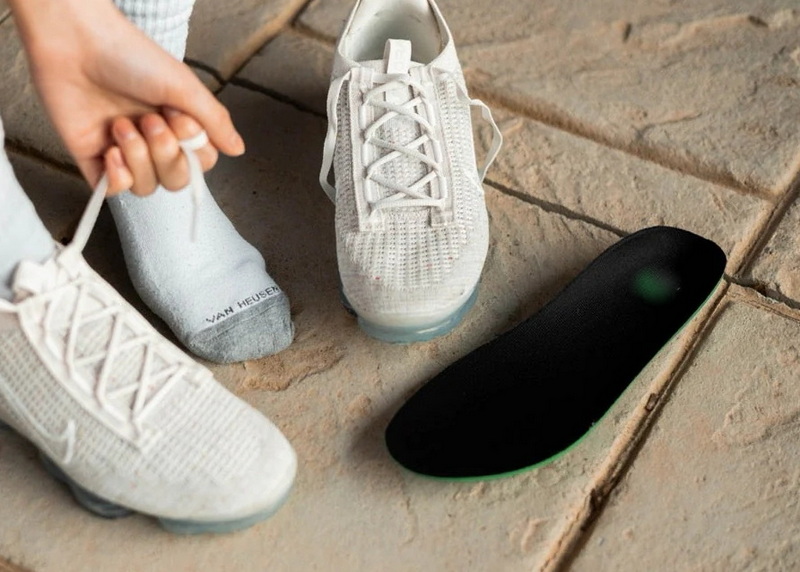
- Removable Insoles: These shoe insoles can be easily taken out for cleaning, drying, or replacement—ideal for athletic shoes and work boots.
- Fixed or Glued Insoles: Found in many dress shoes and casual sneakers, these are permanently attached with glue or stitching.
- Orthopedic Insoles: Custom-made insoles for correcting foot posture or alleviating pain from conditions like plantar fasciitis.
- Odor-Control Insoles: Include antimicrobial layers that help control moisture and bacteria.
- Performance Insoles: Designed for athletes requiring specialized arch support and impact resistance.
Understanding which type of insole you're dealing with is crucial before you try removing it.
Removing shoe insoles isn't just about replacing old ones—it can serve multiple purposes:
- Cleanliness: Sweat and dirt collect inside shoes over time; taking out insoles helps with deep cleaning and odor management.
- Replacement: Insoles flatten or degrade with consistent use. Regular replacement keeps shoes supportive and comfortable.
- Drying: After rain, sports, or washing, drying your insoles separately prevents odors and fungus growth.
- Customization: If you use orthopedic or custom-designed insoles, you often need to remove the original ones first.
- Inspection: Checking under the insole can reveal any damage, worn-out sole lining, or trapped moisture that might harm your shoes.
Regularly removing and maintaining your shoe insoles keeps your footwear in top condition.
Before starting, gather the right tools and ensure a clean workspace. Removing shoe insoles properly involves care and patience.
- Flat-head screwdriver or plastic spatula (for prying)
- Hair dryer or heat gun (for loosening adhesive)
- Clean cloths or towels
- Mild cleaning solution (optional for aftercare)
- Replacement insoles (if you plan to change them)
- Always avoid excessive force when pulling on glued insoles. It can tear the material or damage the shoe's structure.
- For leather shoes, avoid liquid solvents or excess heat, which can warp the material.
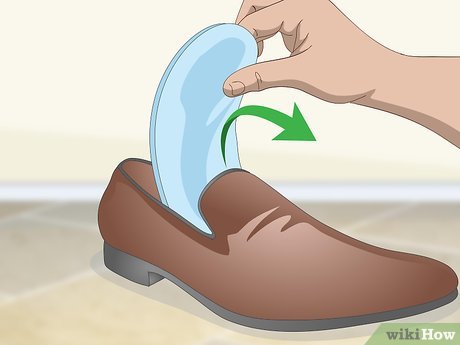
Start by checking if the shoe insoles are removable or fixed. You can do this by lifting the heel edge slightly with your fingers. If it moves easily, it's removable; if it resists, it's likely glued.
For removable insoles:
- Grip the heel area between your thumb and forefinger.
- Pull upward slowly, working toward the toe.
- Keep the insole flat as much as possible to prevent cracking.
For shoes with slightly tacky adhesive, a slow peeling motion will help separate the surfaces safely.
If the shoe insole is glued or stitched in:
- Use a hair dryer to apply gentle heat to the inside of the shoe for 30–60 seconds.
- The warmth softens the adhesive, allowing easier removal.
- Slide a flat tool (screwdriver or spatula) under the heel and lift slowly.
Avoid overheating as it may deform synthetic materials.
Continue peeling in small sections, using your fingers to guide the insole out evenly. Be patient—forcing it can cause tearing or peeling of the shoe liner.
Once removed:
- Use a cloth dipped in mild soap water to clean the inside surface.
- Let the shoe dry completely before inserting new insoles.
- Inspect for leftover glue and remove it gently with adhesive remover if needed.
If the old insoles are reusable, smooth them out and reinsert. If you're installing new ones, trim them according to shoe size before placing them inside. Ensure they sit flat and snug.
Not all shoes are constructed the same. Here's how to deal with a few special cases.
Most running or training shoes include removable insoles designed for easy replacement. Lift them gently by hand—no tools required. If sweat or grime makes them sticky, applying a little warm air can loosen the grip.
Leather shoes often have glued insoles. To remove them without damaging the shoe:
- Apply minimal heat.
- Insert a smooth flat tool and work from the heel forward.
- Avoid alcohol-based adhesive removers; they can stain leather.
Heavy-duty boots sometimes have double-layered shoe insoles: a foam base and a top textile layer.
- Start from the back heel section.
- If the bottom layer is glued, remove only the top portion if it's replaceable.
- Consider professional help if the insole is stitched to the lining.
Casual sneakers vary by brand. Some have removable foam inserts, while others are fixed. Check the manufacturer's website if unsure about removing the insole safely.
Never tear out an orthopedic insole abruptly. If glued, contact your foot specialist or use a hair dryer on low heat before lifting the sides gently.
Replacing old shoe insoles can improve comfort and add years to your footwear life. Here's how to do it correctly:
1. Choose the Right Size: Many replacement insoles come in universal sizes. Trim carefully along the size line for a perfect fit.
2. Test Fit Before Gluing: Always check comfort and alignment before applying adhesive.
3. Use Suitable Adhesive: If required, use a non-toxic shoe glue—avoid strong instant adhesives that can damage foam.
4. Align Properly: Ensure the heel area aligns with the shoe's contour; any misalignment will reduce comfort.
5. Allow Drying Time: If you applied glue, let it cure for at least 12 hours before wearing.
Proper installation ensures the new insoles don't slide, wrinkle, or create discomfort while walking.
Your shoe insoles need regular maintenance to remain hygienic and functional.
- Clean Regularly: Remove and wash them every 1–2 weeks using mild detergent.
- Air Dry: Avoid dryers; instead, let them dry naturally in shade.
- Rotate Insoles: If you have multiple pairs, rotate them to extend lifespan.
- Inspect Often: Flattened or cracked insoles should be replaced immediately.
- Use Odor Absorbers: Charcoal sachets or baking soda packs can help keep shoes fresh.
By maintaining insoles properly, your shoes stay comfortable and odor-free for much longer.
Avoid these pitfalls during removal:
- Pulling Too Hard: Can damage liner or insole shape.
- Ignoring Adhesive Bonds: Using force without loosening glue first may tear the shoe base.
- Using Solvents Incorrectly: Strong chemicals may ruin insole materials.
- Skipping Drying Step: Moist shoes with insoles inside tend to develop mold.
- Wrong Reinstallation: An uneven reinserted insole can cause discomfort or foot strain.
Patience and care are the keys to success.
Typically, shoe insoles should be replaced every 6–12 months, depending on use frequency. Here are signs that it's time for new ones:
- Uneven compression or flattened cushion
- Visible cracks or peeling
- Persistent odor despite cleaning
- Loss of arch support
- Discomfort or pain during walking
In athletic shoes, changing insoles more frequently—every 3–6 months—can maintain performance and injury prevention.
Old shoe insoles can be recycled or reused creatively:
- Recycle foam or gel materials at shoe or sports stores that offer take-back programs.
- Use old insoles as padding for furniture or gardening gloves.
- Avoid burning or disposing in regular trash when recyclable options exist.
Eco-friendly disposal helps reduce waste and supports sustainable footwear practices.
Removing shoe insoles properly helps extend shoe life, maintain hygiene, and ensure comfort. By understanding insole types, applying correct techniques, and replacing them as needed, you keep your footwear performing at its best. Whether for cleaning, resizing, or upgrading to custom orthotics, careful removal and installation ensure lasting comfort and protection for your feet.
Contact us to get more information!
Most shoe insoles should be replaced every 6 to 12 months, but athletes or people who walk daily might need to replace them more frequently—about every 3 to 6 months.
It depends on the material. Foam or gel insoles should be hand-washed with mild soap, while fabric ones may go in a gentle machine cycle. Always air dry them to prevent shrinking or cracking.
Gently heat the shoe interior with a hair dryer to soften the adhesive. Avoid sharp tools and excessive pulling; otherwise, you may damage the shoe lining.
Most replacement shoe insoles come in adjustable sizes. They often include trimming guides to help you customize them to your shoe size.
Clean them regularly, dry them thoroughly, and use odor-absorbing products like activated charcoal or baking soda. Rotating between pairs also helps maintain freshness.


