
Views: 222 Author: Amanda Publish Time: 2025-09-02 Origin: Site


Content Menu
● Benefits of Running with Orthotic Inserts
● How Do Orthotic Inserts Work for Runners?
● Types of Orthotic Inserts for Running
● Choosing the Right Orthotic Inserts for Running
● How to Use Orthotic Inserts in Running Shoes
● Common Challenges and Solutions When Running with Orthotic Inserts
● Orthotic Inserts vs. Stability Running Shoes
● Tips for Successful Running with Orthotic Inserts
● FAQ
>> 1. Can orthotic inserts improve running performance?
>> 2. How do I know if I need custom orthotic inserts?
>> 3. Can orthotic inserts be used with any running shoes?
>> 4. How long does it take to get used to running with orthotics?
>> 5. Are orthotic inserts better than stability running shoes?
Running is a popular form of exercise and sport that demands proper foot support to prevent injury and improve performance. One common question many runners have is, "Can I run with orthotic inserts?" The short answer is yes, orthotic inserts can be worn while running and can offer significant benefits, especially for those with foot alignment issues or discomfort. This article explores everything runners need to know about orthotic inserts, their benefits, how to use them safely, and tips for choosing the right footwear.

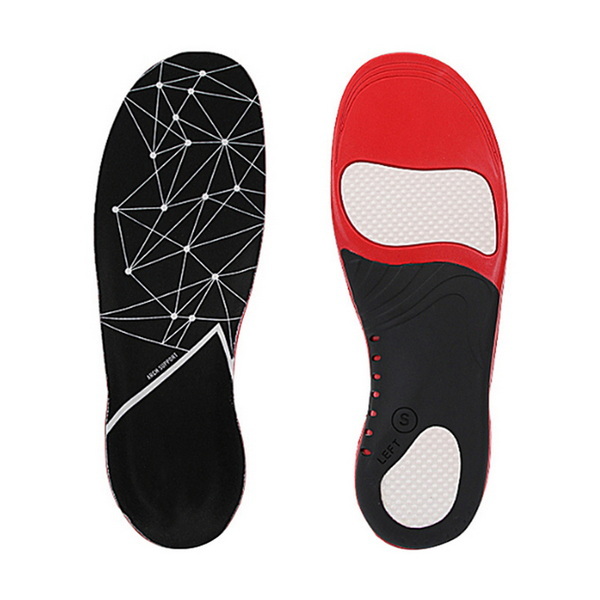
Orthotic inserts are specially designed devices placed inside shoes to provide additional support and cushioning for the feet. These inserts help correct structural or functional foot abnormalities, such as overpronation (excessive inward rolling of the foot) or flat arches. Orthotic inserts come in various types, including custom-made and off-the-shelf options, tailored to meet individual foot structure and medical needs.
Orthotic inserts work by providing a better foundation for the foot during movement, distributing pressure more evenly and preventing abnormal motions that lead to pain or injury. For runners, who experience high-impact forces repetitively, this support can be critical in maintaining foot health and ensuring better biomechanical function.
Running with appropriate orthotic inserts can transform your experience in several ways:
- Improved Foot Alignment and Posture: Orthotic inserts help correct misalignments in the foot and ankle, which positively influences overall posture and running gait. This effect extends beyond the foot and can improve the function of knees, hips, and even the lower back by ensuring proper body alignment.
- Reduced Risk of Injury: By stabilizing the foot and alleviating excessive strain on muscles, tendons, and joints, orthotics help prevent common running injuries such as shin splints, plantar fasciitis, Achilles tendinitis, and stress fractures. Correcting improper foot motion reduces wear and tear on the musculoskeletal system.
- Enhanced Comfort and Shock Absorption: Orthotic inserts provide enhanced cushioning, which lessens fatigue and improves comfort, especially during long-distance running. Proper cushioning absorbs the impact forces efficiently, helping runners maintain endurance.
- Increased Running Efficiency: By correcting biomechanical imbalances, orthotic inserts enable the body to use energy more efficiently. This can lead to improvements in speed and endurance as the runner's gait becomes more natural and less taxing on the body.
These benefits make orthotic inserts an essential tool for runners with biomechanical irregularities or those recovering from foot-related injuries.
Orthotic inserts function primarily by redistributing pressure evenly across the foot and supporting key areas such as the arch and heel. This redistribution smooths out the forces generated during running, which can:
- Minimize abnormal or excessive foot motions that lead to injury,
- Correct gait irregularities and optimize foot strike patterns,
- Provide greater stability through the entire running stride,
- Help maintain proper alignment from the foot to the knee and hip, reducing compensatory movement patterns.
The result is a more biomechanically sound running form that reduces the risk of chronic injuries and muscle fatigue, which often arise from inefficient movement or uneven weight distribution.
Orthotic inserts for running come in a variety of types based on their design, material, and customization level:
- Custom Orthotics: Tailored to the runner's specific foot shape and biomechanics, these are prescribed by a podiatrist or specialist and manufactured from molds of the feet. They provide the best fit and correction but typically come at a higher cost.
- Over-the-Counter Orthotic Inserts: Mass-produced inserts available at sports stores or pharmacies. They offer general support and cushioning but lack the precise customization of custom orthotics. Suitable for mild to moderate issues.
- Semi-Custom Orthotics: These combine features of custom and off-the-shelf varieties, sometimes featuring adjustable components or customizable top covers.
- Sport-Specific Orthotics: Designed specifically for high-impact activities like running, they often include advanced materials for shock absorption and are crafted to handle the repetitive forces of running.
Choosing the right type depends on the severity of foot concerns and budget considerations.
Not all orthotic inserts are created equal for running. When selecting running orthotics, consider:
- Support Level: The inserts should be firm enough to support the arch without collapsing under pressure but flexible enough to allow natural foot movement. Too rigid orthotics can cause discomfort or altered gait.
- Material Quality: High-impact cushioning materials such as EVA foam or gel enhance shock absorption and durability, especially important for runners covering long distances.
- Design Features: Some orthotics incorporate specialized technologies like a reinforced arch support (e.g., a biomechanical fascia bar) for more effective correction.
- Custom vs. Over-the-Counter: If foot pain or abnormalities are pronounced, a custom orthotic prescribed by a healthcare professional usually offers the best outcome. For mild discomfort, quality over-the-counter products might suffice.
- Compatibility with Footwear: Orthotics must fit well with running shoes, requiring shoes with removable insoles or sufficient internal volume to accommodate additional support elements.
Testing orthotics through gradual use, starting with walking and short runs, helps ensure proper comfort and adaptation.

To maximize the benefits of orthotic inserts while running, follow these guidelines:
1. Choose Running Shoes with Removable Insoles: This allows orthotics to be inserted without increasing tightness inside the shoe.
2. Remove Factory Insoles: Taking out the original insoles creates space for orthotics and prevents discomfort.
3. Insert Orthotics Correctly: Make sure the orthotic fits snugly against the shoe's sole without sliding, which could cause instability.
4. Properly Secure Foot with Laces: Lacing should stabilize the foot around the orthotic but not cause tightness or restrict blood flow.
5. Break-In Period: Begin running with orthotics slowly, starting with shorter distances. Gradually increase usage to allow your feet, muscles, and joints to adjust to the altered biomechanics.
6. Regular Maintenance: Keep orthotics clean, dry, and inspect them for signs of wear or loss of support. Replace as needed to maintain functionality.
Using orthotic inserts effectively can sometimes be challenging, especially early on:
- Initial Discomfort: It is common to experience mild soreness as the body adjusts to new foot mechanics. Severe or prolonged pain suggests improper fit or the need for a professional reassessment.
- Improper Fit: Ill-fitting orthotics can cause blisters, hotspots, or worsen alignment issues. Accurate measurement and professional fitting decrease these risks.
- Adaptation Time: Runners should allow enough time for their muscles and tendons to adapt to the new support, avoiding sudden increases in running volume or intensity.
- Orthotic Compatibility: Not all running shoes accommodate orthotics well. Choosing shoes specifically designed for orthotic use can prevent issues.
Consulting a podiatrist or foot specialist is advisable if problems persist or injuries occur.
Runners often ask whether they should use orthotic inserts or stability running shoes designed to control overpronation and provide foot support. These options serve different but sometimes complementary roles:
- Stability Shoes: Built-in features (such as medial posts or dual-density foam) aim to reduce excessive foot motion and are suited for moderate biomechanical concerns. They provide a ready-made support structure without customization.
- Orthotic Inserts: Offered as an add-on inside shoes, orthotics provide personalized correction for individual foot abnormalities, such as arch height and gait mechanics. They are more precise and tailored than stability shoes.
Many runners benefit from using orthotics inside stability shoes, combining the support mechanisms of both for optimal comfort and injury prevention.
- Maintain good running form with short strides and midfoot strike to reduce excessive impact forces.
- Perform adequate warm-ups and cool-downs to enhance flexibility and reduce injury risk.
- Monitor your body for pain or discomfort and rest if needed to avoid overuse injuries.
- Ensure regular evaluation of orthotic inserts for wear and replace them when support diminishes.
- Seek professional advice for gait analysis and orthotic customization for best outcomes.
Running with orthotic inserts is not only possible but highly beneficial for many individuals facing foot pain or biomechanical imbalances. Orthotic inserts improve foot alignment, reduce injury risk, and enhance running comfort and efficiency by providing targeted support and cushioning. Correct selection, proper use, and gradual adaptation of orthotics integrated with suitable running shoes are key to maximizing their benefits. Runners who leverage orthotic inserts wisely can enjoy safer, more comfortable, and higher-performance running experiences. Consulting with a foot care professional ensures the best fit and function tailored to individual needs.
Yes, by promoting better foot alignment and reducing strain on muscles and joints, orthotic inserts can lead to improved running efficiency, greater comfort, and enhanced endurance.
If experiencing chronic foot pain, excessive pronation, or specific structural issues, consulting a podiatrist for a foot evaluation can determine if custom orthotics are necessary.
Orthotic inserts require shoes with removable insoles and adequate internal space. Not all shoes accommodate orthotics well, so it is important to select compatible running shoes.
Adaptation typically takes several weeks. Starting with short distances and gradually increasing running time allows the body to adjust to new biomechanics.
Orthotic inserts offer personalized support for specific foot problems, while stability shoes provide general support against overpronation. They can be used together for optimal benefits depending on individual needs.
[1](https://www.eriepodiatrists.com/blogs/item/53-the-benefits-of-wearing-orthotics-while-running)
[2](https://bcfootankle.com/blogs/item/85-orthotics-and-long-distance-running)
[3](https://klmlabstore.com/blogs/blog/4-long-term-benefits-of-using-custom-orthotic-inserts)
[4](https://bhamfoot.com/how-to-wear-orthotics-in-running-shoes/)
[5](https://medicus.ca/en/guides-and-advices/way-of-life/5-tips-for-running-with-foot-orthotics/)
[6](https://www.runnersblueprint.com/custom-orthotics-vs-stability-shoes-a-running-coachs-personal-take/)
[7](https://runrepeat.com/guides/best-orthotic-friendly-running-shoes)
[8](https://heelthatpain.com/runner-orthotics/)
[9](https://www.drscholls.com/blogs/expert-advice/the-difference-between-orthotics-insoles-and-shoe-inserts)
[10](https://pubmed.ncbi.nlm.nih.gov/1897659/)
[11](https://pmc.ncbi.nlm.nih.gov/articles/PMC9302029/)
[12](https://www.runnersworld.com/uk/gear/a40649877/best-orthotic-insoles/)
[13](https://marathonhandbook.com/running-in-orthotics/)
[14](https://my.clevelandclinic.org/health/treatments/orthotics)
[15](https://www.reddit.com/r/AdvancedRunning/comments/9naz1o/running_in_custom_orthotics/)
[16](https://footlogics-shop.com.au/orthotics-for-sports-and-running/)
[17](https://www.runnersworld.com/gear/a42764903/orthotics-for-runners/)
[18](https://journals.sagepub.com/doi/10.1177/036354659101900416)
[19](https://www.espn.com/espnw/life-style/article/19405383/the-orthotics-debate-how-running-shoe-inserts-dividing-experts)
[20](https://www.runandbecome.com/running-health-advice/orthotic-insoles-running)


