
Views: 222 Author: Edvo Publish Time: 2025-12-26 Origin: Site


Content Menu
● What Are Insoles and Why They Matter
● Can You Remove the Insoles from Your Shoes?
>> When Shoes Have Removable Insoles
>> When Insoles Should Stay Inside
>> Replacing with Customized Support
>> Inspecting Footwear Wear Levels
● How to Safely Remove Your Insoles
● What to Consider When Choosing Replacement Insoles
● The Science Behind Modern Insoles
● Advantages of Removable Insoles in Modern Footwear
● Maintenance Tips for Long-Lasting Insoles
● For OEM and Brand Collaborations
● Common Myths About Removing Insoles
● The Future of Insole Technology
>> 1. Can removing insoles damage my shoes?
>> 2. Can I wash my insoles after taking them out?
>> 3. How often should I replace my insoles?
>> 4. Can I use insoles from another pair of shoes?
>> 5. Are removable insoles better than fixed ones?
Insoles are one of the most overlooked components of footwear design, yet they play a vital role in how comfortable, durable, and supportive a pair of shoes can be. Many people wonder if removing the insole from their shoes is safe or even recommended. Whether you are trying to clean your shoes, add custom orthotic support, or simply adjust the fit, understanding how and when to remove insoles can make a big difference in foot health and shoe performance.
Shoes today are not just about style or protection. They are engineered for comfort, balance, and performance — and the shoe insole is at the heart of that system. But while some shoes feature removable insoles meant for easy replacement, others have fixed insoles that should remain in place. Knowing which type your shoes have helps you make informed decisions and avoid unnecessary wear.

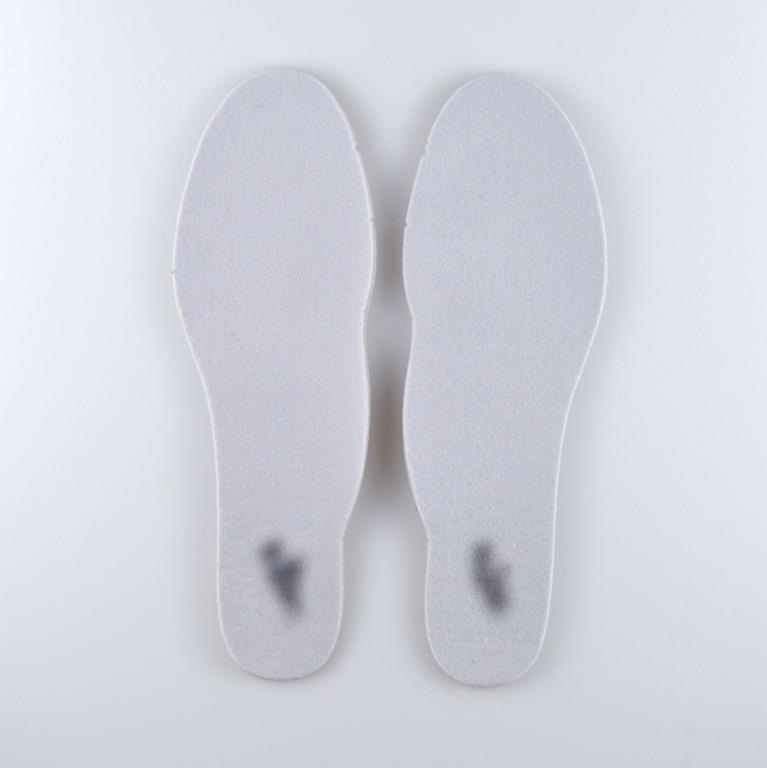
The insole, also called a footbed or inner sole, is the top layer of the shoe that touches your foot. It acts as a cushion, absorbing shock and distributing weight evenly as you move. Beyond comfort, the insole affects your posture, fatigue level, and even the long-term health of your joints.
Good insoles are crafted from a combination of materials designed for specific purposes. Foam materials like EVA (ethylene vinyl acetate) and PU (polyurethane) provide lightweight cushion and flexible support. Gel designs absorb heavy impacts for athletes. Leather options deliver durability and moisture absorption. Latex materials add softness and resistance to odor.
From the perspective of a manufacturer, the insole is also a key design feature. It defines the internal feel of the shoe and allows customization for different markets. Premium brands often specify material hardness, texture, and contour shape to ensure each model provides a consistent comfort identity.
In most shoes, yes — the insoles can be removed. Many sport, hiking, and work shoes are purposely designed with removable insoles. This allows wearers to replace them or insert custom orthotics for additional support. However, not every shoe follows this standard. Certain styles, such as formal dress shoes or fashion loafers, are built with fixed insoles glued or stitched inside. Removing them may risk damaging the shoe's internal construction.
Removable insoles are a feature in functional footwear where comfort and adaptability are key. Athletic shoe brands, outdoor boot makers, and even safety footwear manufacturers understand that customers may need to adjust their support levels or replace worn parts over time.
These insoles are built for easy access — simply lift the edge at the heel and peel it out without resistance. Such designs are practical for athletes who use different orthotics during training, or for workers who must frequently wash or replace moisture-heavy insoles.
Fixed insoles are sometimes needed for structural integrity. Dress shoes, minimalist sneakers, or molded flip-flops rely on permanently attached insoles for balance and aesthetics. Attempting to pull them out can tear the lining or detach the midsole. In these cases, cleaning or replacing should be approached differently, perhaps by surface cleaning instead of removal.
Understanding your shoe type is crucial before attempting any modification.
Removing insoles is not just about curiosity — it serves practical, hygienic, and performance purposes.
Daily use can cause sweat accumulation, bacteria growth, and unpleasant odor inside your shoes. Removing the insoles means you can wash and air-dry them separately, preserving cleanliness and reducing mold risk. Fresh, clean insoles improve the overall experience and longevity of footwear.
Many users remove their original insoles to install orthopedic or podiatrist-recommended inserts. Custom orthotics improve stability and alignment, helping relieve chronic conditions like plantar fasciitis, arch pain, or heel spurs.
Do your shoes feel slightly tight? Removing thick insoles can create extra space. Do they feel too loose? Replacing the insole with a thicker model can improve fit and cushioning. Swapping insoles is an easy way to fine-tune comfort without buying new shoes.
Insoles also reveal how your shoes are performing over time. Flattened areas indicate pressure points or gait imbalances. By removing them, you can inspect the midsole underneath for damage or compression.
For brand owners or wholesale buyers, insoles are removed and replaced frequently when testing material samples. OEM manufacturers often provide various densities, foams, or ergonomic shapes to help customers evaluate comfort levels before finalizing large orders.
If you plan to remove insoles, it's important to use care. Here's a practical method that reduces the risk of tearing:
1. Gently loosen the heel or toe edge of the insole.
2. Slide your fingers or a soft plastic edge underneath it.
3. Lift slowly, working from heel to toe in a smooth motion.
4. Once removed, brush off debris and clean the surface with mild soap and warm water.
5. Let them dry naturally in a ventilated space before reinserting.
If the insole does not lift easily, it's likely fixed. For glued insoles, a cobbler's assistance or gentle heat may help soften adhesive, but excessive force should always be avoided.
Replacing your insoles can breathe new life into your shoes, but not all insoles are created equal. The right replacement depends on several factors.
- Material Quality: EVA and PU foams provide resilient cushioning. Gel insoles work best for shock absorption. Memory foam molds to your foot shape for personalized comfort, while latex and leather offer breathability.
- Support Type: If you have flat feet or overpronation issues, look for arch-supportive designs. High-arched feet benefit from softer mid-depth cushioning.
- Usage Purpose: Running, hiking, working long shifts, or standing all day require different performance characteristics. Athletic models are usually lightweight and ventilated, while work shoe insoles focus on durability.
- Moisture Resistance: Breathable meshes or fabrics wick sweat and keep feet dry. This feature is essential in tropical or humid environments.
- Customization Availability: OEM manufacturers can adjust every detail — thickness, hardness, arch curve, upper fabric, and even printed branding — to create perfect private-label insoles.
By considering these elements, you can ensure lasting comfort and better shoe performance.

Innovation in insole technology has evolved rapidly. Traditional foam designs are now combined with advanced biomechanical engineering. For instance, some insoles feature zoned cushioning — firmer at the heel for support, softer under the toes for flexibility. Others include air pockets or gel panels that redistribute body pressure dynamically as you move.
Ergonomic design is especially vital in occupational footwear. Workers standing for long hours need insoles that sustain elasticity through the day, while runners require responsive rebound properties that enhance energy return.
Reputable manufacturers test their insoles for compression resistance, durability, and surface friction to guarantee both comfort and safety. Every detail matters, from the texture that prevents slipping to the ventilated holes that improve air circulation.
Why do most new shoe designs come with removable insoles? It's not just for convenience — it's a strategic improvement in both product usability and sustainability.
- Enhanced Hygiene: Being able to remove and wash insoles promotes better foot health and reduces odor accumulation.
- Extended Lifespan: Instead of discarding old shoes, you can simply replace worn insoles, saving cost and reducing waste.
- Better Fit for Every Customer: People have different foot shapes, arch heights, and support needs. Removable insoles make one shoe model suitable for more customers.
- Aftermarket Value: Brands can sell premium insole replacements as an accessory, creating extended value for their line.
- Sustainability Advantage: Recyclable insole materials and detachable designs align with global eco-friendly manufacturing trends.
From a manufacturer's view, removable insoles bring new business opportunities. As a leading OEM insole factory in China, we collaborate with international brands to design modular footwear solutions that maximize comfort while minimizing production waste.
Proper care keeps your insoles functional and fresh.
- Keep Them Dry: Always air-dry shoes and insoles after use. Avoid heat exposure, which can warp foam.
- Clean Regularly: Wipe gently with mild detergent, especially after long activity sessions.
- Rotate Between Pairs: If possible, alternate shoes daily so insoles have time to breathe.
- Replace When Needed: Even top-quality insoles lose cushioning with time. Regular inspection and replacement every few months helps maintain performance.
- Use Odor Absorbers: Natural deodorizing powder or charcoal bags can keep insoles fresh between wears.
These small habits protect your shoes and improve day-to-day comfort.
If you are a footwear brand, wholesaler, or private label developer, understanding insole design gives you a competitive edge. An OEM manufacturer can supply customizable insoles that enhance both comfort and brand identity. Clients may choose:
- Density levels of foam for firm or soft feel.
- Moisture management fabrics for athletic designs.
- Patented ergonomic shapes to add differentiated value.
- Anti-bacterial or anti-slip coatings for hygiene-conscious markets.
- Creative branding options, including embossed logos or printed top layers.
Our factory specializes in producing OEM and ODM insoles with advanced technology to meet international standards. With years of export experience, we provide integrated solutions for brands seeking reliable supply chain support for customized footwear components.
Several misconceptions surround removable insoles, leading to confusion among buyers and wearers alike.
- Myth One: Removing insoles always ruins your shoes.
This is false. Removable insoles are designed for flexibility. Only those glued permanently may suffer damage when removed forcefully.
- Myth Two: Only cheap shoes have removable insoles.
In reality, many premium brands include them intentionally for customer customization.
- Myth Three: Insoles don't affect performance.
Incorrect. Insoles directly influence posture, gait, and shock absorption level, all of which impact physical comfort.
- Myth Four: It's unnecessary to replace insoles.
Over time, foam compresses and loses elasticity. Replacing insoles revitalizes worn shoes and improves their feel instantly.
Dispelling such myths helps customers make better maintenance decisions and appreciate the design science behind their footwear.
Even the best insoles cannot last forever. They experience pressure, moisture, and mechanical stress every time you walk.
Typical signs that indicate it is time for replacement include:
- Persistent odor despite cleaning.
- Flattened cushioning or hard spots under the heel.
- Cracking, peeling, or tearing of surface fabric.
- Misalignment causing discomfort or noise.
Active individuals and professionals on their feet all day may need fresh insoles more frequently. As a preventative habit, checking insoles every few months ensures you are never compromising on comfort.
Insole development continues to evolve as manufacturers blend bioengineering principles with modern materials. Some of the new trends include:
- Memory rebound foams offering instant shape recovery for superior comfort.
- Thermo-moldable insoles that form perfectly to the user's foot through gentle heat activation.
- Biomechanical stability platforms that guide natural motion and prevent overpronation.
- Sustainable production, using recycled or plant-based materials to reduce carbon footprint.
- Smart insoles embedded with sensors for fitness tracking or foot health monitoring.
OEM factories focusing on R&D are investing heavily in these technologies, creating opportunities for footwear brands to differentiate their products in global markets.
So, can you take the insoles out of your shoes? In most cases, yes — especially if your footwear has removable insoles designed for care or customization. Doing so allows you to keep your shoes hygienic, replace worn parts, and adapt them to your specific comfort needs.
Whether you're an everyday wearer, an athlete, or a brand owner looking for quality OEM insole production, understanding how insoles work helps you get the most from your footwear. Remember to inspect them regularly, replace when necessary, and choose materials that suit your lifestyle. Well-maintained insoles mean healthier feet and longer-lasting shoes.
It usually won't cause damage if the shoes are designed for removable insoles. However, for glued or stitched ones, removal should be avoided.
Yes, you can hand-wash them with mild soap and water. Always let them air-dry naturally before reinserting to avoid odor or deformation.
Depending on usage and activity level, replace them every six months or when the cushioning feels flat and unsupportive.
Yes, as long as the size and arch height match. Make sure they fit properly without altering shoe balance.
Generally yes. Removable insoles offer easier cleaning, customization, and longer usability, whereas fixed ones are suited for formal or minimalist shoes where aesthetics matter most.


