
Views: 222 Author: Edvo Publish Time: 2025-12-26 Origin: Site


Content Menu
● What Are Insoles and Why Are They Important?
● How Insoles Help Achieve a Perfect Shoe Fit
>> 1. Adjusting Internal Volume
>> 2. Supporting Natural Arch Structure
>> 3. Preventing Slippage and Friction
>> 4. Enhancing Cushioning and Impact Absorption
>> 5. Improving Posture and Whole-Body Alignment
● Materials Commonly Used in High-Quality Insoles
● Types of Insoles for Different Needs
>> Work Insoles
● Customizing Insoles for Optimal Fit
● Manufacturing Insight: OEM Insole Production Process
● The Benefits of Using Insoles for Shoes That Don't Fit Perfectly
● The Science Behind Foot Pressure Distribution
● OEM Customization Advantages for Global Buyers
● Care and Maintenance Tips for Insoles
● Myths About Insoles That Need Clarification
● FAQ
>> 1. How do I know if my shoes need insoles?
>> 2. Can insoles fix shoes that are too big?
>> 3. Are OEM insoles different from standard retail ones?
>> 4. How long do insoles last?
>> 5. What features should brands look for when sourcing insoles?
For many people, buying shoes that look good and feel good at the same time can be a serious challenge. Even with the correct size, shoes often don't fit exactly as expected — they might feel loose in the heel, tight around the toe box, or uncomfortable after long wear. This is where shoe insoles become essential. A high-quality insole can transform footwear comfort, correct sizing issues, and even enhance the lifespan of shoes themselves.
As a leading OEM insole manufacturer in China, we understand the science, materials, and craftsmanship behind each type of insole. This article explores how insoles help shoes fit better, the technologies behind them, the different materials used, and what buyers and brands need to know when sourcing or customizing them.

Insoles, also called inner soles or footbeds, are removable or built-in layers inside shoes that provide support, cushioning, and comfort. Their main purpose is to create a more natural and stable connection between your foot and the shoe.
Whether for casual wear, work boots, sport shoes, or high-end leather footwear, insoles make the internal structure of a shoe more adaptable to different feet. Humans have a wide variety of foot shapes and arch types, and shoe factories can't design one-size-fits-all solutions for every market. Insoles solve this problem by allowing customers — or brands — to fine-tune the comfort and support level after production.
A well-designed insole doesn't simply make the shoe softer. It improves alignment, reduces fatigue, enhances posture, and makes each step more natural.
Every foot is slightly different in shape and width. A pair of insoles can change how much space exists inside a shoe, fine-tuning the fit without altering shoe construction. Thicker insoles reduce excess movement and are excellent for slightly oversized shoes, while thinner designs keep a snug shoe from feeling too tight.
This flexibility reduces waste during manufacturing and makes it easier for brands to serve a broader audience with fewer sizing variations.
The arch acts as the foundation of the entire body. Without proper arch support, the foot collapses inward, leading to pronation and long-term discomfort. Insoles restore the body's natural alignment by stabilizing the heel and supporting all three arches — medial, lateral, and transverse.
Arch-support insoles are particularly beneficial for workers who stand all day, athletes, and people with flat feet or high arches. By distributing pressure evenly, they help prevent injuries such as plantar fasciitis or shin splints.
Loose shoes often cause heel lift, which leads to friction, blisters, or even instability during walking. Properly contoured insoles hold the heel securely in place, reducing unwanted motion. This creates a stable walking or running experience — especially important for high-performance footwear like hiking boots or running shoes.
Feet absorb thousands of impacts each day. Over time, these small shocks lead to fatigue and discomfort. Insoles with advanced cushioning layers—such as PU foam, EVA, or gel—absorb energy and protect joints. In industries like logistics or healthcare, where employees stand or move continuously, this can significantly improve comfort and efficiency.
A wrong shoe fit affects not only your feet but also knees, hips, and even the spine. By supporting proper alignment from the ground up, insoles promote a balanced posture. This benefit extends beyond comfort—it prevents injuries, makes walking smoother, and enhances long-term health.
Each insole material serves a specific purpose. Modern OEM manufacturers use a diverse range of materials to meet different levels of performance, cost, and market needs.
- EVA Foam: Lightweight, flexible, and widely used in both sports and casual shoes. It offers good cushioning and stability with customizable hardness levels.
- PU Foam: Provides excellent resilience and long-lasting cushioning, commonly used in premium insoles.
- Latex: Known for elasticity and breathability, often used in natural or eco-friendly product lines.
- Memory Foam: Conforms precisely to foot contours, offering a luxurious, personalized fit ideal for comfort-oriented footwear.
- Gel: Effective for shock absorption and cooling, preferred in high-impact or therapeutic footwear.
- Leather: Durable, moisture-wicking, and elegant, mainly used in formal or premium shoe models.
- Cork: Naturally antimicrobial and moisture-resistant, popular in orthopedic and sustainable footwear designs.
OEM factories often combine these materials to achieve optimal performance — for example, a memory foam top layer on a shock-absorbing PU base.
The insole industry offers various product categories designed for specific uses.
These focus on softness and relaxed wear for casual walking or long hours of standing. They help with pressure relief and often use lightweight foams and breathable fabrics.
Designed for shock absorption and energy return, athletic insoles are engineered to handle repetitive movement. They often include advanced designs with dynamic arch support and ventilated mesh tops to regulate temperature.
Orthotics correct biomechanical imbalances in the feet. They can alleviate joint pain, correct overpronation, and prevent medical conditions such as plantar fasciitis. Many are semi-rigid and made from thermoplastic or multi-layer foam composites.
Work insoles serve individuals in demanding jobs such as construction, logistics, or healthcare. They enhance comfort and stability even under heavy loads or long shifts.
These prioritize aesthetics and comfort for dress shoes or heels. Slim designs ensure they remain invisible while improving foot stability and reducing pressure on the forefoot.
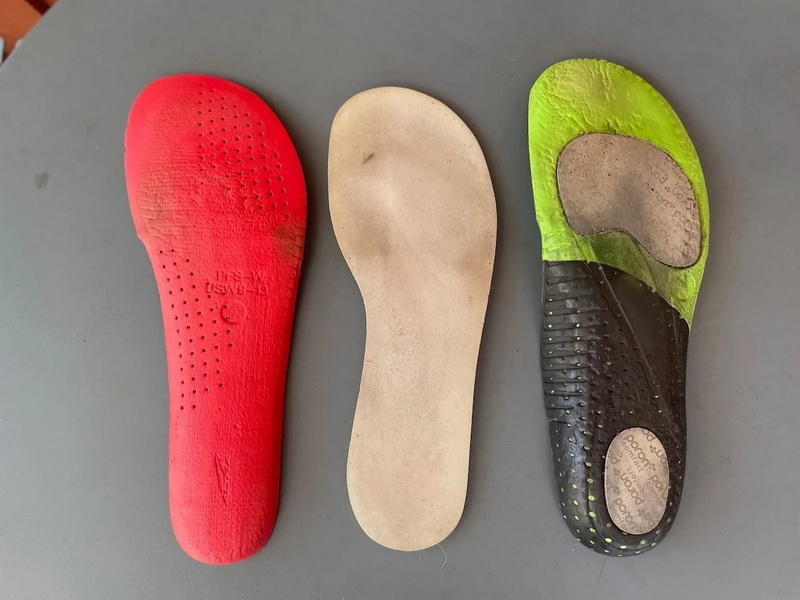
Selecting or designing the right insole begins with understanding the wearer's needs and footwear environment.
- Evaluate Foot Type: Flat feet require arch support; high arches need deeper cushioning.
- Measure Shoe Space: Always consider available shoe volume to avoid making the fit too tight.
- Analyze Activities: Running, standing, or walking require unique shock absorption patterns.
- Select Material Wisely: Match density, flexibility, and breathability to the intended use.
- Consider Replacement Frequency: High-use insoles wear out faster and should be replaced periodically.
For brands, providing customizable insole options increases customer satisfaction and perceived value. Many leading footwear companies now include removable insoles to give users the freedom to upgrade or replace them as desired.
As one of China's leading OEM and ODM insole manufacturers, we apply advanced production techniques that ensure consistency, comfort, and performance for every pair. The typical production cycle includes:
1. Material Sourcing: Selecting raw materials that meet international quality and environmental standards.
2. Design and Engineering: Using ergonomic data and foot pressure analysis to craft precise insole molds.
3. Foaming or Molding: Shaping materials (EVA, PU, or latex) into targeted forms that fit specific shoe designs.
4. Lamination and Assembly: Combining multilayer materials for structure, support, and durability.
5. Surface Treatment: Adding anti-slip or antibacterial coatings, fabric laminations, and logo printing.
6. Testing and Quality Control: Checking for compression resistance, resilience, and consistency across batches.
Through automation, material innovation, and continuous improvement, OEM insole factories deliver customized designs for global footwear brands, retailers, and distributors.
The right pair of insoles offers a wide array of advantages:
- Enhanced comfort: Softer padding minimizes soreness, especially after long use.
- Improved shock absorption: Reduces knee and joint pain while protecting the foot structure.
- Better stability: Keeps your heel steady and minimizes slipping or misalignment.
- Reduced fatigue: Evenly distributed pressure allows longer walking or standing endurance.
- Customizable feel: Users can choose thicker or thinner insoles for personalized comfort.
- Extended shoe lifespan: Internal lining lasts longer and wears more evenly.
- Increased hygiene: Many insoles absorb sweat and prevent odor, keeping shoes fresh.
In industrial or athletic environments, these benefits directly contribute to productivity and injury prevention.
Insole design is closely tied to biomechanics. When we walk, specific parts of the foot — heel, arch, and forefoot — bear different loads at each step. Poorly fitted shoes cause uneven weight distribution, which leads to discomfort and imbalance.
High-tech insoles are engineered using pressure mapping data to relieve stress at high-load zones. Multi-layer or zoned constructions use firmer materials for support and softer ones for shock absorption. This controlled response mimics the foot's natural motion, resulting in more efficient movement and less fatigue.
Elite athletes and outdoor brands now rely on these scientifically optimized insoles to ensure long-term comfort, energy conservation, and stability.
Working with an experienced OEM insole factory offers significant strategic advantages:
- Brand identity: Incorporate logos, designs, or special patterns directly into insole surfaces.
- Material diversity: Choose specific foam types, hardness levels, or breathable fabrics.
- Performance testing: Ensure products meet international standards like ISO, REACH, or SGS.
- Volume flexibility: Produce small test batches or large commercial orders efficiently.
- Cost optimization: Achieve economies of scale without sacrificing quality.
Global wholesalers and footwear producers can partner with OEM manufacturers to create tailored insoles that elevate brand reputation and customer satisfaction. Custom insole solutions often become a brand's signature comfort feature, giving them a strong competitive advantage.
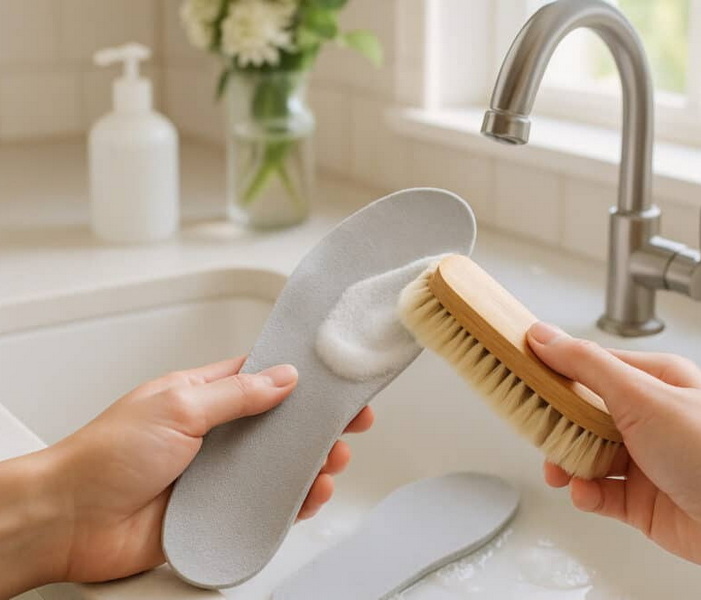
Even the highest-quality insoles require care to perform optimally:
- Remove and air-dry insoles after heavy use.
- Hand wash with mild soap and cold water when needed.
- Do not machine wash or expose to direct heat.
- Replace worn or compressed insoles regularly.
- Store in a dry area to prevent bacterial growth.
Proper maintenance not only extends the insole's service life but also helps preserve the freshness and hygiene of footwear.
Some people think insoles are a “quick fix” that make uncomfortable shoes feel luxurious instantly. The truth is more nuanced. Insoles enhance comfort and adjust fit, but they cannot correct poor shoe construction or sizing errors beyond a certain margin.
Another myth claims all insoles are the same. In reality, performance, quality, and lifespan vary greatly depending on materials, density, and design. OEM-made insoles for professional applications can outperform mass-market inserts by a wide margin.
Lastly, insoles aren't only for older adults or athletes — they benefit everyone, from children learning to walk to professionals wearing business shoes daily.
Insoles are one of the most effective solutions for improving how shoes fit, feel, and perform. They transform footwear comfort by adjusting internal volume, aligning the foot's natural posture, and delivering targeted support.
For individuals, they provide daily comfort, better balance, and long-term health benefits. For international brands, wholesalers, and footwear manufacturers, partnering with a professional OEM insole producer opens opportunities for innovation, customization, and market differentiation.
The right insole turns any shoe into a better-fitting, more supportive product that meets the modern consumer's demand for performance and comfort. In an industry where user experience defines brand reputation, insoles are not just accessories — they are the foundation of a perfect fit.
If your shoes feel uncomfortable, loose, or unbalanced — or if you experience foot pain or fatigue — insoles can improve comfort, fit, and posture.
Yes, thicker insoles can fill extra space and help shoes fit more snugly, especially at the heel and midfoot. They're a practical fix for half-size mismatches.
OEM insoles are produced in bulk for brands and tailored to their quality, comfort, and design specifications. They usually offer higher durability and customization options.
On average, insoles last between six months to one year, depending on wear frequency and material type. High-usage or athletic insoles may need replacement sooner.
Focus on material quality, breathability, cushioning performance, moisture control, and ergonomic design. Working with an experienced OEM supplier ensures consistent and high-quality results.


