
Views: 222 Author: Edvo Publish Time: 2026-01-01 Origin: Site


Content Menu
● Understanding Shoe Fit and Foot Anatomy
● How Insoles Improve Shoe Fit
>> 1. Filling Extra Space and Improving Grip
>> 2. Supporting Arches and Distributing Pressure
>> 3. Enhancing Cushioning and Shock Absorption
>> 4. Correcting Posture and Foot Alignment
>> 5. Reducing Friction and Maintaining Stability
● Different Types of Insoles for Better Shoe Fit
● The Role of Materials in Fit and Performance
● OEM and Custom Insole Manufacturing
● Additional Benefits Beyond Fit
● When and How to Replace Insoles
● Selecting the Right Insole for Your Needs
● Biomechanical and Ergonomic Impacts
● Importance of Breathability and Hygiene
● The Role of Technological Innovation
● OEM Advantages for Global Footwear Brands
● The Connection Between Comfort and Brand Perception
● Future Trends in Insole Innovation
● FAQ
>> 1. How do I know if I need insoles?
>> 2. Can insoles replace factory inserts?
>> 3. Do insoles help with foot pain?
>> 4. How often should insoles be replaced?
>> 5. Can insoles affect shoe size?
The comfort and stability of a shoe depend not only on its design or brand but on how well it fits the shape and structure of your foot. Even premium shoes can feel uncomfortable if the inner fit is slightly off. Fortunately, shoe insoles—also known as footbeds—offer a simple yet transformative way to enhance shoe fit, comfort, and performance.
But can insoles truly make shoes fit better? The answer is a resounding yes. Beyond their classic role in cushioning the foot, insoles fine-tune internal space, correct alignment, and create a custom fit. Whether you're a casual walker, athlete, or manufacturer exploring OEM solutions, understanding the power of insoles can reshape how you view footwear design and quality.
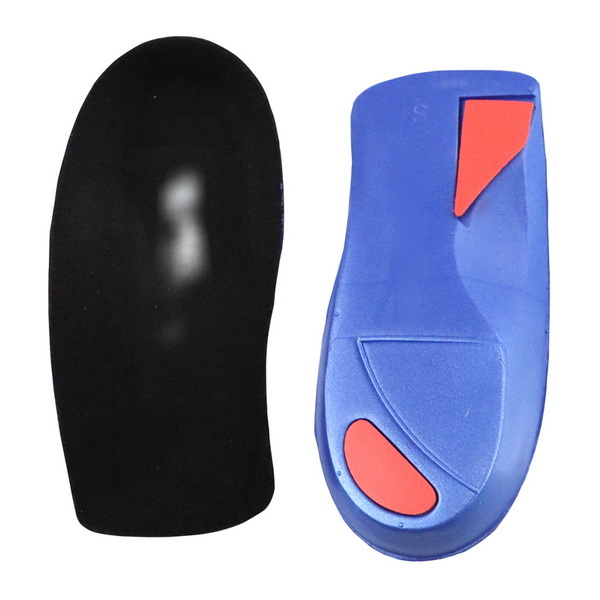
Shoe fit depends on several factors: not only the size or length but also the arch height, instep volume, and heel width. Each person's foot shape is unique, and mass-produced footwear often fails to accommodate these differences.
When shoes don't align with natural foot contours, pressure points develop. This can lead to blisters, fatigue, and long-term posture issues. Insoles bridge this gap by adapting the shoe interior to individual anatomical needs, enhancing comfort without altering the shoe's structure.
A common reason shoes feel uncomfortable is incorrect sizing—perhaps half a size too large. Insoles occupy that unnecessary volume, ensuring the foot stays secure. By reducing internal slipping, wearers experience fewer friction spots and greater control during movement.
This approach works especially well for casual sneakers, dress shoes, and boots where tighter control is needed without sacrificing flexibility. It's also a cost-effective alternative to replacing slightly oversized pairs.
Shoes often come with flimsy inserts that offer minimal structural support. Proper insoles correct that problem by supporting the arch—the foundation that determines balance and posture.
High-arched individuals require raised support to maintain stability, while flat-footed wearers benefit from structured cushioning that prevents inward rolling. By redistributing body weight across the sole, insoles reduce hotspots, knee stress, and fatigue.
When walking or running, each step generates significant impact that travels from the heel up to the knees and hips. A quality insole absorbs and disperses this impact before it reaches the joints.
Cushioning materials like PU foam, EVA, latex, and gel all play distinct roles. Dense foams provide resilience and long-term durability, while soft foams add plush comfort. The right combination ensures that comfort does not compromise stability.
Good posture begins at ground level. Improper alignment often leads to pain in the ankles, hips, and even the lower back. Motion-control insoles steer the foot naturally, preventing overpronation or supination and supporting a more balanced stance.
By centering the foot correctly, insoles align the kinetic chain—from foot to leg to spine—creating not just a better fit inside the shoe but improved biomechanical efficiency during every step.
When a shoe's interior does not match the contour of the foot, friction points emerge. Over time, this repeated rubbing causes skin irritation, blistering, and discomfort. Insoles made from breathable, smooth-surface fabrics reduce shear and maintain steady contact between foot and shoe.
Moisture-wicking linings and anti-slip coatings enhance both hygiene and fit, ensuring that feet remain dry, stable, and odor-free throughout the day.
Not all insoles achieve the same result. Depending on material composition, shape, and purpose, they can provide cushioning, structure, or both. Below are the main categories that improve fit and comfort.
- Full-length insoles: Cover the entire footbed, ideal for replacing factory inserts and achieving full support.
- Half insoles: Adjust the front or mid-foot region only, reducing tightness at the toe box.
- Arch-support insoles: Focus on the longitudinal arch to correct posture and relieve pressure.
- Heel cups and pads: Fill out extra heel space, improving stability and balance.
- Orthotic insoles: Engineered for foot conditions like plantar fasciitis or overpronation.
- Gel or memory-foam insoles: Perfect for users seeking immediate softness and adaptability.
Manufacturers often combine multiple types into hybrid designs, offering personalized comfort. For example, a sports model may feature a cushioned forefoot section and a reinforced arch to handle both impact and posture correction.
Material selection is the foundation of effective insole design. Each material contributes differently to comfort, flexibility, and durability.
- EVA (Ethylene Vinyl Acetate): Lightweight and resilient, ideal for shock absorption in athletic or casual shoes.
- PU Foam (Polyurethane): Strong, flexible, and long-lasting—commonly used in work boots or high-performance shoes.
- Memory Foam: Adapts to foot shape for instant comfort, though less supportive for prolonged activity.
- Gel: Offers dynamic rebound and reduced fatigue for heavy-duty or sports applications.
- Latex and Cork: Natural, breathable materials often used in eco-friendly footwear for added sustainability.
A well-engineered insole blends several layers such as EVA base support, PU stabilizer, and a breathable top mesh. This multi-layer construction ensures ergonomic alignment while regulating micro-temperature inside the shoe.
For global brands and distributors, collaborating with OEM insole manufacturers opens access to customization possibilities. By tailoring designs, manufacturers can match their insole specifications to brand identity and customer demographics.
Customization may include:
- Adjusting thickness, density, or curvature.
- Selecting premium antimicrobial or moisture-wicking fabrics.
- Adding brand logos through embossing or screen printing.
- Developing region-specific models for climate adaptation.
Advanced Chinese manufacturers utilize CNC cutting, laser shaping, and computerized molding to ensure precision. These methods guarantee consistent quality across mass production without losing the personalization that buyers demand.
While fit improvement remains the headline advantage, quality insoles deliver several other critical benefits for both end users and brands.
- Enhanced posture alignment: Improved foot support contributes to balanced body positioning.
- Prolonged comfort: Reduced pressure leads to longer wear time without fatigue.
- Injury prevention: Proper contact angles lower the likelihood of ankle sprains or tendon strains.
- Longer shoe lifespan: Even pressure and improved sweat control slow material wear.
- Brand loyalty: Customers associate comfort with value, making customized insoles an effective retention tool.
For OEM partners, incorporating specialized footbed designs into product lines also elevates perceived brand quality, allowing positioning toward premium comfort markets.
Insoles naturally compress and degrade with time. The moment cushioning becomes thin or uneven, the foot's natural motion loses balance. As a general rule, replacement is recommended every six to twelve months.
Common warning signs include:
- Flattened or hardened surfaces
- Noticeable odor or moisture buildup
- Uneven comfort across both shoes
- Persistent foot or knee discomfort
Having removable or replaceable insoles adds design value for brands and consumers alike. It extends product usability and encourages repeat purchases—an important factor in retail and e-commerce models.
Choosing the best insole depends on more than just foot type. Consider lifestyle, environment, and desired performance:
1. Lifestyle and activity: Running shoes require dynamic insoles; office shoes benefit from comfort foam.
2. Foot type: Identify whether your arch is high, neutral, or flat before selection.
3. Shoe category: Hiking boots need more rigidity, while sneakers may focus on cushioning.
4. Material preference: Pick EVA or PU for strength, gel for impact resistance, or memory foam for comfort.
5. Climate adaptation: Breathable options perform best in warm conditions, while dense foams insulate well in winter.
Shoe brands can leverage demographic data—age, region, or sport type—to create targeted product profiles that enhance global competitiveness.
From a biomechanical perspective, insoles act as mediators between the body and ground. By adjusting how forces travel through the feet, they influence posture and energy efficiency.
Properly engineered insoles distribute load evenly across metatarsal regions, minimizing strain on muscles and ligaments. This ensures smoother transitions during walking or running, improving gait stability and energy conservation.
For industries like healthcare, construction, and athletics, ergonomically balanced insoles reduce work-related fatigue and help maintain proper skeletal alignment. Manufacturers emphasizing this functional science gain competitive advantage in both B2B and direct-to-consumer markets.
Fit is not only about dimension—it also involves temperature and moisture control. Shoes that trap sweat quickly lose comfort and breed bacteria. Insoles crafted from breathable fabrics and ventilating foam layers facilitate air circulation, maintaining freshness.
Advanced designs now incorporate activated carbon filters or ionized coatings that neutralize odor and prevent microbial growth. These features align with modern consumer preferences for hygiene, making them valuable in brand differentiations.
Modern insole manufacturing leverages materials science, biomechanics, and digital production techniques to achieve precision. 3D scanning and foot-mapping software now enable manufacturers to analyze pressure points and curvature, creating efficient prototypes with balanced support.
Technological progress also supports eco-sustainability. Recycled EVA foam, biodegradable latex, and water-based adhesives are increasingly used. These solutions minimize carbon footprint while maintaining structural integrity—allowing brands to meet both comfort and sustainability goals.
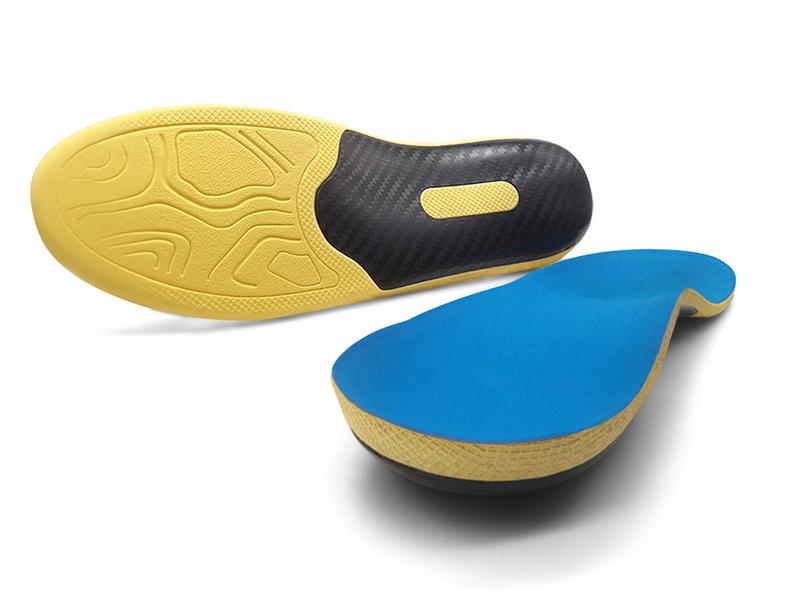
Leading OEM insole manufacturers in China combine craftsmanship with automation, offering flexible batch production that aligns with global distribution timelines. Their strength lies in balancing low-cost scalability with advanced customization.
By integrating OEM insoles into product lines, global footwear brands benefit in multiple ways:
- Faster customization cycles to adapt to retail trends.
- Improved quality consistency across collections and regions.
- Access to new material technologies developed through continuous R&D.
- Shared branding opportunities, including co-labeled insole designs for private labels.
Whether for sports, wellness, fashion, or medical footwear, OEM partnerships help brands deliver optimized shoes that fit better, perform longer, and attract loyal customers.
In the modern footwear market, comfort equals credibility. Consumers increasingly value shoes that “feel right” upon first try. Insoles provide that instant comfort, helping brands exceed expectations in outdoor, fitness, and everyday footwear segments.
Beyond B2C advantages, wholesalers and retailers benefit from reduced return rates when shoes fit well. Better fit means higher customer satisfaction, improved brand trust, and sustained market growth.
For manufacturing partners, providing premium insole solutions demonstrates a commitment to long-term value rather than short-term sales—a vital distinction in an increasingly competitive industry.
As digital production continues to evolve, the future of insoles lies in custom-fit technologies and smart materials. Developments include:
- 3D printed insoles tailored precisely to individual foot shapes.
- Sensor-embedded insoles that monitor gait, posture, and step count.
- Temperature-responsive foams that adapt firmness based on body heat.
- Sustainable bio-materials created from plant-based polymers and natural latex blends.
Such advancements align with both performance-driven industries and eco-conscious consumers. Brands that adopt these technologies early can differentiate themselves through innovation, comfort, and environmental awareness.
The question “Can insoles make shoes fit better?” has only one answer: absolutely. Insoles effectively bridge the gap between standard footwear design and individual comfort needs. From cushioning to support, alignment to moisture control, they transform ordinary shoes into personalized equipment.
For manufacturers, distributors, and brands, investing in quality insoles is more than a technical upgrade—it's a competitive advantage. By integrating customized or OEM insole solutions, companies deliver superior comfort, boost customer satisfaction, and strengthen brand loyalty. The result is footwear that not only fits better but performs better, lasts longer, and feels uniquely right.
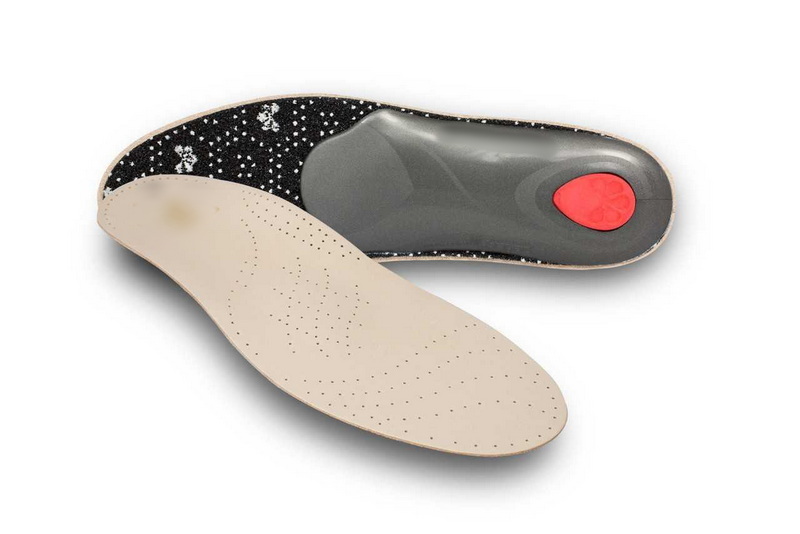
If your shoes feel uncomfortable, loose, or cause pressure points, insoles can adjust interior fit, support arches, and restore comfort.
Yes, most insoles are designed to replace removable inserts. High-quality insoles offer greater support, breathability, and durability.
Yes. Insoles improve alignment, reducing stress on joints and muscles, which helps relieve conditions like plantar fasciitis, arch pain, and fatigue.
Replace insoles every six to twelve months, or sooner if cushioning flattens or odors persist, to maintain proper support and hygiene.
Insoles can slightly reduce internal volume, improving fit in loose shoes. However, they cannot correct shoes that are too small.


