
Language
Views: 222 Author: Edvo Publish Time: 2025-11-06 Origin: Site


Content Menu
● What Are Memory Foam Insoles?
● Why Proper Maintenance Is Important
● Can You Put Memory Foam Insoles in The Dryer?
● The Science Behind Memory Foam Damage
● How Should You Dry Memory Foam Insoles Safely?
>> 5. Avoid Heaters and Direct Sun
>> 6. Use Newspaper or Absorbent Material
● Step-By-Step: Cleaning Memory Foam Insoles
>> Step 1: Remove Insoles from Shoes
>> Step 2: Prepare a Mild Cleaning Solution
● Additional Memory Foam Maintenance Tips
>> Regular Cleaning and Alternation
>> Storage
● Troubleshooting: What If Your Memory Foam Insole Shrinks or Warps?
● Environmental and Health Benefits of Proper Care
● Industry Perspective: Why Manufacturer Guidance Matters
● Frequently Asked Questions (FAQ)
>> 1. Why are dryers harmful for memory foam insoles?
>> 2. What is the safest drying method for memory foam insoles?
>> 3. Can I clean my insoles with strong cleaners or bleach?
>> 4. How often should I clean or replace memory foam insoles?
>> 5. How do I remove stubborn odor from memory foam insoles?
Memory foam insoles are the preferred choice for people seeking exceptional comfort, support, and pressure relief for daily activities or intensive employment. This technology, leveraging advanced viscoelastic polyurethane, has made a significant impact on footwear—from sports, casual shoes, and work boots to health-centric medical devices.
But the question remains for anyone using or selling these products: Can you put memory foam insoles in the dryer? This article delivers an authoritative answer and outlines the essential steps for cleaning, drying, and caring for memory foam insoles. As a leading Chinese manufacturer specializing in OEM insole supply, we also share industry insights for extending product life and customer satisfaction.

Memory foam insoles are crafted from specialized polymers that mold to foot contours under pressure and return to their shape as the force releases. Their cell structure provides effective shock absorption, helping reduce impact fatigue and supporting proper foot alignment. Thanks to their adaptability, they're widely favored by athletes, workers on their feet all day, and anyone seeking maximum comfort in each step.
The cushioning and breathability of memory foam make these insoles valuable for:
- Long-distance walkers and runners
- Workers in standing occupations
- Children, seniors, and those with sensitive feet
- People suffering from foot-related pain and daily discomfort
Caring for memory foam insoles not only preserves their comfort but also extends their overall lifespan. Proper maintenance ensures optimal elasticity and hygiene. Memory foam, while durable and flexible, is sensitive to harsh cleaning agents, heat, and improper drying. Understanding the right cleaning technique can be the difference between months and years of insole performance.
When insoles are incorrectly cleaned or dried, it's common to see issues such as:
- Loss of shape and bounce
- Wrinkled or hardened surfaces
- Persistent odors and pathogenic bacteria accumulation
- Visible shrinkage or distortion
The answer is clear – memory foam insoles should never be dried in a tumble dryer. Excessive heat causes the foam material to lose structure, collapse, or permanently shrink. Mechanical tumbling further distorts or wrinkles the insole, destroying contours and cushioning performance.
Choosing improper drying methods—whether a tumble dryer, hairdryer, or heater—results in:
- Shrinkage and irreversible deformation
- Hardening or cracking of foam texture
- Loss of ergonomic fit: insoles become misshapen and unusable
- Breakage of cell structure: bounce and comfort are noticeably reduced
Air drying is the sole safe method for memory foam insole care.
Memory foam is a composition of interconnected, open cells created using polyurethane. The heat sensitivity that gives memory foam its “memory” also makes it vulnerable to thermal damage. Prolonged exposure to high temperatures above 40°C (104°F) can irreversibly break foam bonds, collapse air cells, and flatten cushioning. The result is a compressed, shrunken insole with little left to offer in terms of comfort.
There are safe steps every user should follow:
After cleaning, press a clean, dry towel against your insoles to absorb as much water as possible. Avoid wringing, twisting, or applying force, which risks tearing delicate foam layers.
Set your insoles down on a clean towel in a cool, well-ventilated area. Shaded spots are ideal, because direct sunlight can be as dangerous as a dryer.
Increase natural airflow by positioning a small fan several feet away or leaving insoles near an open window. Good circulation expedites the drying process and aids odor removal. Never place the fan too close, and avoid strong blast settings.
Drying typically requires 8–24 hours, depending on foam thickness, water content, and local humidity. Rushing the process increases the risk of residual moisture, promoting bacteria and mold growth.
Never use hair dryers, space heaters, radiators, or direct sunlight for drying. Artificial heat dries unevenly, leaves surface “hot spots,” and can warp the foam.
If time is short, layer crumpled newspaper around and under the insoles to gently draw out moisture.

Carefully pull out your insoles to avoid damaging the foam edges.
Use 1–2 drops of gentle dish soap in lukewarm water. For odor removal, add a sprinkling of baking soda. Avoid strong chemicals, hot water, or bleach.
With a soft-bristled brush or a clean cloth, lightly scrub both sides of the insole. Pay extra attention to heel and toe areas where sweat and dirt accumulate. Limit soaking to five minutes maximum; memory foam is not meant for heavy water absorption.
Wipe off soap residue with a clean, moist cloth. Avoid immersing the foam for extended periods.
Blot surface water with a towel and proceed to air dry as described.
Maintaining freshness and cushioning is best achieved by cleaning insoles every 2–4 weeks, especially for athletes and active persons. Alternating between two pairs allows each set of insoles proper recovery time and decreases wear.
Using moisture-wicking covers or liners helps protect the foam from sweat and bacterial build-up, reducing how often deep cleaning is needed.
Sprinkle baking soda onto dry insoles, leave overnight, then gently brush away residue for noticeable odor reduction.
For stains, use a small amount of diluted detergent and a clean toothbrush to work the solution into affected areas—never saturate the foam.
Always store clean, dry insoles in a breathable shoe cabinet or box, away from direct sunlight, heat, or humidity.
- Over-soaking insoles: Foam will break down and lose elasticity.
- Using hot water or strong chemicals: Destroys foam bonds and reduces lifespan.
- Drying in direct sunlight or artificial heat: Causes shrinkage, discoloration, and warping.
- Neglecting regular inspection: Dirt buildup shortens functional life; replace insoles when flattening appears.
Immediate action can help, but permanent solutions are limited if foam bonds are broken:
- While damp, gently coax into shape by hand and flatten under a heavy book for 12–24 hours.
- For minor warping, placing insoles in shoes and walking lightly may help restore shape.
- Severe shrinkage, hardening, or loss of bounce usually demands replacement; continuing use can cause discomfort or foot pain.
Memory foam insoles typically last between 6–9 months under daily use. Factors affecting lifespan include:
- Intensity of use (sports, work, medical applications)
- Cleaning frequency and method
- Shoe style and fit
Replacing insoles before they lose their spring ensures the foot support and hygiene your brand and end consumers expect.
Promoting regular cleaning and proper drying not only improves user experience but also reduces waste and environmental footprint. Longer-lasting insoles mean fewer replacements, less material disposed, and lower long-term cost for users and resellers.
As a premium OEM supplier, it's vital for manufacturers and suppliers to educate retail partners and end consumers about care instructions. Clear packaging, QR codes leading to care videos, and service team support all help retail customers achieve extended satisfaction—and fewer product returns.
Never use a dryer for memory foam insoles; heat and mechanical force permanently damage their structure. The safest way to clean is gentle hand-washing, followed by air drying in a shaded, ventilated area. With proper maintenance, your memory foam insoles provide maximum comfort, performance, and longevity, supporting users and OEM brands in delivering exceptional value.
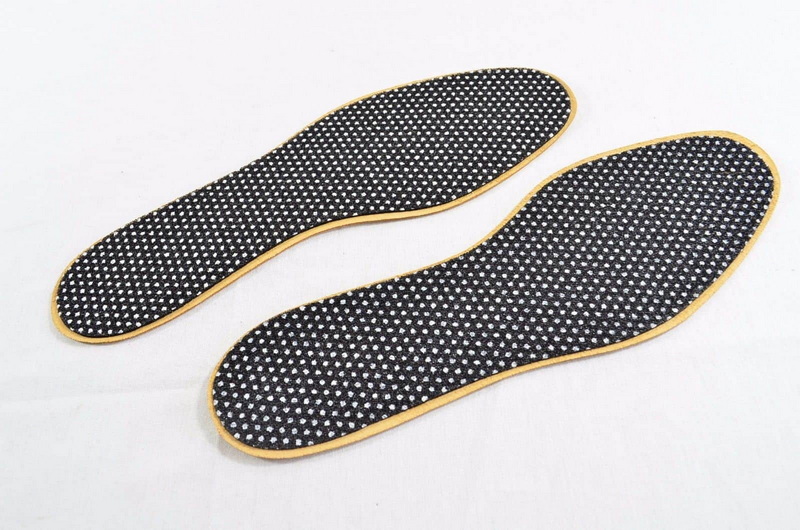
Dryers generate excessive heat and motion, which collapse foam cells, causing shrinkage and deformation.
Always pat dry with a towel and air dry in the shade, allowing natural airflow without artificial heat.
No. Strong cleaning chemicals and bleach degrade polyurethane structure and can cause hardening or foul odors.
Clean every 2–4 weeks and replace every 6–9 months, or when visible wear or loss of comfort appears.
Use baking soda for natural deodorizing; let sit overnight on dry insoles, then gently brush away powder before use.


