
Views: 222 Author: Edvo Publish Time: 2026-01-10 Origin: Site


Content Menu
● Understanding Insoles and Their Functions
● The Importance of Replacing Insoles
>> 3. Odor and Hygiene Control
● Signs It's Time to Replace Insoles
● Step-by-Step: How to Replace Insoles in Shoes
>> Step 1: Remove the Existing Insoles
>> Step 2: Choose the Appropriate Replacement Type
>> Step 5: Adjust or Trim if Needed
● Choosing the Right Replacement Insoles
● Impact of Insoles on Foot Health
● OEM Insole Manufacturing and Customization
● How Often Should You Replace Insoles?
● Tips to Extend the Life of Your Insoles
● The Environmental Side of Insole Replacement
● How to Dispose of Old Insoles Responsibly
● The Role of Insoles in Shoe Fit and Comfort
● Why Partner with an OEM Insole Manufacturer
● FAQ
>> 1. How can I tell if my insoles are worn out?
>> 2. Do all shoes allow insole replacement?
>> 3. Which type of insole is best for foot pain?
>> 4. Can replacement insoles make shoes smaller or tighter?
>> 5. How should I clean insoles without damaging them?
Shoes are more than just an accessory — they are the foundation of your daily comfort, posture, and performance. Whether you're walking to work, running for exercise, or standing for long hours, your feet take the impact of every step. Over time, even the most durable shoes begin to feel uncomfortable, and the reason is usually shoe insoles.
Many people ask, Can you replace insoles in shoes? The answer is a definite yes. Replacing insoles is one of the easiest and most effective ways to restore comfort, enhance support, and prolong the lifespan of your favorite footwear. This article explores everything you need to know — from why insoles matter and when to replace them, to selecting the right type and ensuring a perfect fit.
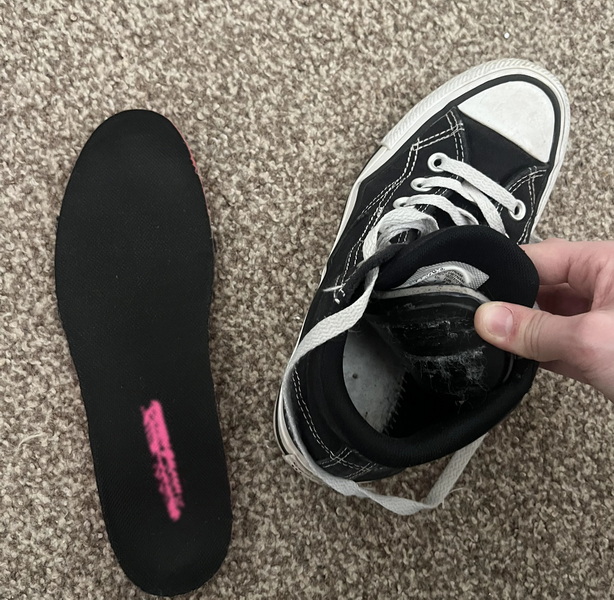
Insoles, often referred to as footbeds, liners, or inner soles, are removable or built-in layers placed inside footwear. Their primary role is to provide cushioning and structural support, improving overall comfort and performance.
Different materials and designs offer distinct benefits:
- EVA foam: Lightweight and resilient, widely used in sports shoes.
- Memory foam: Provides customized comfort by adapting to the shape of your feet.
- Gel-based insoles: Excellent for impact absorption, ideal for running or high-activity use.
- Cork and leather: Natural materials commonly found in premium or formal footwear, promoting breathability and durability.
Insoles not only define how shoes feel underfoot but also influence foot health by distributing weight evenly, reducing fatigue, and minimizing pressure points.
Even premium footwear cannot last forever without some maintenance. As shoes are used daily, the insoles flatten, absorb sweat, and gradually lose their structure. Here are key reasons to replace insoles regularly:
Flattened insoles can make your shoes feel tight or uneven, causing discomfort. A new pair restores your shoes' plush feel, providing fresh cushioning with every step.
Over time, insoles lose their shape, which leads to poor arch support and unnatural walking patterns. Fresh insoles help align your feet and reduce strain on your ankles, knees, and lower back.
Old insoles often harbor sweat, bacteria, and odor. Replacing them is not only hygienic but also helps maintain a fresher smell, especially for those who wear shoes for long hours.
Rather than discarding an entire pair of shoes, you can extend their life by simply replacing insoles at a fraction of the cost.
Every activity requires a different type of support. For example, running insoles emphasize shock absorption, while work boot insoles focus on stability. Swapping insoles lets you customize shoes for any purpose.
Regular inspection is the best way to determine when it's time for new insoles. Look out for these common signs:
- Visible wear or cracks in the material.
- Diminished cushioning, leading to discomfort.
- Lingering odors even after washing.
- Increased foot fatigue or pain during daily activities.
- Misalignment or shifting when walking.
If you experience any of these, replacing your insoles can immediately restore comfort and shoe performance.
Replacing insoles can be done at home in just a few minutes if you follow the right process.
Start by carefully removing the old insoles. Some may be glued lightly to the shoe's bottom, so pull gently to avoid tearing the lining. Clean the shoe interior to remove debris, dust, or moisture.
Consider your activity level, foot condition, and shoe type before choosing replacements. Here are the main categories:
- Comfort insoles: Focus on cushioning for all-day wear.
- Support insoles: Offer increased arch or heel support for flat feet or plantar fasciitis.
- Custom orthotics: Designed for specific medical conditions or professional athletes.
- Gel and air insoles: Provide superior shock absorption for high-impact movements.
Use your old insole as a cutting template. If your new pair is too large, trim around the edges gradually until it fits perfectly inside the shoe.
Place the new insoles toe-first, ensuring they lie flat and cover the entire shoe base. Try walking or jogging indoors for a few minutes to confirm comfort and stability.
If you feel any unevenness or tightness, remove the insole and trim small sections to refine the fit. Comfort should be instant and natural.
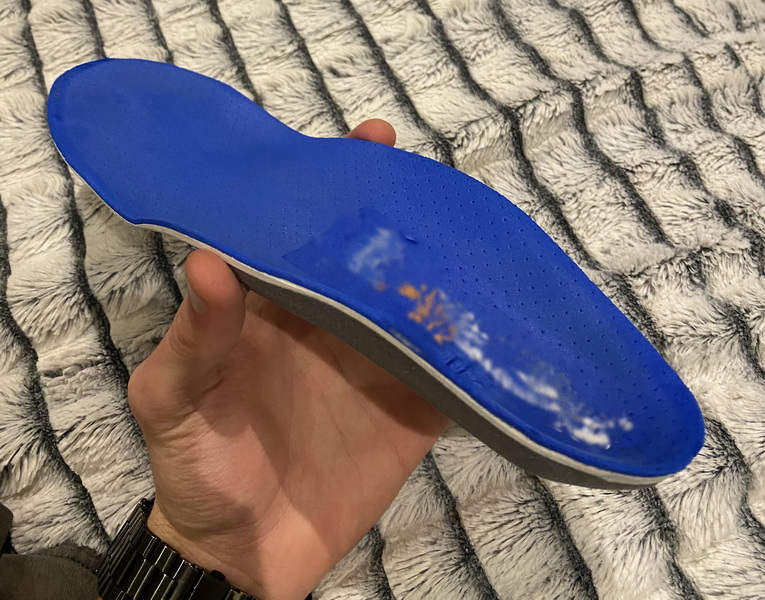
Finding the right replacement can make or break your footwear experience. Consider these essential factors before purchasing:
Everyone's feet are different. Identifying your arch type helps select the correct insole:
- Low arches / flat feet: Require structured support to prevent overpronation.
- Medium arches: Benefit from moderate cushioning and stability.
- High arches: Need enhanced shock absorption to distribute body weight properly.
Different activities demand unique insole properties:
- Running and sports: Require high-energy rebound and heel stability.
- Work boots: Need firm structure, durability, and anti-fatigue design.
- Casual wear: Focus on long-lasting comfort and flexibility.
- Orthopedic use: Prioritize biomechanical alignment and medical-grade support.
Material determines durability and comfort. Premium foams, gels, and breathable fabrics often outperform cheap alternatives, especially for professional or daily use.
Those suffering from common foot issues should select insoles accordingly:
- Heel pain: Gel heel cups or cushioned heel inserts.
- Plantar fasciitis: Deep heel support and firm arch structure.
- Metatarsalgia: Added forefoot padding to absorb pressure.
By matching insole design to your foot type and activity, you can prevent fatigue and improve posture.
The condition of your insoles affects not only comfort but also long-term foot structure. Replacing insoles regularly ensures:
- Healthier joints: Proper support reduces strain on the knees and hips.
- Improved circulation: Breathable and shock-absorbing materials reduce pressure points.
- Fewer injuries: Balanced support prevents overpronation and blisters.
Neglecting worn-out insoles may lead to chronic discomfort, back pain, or joint stiffness — all easily preventable with timely replacement.
As one of China's leading insole manufacturers, our company specializes in OEM and private-label production for international brands, wholesalers, and footwear producers. We combine modern manufacturing technology with material science to meet a variety of market needs.
- Material Innovation: Options including EVA foam, PU, latex, gel, memory foam, and recycled materials for sustainability-conscious brands.
- Customized Design: 3D prototypes, contour shaping, and density variation to match different customer requirements.
- Brand Personalization: Logo printing, packaging customization, and unique surface textures for brand differentiation.
- Mass Production Capability: Fully automated lines capable of both high-volume and low-MOQ orders for startup brands.
- Quality Assurance: Rigorous durability tests, moisture control checks, and consistent batch inspection ensure reliable performance.
OEM insoles are critical for shoe producers seeking long-term partnerships with dependable suppliers. Our manufacturing process prioritizes precision and flexibility, allowing our clients to respond quickly to changing consumer demands for comfort and style.
The ideal replacement frequency depends on the intensity of use, climate, and the insole material itself. On average:
- Everyday casual shoes: Replace every 8–12 months.
- Running or sports shoes: Every 3–6 months due to higher impact.
- Work boots or safety shoes: Every 6–9 months for continuous comfort.
However, heavier users such as athletes, factory workers, or delivery personnel may need replacements more often to maintain peak performance and foot support.
While replacing insoles regularly is essential, proper care can extend their lifespan:
- Air dry daily: After wearing, remove insoles and allow them to dry in a ventilated space.
- Avoid machine washing: Clean gently with mild soap and water using a soft brush.
- Store shoes in a cool place to prevent material degradation.
- Rotate pairs: Alternate between two pairs of insoles to minimize wear.
- Use deodorizers or inserts to control moisture and odor buildup.
Proactive care doesn't just improve hygiene — it also reduces replacement costs over time.
Sustainable manufacturing is becoming a global priority, including in footwear components. Modern insole production now incorporates eco-friendly practices such as:
- Recycled EVA and PU formulations to reduce industrial waste.
- Water-based adhesives that are safer for workers and the environment.
- Biodegradable natural cork and leather blends.
By partnering with environmentally responsible manufacturers, footwear brands can align product performance with sustainable values. This not only appeals to eco-conscious consumers but also contributes to long-term brand reputation.
Instead of throwing worn insoles in the trash, consider environmentally friendly disposal methods:
- Recycling programs: Some brands and recycling centers accept old insoles.
- Repurposing: Use them for home crafts, pet beds, or garden kneeling pads.
- Composting: Natural materials like cork or latex can be composted when organic-based.
Responsible disposal ensures reduced landfill waste and supports global sustainability goals.
Sometimes, new shoes don't fit perfectly — they might feel slightly large or lack support. Proper replacement insoles can solve these issues quickly:
- Volume adjustment: Thicker insoles fill extra space in slightly loose shoes.
- Heel lift correction: Certain insoles improve leg alignment or reduce heel slippage.
- Pressure distribution: Evenly spread weight across the foot to eliminate hotspot pain.
Thus, insoles play a functional role in comfort customization, beyond mere cushioning.
For wholesalers, brand owners, and shoe factories, partnering with a professional insole manufacturer offers lasting advantages:
- Technical expertise: Decades of production knowledge improve consistency and cost control.
- Design flexibility: Tailored patterns, colors, and branding improve product differentiation.
- Supply reliability: Stable delivery schedules and export experience support international trade.
- Product diversity: Multiple models, materials, and technologies suitable for running, casual, or orthopedic footwear.
As a trusted partner, we understand both fashion trends and functional requirements, ensuring every insole produced delivers genuine comfort and brand value.
Replacing insoles in shoes is a simple yet powerful way to rejuvenate comfort, improve support, and extend footwear life. Knowing when and how to replace them, selecting the right materials, and caring for them properly can transform your daily walking experience.
For brands and producers, high-quality insoles are a cornerstone of customer satisfaction and product performance. Our company, as a leading Chinese OEM insole manufacturer, supplies innovative, customized solutions to meet the evolving demands of international footwear markets. Whether you're a global brand or a small wholesaler, the right insole partnership can define your success — step by step.
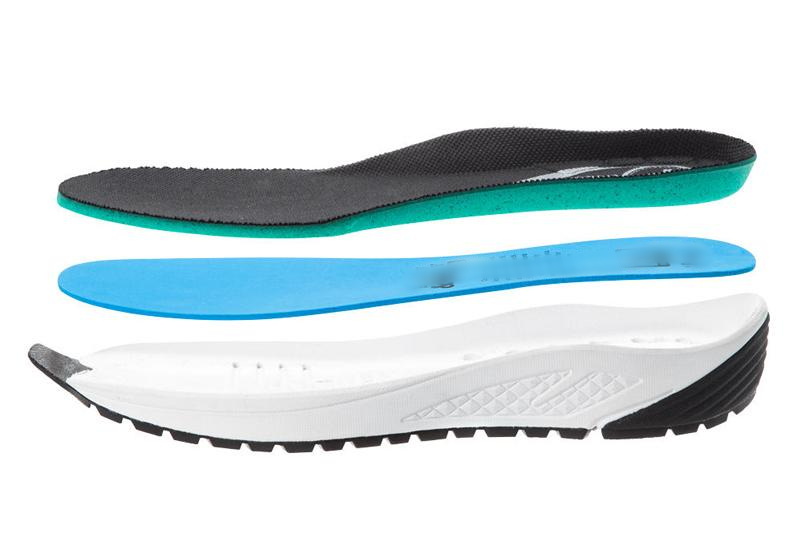
If your feet feel more tired, the material has flattened, or odors persist after cleaning, it's time to replace them.
Most modern shoes have removable insoles, but some tightly glued models may require professional removal or custom fitting.
Orthopedic or medical-grade insoles are best. They support arches, relieve pressure, and align the foot to reduce chronic pain.
Slightly thicker insoles can make shoes feel tighter. Choose a thinner option or trim for a better fit if needed.
Hand wash gently with mild detergent, rinse, and air dry completely. Avoid heat drying, which may deform or shrink the material.


