
Views: 222 Author: Edvo Publish Time: 2026-01-14 Origin: Site


Content Menu
● Understanding Dude Shoes Insoles
● Can You Wash Dude Shoes Insoles?
>> Best Way to Wash Dude Shoes Insoles
● Step-by-Step Guide to Cleaning Dude Shoes Insoles
>> Step 1: Gather Your Supplies
>> Step 2: Pre-Cleaning and Soaking
>> Step 6: Optional Deodorizing Treatment
● What to Avoid When Washing Dude Shoes Insoles
● How Often Should You Wash Dude Shoes Insoles?
● Deep Cleaning Tips for Extra Dirty Insoles
● Preventing Odor in Dude Shoes Insoles
● Extending the Life of Dude Shoes Insoles
● Can You Replace Dude Shoes Insoles?
● Additional Care Tips for Dude Shoes
● How to Store Dude Shoes and Insoles Properly
● Common Mistakes to Avoid in Insole Care
● Professional Cleaning Alternatives
● Eco-Friendly Options for Cleaning
● FAQ
>> 1. Can I machine wash Dude shoes insoles?
>> 2. How do I remove odor from Dude shoes insoles?
>> 3. Can I dry Dude insoles under the sun?
>> 4. How often should I replace my Dude insoles?
>> 5. Are replacement insoles available for Dude shoes?
Dude shoes are celebrated for their comfort, lightweight feel, and effortless slip-on design. Whether you wear them for travel, daily errands, or casual workdays, one thing remains true—they quickly become your go-to footwear. But as you continue to wear them frequently, their insoles inevitably collect sweat, moisture, and odors. So, a common question arises: Can you wash Dude shoes insoles?
The answer is yes—you can wash Dude shoes insoles, but the method matters. Because these insoles are made from delicate yet supportive materials such as memory foam or EVA, proper care ensures they maintain shape, comfort, and hygiene over time. This comprehensive guide will help you understand how to clean them effectively, what to avoid, and how to extend their lifespan.
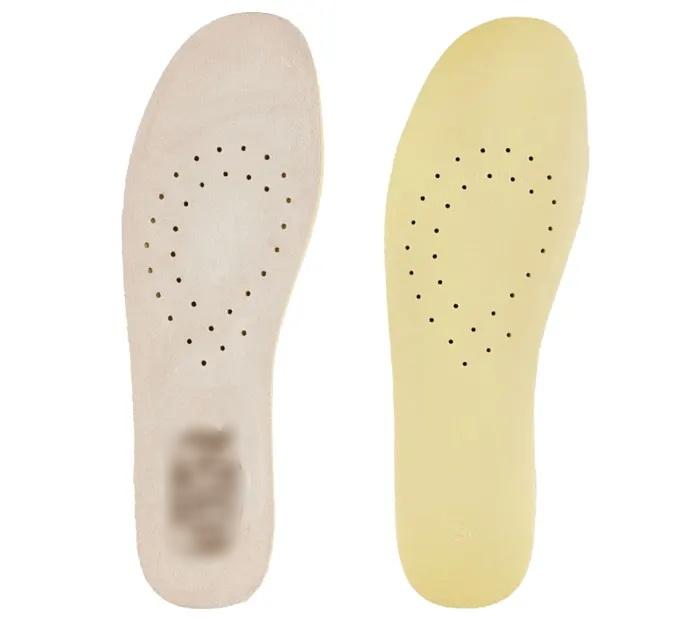
Dude shoes are known for innovative footbed engineering. The brand's insoles are typically designed with memory foam, EVA foam, or removable cushioning layers that adapt to the wearer's foot shape. These materials are chosen to provide cloud-like comfort, reduce fatigue, and improve ventilation. However, their softness and flexibility mean they are not meant for harsh cleaning or direct heat.
Insoles consist of three essential layers: a fabric top cover for breathability, a foam cushioning mid-layer for shock absorption, and sometimes a bottom stabilizing base. When improperly cleaned, the bond between these layers can loosen, resulting in wrinkling, odor retention, or loss of shape. Therefore, washing them carefully is crucial to keeping your Dude shoes comfortable and long-lasting.
Yes, you absolutely can—but hand washing is the safest and most effective approach. Machine washing may be tempting, but it exposes the insoles to powerful spinning, agitation, and high heat that weaken them. Gentle, manual cleaning helps preserve the surface fabric and foam core.
To ensure a safe and thorough cleaning process:
1. Remove the insoles from your shoes gently to prevent tearing around the edges.
2. Prepare a cleaning solution using mild dish soap or laundry detergent and warm (not hot) water.
3. Scrub lightly using a soft cloth or small brush to remove dirt and bacteria from the surface.
4. Rinse clean with room-temperature water.
5. Dry naturally in a well-ventilated area, away from direct sunlight or heaters.
Following these steps will clean your insoles effectively without compromising their shape or comfort level.
You will need:
- Mild soap or non-bleach detergent
- A soft brush, old toothbrush, or sponge
- A bowl of warm water
- A dry towel or paper towels
These simple household items are usually enough to deep clean your insoles while keeping the materials safe.
Shake or brush off any loose dirt, dust, or debris from the insoles before washing. If they are heavily soiled, soak them in the prepared solution for 5–10 minutes. Avoid soaking for too long—especially with memory foam types—since overexposure to water can affect shape retention.
Dip your cleaning brush into the soapy solution and scrub lightly, focusing on areas with high sweat buildup, such as the heel and toe zones. Avoid using too much water or pressure, as this can push moisture deeper into the foam and cause odor later.
Rinse each insole thoroughly with clean water, ensuring all soap is removed. Residual detergent might harden once dry and create an uncomfortable surface texture.
Press the insoles gently between towels to absorb excess moisture. Then, air dry them flat, preferably in a shaded, aerated environment. Do not hang them under strong sunlight or near heaters, as extreme heat can warp or shrink the materials.
If odor persists after washing, sprinkle the dry insoles with a bit of baking soda, activated charcoal powder, or cornstarch. Leave overnight to absorb remaining moisture and odor, then shake or wipe off the powder before reinserting them into your shoes.
Cleaning seems simple, but the wrong approach can destroy your insoles faster than expected. Keep these mistakes in mind:
- Do not machine wash or dry. The spinning force and heat can bend or tear foam layers.
- Avoid soaking excessively. Long soaking periods weaken adhesives and foam elasticity.
- Never use bleach, alcohol, or harsh chemicals. They can irreversibly stain, harden, or damage materials.
- Do not expose to intense sunlight or dryers. Overheating causes cracking and loss of cushioning.
- Skip over-the-counter disinfectant sprays unless labeled safe for foam products.
Treating your insoles with patience and care ensures they remain comfortable and support your feet properly.
The frequency of cleaning depends on your lifestyle and activity level.
- For daily wearers, wash every 2–3 weeks.
- For occasional users, once a month or every six weeks is sufficient.
- If you live in a humid or tropical climate, clean more often to prevent odor and bacterial buildup.
Between washes, air out your shoes after each use. Removing the insoles and letting them breathe overnight keeps moisture levels under control and extends their lifespan.
Sometimes, regular washing isn't enough, especially after outdoor activities, workouts, or exposure to mud. When your Dude insoles are very dirty or smelly, try this deeper cleaning method:
1. Create a vinegar solution by mixing one part white vinegar with two parts water.
2. Lightly dab the solution onto the surface with a cloth. Vinegar acts as a natural disinfectant and odor neutralizer.
3. Rinse with mild soapy water after 10 minutes to remove the vinegar smell.
4. Dry thoroughly before reusing.
Avoid letting vinegar soak too long, as it may affect the coloration of the top fabric.
Maintaining odor-free insoles starts with daily habits, not just cleaning. Consider these easy prevention strategies:
- Wear moisture-wicking socks to reduce sweat absorption.
- Allow shoes to air out after each use, especially in hot climates.
- Use in-shoe deodorizers or sachets containing cedar, charcoal, or herbs overnight.
- Rotate between different shoes instead of wearing the same pair daily.
By combining preventive routines with regular cleaning, your Dude insoles will stay fresher for longer.
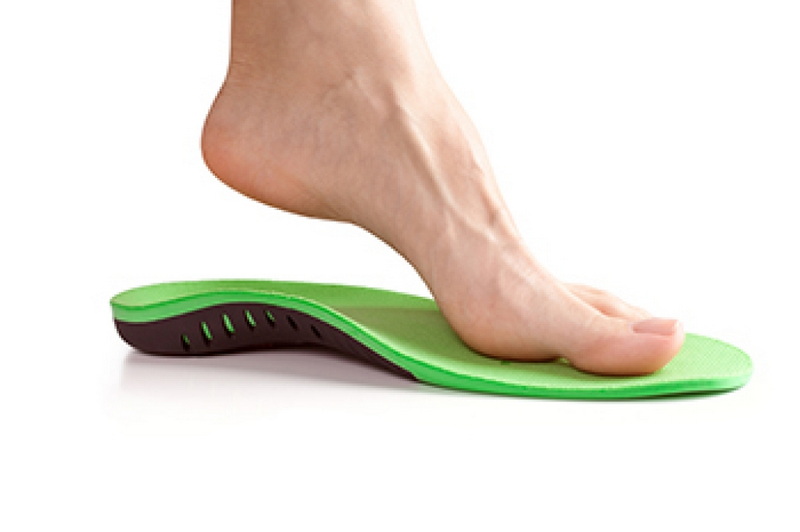
The more you use your shoes, the faster the insoles lose shape and cushioning. Proper care can double their lifespan. Here are proven methods to protect your insoles:
- Always let them rest at least 12 hours between wears.
- Avoid over-washing; frequent soaking deteriorates foam layers.
- Replace insoles showing deep compression marks or torn edges.
- Store shoes in a dry, ventilated place, away from moisture.
- Use a silica gel pack in your shoe cabinet to reduce humidity.
With these simple habits, you'll preserve the original fit and softness of your Dude shoes.
Yes, you can replace Dude shoes insoles whenever needed. The detachable design allows you to insert new or custom versions easily. For best results, choose replacements made of high-quality breathable foam, anti-bacterial fabric, or orthopedic-grade cushioning depending on your comfort preference.
Our factory specializes in OEM insole manufacturing for brands and wholesalers worldwide. We produce a wide range of insoles—from standard EVA memory foam to sustainable bamboo charcoal and gel-foam hybrids—compatible with various footwear, including Dude-style shoes. OEM customization allows brands to offer unique features such as arch support, breathable top mesh, or anti-odor treatments that enhance user experience and value.
Cleaning the insoles is just part of the equation. Maintaining the entire shoe ensures consistent comfort and hygiene.
- Remove and air dry shoes after each use.
- Brush off dust or debris from the outer fabric.
- Avoid water immersion of the shoe's upper material.
- Use a fabric-safe disinfectant to keep interiors fresh.
- Every few months, perform a full cleaning: wash both insoles and shoe lining.
- If your shoes get wet, dry them completely before wearing them again.
- Refresh the sole interior with light baking soda once a month.
By adopting regular cleaning habits, you can extend the life of both your Dude shoes and their insoles.
Clean insoles are more than a cosmetic preference—they play a vital role in foot health. Dirty insoles harbor bacteria and fungi that can lead to athlete's foot, odor, or skin irritation. Frequent cleaning minimizes these risks, preserving both hygiene and comfort.
From an environmental perspective, cleaning and maintaining insoles reduces waste. Instead of discarding the whole shoe early due to odor or damage, maintaining insoles allows you to keep wearing your favorite pair longer—promoting sustainability in footwear use.
When not in use, shoes should be stored properly to maintain freshness and shape:
- Always remove the insoles if shoes are damp after wear.
- Store them flat in a ventilated area—preferably on a shoe rack, not inside a box.
- Use shoe trees or paper stuffing to retain shape and prevent odor buildup.
- Keep storage areas cool and dry, as high humidity accelerates mold growth.
These small habits go a long way in keeping your footwear fresh and comfortable.
1. Washing the insoles with sandals or sneakers in the same load. Always wash separately.
2. Using dryers to speed up drying time. Heat breaks down foam and bonding glue.
3. Forgetting to rinse detergent completely. Leftover soap can attract bacteria.
4. Placing wet insoles back into shoes. This traps moisture and causes foul odor.
5. Using colored soaps or perfumed cleaners. They may stain fabric or affect comfort.
Avoiding these mistakes ensures your shoes stay cleaner and fresher for longer without damaging their performance.
For people who prefer zero hassle, professional shoe cleaning services offer insole care too. Most use steam sanitization or UV sterilization to kill bacteria and deodorize without using harsh chemicals or water immersion. This is ideal for luxury footwear or busy individuals who want premium results without risk. If you use such a service, ensure they're familiar with memory foam or EVA materials used in Dude-style shoes.
Sustainability-conscious customers can choose environmentally friendly cleaning alternatives. Replace standard detergents with plant-based soaps, avoid disposable wipes, and reuse soft cloths. Additionally, baking soda and vinegar remain excellent natural cleaning solutions—affordable, safe, and non-toxic. Maintaining a clean pair of shoes doesn't have to harm the environment.
So, can you wash Dude shoes insoles? Yes, you can—and doing it the right way keeps them clean, comfortable, and long-lasting. Always choose gentle hand-washing methods, avoid machine drying, and let insoles air dry naturally in the shade. Regular maintenance not only improves comfort but also protects your feet from odor and bacteria. With consistent care, your Dude shoes will continue to feel as soft and fresh as the day you bought them.
Proper cleaning is a simple habit that pays off. It saves money, supports good hygiene, and extends the life of your footwear. Take a few minutes to clean your insoles correctly, and your feet will thank you—every step of the way.
No. Machine washing can damage foam, reduce support, and distort shape. Always wash them by hand using mild soap and water.
Sprinkle baking soda or spray a vinegar-water solution onto insoles, then let them air dry overnight. These natural deodorizers effectively remove bad smells.
Avoid direct sunlight, as it may cause shrinkage or color fading. The best method is air drying indoors in a ventilated area.
If your insoles lose cushioning, support, or show cracks, replace them every 6–8 months for optimal comfort and foot health.
Yes. Replacement insoles are widely available, including custom OEM options that replicate or even improve upon the originals.


