
Language
Views: 222 Author: Edvo Publish Time: 2026-01-14 Origin: Site


Content Menu
● Why Washing Insoles Is Important
● Understanding Different Types of Insoles
>> Foam Insoles
>> Gel Insoles
● Step-by-Step Guide: How to Wash Shoe Insoles Properly
>> 2. Eliminate Loose Dirt and Debris
>> 3. Prepare a Gentle Cleaning Solution
>> 5. Rinse and Wipe Thoroughly
● Machine Washing: Pros and Cons
● What to Avoid When Cleaning Insoles
>> Baking Soda
● Extending the Life of Your Insoles
● OEM Washable Insoles: Designed for Durability and Comfort
>> Innovative Material Technology
>> Custom Design for International Clients
>> Benefits of OEM Washable Insoles
● Expert Tips for Shoe and Insole Care
● The Link Between Clean Insoles and Foot Health
● Sustainable Insole Care Practices
● FAQ
>> 1. Can I wash memory foam insoles?
>> 2. How long does it take for insoles to air dry?
>> 3. Can vinegar remove insole odor?
>> 4. How often should insoles be replaced?
>> 5. Are washable insoles safe for all shoe types?
Shoe insoles play a crucial role in ensuring comfort, balance, and hygiene within our footwear. They absorb sweat, cushion every step, and provide vital support to the arch and heel. However, because they directly contact your feet, they can also become one of the dirtiest parts of your shoes. A common question soon arises: Can you wash your shoe insoles?
The simple answer is yes, you can. But how you wash them depends heavily on the type of insole and the material used. This article dives deep into the correct cleaning methods, what to avoid, and how to extend the life of your insoles while keeping your shoes as fresh as the day you bought them.
Your insoles absorb sweat and moisture every time you wear your shoes. The dark, enclosed space inside footwear is an ideal breeding ground for bacteria and fungi that cause odor and potential infections. Washing your insoles isn't simply about keeping them clean—it's about maintaining proper foot health and comfort.
Thoroughly cleaned insoles:
- Minimize bacterial and fungal growth.
- Keep shoes odor-free for longer periods.
- Enhance overall foot comfort.
- Preserve the shape and structure of your footwear.
- Extend the usable life of both insoles and shoes.
By integrating regular cleaning into your footwear care routine, you ensure long-lasting freshness and protection against foot-related health issues.
Before cleaning insoles, it helps to understand their composition. Each type requires different handling to preserve functionality and texture.
Made from EVA or PU materials, foam insoles are lightweight and comfortable but sensitive to heat and harsh detergents. They can be hand washed using mild soap and warm water.
These provide shock absorption for athletic or work shoes. They should never be soaked completely in water or machine-washed since trapped moisture can damage the gel interior.
Leather insoles are premium options used in dress shoes. They require special cleaning techniques—use a damp cloth with a gentle leather cleaner and allow them to dry naturally.
Often used in running shoes and sneakers, fabric insoles are easier to wash. They can often be cleaned using a gentle hand wash or a delicate cycle.
Designed for medical or orthopedic support, orthotic insoles feature specialized materials that can lose shape easily. Always follow manufacturer care guidelines, usually recommending spot-cleaning only.
Knowing the material and purpose of your insoles will help you choose the most appropriate cleaning method to maintain their shape and function.
Learn how to wash your shoe insoles safely and effectively. This expert guide from a leading OEM insole manufacturer covers cleaning steps, odor removal, care tips, and maintenance advice to extend the life, comfort, and hygiene of your footwear.
Cleaning your insoles doesn't require specialized equipment. With a few common household items and the correct steps, you can efficiently refresh your insoles and eliminate unpleasant odors.
Start by taking the insoles out of your shoes. Cleaning them while still inside your footwear may cause incomplete cleaning or even damage the shoe's inner lining.
Shake off dust and debris outdoors or use a soft brush to gently sweep away dirt. This step prevents grit from scratching the material surface during washing.
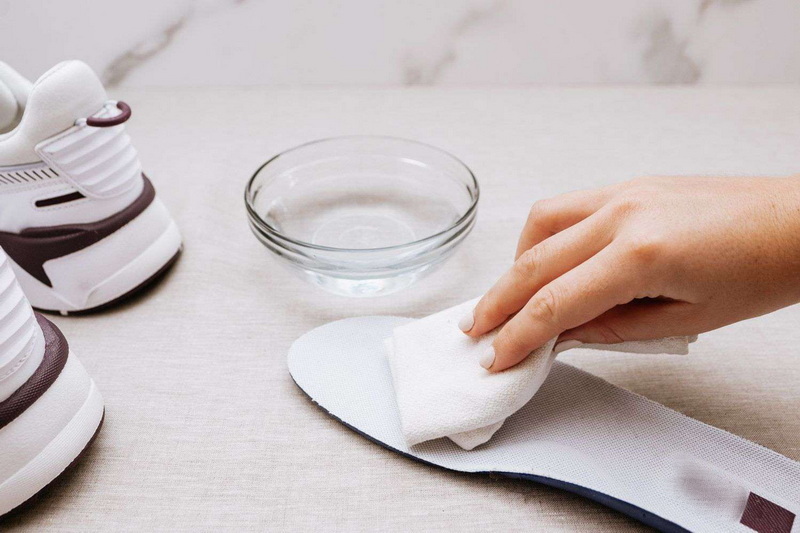
In a small container, combine warm water with a few drops of mild detergent or antibacterial soap. Avoid bleach or alcohol-based cleaners, which can degrade the material and adhesive layers.
Dip a clean cloth or soft brush into the soapy water, then scrub the surface in circular motions. Focus on areas with visible stains or odor buildup, such as near the heel and forefoot.
After scrubbing, use a damp cloth with clean water to remove all soap residue. Leaving detergent on the surface can make insoles stiff or sticky and irritate your skin during use.
Air drying is crucial. Lay your insoles flat in a shaded, ventilated space. Never expose them directly to sunlight or place them near heaters, which can deform foam, leather, or glue. Complete drying can take up to twelve hours depending on the material.
Learn how to wash your shoe insoles safely and effectively. This expert guide from a leading OEM insole manufacturer covers cleaning steps, odor removal, care tips, and maintenance advice to extend the life, comfort, and hygiene of your footwear.
While hand washing remains the safest method, some modern athletic insoles can tolerate machine washing. This depends entirely on the construction and materials.
Pros of Machine Washing:
- Convenient for fabric or foam-based sports insoles.
- Efficiently removes deep-seated dirt and odor.
Cons of Machine Washing:
- Can cause material breakdown or deformation.
- May weaken adhesive bonding.
- Risk of color fading or surface cracking.
If your insoles' label indicates machine-washability, use a gentle cycle with cold water and a mild detergent. Always put insoles in a laundry mesh bag to prevent them from being battered inside the drum. Once washed, skip the dryer; let them air dry completely before use.
Learn how to wash your shoe insoles safely and effectively. This expert guide from a leading OEM insole manufacturer covers cleaning steps, odor removal, care tips, and maintenance advice to extend the life, comfort, and hygiene of your footwear.
Improper cleaning can ruin even the best-quality insoles. Keep these precautions in mind:
- No hot water. Heat breaks down foam and adhesive.
- No bleach or harsh chemicals. They can discolor or corrode material layers.
- No scrubbing with hard brushes. Use only soft-bristled implements or cloths.
- No twisting or wringing. This can distort the shape permanently.
- No machine drying. Always let them air dry at room temperature.
Proper care maintains not only hygiene but also performance and comfort.
Learn how to wash your shoe insoles safely and effectively. This expert guide from a leading OEM insole manufacturer covers cleaning steps, odor removal, care tips, and maintenance advice to extend the life, comfort, and hygiene of your footwear.
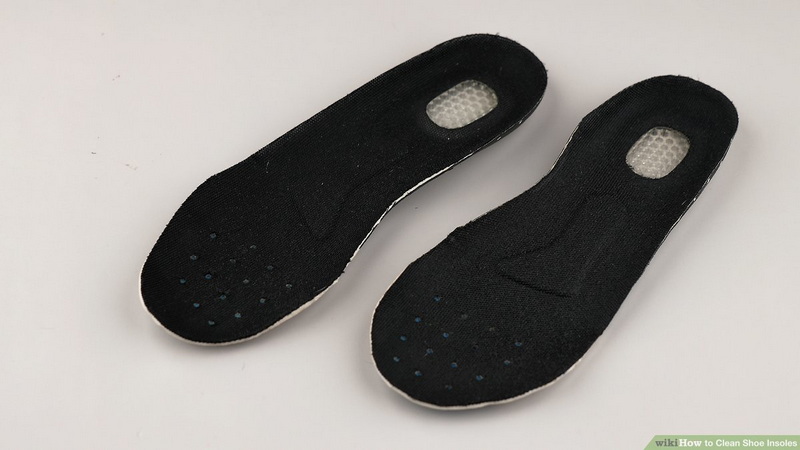
Even clean insoles can retain light odors, especially from sweat buildup. Natural odor removal remedies can effectively neutralize smells without harming materials.
Sprinkle a thin layer over your insoles and leave it overnight. In the morning, shake or brush it off. Baking soda absorbs excess moisture and neutralizes odors effectively.
Mix equal parts vinegar and water. Lightly dampen a cloth with the mixture, wipe the insoles, and allow them to air dry. The mild acidity helps kill odor-causing bacteria.
Apply one drop of lavender, eucalyptus, or tea tree oil on each insole for a refreshing scent and natural antibacterial effects. Allow drying before putting insoles back into your shoes.
Place your insoles in a sealed plastic bag and store them in the freezer overnight. The cold kills most bacteria responsible for bad odors.
By combining washing and deodorizing, you maintain a consistently fresh and clean interior environment for your footwear.
Learn how to wash your shoe insoles safely and effectively. This expert guide from a leading OEM insole manufacturer covers cleaning steps, odor removal, care tips, and maintenance advice to extend the life, comfort, and hygiene of your footwear.
How often should you wash your insoles? It depends on how much and under what conditions you use them.
- Daily or athletic use: Wash once a week.
- Moderate wear: Every two to three weeks.
- Light use: Every month or when noticeable odor appears.
Additionally, allow your insoles to dry out regularly. Removing them from shoes at night helps moisture evaporate naturally, reducing bacterial growth between wears.
Learn how to wash your shoe insoles safely and effectively. This expert guide from a leading OEM insole manufacturer covers cleaning steps, odor removal, care tips, and maintenance advice to extend the life, comfort, and hygiene of your footwear.
Insoles experience constant pressure and friction, leading to gradual wear. Here are ways to extend their usability:
- Rotate insoles between pairs of shoes to reduce usage frequency.
- Allow ventilation daily, especially after heavy activity.
- Use moisture-absorbing powders to keep the environment dry.
- Inspect regularly for cracks, thin spots, or flattening.
Combine proper cleaning with preventive care for maximum lifespan.
Learn how to wash your shoe insoles safely and effectively. This expert guide from a leading OEM insole manufacturer covers cleaning steps, odor removal, care tips, and maintenance advice to extend the life, comfort, and hygiene of your footwear.
Even with optimal maintenance, insoles eventually lose their structure and comfort.
Common signs it's time to replace include:
- Persistent odor even after washing.
- Noticeable flattening in cushioning areas.
- Visible stains or hard-to-clean spots.
- Material peeling or fraying at the edges.
- Discomfort while walking or standing.
For most pairs, the functional life varies between six to twelve months, depending on usage and quality. Workers, athletes, or frequent travelers may need replacements sooner.
Learn how to wash your shoe insoles safely and effectively. This expert guide from a leading OEM insole manufacturer covers cleaning steps, odor removal, care tips, and maintenance advice to extend the life, comfort, and hygiene of your footwear.
As a professional OEM insole manufacturer in China, we specialize in designing washable insoles for global brands, wholesalers, and shoemakers. Our approach focuses on marrying comfort, hygiene, and long-term durability.
We use advanced EVA, PU foam, and mesh combinations engineered for breathability and resistance against moisture. Our antibacterial coatings reduce microbial buildup even with daily wear.
Every brand and shoe manufacturer has unique needs. We offer customization options that include:
- Range of densities and hardness levels.
- Tailored cushioning zones for arch, heel, and forefoot.
- Laser-cut finishing for precision fitting.
- Wash-safe adhesive bonding to maintain shape after multiple cleans.
- Easier for consumers to maintain.
- Longer product lifespan, adding value to footwear lines.
- Reduced aftersale odor complaints from end-users.
- Stronger brand reputation for comfort and cleanliness.
Washable design innovation also supports sustainability, reducing waste by extending insole usability instead of frequent disposal.
Learn how to wash your shoe insoles safely and effectively. This expert guide from a leading OEM insole manufacturer covers cleaning steps, odor removal, care tips, and maintenance advice to extend the life, comfort, and hygiene of your footwear.
Maintaining insoles also means caring for your entire shoe. A clean interior helps your insoles remain effective for longer.
1. Alternate pairs of shoes. Allow each pair to air out between uses.
2. Use moisture absorbers or cedar shoe trees. These prevent damp buildup inside shoes.
3. Clean shoes internally once a month. Remove dust, disinfect with mild wipes, and let them dry before reusing.
4. Avoid waterproofing sprays on insoles. These may trap sweat instead of letting it evaporate.
5. Store shoes in a dry environment. Always avoid humid or closed closets that encourage mold growth.
Implementing these tips maintains total footwear longevity, comfort, and freshness.
Learn how to wash your shoe insoles safely and effectively. This expert guide from a leading OEM insole manufacturer covers cleaning steps, odor removal, care tips, and maintenance advice to extend the life, comfort, and hygiene of your footwear.
Besides comfort, maintaining clean insoles can improve your overall foot health. Continuous exposure to bacteria or fungus can result in skin irritation, toenail infections, or athlete's foot. By washing insoles frequently, you minimize direct skin contact with harmful microorganisms.
Professionals who spend long hours on their feet—nurses, construction workers, or athletes—should prioritize clean insoles to prevent fatigue and odor buildup. Combining breathable socks with washable insoles creates the ideal protective environment for daily comfort.
Learn how to wash your shoe insoles safely and effectively. This expert guide from a leading OEM insole manufacturer covers cleaning steps, odor removal, care tips, and maintenance advice to extend the life, comfort, and hygiene of your footwear.
Beyond personal hygiene, washing and reusing insoles contributes positively to environmental sustainability. Instead of discarding used insoles prematurely, adopting a proper cleaning routine reduces waste and production impact.
Shoe brands partnering with sustainable manufacturers can promote eco-friendly messaging, such as:
- Long-lasting washable materials that delay replacement cycles.
- Recyclable EVA or bio-based foam that lower carbon footprints.
- Water-efficient cleaning guidance reducing household waste.
A washable insole line not only supports the environment but also builds positive brand positioning among eco-conscious consumers.
Learn how to wash your shoe insoles safely and effectively. This expert guide from a leading OEM insole manufacturer covers cleaning steps, odor removal, care tips, and maintenance advice to extend the life, comfort, and hygiene of your footwear.
Washing your shoe insoles is more than just a cleaning task—it's an important habit that enhances comfort, hygiene, and product longevity. Whether they're athletic foam, stylish leather, or orthotic inserts, knowing the right cleaning method helps preserve their structure and performance.
Always remove insoles before cleaning, gently hand wash using mild detergent, rinse thoroughly, and air dry in a shaded space. Avoid excessive heat or harsh chemicals, and store your shoes in ventilated areas. Replace old insoles once they lose cushioning or remain odorous after washing.
For brands, designing washable insoles through a trusted OEM manufacturer ensures consumers enjoy cleaner, fresher, and longer-lasting comfort. With modern materials and smart design, it's possible to keep every step healthy, cushioned, and odor-free for months of reliable use.
Learn how to wash your shoe insoles safely and effectively. This expert guide from a leading OEM insole manufacturer covers cleaning steps, odor removal, care tips, and maintenance advice to extend the life, comfort, and hygiene of your footwear.
Yes, but only by hand. Use a small amount of mild soap and water, then carefully rinse and air dry. Avoid machine washing or soaking since water absorption can damage the foam.
Drying time depends on the material and humidity level. Most insoles take between eight and twelve hours to fully air dry. Always ensure they're completely dry before inserting them back into shoes.
Absolutely. Vinegar naturally neutralizes bacteria and odor. Wipe your insoles gently with a one-to-one vinegar and water mixture, then allow them to air dry in a cool area.
Replace insoles every six to twelve months based on wear level. Heavy users such as runners or workers may need earlier replacement when cushioning or odor resistance diminishes.
Yes, but adjust cleaning methods by material. Foam and fabric insoles are fully washable, while leather and gel versions should be carefully wiped rather than soaked. Always follow the manufacturer's guidelines.


