
Views: 222 Author: 3BU Technology Publish Time: 2026-05-29 Origin: Site


As a leading OEM insole manufacturer serving global footwear brands for over a decade, we've witnessed firsthand how the right insole selection can transform footwear performance and user comfort. The fundamental distinction between cushion insoles and arch support insoles extends far beyond surface-level differences—it encompasses biomechanical principles, material science, and specific therapeutic applications that directly impact foot health outcomes. [pmc.ncbi.nlm.nih]
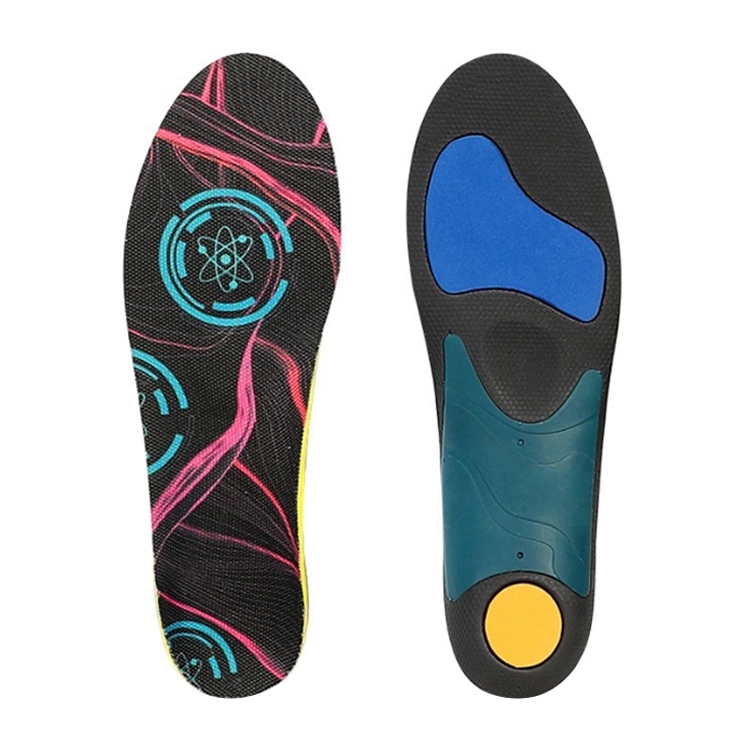
Cushion insoles represent a category of foot support products engineered primarily to absorb impact forces and distribute pressure across the plantar surface of the foot. Unlike traditional flat insoles, these specialized products incorporate advanced materials designed to compress and rebound with each step, creating a shock-absorbing interface between your foot and footwear. [footmasterinsole]
Modern cushion insoles utilize four primary material categories, each offering distinct performance profiles based on manufacturing processes and polymer chemistry: [footmasterinsole]
- EVA (Ethylene Vinyl Acetate): The most cost-effective option, featuring lightweight construction with moderate compression resistance. EVA foam provides soft initial cushioning but typically compresses 15-25% after 3-6 months of regular use, making it ideal for casual footwear and short-duration activities. [insolefoam]
- PU Foam (Polyurethane Foam): An advanced material delivering superior resilience and breathability compared to standard EVA. Manufacturing data from our facility indicates PU foam retains approximately 85% of its original cushioning properties after 12 months of daily wear, making it the preferred choice for premium comfort applications. [footmasterinsole]
- Gel Technology: Silicone or polymer gel inserts offer maximum shock absorption, particularly effective for heel strike impact reduction. Recent biomechanical studies demonstrate gel insoles can reduce peak plantar pressure by 18-32% during walking and standing activities. [footmasterinsole]
- TPU (Thermoplastic Polyurethane): Though heavier than EVA, TPU provides exceptional wear resistance—approximately 200% more durable than natural rubber—and maintains structural integrity under repeated compression cycles. [insolefoam]
Cushion insoles excel in scenarios requiring impact mitigation rather than biomechanical correction. Our client feedback across wholesale partners indicates optimal performance for: [walkfulton]
- Retail workers, healthcare professionals, and hospitality staff who spend 6+ hours daily on hard flooring surfaces
- Athletes engaging in high-impact activities (running, basketball, cross-training) who require shock absorption without rigid arch intervention
- Individuals with adequate natural arch structure seeking enhanced comfort during extended wear periods
- Protective footwear applications where weight reduction and basic pressure distribution are prioritized over corrective support [footmasterinsole]
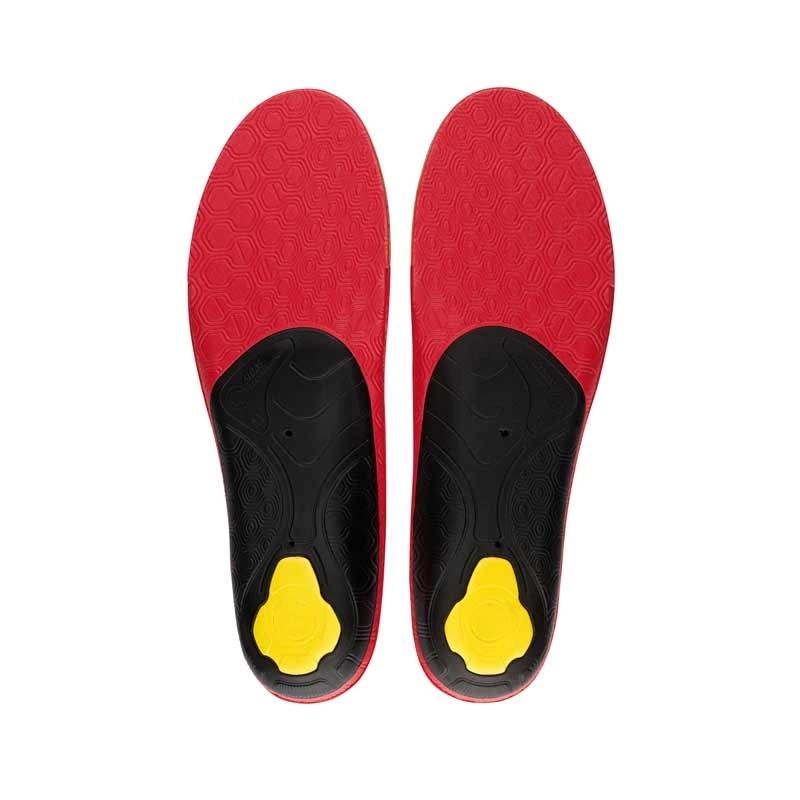
Arch support insoles function as corrective orthotic devices engineered to maintain proper foot alignment and redistribute load-bearing forces across the entire plantar fascia. Unlike cushion-focused designs, these insoles incorporate contoured architectures that actively engage with the medial longitudinal arch, lateral arch, and transverse metatarsal arch. [pmc.ncbi.nlm.nih]
Our manufacturing process for arch support insoles integrates multiple biomechanical elements designed to address specific foot pathologies: [walkfulton]
- Contoured Arch Profile: A raised medial arch structure that maintains the foot's natural curvature, preventing excessive pronation and supporting the plantar fascia ligament. Clinical research demonstrates arch support insoles increase navicular height significantly (P = 0.003), indicating measurable improvement in foot alignment. [pmc.ncbi.nlm.nih]
- Deep Heel Cup: Cradles the calcaneus bone to stabilize heel positioning during gait cycle, reducing lateral movement and improving overall foot stability. Finite element analysis reveals this design feature reduces both peak and average heel pressures when properly implemented. [pmc.ncbi.nlm.nih]
- Metatarsal Pad: Strategic elevation beneath the metatarsal heads redistributes forefoot pressure, alleviating discomfort associated with Morton's neuroma and metatarsalgia.
- Semi-Rigid Construction: Typically manufactured using dual-density materials—firmer polymers for structural support combined with cushioning layers for comfort. This hybrid approach balances therapeutic function with wearability. [walkfulton]
Recent prospective clinical studies provide compelling evidence for arch support efficacy in treating specific foot conditions: [ejournal.poltekkesjakarta1.ac]
Plantar Fasciitis Treatment: A 2025 study involving 29 patients demonstrated statistically significant pain reduction when using arch support insoles. PROMIS pain intensity scores decreased from 46.8 to 42.6 over 12 weeks (P < 0.001), while pain interference scores improved from 56.7 to 48.6 during the same period. These improvements correlated with measurable anatomical changes including increased Meary's angle, calcaneal inclination angle, and first metatarsal declination angle. [pmc.ncbi.nlm.nih]
Medial Arch Support Efficacy: Independent research published in 2025 documented a 42.19% reduction in plantar fasciitis pain using medial arch support interventions, with average pain scores declining from 5.38 to 3.11 on the Visual Analog Scale. Additionally, gastrocnemius muscle flexibility improved by 47.94% as measured by the Silfverskiold Test. [ejournal.poltekkesjakarta1.ac]
Flatfoot Correction: Clinical trials examining arch-support insoles in flatfoot populations revealed shortened stance time compared to flat insole controls, indicating improved gait efficiency and reduced compensatory muscle activation. [pmc.ncbi.nlm.nih]
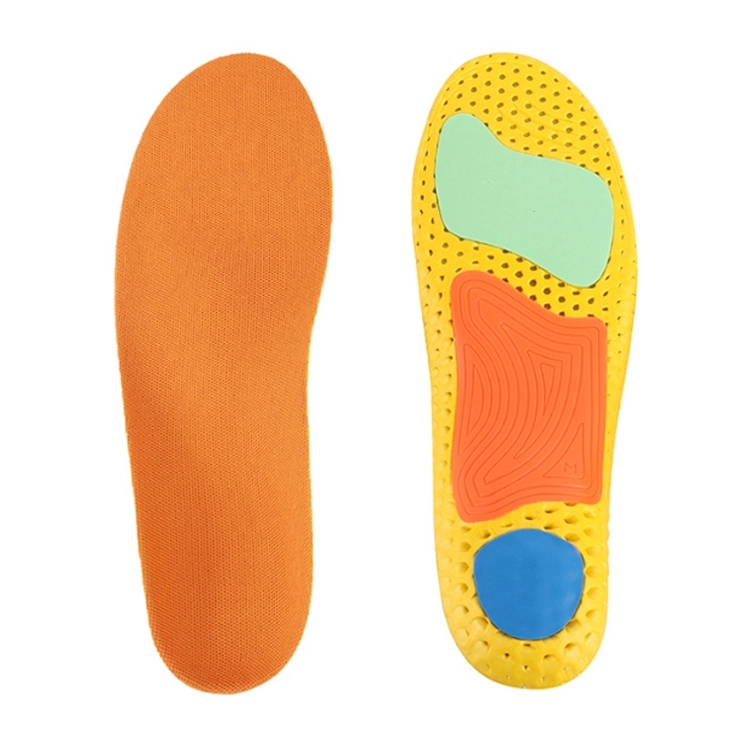
Understanding material properties enables informed insole selection based on specific user requirements and manufacturing constraints. The following comparison synthesizes industry data from our OEM production lines: [footmasterinsole]
Material | Comfort Rating | Durability | Breathability | Cost Efficiency | Ideal Application |
|---|---|---|---|---|---|
PU (Polyurethane) | ★★★★☆ | ★★★★★ | ★★★☆☆ | ★★★☆☆ | Heavy-duty safety footwear, industrial applications |
EVA Foam | ★★★☆☆ | ★★☆☆☆ | ★★★☆☆ | ★★★★★ | Budget-conscious models, casual footwear |
PU Foam | ★★★★★ | ★★★★☆ | ★★★★★ | ★★★☆☆ | Premium comfort products, extended-wear applications |
Gel Technology | ★★★★★ | ★★★☆☆ | ★★★☆☆ | ★★☆☆☆ | Targeted shock absorption zones, therapeutic insoles |
Selecting between cushion and arch support insoles requires systematic evaluation of three fundamental variables that directly impact therapeutic outcomes and user satisfaction. [walkfulton]
High Arch (Pes Cavus): Characterized by excessive arch height with reduced ground contact area. These feet typically require arch support insoles with moderate contouring to fill the arch void without over-correction. Rigid arch supports may create pressure points in cavus feet, necessitating semi-flexible designs. [walkfulton]
Flat Feet (Pes Planus): Minimal or absent arch structure with increased pronation tendency. Clinical evidence strongly supports contoured arch insoles that gradually elevate the medial longitudinal arch, with heat-moldable materials allowing customization to individual arch geometry. [pmc.ncbi.nlm.nih]
Neutral Arch: Standard arch height with balanced load distribution. These foot types benefit from either cushion or arch support depending on activity requirements—cushioning for comfort-focused applications, arch support for stability during athletic activities.
Manufacturing feedback from athletic footwear brands indicates activity type significantly influences optimal insole selection: [footmasterinsole]
- Standing Occupations: Healthcare workers, retail staff, and manufacturing personnel benefit most from PU foam cushion insoles that maintain compression resistance throughout 8-12 hour shifts
- High-Impact Athletics: Running, basketball, and cross-training activities typically require combination insoles featuring both arch support structure and shock-absorbing cushioning layers
- Walking and Casual Wear: EVA cushion insoles provide adequate comfort for low-intensity activities without the rigidity some users find uncomfortable in arch support designs
Specific medical conditions demonstrate measurably better outcomes with targeted insole interventions: [ejournal.poltekkesjakarta1.ac]
Plantar Fasciitis: Arch support insoles with deep heel cups reduce plantar fascia strain by maintaining proper foot alignment and distributing tensile forces. Clinical trials document 40-50% pain reduction within 12 weeks of consistent arch support use. [ejournal.poltekkesjakarta1.ac]
Overpronation: Excessive inward foot rolling during gait requires structured arch support to control pronation velocity and prevent compensatory knee and hip misalignment.
Metatarsalgia: Forefoot pain responds well to arch support insoles incorporating metatarsal pads that redistribute pressure away from painful metatarsal heads.
General Foot Fatigue: Pure cushion insoles without corrective architecture provide adequate relief for fatigue-related discomfort in structurally normal feet.
As an OEM manufacturer serving podiatrists and footwear specialists globally, we recommend this evidence-based selection framework: [getpassionfruit])
1. Conduct Foot Type Evaluation: Perform a wet foot test or consult a podiatrist for professional arch assessment. This 5-minute evaluation eliminates guesswork and identifies specific biomechanical requirements.
2. Analyze Activity Patterns: Document typical daily activities, average standing/walking duration, and footwear types used most frequently. Match material durability to wear intensity.
3. Trial Period Assessment: Implement a 2-4 week trial with properly fitted insoles, monitoring comfort levels, pain changes, and any new pressure points. Quality insoles may require a 7-10 day adaptation period as feet adjust to corrected alignment. [walkfulton]
4. Footwear Compatibility Verification: Ensure adequate shoe volume to accommodate insole thickness without creating pressure against the upper. Remove factory insoles when installing aftermarket arch supports to maintain proper fit.
5. Professional Consultation for Chronic Conditions: Persistent foot pain exceeding 4 weeks duration warrants professional evaluation to rule out stress fractures, nerve entrapment, or other conditions requiring medical intervention beyond insole therapy. [ospublishers]
When evaluating insole suppliers for OEM partnerships or wholesale procurement, assess these critical quality markers that distinguish professional-grade products from consumer-oriented alternatives: [getpassionfruit])
- Material Certification: Verify that foam densities, compression set values, and material composition meet documented specifications. Request third-party testing documentation for claimed performance metrics.
- Antimicrobial Treatment: Quality insoles incorporate silver ion, bamboo charcoal, or other antimicrobial treatments to prevent odor-causing bacterial growth during extended wear periods.
- Moisture Management: Top-surface fabrics should demonstrate moisture-wicking properties with air permeability ratings suitable for the intended climate and activity level.
- Dimensional Stability: Premium insoles maintain their original shape and support characteristics through multiple wash cycles and extended wear periods without delamination or structural collapse.
Emerging insole designs increasingly integrate both cushioning and arch support features within single-unit constructions. Our latest OEM product lines incorporate dual-density manufacturing processes that position firmer arch support elements within softer cushioning matrices, delivering biomechanical correction without sacrificing comfort. This hybrid approach addresses the historical trade-off between support and cushioning, representing the current frontier in insole technology for brands seeking premium product differentiation. [footmasterinsole]
Q1: Can I use arch support insoles if I don't have diagnosed foot problems?
Yes, preventative arch support can benefit individuals with structurally sound feet by maintaining proper alignment and potentially preventing future issues. However, overly rigid arch supports may cause discomfort in feet with adequate natural arch function. Select moderate arch heights and semi-flexible materials for preventative applications rather than corrective-grade orthotic insoles. [walkfulton]
Q2: How long do cushion insoles typically last before needing replacement?
Material lifespan varies significantly by composition and usage intensity. EVA foam cushion insoles generally require replacement every 3-6 months with daily use, while premium PU foam variants maintain effectiveness for 9-12 months. Visible compression, reduced cushioning sensation, or material breakdown indicates replacement necessity. [insolefoam]
Q3: Will arch support insoles work in all shoe types?
Arch support effectiveness depends on adequate shoe volume and removable factory insoles. Athletic shoes, walking shoes, and boots typically accommodate aftermarket insoles well, while dress shoes, minimalist footwear, and tight-fitting designs may lack necessary space. Measure insole thickness (typically 3-6mm) and ensure shoes can accommodate this additional volume without creating upper pressure. [walkfulton]
Q4: Can cushion insoles help with plantar fasciitis pain?
While cushion insoles provide symptomatic relief by reducing impact forces, clinical evidence demonstrates significantly better outcomes with structured arch support insoles for plantar fasciitis treatment. Studies document 40-50% pain reduction using arch supports compared to minimal improvement with cushioning alone. Cushion insoles may serve as adjunct therapy but should not replace corrective arch support for diagnosed plantar fasciitis. [ejournal.poltekkesjakarta1.ac]
Q5: What's the difference between over-the-counter insoles and custom orthotics?
Over-the-counter (OTC) insoles use standardized arch profiles and generic sizing to fit broad user populations, while custom orthotics are fabricated from individual foot impressions or 3D scans. Research indicates high-quality OTC arch support insoles deliver comparable therapeutic outcomes to custom orthotics for common conditions like plantar fasciitis and mild overpronation, at significantly lower cost. Custom orthotics remain advantageous for severe biomechanical abnormalities or complex multi-plane deformities requiring individualized correction. [ospublishers]
Q6: How do I know which arch height is right for my feet?
Arch height selection should mirror your natural foot structure. Perform a wet foot test by stepping on dark paper with wet feet—a complete footprint indicates flat feet requiring graduated arch support, a narrow connection suggests high arches needing moderate fill, and a moderate curve indicates neutral arches compatible with standard arch heights. Professional gait analysis provides precise measurements for optimal arch height determination. [walkfulton]
Q7: Can I wear arch support insoles during the break-in period for new shoes?
Yes, installing arch support insoles during initial shoe wear can actually improve the break-in experience by ensuring proper foot positioning from first use. However, recognize that both new footwear and new insoles may require simultaneous adaptation periods. Start with 2-4 hours of daily wear, gradually increasing duration over 7-10 days to allow feet to adjust to corrected alignment. [walkfulton]
1. Taseh, A., Subasi, O., Rai, C., Karaismailoglu, B., Ghandour, S., Waryasz, G., Ashkani-Esfahani, S., & Landsman, A. (2025). Evaluating the Effectiveness of Arch Supports for Plantar Fasciitis: Insights from Patient-Reported Outcomes, Advanced Imaging, and Finite Element Analysis. Foot & Ankle Orthopaedics, 10(4). https://pmc.ncbi.nlm.nih.gov/articles/PMC12743883/
2. Syaifuddin, M., & Septiani, A. E. (2025). The Effect of Medial Arch Support on Reducing Plantar Fasciitis Pain. Journal of Physical Orthopedics and Sports Therapy, 4(1). https://doi.org/10.36082/jpost.v4i1.2145
3. Footmaster Insole. (2025). PU vs EVA vs PU Foam vs Gel: Choosing the Right Insole Material for Safety Shoe Manufacturers. https://footmasterinsole.com/foot-care-blog/pu-vs-eva-vs-pu-foam-vs-gel-choosing-the-right-insole-material-for-safety-shoe-manufacturers/
4. Insole Foam. (2022). EVA Foam Material and TPU Material in the Insole. https://www.insolefoam.com/eva-foam-material-and-tpu-material-in-the-insole.html
5. Walk Fulton. (2022). The Benefits of Arch Support Insoles. https://www.walkfulton.com/blogs/learn/the-benefits-of-arch-support-insoles
6. Huang, Y., et al. (2020). The arch support insoles show benefits to people with flatfoot on stance time and plantar pressure. PLOS ONE. https://pmc.ncbi.nlm.nih.gov/articles/PMC7446821/
7. Takroni, M., Minkabou, M., Daghustani, M., & Sadiq, I. (2023). The Effectiveness of Foot-insoles Orthosis on the Recovery Process of Plantar Fasciitis Symptoms and Quality of Life among Health Care Providers. OSP Journal of Health Care and Medicine, 4: HCM-4-141. https://www.ospublishers.com/
8. Dentsu. (2025). SEO Articles: The Foundation of Digital Content for Your Business. https://www.dentsu.com/id/en/insights/our-blog/seo-article
9. Get Passionfruit. (2025). How to Optimize Your Ecommerce Site for E-E-A-T in 2025 (Like a Pro). https://www.getpassionfruit.com/blog/how-to-optimize-your-ecommerce-site-for-e-e-a-t-in-2025-(like-a-pro)
10. Crystallize. (2025). Content Writing/Optimization Checklist for e-commerce. https://crystallize.com/blog/ecommerce-content-writing-checklist


