
Views: 222 Author: Amanda Publish Time: 2025-09-05 Origin: Site


Content Menu
● What Are Arch Support Insoles?
● Benefits of Arch Support Insoles
>> Pain Relief
>> Improved Posture and Balance
>> Enhanced Mobility and Comfort
>> Prevention of Foot Deformities
● How Arch Insoles Contribute to Overall Health
● Different Types of Arch Insoles
● How to Identify If You Need Arch Support Insoles
● Tips for Choosing and Using Arch Support Insoles
● Caring for Arch Support Insoles
● When to Consult a Specialist
● FAQs
>> 1. How long does it take for arch support insoles to work?
>> 2. Can arch insoles help with knee and back pain?
>> 3. Are over-the-counter arch insoles as effective as custom orthotics?
>> 4. Can arch insoles prevent foot injuries?
>> 5. How often should arch support insoles be replaced?
Arch support insoles have become increasingly popular as a solution for foot pain and discomfort caused by various foot conditions such as flat feet, plantar fasciitis, and fallen arches. But do they really work? This article explores how arch insoles function, the scientific evidence behind their effectiveness, and the benefits and limitations they offer.
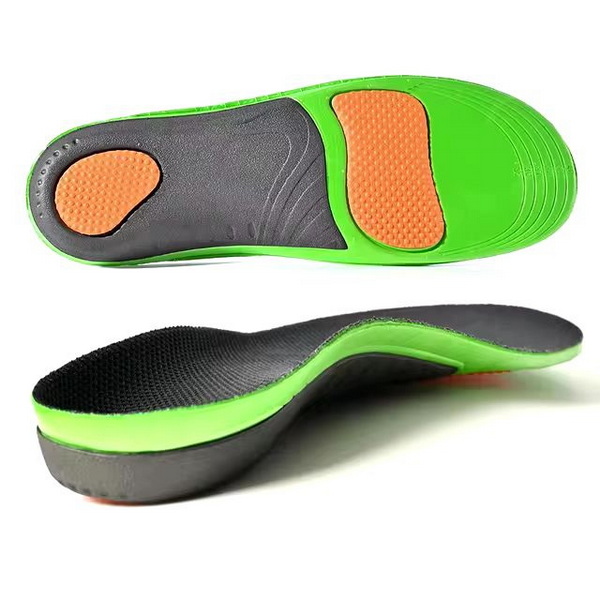
Arch insoles, also known as orthotic insoles, are specially designed shoe inserts that provide extra support to the arch of the foot. The arch is the curved area between the ball of the foot and the heel, crucial for weight distribution, balance, and absorbing shock during movement. Arch insoles come in different shapes and firmness tailored to fit different foot arch types, from high arches to flat feet.
Arch support insoles work by supporting the medial longitudinal arch of the foot. This support helps distribute body weight more evenly across the foot, reducing excessive pressure on certain areas like the heel or ball of the foot. Proper arch support aligns the foot and ankle, promoting better posture and minimizing the strain on muscles, ligaments, and joints.
Scientific studies have shown that wearing arch support insoles reduces peak pressure on sensitive parts of the foot, improves gait efficiency by shortening stance time during walking, and increases propulsion force, especially in people with flatfoot conditions.
Arch insoles are widely recognized for their effectiveness in relieving foot pain caused by common conditions such as plantar fasciitis, Achilles tendonitis, and metatarsalgia. By supporting the arch, they alleviate inflammation and reduce pain in the heel and ball of the foot. This can drastically improve daily comfort for individuals experiencing chronic foot pain.
Because the feet serve as the foundation of the body, arch support insoles contribute to better overall alignment of the feet, knees, hips, and lower back. This leads to improved posture, enhanced coordination, and reduced muscle fatigue, which is particularly important for elderly individuals who are at a higher risk of falls. Supporting the arch properly creates a stable base, crucial for maintaining balance during daily activities.
Arch insoles help decrease foot fatigue during walking and standing by providing shock absorption and cushioning. This support enables individuals to stay active longer, improving their overall quality of life and independence, especially for aging adults or those recovering from foot injuries.
Flat feet and fallen arches can contribute to the development of foot deformities like bunions and calluses if left untreated. Arch insoles help maintain correct foot alignment and reduce excessive strain, preventing such deformities and potentially lowering the risk of requiring surgical intervention in the future.
Arch insoles do more than just relieve pain in the feet—they can positively affect the entire musculoskeletal system. Poor foot alignment affects the knees, hips, and lower back, often causing discomfort or injury. By providing the necessary arch support, insoles help reduce the abnormal movement of the foot during walking or running, decreasing the chance of overuse injuries and joint stress. For athletes and active individuals, this can mean fewer injuries and enhanced performance.
Moreover, arch insoles can improve circulation in the feet, especially in people who stand or walk for extended periods. Better cushioning and support enhance blood flow, which helps reduce swelling and fatigue.
Arch support insoles come in several varieties to meet diverse needs:
- Firm Arch Insoles: Provide maximum structural support, ideal for individuals with flat feet or severe overpronation.
- Soft Arch Insoles: Focus more on comfort and cushioning than rigid support, suitable for those with mild arch issues or high arches.
- Custom Orthotics: Made specifically for an individual's feet by a podiatrist, custom orthotics offer the best fit and support but come at a higher cost.
- Over-the-Counter Arch Insoles: These offer a balance between support and affordability, designed to fit a wide range of foot shapes and sizes.
Choosing the right type depends on the severity of foot issues and personal comfort preferences.
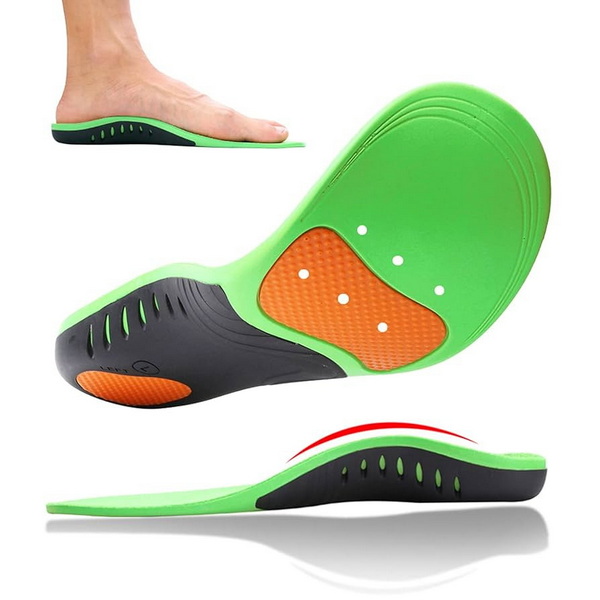
Warning signs that arch insoles might help include:
- Persistent foot pain, especially on the arch or heel
- Swelling or tenderness along the foot's arch
- Noticeable flatness or collapse of the arch during standing
- Frequent ankle twists or instability
- Pain radiating from the foot to the knees or lower back
If these symptoms are present, trying arch insoles can be a first step toward relief. If issues persist, consulting a healthcare professional is advisable.
When selecting arch support insoles, consider the following:
- Know Your Arch Type: Use footprint tests or consult professionals to identify whether you have flat, normal, or high arches.
- Choose the Right Material: Firmer materials provide better support, while softer materials offer comfort and shock absorption.
- Wear Properly: Gradually increase wear time for your feet to adapt without discomfort.
- Monitor Fit: Ensure that insoles fit well in your shoes without causing tightness or rubbing.
- Replace When Needed: Insufficient or worn-out insoles lose their effectiveness and can worsen problems.
To prolong the life of arch insoles and maintain their effectiveness, proper care is essential. Clean them regularly with mild soap and water and avoid direct heat sources when drying. Replace insoles every 6 to 12 months or sooner if signs of wear or reduced support appear.
While many people benefit from over-the-counter arch insoles, some cases require professional intervention. If foot pain and discomfort persist despite using insoles, or if structural foot abnormalities are suspected, consulting a podiatrist for a thorough evaluation and custom orthotic fitting is recommended.
Arch support insoles are a proven and effective solution for many individuals suffering from foot pain, poor posture, and related musculoskeletal issues. They offer significant benefits including pain relief, improved balance, enhanced mobility, and prevention of foot deformities. While not a universal cure, they can greatly improve quality of life for those with flat feet, plantar fasciitis, or long-standing standing and walking demands. Selecting the right arch insole tailored to individual foot needs, along with proper usage, can ensure optimal outcomes and long-term foot health.
It can take a few days to several weeks for your feet to adjust to arch insoles and for noticeable pain relief to occur. Some individuals may experience immediate comfort, but consistent use is essential for best results.
Yes, by improving foot alignment and posture, arch insoles reduce strain on the knees and lower back, thereby alleviating related pain and improving overall body mechanics.
Custom orthotics provide tailored support and may be necessary for severe or complex conditions. However, high-quality over-the-counter arch insoles offer substantial benefits and are suitable for many users.
Arch insoles help prevent injuries by improving foot alignment and reducing undue strain on foot structures. This lowers the risk of conditions like plantar fasciitis, bunions, and other foot deformities.
Typically, insoles last between 6 to 12 months depending on usage, material quality, and wear. Signs that replacement is needed include loss of support, visible damage, or return of pain symptoms.
[1](https://journals.plos.org/plosone/article?id=10.1371%2Fjournal.pone.0237382)
[2](https://pmc.ncbi.nlm.nih.gov/articles/PMC7446821/)
[3](https://powerstep.com/blogs/news/5-reasons-you-need-insoles-with-arch-support)
[4](https://www.aideastep.com/the-advantages-and-disadvantages-of-arch-supported-insoles/)
[5](https://betterhood.in/learn/benefits-of-arch-support-insoles-for-flat-feet/)
[6](https://www.upstep.com/a/blog/benefits-of-wearing-arch-supports-for-your-feet-and-ankles)
[7](https://kanefootwear.com/blogs/kane-blog/arch-support-benefits)
[8](https://www.sciencedirect.com/science/article/pii/S2773157X23001224)
[9](https://www.jstage.jst.go.jp/article/jpts/28/11/28_jpts-2016-596/_article)
[10](https://www.stepforward.com/articles/135-do-arch-supports-work)
[11](https://treadlabs.com/blogs/insoles-reach-your-stride/should-you-be-wearing-insoles-in-your-shoes)
[12](https://footactive.co.uk/blog/do-arch-supports-work-for-foot-pain)
[13](https://luckyfeetshoes.com/blogs/blog/benefits-arch-supports)
[14](https://pubmed.ncbi.nlm.nih.gov/38865799/)
[15](https://www.frontiersin.org/journals/bioengineering-and-biotechnology/articles/10.3389/fbioe.2024.1435554/full)
[16](https://runrepeat.com/arch-support-study)
[17](https://www.reddit.com/r/Ultralight/comments/owku6j/could_someone_explain_insoles_and_why_and_when/)
[18](https://journals.sagepub.com/doi/abs/10.1177/2473011424S00529)
[19](https://www.reddit.com/r/running/comments/i55cp0/is_arch_support_necessary_or_beneficial/)
[20](https://primecareprosthetics.com/blog/do-i-need-arch-support-signs-you-need-orthotics)


