
Views: 222 Author: Amanda Publish Time: 2025-09-07 Origin: Site


Content Menu
● Benefits of Using Heated Insoles
>> 1. Enhanced Comfort During Cold Weather
>> 2. Improved Blood Circulation
>> 3. Useful for Medical Conditions
>> 4. Versatility Across Various Activities
>> 5. Energy Efficiency Compared to Alternatives
>> Rechargeable Battery-Powered Insoles
>> Non-Electric Thermally Insulated Insoles
● Key Features to Consider When Buying Heated Insoles
● User Experiences and Testimonials
● Scientific Insights: Why Heated Insoles Work
● Practical Tips for Using Heated Insoles
● Common Misconceptions About Heated Insoles
>> Heated Insoles Prevent All Cold Injuries
>> Heated Insoles Are Uncomfortable and Bulky
>> Battery Life Is Insufficient for Outdoor Use
>> Heated Insoles Are Difficult to Use
>> Heated Insoles Replace Socks or Footwear
● Environmental and Economic Considerations
● FAQ
>> 1. How long do heated insoles last on a single charge?
>> 2. Can heated insoles fit into any type of shoe?
>> 3. Are heated insoles safe to use?
>> 4. How do I clean heated insoles?
>> 5. Can heated insoles help with medical conditions like Raynaud's disease?
In recent years, heated insoles have become increasingly popular among outdoor enthusiasts, workers exposed to cold environments, and anyone looking to keep their feet warm during chilly conditions. But beyond the growing hype and marketing claims, the question remains: do heated insoles really work? In this extensive article, we will explore the science behind heated insoles, their benefits, how they operate, user experiences, and much more. By the end, you'll have a comprehensive understanding of whether investing in heated insoles is the right choice for you.
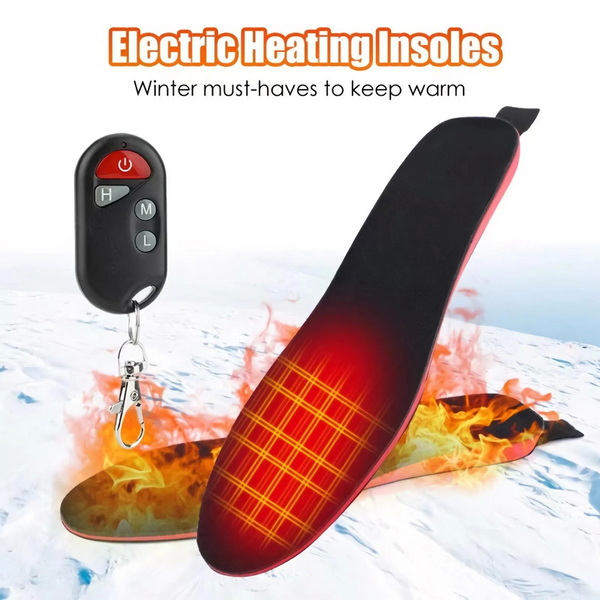
Heated insoles are specially designed shoe inserts equipped with heating elements that generate and maintain warmth inside your shoes or boots. These insoles are often powered by rechargeable batteries, making them portable and reusable. They aim to provide targeted heat to your feet, which is crucial in cold weather to prevent discomfort, numbness, or even frostbite.
Most heated insoles rely on a network of thin, flexible heating elements embedded within the insole material. These elements generate heat through electrical resistance when powered by a battery pack. The warmth produced can typically be adjusted through various heat settings controlled by a remote or an app connected via Bluetooth.
To maximize heat distribution, many brands use materials that retain warmth well and provide insulation from the cold ground. This combination allows the heated insoles to create a cozy micro-environment for your feet.
Heated insoles offer several advantages, especially for those who spend a lot of time outdoors in cold weather. Here are some of the most notable benefits:
Cold feet can be extremely uncomfortable and can reduce your overall performance in outdoor activities. Heated insoles provide consistent warmth, which helps maintain comfort and reduces distraction caused by the cold.
Cold environments cause blood vessels to constrict, which limits blood flow to extremities like feet. Heated insoles help keep your feet warm, allowing blood vessels to remain dilated and improving circulation, potentially reducing the risk of cold injuries.
People with conditions such as Raynaud's disease or diabetic neuropathy often suffer from cold feet and poor circulation. Heated insoles can help alleviate symptoms by maintaining a steady foot temperature.
Whether you are hiking, skiing, working outdoors, or even just walking in a cold city, heated insoles can enhance your experience by keeping your feet warm and comfortable.
Heated insoles focus the heat directly to your feet, reducing the need to heat your entire body or environment, which can be a more energy-efficient approach to staying warm outdoors.

When shopping for heated insoles, it is important to understand that there are different types that vary in power source, heating technology, and design.
These are the most common and convenient type. They contain built-in rechargeable batteries that power the heating elements. Typically, these insoles allow you to switch between multiple heat settings.
Some heated insoles can be plugged into a USB power bank. While less portable without an external battery, they are useful for users who remain near a power source.
Less common but available, some insoles generate heat through chemical reactions and are single-use. These are cheap but less environmentally friendly.
These do not generate heat but use reflective or thermal materials to retain your natural body heat inside the shoe; sometimes combined with electric insoles for extra warmth.
If you decide to purchase a heated insole, here are several factors you should consider:
- Battery Life: How long the insoles can provide warmth on a single charge. Some models can last up to 8-10 hours.
- Heat Settings: Multiple heat levels provide flexibility to adjust warmth based on conditions.
- Fit and Comfort: Insoles must fit well inside your shoes without compromising comfort; consider thickness and arch support.
- Durability and Waterproofing: Both features are critical for outdoor use. Waterproof technology protects electronics and prevents moisture buildup.
- Weight: Heavier insoles could affect shoe comfort and gait, so opt for lightweight designs.
- Charging Time: How quickly batteries can be recharged influences usability in daily or multi-day use.
- Control Mechanisms: Some models feature remote controls; others offer smartphone apps with precise temperature adjustability and battery monitoring.
- Safety Features: Overheat protection and automatic shut-off enhance safety and conserve battery life.
Many users report positive experiences when using heated insoles in cold conditions. Outdoor workers mention that heated insoles allow them to stay productive and comfortable despite freezing temperatures. Winter sports enthusiasts appreciate the warmth during extended periods outdoors. Medical patients endorse them for alleviating chronic cold foot symptoms.
Some users highlight that the ability to customize heat levels makes heated insoles adaptable to various weather conditions and activity levels. However, occasional drawbacks cited include limited battery life, fit issues (if the insoles are too thick), and the need to recharge batteries frequently during extended use.
The human body's natural thermoregulation diverts heat from extremities to keep vital organs warm, meaning feet can quickly become cold—especially when exposed to low temperatures or wind chill. Heated insoles act like small heat sources, boosting temperature in areas prone to cold exposure.
Research shows that warming feet can improve overall body warmth perception and physical performance in cold environments. Heated insoles effectively increase skin temperature and reduce discomfort by maintaining blood flow and preventing the constriction of blood vessels.

To maximize the effectiveness of your heated insoles, consider these tips:
- Ensure Proper Fit: Insert insoles carefully, ensuring they do not make your shoes tight or uncomfortable.
- Use Appropriate Footwear: Pair heated insoles with insulated, waterproof boots for best results.
- Wear Suitable Socks: Thin to medium thickness socks help heat transfer better than thick socks, which might insulate against heat.
- Adjust Heat Settings: Start with the lowest heat level and increase if necessary to avoid overheating and conserve battery life.
- Battery Maintenance: Charge batteries fully before use, and avoid letting batteries drain completely before recharging to prolong their lifespan.
- Store Properly: After use, remove batteries and store insoles in a dry place.
- Regular Cleaning: Follow manufacturer guidelines, generally using damp cloths; never submerge insoles in water.
- Avoid Overuse of High Settings: Prolonged use at high heat risks battery drain and potential discomfort or minor burns.
- Use in Moderation: Heated insoles complement, not replace, other cold-weather gear and precautions.
While they significantly reduce discomfort and lower risk of cold injury, they are not foolproof protection against frostbite or hypothermia in extreme conditions or prolonged exposure.
Advances in design have led to thin, ergonomic heated insoles that fit into most shoes comfortably without impacting walking mechanics.
Modern heated insoles often last several hours on a single charge, which covers typical outdoor activity durations.
Most models are user-friendly, with simple controls and intuitive charging methods.
Heated insoles are best used in combination with appropriate footwear and socks for optimal warmth and protection.
While heated insoles use electricity and contain batteries, choosing rechargeable models helps reduce waste compared to disposable chemical heat packs. Consider the lifecycle of the product, battery recycling options, and insulating footwear to minimize overall environmental footprint.
Cost-wise, the initial investment can be offset by improved comfort, reduced medical costs from cold-related issues, and extended time for outdoor activities.
Heated insoles offer a practical, effective solution for maintaining warm and comfortable feet in cold environments. Powered by rechargeable batteries and designed with advanced heating technology, they enhance circulation, reduce discomfort, and support outdoor activities in chilly weather. While not a standalone safeguard against extreme cold injuries, they provide an important layer of thermal protection. Choosing the right heated insoles involves considering battery life, fit, durability, and your specific needs. Ultimately, the answer to whether heated insoles really work is a confident yes—especially when selected and used correctly.

Most rechargeable heated insoles provide between 4 to 10 hours of heat depending on the heat setting used and battery capacity.
Many heated insoles are designed to be slim and versatile, fitting into most boots and sneakers, but it is important to check sizing and thickness for your specific footwear.
Yes, heated insoles are generally safe when used as recommended. Avoid using damaged insoles or overusing the highest heat setting to prevent any risk of burns.
Most heated insoles are not machine washable. Wipe them gently with a damp cloth and avoid submerging in water. Always follow the manufacturer's instructions.
Heated insoles can improve foot warmth and circulation, which may help alleviate symptoms in conditions like Raynaud's. Consult a healthcare professional for personalized advice.


