
Language
Views: 222 Author: Amanda Publish Time: 2025-09-05 Origin: Site


Content Menu
● What Are Arch Support Insoles?
● The Importance of the Foot Arch
● Signs You Might Need Arch Support Insoles
>> 1. Flat Feet or High Arches
>> 2. Persistent Foot or Heel Pain
>> 3. Pain in Knees, Hips, or Lower Back
>> 4. Foot Fatigue and Instability
>> 5. Shin Splints or Calf Pain
● Benefits of Arch Support Insoles
>> Improved Alignment and Posture
>> Pain Relief and Injury Prevention
>> Enhanced Stability and Balance
>> Increased Comfort in Daily Life and Sports
● Understanding Foot Mechanics: Pronation and Supination
● Types of Arch Support Insoles
>> Medium Arch Support Insoles
● Materials and Design Features of Arch Insoles
● How to Choose the Right Arch Support Insole
>> Step 1: Determine Your Arch Type
>> Step 2: Identify Your Needs
>> Step 3: Consider Activity Level
>> Step 5: Over-the-Counter vs. Custom
● Maintaining and Replacing Arch Insoles
● FAQ
>> 1. How do I know if I have flat feet or high arches?
>> 2. Can arch support insoles help with knee or back pain?
>> 3. Are custom arch insoles better than over-the-counter options?
>> 4. How long do arch support insoles typically last?
>> 5. Can I use arch insoles for sports like running or hiking?
Foot health is vital for overall well-being and active living. One common question many people have is: Do I need arch support insoles? Whether dealing with foot discomfort, persistent pain, or simply seeking better stability, arch insoles can make a significant difference. This comprehensive guide explores what arch support insoles are, who needs them, their benefits, available types, how to choose the best insoles, and frequently asked questions to help make an informed decision.
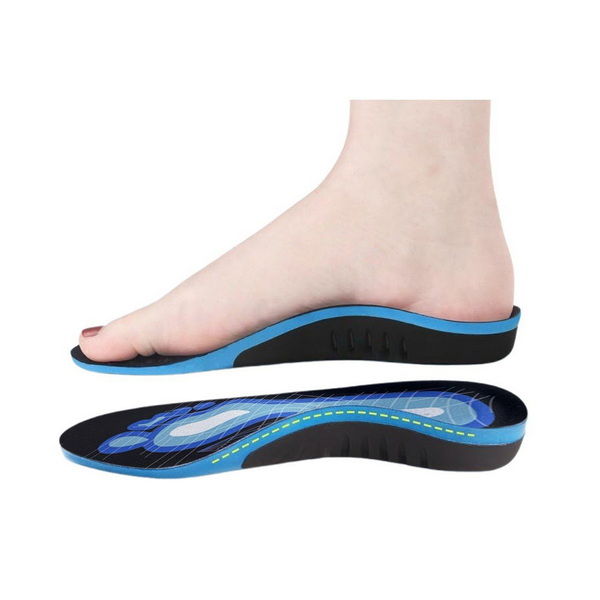
Arch support insoles are specially designed shoe inserts that provide additional support to the arches of your feet. The arch is the curved part beneath the midfoot, which helps in weight distribution, shock absorption, and enhancing balance during movement.
Arch insoles help maintain the foot's natural shape, preventing it from collapsing inward or outward excessively. This structural support is essential for proper alignment and reduces strain on muscles, ligaments, and joints linked to the foot, ankle, knees, hips, and back.
The foot arch is a critical anatomical structure that acts as a natural shock absorber. It absorbs the impact forces when walking, running, or jumping. Without proper arch function, the feet and legs can experience excessive stress, leading to pain and potential injury. The arch helps distribute body weight evenly across the feet and carefully manages biomechanical forces during movement, which affects overall posture and balance.
Changes or deformities in the arch can result in inefficient walking mechanics, leading to various foot and body disorders. That's why maintaining arch health with support insoles or orthotic interventions can be so effective for those with structural imbalances.
Not everyone requires arch support insoles, but the following indications suggest they might be beneficial:
- Flat feet mean your arches collapse, causing your entire sole to contact the ground. This leads to overpronation, where the foot rolls inward excessively.
- High arches mean your foot has an exaggerated curve, limiting ground contact and causing supination, where the foot rolls outward.
Both conditions can lead to pain, instability, and uneven weight distribution.
Pain in the arch, heel, or ball of the foot, often related to plantar fasciitis or general arch strain, can signal the need for arch support.
Misalignment of the feet often causes a chain reaction affecting the knees, hips, and back. Supporting foot arches with insoles can help realign the body and relieve pressure on these joints.
If feet get tired quickly during walking or standing, or if there is a feeling of imbalance or frequent ankle rolls, arch insoles may provide additional support and comfort.
Pain along the shin bone caused by improper foot mechanics (often overpronation) may improve with the use of arch-supporting insoles that correct gait.
Using arch insoles grants a range of benefits that contribute to healthier, more comfortable feet and body mechanics.
Arch insoles help maintain natural foot positioning, which supports proper alignment of the legs and spine. Better alignment reduces muscle fatigue and joint stress in the knees, hips, and lower back, often improving overall posture.
By providing cushioning and support, arch insoles reduce stress and inflammation in the plantar fascia and surrounding tissues. This relief helps in managing conditions like plantar fasciitis, heel spurs, tendonitis, and general arch pain, helping to prevent exacerbation of injuries.
Supporting the arches improves foot stability during movement, decreasing the risk of ankle sprains, falls, and other injuries associated with unstable feet.
Arch insoles absorb shock and distribute pressure more evenly, reducing foot fatigue during activities such as walking, running, or standing for long periods. This allows for longer and more comfortable activity.
Wearing arch insoles consistently over time can help reduce the risk of developing deformities such as bunions or hammertoes and slow the progression of joint wear from uneven pressure.

Pronation and supination are important biomechanics terms associated with arch function:
- Pronation is the natural inward roll of the foot during walking or running. Excessive pronation (overpronation) can cause increased strain on muscles and joints.
- Supination (underpronation) is when the foot rolls outward excessively, commonly found in individuals with high arches, which limits shock absorption.
Arch insoles are designed to correct these imbalances by supporting the arch and guiding the foot through a more neutral and efficient motion path.
Arch insoles come in various designs based on foot type and individual needs:
Designed for people with flat feet, these insoles provide gentle but firm support to prevent the arch from collapsing, improving stability and comfort.
Ideal for those with neutral arches, offering balanced cushioning and support that enhance overall foot function without overcorrecting.
Made for those with high arches who require additional cushioning and support where natural ground contact is limited, reducing pressure points and discomfort.
- Metatarsal Arch Support: Designed to relieve pressure in the ball of the foot.
- Heel Arch Support: Targeted for plantar fasciitis and heel pain.
- Custom Orthotic Insoles: Tailored to the unique shape of the individual's feet, providing the most precise arch support and corrective function.
Arch support insoles often combine rigid and soft materials to provide a balance of control and comfort:
- Structural Support Layers: Crafted from durable materials like polypropylene or thermoplastic for firm arch support.
- Cushioning Layers: Utilizing foam, gel, or specialized shock-absorbing materials such as Poron™ to reduce impact forces.
- Deep Heel Cups: Help stabilize the heel, absorb shock, and promote correct foot positioning.
- Motion Control Posts: Added features in some insoles to help correct excessive foot motion such as pronation or supination.
- Breathable Top Covers: Made to wick moisture away from the skin, improving foot hygiene and comfort.
Choosing the optimal arch support insole depends on several factors:
Use simple tests such as the wet footprint test, or get a professional assessment through podiatry or specialized foot scanning technologies to understand your arch profile.
Are you seeking relief from pain, enhanced athletic performance, or improved comfort during prolonged standing or walking? Different insoles target different issues.
For high-impact activities like running or hiking, sturdier insoles with enhanced shock absorption and stability features are ideal.
Look for insoles made of quality materials that provide adequate support and cushioning without compromising shoe fit. Some insoles can be trimmed slightly to fit various shoe shapes.
Custom-made orthotics offer individualized support but at a higher cost. Many users find that quality over-the-counter arch insoles offer significant benefits for common conditions.
To prolong the life and effectiveness of arch insoles:
- Regularly clean insoles according to manufacturer instructions.
- Inspect for signs of wear, such as loss of cushioning, cracks, or deformation.
- Replace insoles every 6 to 12 months depending on use and material quality.
- Avoid transferring insoles between incompatible shoes that may affect their support function.
Arch support insoles are valuable for anyone experiencing foot discomfort, instability, or alignment issues related to their arches. Whether affected by flat feet, high arches, plantar fasciitis, or general foot fatigue, proper arch insoles can relieve pain, improve posture, support body alignment, and enhance overall foot health. Selecting the right arch insole means understanding individual foot structure, activity needs, and comfort preferences. Investing in quality arch insoles ensures enduring benefits for mobility and well-being.
You can perform a simple wet test by wetting your foot and stepping on a flat surface. A broad, fully visible footprint indicates flat feet, while a narrow or broken footprint suggests high arches.
Yes, by supporting proper foot alignment and reducing abnormal foot motions, arch insoles can alleviate strain on knees and the lower back, reducing pain.
Custom insoles provide personalized support specific to your feet but tend to be more expensive. Many people find over-the-counter arch insoles sufficient for moderate support and pain relief.
Depending on the quality and frequency of use, arch support insoles usually last between 6 and 12 months before needing replacement due to wear and loss of support.
Absolutely. There are arch insoles designed specifically for athletic activities, offering enhanced shock absorption, stability, and support to improve performance and reduce injury risk.
[1](https://redi-thotics.com/arch-support-insoles-for-flat-feet/)
[2](https://www.footlevelers.com/blog/how-do-i-know-if-i-need-arch-support)
[3](https://masterfitinc.com/8-common-pains-insoles-help-relieve/)
[4](https://feetcare.sg/best-arch-support-insoles/)
[5](https://treadlabs.com/blogs/insoles-reach-your-stride/arch-height-101-how-to-tell-if-you-have-high-arches)
[6](https://betterhood.in/learn/benefits-of-arch-support-insoles-for-flat-feet/)
[7](https://powerstep.com/blogs/news/5-reasons-you-need-insoles-with-arch-support)
[8](https://powerstep.com/collections/arch-pain-plantar-fasciitis)
[9](https://www.irunfar.com/best-running-insoles)
[10](https://treadlabs.com/blogs/insoles-reach-your-stride/best-insoles-flat-feet-high-arches)
[11](https://www.upstep.com/a/blog/benefits-of-wearing-arch-supports-for-your-feet-and-ankles)
[12](https://www.reddit.com/r/Ultralight/comments/owku6j/could_someone_explain_insoles_and_why_and_when/)
[13](https://www.drscholls.com/collections/foot-arch-pain)
[14](https://www.outdoorgearlab.com/topics/shoes-and-boots/best-insoles)
[15](https://www.reddit.com/r/RunningShoeGeeks/comments/1b0c8y0/how_high_should_the_arch_support_be_on_an_insole/)
[16](https://luckyfeetshoes.com/blogs/blog/benefits-arch-supports)
[17](https://runrepeat.com/arch-support-study)
[18](https://www.scholl.co.uk/collections/insoles-and-orthotics)
[19](https://www.runnersworld.com/uk/gear/a40649877/best-orthotic-insoles/)
[20](https://powerstep.com/collections/flat-feet-fallen-arches-pronation)


