
Views: 222 Author: Edvo Publish Time: 2026-01-21 Origin: Site


Content Menu
● Why Are Shoes Insoles Important?
● Key Benefits of Using Shoes Insoles
>> 2. Better Posture and Alignment
>> 3. Pain Relief and Injury Prevention
>> 5. Hygiene and Odor Control
● Who Can Benefit from Shoes Insoles?
● Common Types of Shoes Insoles
>> Gel Insoles
● How to Choose the Right Shoes Insoles
● How Shoes Insoles Improve Performance
● The Role of OEM Shoe Insole Manufacturers
>> Benefits of OEM Partnerships:
● Tips for Maintaining Your Shoes Insoles
● When Should You Replace Shoes Insoles?
>> 1. What are the main benefits of Shoes Insoles?
>> 2. How do I know if I need Shoes Insoles?
>> 3. Can Shoes Insoles help with flat feet?
>> 4. How often should I replace my Shoes Insoles?
>> 5. Are custom-made Shoes Insoles worth the cost?
In today's footwear market, comfort, functionality, and health have become equally important. Every step we take exerts pressure on our feet, ankles, and knees, and over time, even minor imbalances can affect posture and mobility. That's why Shoes Insoles are more than just accessories—they are essential tools for maintaining comfort and overall foot health.
Whether you are an athlete striving for performance, a worker who stands for long hours, or someone struggling with foot fatigue, understanding how Shoes Insoles work and when to use them can make a remarkable difference in your quality of life.
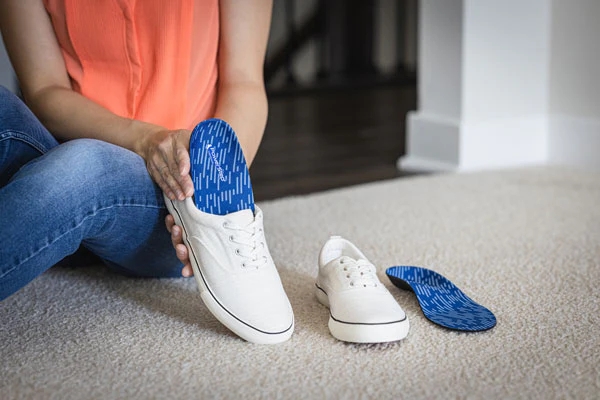
Shoes Insoles are removable layers or inserts placed inside footwear to improve fit, comfort, and support. They can be made from a variety of materials including EVA foam, gel, leather, or polyurethane. While some insoles are designed for everyday cushioning, others are engineered for orthopedic correction and performance enhancement.
The primary goal of Shoes Insoles is to provide stability, absorb shock, align the foot, and improve body posture. They also help fill extra space inside shoes for people with narrow feet or prevent slippage when walking or running.
Our feet carry the entire weight of the body and play a fundamental role in balance and movement. Without proper support, repetitive strain can lead to fatigue and discomfort. Shoes Insoles act as a foundation, aligning the foot structure and redistributing pressure evenly.
Wearing poorly fitted shoes or walking on hard surfaces for extended periods can lead to conditions like plantar fasciitis, heel pain, and Achilles tendon problems. Insoles reduce impact stress by cushioning the heel and forefoot. They also minimize friction that causes blisters and calluses.
Comfort is the most immediate benefit of using Shoes Insoles. They act as shock absorbers that reduce the force exerted during walking or running. This results in less soreness and fatigue, especially for people spending long hours standing.
Poor posture often starts from the feet. Misalignment of the arches or ankle can affect the knees, hips, and back. By providing balanced support, Shoes Insoles help correct posture, ensuring proper alignment throughout your lower body.
For individuals suffering from foot-related disorders such as plantar fasciitis, metatarsalgia, or flat feet, insoles alleviate pressure from sensitive areas. Orthopedic insoles can even aid recovery by distributing weight evenly across the sole.
Replacing insoles can breathe new life into old shoes. Over time, original shoe padding wears out, creating discomfort. Adding Shoes Insoles restores cushion and supports the internal structure, reducing stress on the sole and heels.
Moisture and bacteria thrive in humid environments. Many Shoes Insoles today feature antimicrobial coatings and breathable materials that absorb sweat, keeping your feet dry and odor-free.
Almost everyone can benefit from insoles at some point, but some groups find them particularly useful:
- Athletes and Runners: Reduce shock, improve foot stability, and enhance endurance during training.
- People with Flat Feet or High Arches: Provide necessary support to correct arch imbalances.
- Workers on Their Feet All Day: Reduce leg fatigue, muscle strain, and pressure from prolonged standing.
- Older Adults: Promote balance, prevent slips, and relieve age-related joint stress.
- Children and Teenagers: Help with developing foot structure and prevent improper walking posture.
Even those without medical foot conditions can use Shoes Insoles for extra comfort during daily activities or travel.
These are soft and lightweight inserts that add cushioning to shoes. They are perfect for everyday wear and casual walking. Comfort insoles emphasize shock absorption to reduce daily foot strain.
Orthotic models are more rigid, made from firm materials like plastic or carbon fiber. They are used to treat structural problems and provide corrective support for misaligned feet.
As the name suggests, these address arch-related issues. People with flat feet or overly high arches often experience pain, and these insoles restore balance by maintaining the natural curvature of the foot.
Designed for high-impact activities, sports insoles offer advanced shock absorption, stability, and moisture management. They keep athletes' feet stable during movement and prevent injuries caused by repetitive stress.
Gel variants are popular for extreme cushioning. They absorb pressure remarkably well, making them suitable for walking or running on hard surfaces.
These are tailor-made based on individual foot measurements. Custom orthotic insoles are ideal for people with chronic pain, deformities, or severe biomechanical conditions.
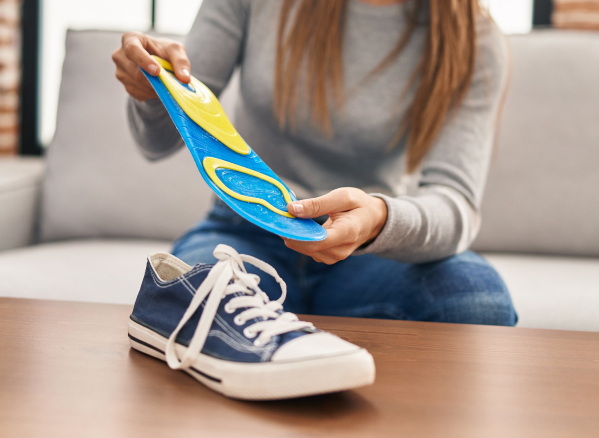
Finding the right Shoes Insoles is not about picking any pair—it's about matching them to your foot type, purpose, and shoe structure.
Here's what to consider:
1. Foot Type Recognition:
Identify if you have flat feet, neutral arches, or high arches. The right insole compensates for your natural arch structure.
2. Shoe Compatibility:
Athletic shoes, dress shoes, and work boots all require different shapes and thicknesses. Ensure the insole fits snugly without crowding toe space.
3. Material Preference:
Foam and EVA insoles offer softness; gel provides rebound and shock absorption; leather delivers premium comfort and breathability.
4. Level of Activity:
Consider how often you'll wear them and during which activities. Intensive use requires more durable materials.
5. Medical Conditions:
If you have diabetes, arthritis, or chronic heel pain, custom orthotic insoles may be necessary to provide precise support.
6. Insole Thickness:
Thicker insoles offer more cushioning but can affect shoe fit. Trim-to-fit designs are flexible and can be customized by cutting along guiding lines.
Properly designed Shoes Insoles not only protect the feet but also enhance physical performance. In sports, they minimize energy loss during motion and help maintain foot stability, improving efficiency. Better shock absorption reduces the risk of stress-related injuries like shin splints and tendonitis.
Workplace safety also benefits from Shoes Insoles, especially for people wearing safety boots. Anti-fatigue insoles reduce lower limb pain, allowing workers to maintain productivity and endurance throughout the day.
For older adults, insoles provide improved balance and grip, lowering the chance of falls and ankle twists.
China's Shoes Insoles industry has become a powerhouse in global supply chains. OEM (Original Equipment Manufacturer) providers play a crucial role by offering custom-designed insoles for international brands, wholesalers, and shoe producers.
These OEM facilities develop products tailored to each client's needs, combining functionality with branding aesthetics. Advanced technologies like 3D printing, pressure mapping, and CAD-CAM modeling are now used to produce ergonomically precise designs.
- Customization Flexibility: From arch design to logo branding, OEM factories meet specific brand identity needs.
- Cost Efficiency: Outsourcing bulk insole production saves time and reduces overall manufacturing costs.
- Consistent Quality Control: Large-scale testing ensures every batch meets international safety and performance standards.
- Material Innovation: OEM manufacturers often lead in developing new materials such as memory foams and eco-friendly polymers.
By cooperating with a professional OEM, shoe companies ensure that their footwear meets comfort expectations and market standards.
- Air Them Regularly: Remove insoles daily after use to dry them naturally.
- Clean Periodically: Wash gently with mild soap and warm water. Avoid alcohol or harsh detergents.
- Protect from Heat: Never dry under direct sunlight or high heat to prevent deformation.
- Replace When Worn: Over time, insoles compress and lose elasticity, reducing effectiveness.
Good maintenance not only extends their lifespan but also ensures hygiene and comfort.
Every pair of Shoes Insoles has a lifespan depending on use frequency, body weight, and activity level. On average, most insoles last between six months to one year.
Replace your insoles when:
- You feel less cushioning or uneven pressure.
- The surface becomes cracked or discolored.
- Odor builds up even after cleaning.
- You notice renewed pain or discomfort in your feet or legs.
Old insoles can compromise shoe performance and even worsen posture-related issues.
So, do you need insoles in your shoes? The answer is a resounding yes for many people. From athletes to office workers, everyone benefits from a solid foundation under their feet. Shoes Insoles provide cushioning, support, and protection against everyday wear and tear.
They improve comfort, prevent long-term injuries, and prolong the life of your footwear. By choosing the right pair—or partnering with a reliable OEM insole manufacturer—you bring real value to every step you take. In the end, investing in your foot health is one of the smartest decisions for your body and lifestyle.
Contact us to get more information!
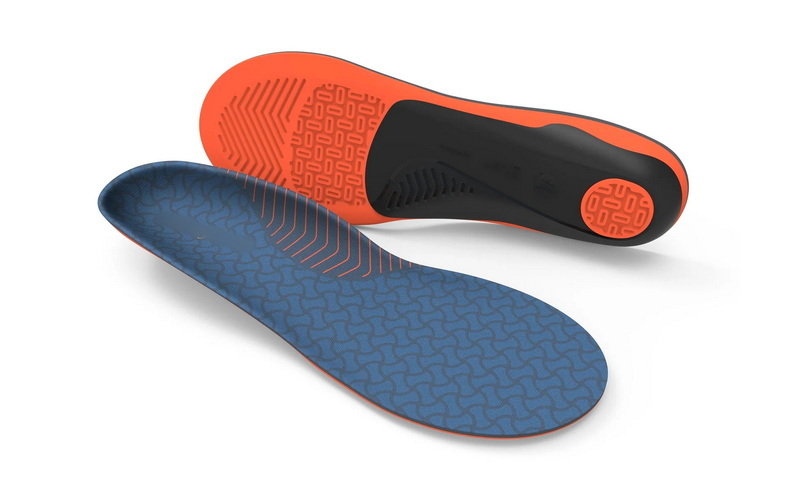
They help absorb shock, relieve foot pain, support arches, and improve posture. Insoles also keep shoes fresh and balanced, making every step smoother and safer.
If you feel discomfort, fatigue, or recurring pain in your feet or knees—or if your shoes wear unevenly—it's time to try insoles for better support.
Yes. Orthotic and arch-support insoles are ideal for flat feet. They realign the heel and arch, improving weight distribution and posture.
Depending on your usage, replace them every 6–12 months. Active users or workers on their feet daily may need replacements more often.
Custom Shoes Insoles are particularly valuable for individuals with foot deformities, chronic pain, or unique gait issues. Though more expensive, they provide maximum comfort and personalized support.
1. https://www.apma.org/
2. https://www.healthline.com/
3. https://www.medicalnewstoday.com/
4. https://www.footcaremd.org/
5. https://www.runnersworld.com/


