
Language


Content Menu
● Understanding Hip Replacement and Its Impact on Mobility
● Why Orthopedic Insoles Matter After Hip Replacement
● Signs You Might Need Orthopedic Insoles After Hip Replacement
● How Orthopedic Insoles Function
● Custom Orthopedic Insoles: Tailored for Post-Surgery Recovery
>> Features of High-Quality Custom Insoles:
● When to Start Using Orthopedic Insoles After Surgery
● Long-Term Role of Orthopedic Insoles in Hip Health
● Choosing the Right Orthopedic Insoles
● Orthopedic Insoles and Shoe Compatibility
● Advanced Rehabilitation Benefits with Insoles
● Preventive Use of Orthopedic Insoles
● OEM Orthopedic Insole Production Capabilities
● How to Maintain Orthopedic Insoles
● Daily Lifestyle Integration with Orthopedic Insoles
● FAQs
>> 1. Are orthopedic insoles necessary for everyone after hip replacement?
>> 2. How long should I wear orthopedic insoles daily after surgery?
>> 3. Can orthopedic insoles replace physical therapy?
>> 4. What material is best for post-surgery insoles?
>> 5. Can I use orthopedic insoles in all shoe types?
Recovering from a hip replacement is a complex process that involves not only surgical healing but also restoring balance, mobility, and comfort in everyday walking. Many patients and healthcare professionals overlook one essential aspect of post-surgery rehabilitation—orthopedic insoles. These specially designed inserts can significantly improve alignment, reduce pain, and prevent long-term complications.
As a leading orthopedic insole manufacturer in China, we provide OEM and ODM services for international footwear brands, orthopedic shoe producers, and wholesalers worldwide. Our custom insole solutions are designed to support recovery and long-term gait stability after hip replacement surgery.
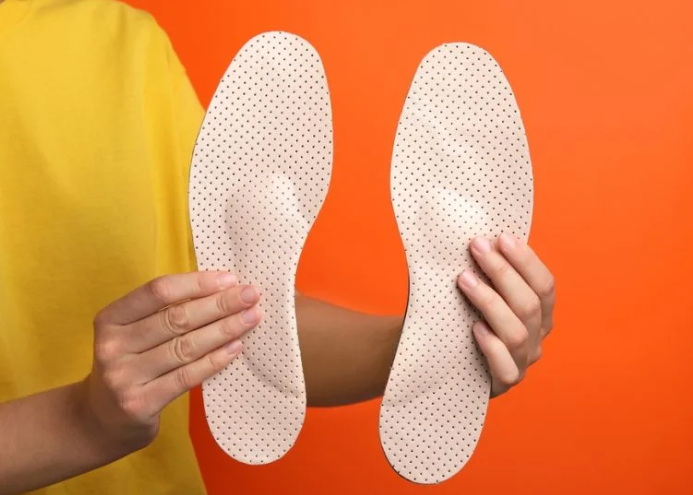
A hip replacement involves replacing a damaged hip joint with an artificial implant, usually made from metal, ceramic, or polyethylene materials. The goal is to restore normal movement and eliminate pain caused by arthritis or injury. However, surgery alone does not guarantee full mobility restoration.
When patients resume walking post-surgery, they often face challenges such as:
- Leg length differences due to surgical alignment
- Abnormal gait from muscle weakness
- Strain on the opposite hip or knee
- Fatigue during prolonged standing or walking
Orthopedic insoles address these biomechanical problems by correcting posture and redistributing body weight more evenly.
After a hip replacement, the biomechanics of the entire lower body can change. Since the hip is central to leg movement, any slight adjustment in joint position influences the knees, ankles, and feet. If left uncorrected, this may cause secondary pain or imbalance.
Orthopedic insoles can:
- Realign body posture by stabilizing the feet
- Absorb shocks that might otherwise stress the artificial hip
- Provide cushioning to reduce joint impact
- Improve mobility and walking endurance
These benefits make orthopedic insoles a trusted recovery tool recommended by physiotherapists and orthopedic specialists.
While not every patient requires insoles, certain symptoms indicate that additional support could help.
You may need orthopedic insoles if you notice:
- Pain in the lower back, knees, or the non-operated hip
- Uneven walking speed or visible limp
- Feeling that one leg is slightly shorter
- Imbalance during steps or quick fatigue
Ignoring these signs may lead to long-term alignment problems, which can delay full rehabilitation. Customized orthopedic insoles can correct these issues early and expedite recovery.
Orthopedic insoles are more than soft cushions—they are biomechanical devices designed to guide and support each step.
Their structure often includes:
- Heel cup: Stabilizes the heel to maintain alignment.
- Arch support: Prevents inward collapsing of the foot.
- Metatarsal pad: Reduces forefoot pressure and improves load distribution.
- Shock-absorbing base: Protects joints from impact while walking.
Together, these components provide an even weight balance through every stride, minimizing strain on the hip replacement area.
Each patient recovers at a different pace, making custom orthopedic insoles the best choice. By scanning the contour of the feet, custom insoles are shaped to match precisely with individual foot posture, arch height, and gait pattern.
- Three-dimensional design matching foot anatomy
- Durable EVA or PU foam material for long-term stability
- Optional gel pads for added comfort in high-pressure zones
- Medical-grade top layer for moisture control and breathability
- Reinforced arch support for dynamic body movement
By adapting to the user's body mechanics, custom insoles can reduce joint load and speed up post-surgical rehabilitation. OEM manufacturers like us offer complete customization, from design to branding, allowing medical and footwear companies to create specialized post-surgery product lines.
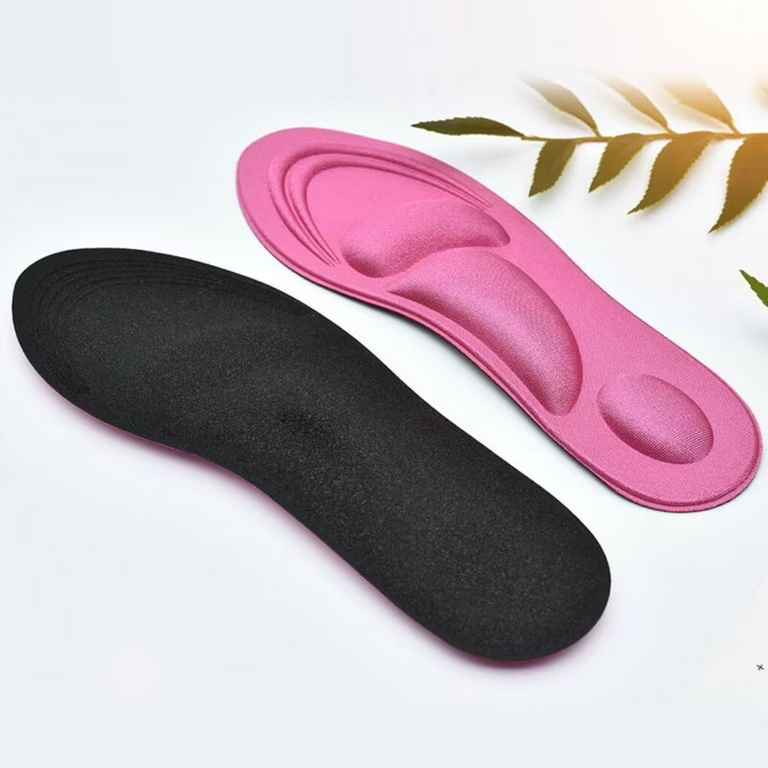
Timing is crucial. Patients typically begin using orthopedic insoles once they start walking independently or begin physiotherapy, usually within four to six weeks following surgery. Early use supports muscle retraining, enabling the body to adapt correctly to the new joint alignment.
Healthcare professionals often suggest starting with a semi-rigid insole, providing a combination of flexibility and firmness. As recovery progresses, transitioning to more supportive models ensures consistent joint protection.
Even after full surgical recovery, orthopedic insoles continue offering benefits. Many patients underestimate the importance of maintaining proper foot and hip alignment after regaining mobility. However, over time, even small imbalances can stress the hip joint and cause discomfort.
The consistent use of orthopedic insoles helps:
- Prevent future hip strain or asymmetric walking
- Support spinal and pelvic balance
- Minimize risks of knee and ankle degeneration
- Improve long-term posture and core stability
For elderly individuals or those with pre-existing joint issues, insoles serve as a preventive tool to protect newly replaced hip joints from unnecessary wear.
Orthopedic insoles come in different designs and materials, each suited for specific needs. Choosing the right type can significantly influence recovery comfort and effectiveness.
- Arch height: Choose an insole that matches your natural arch shape—low, medium, or high.
- Heel stability: Deep heel cups ensure the foot remains aligned.
- Material choice: EVA or PU insoles provide resilience, while memory foam adds softness.
- Design type: Semi-custom or fully custom depending on the level of correction needed.
- Breathability: Ventilation channels and top fabrics enhance hygiene.
A medical professional or podiatrist can assess which model aligns best with your condition, though OEM providers can also support bulk customization for specialized clinics and footwear brands.
Compatibility is essential for maximizing insole performance. Orthopedic insoles can be inserted into most shoe types, from walking shoes to medical footwear, as long as the internal depth allows enough space.
Recommended shoe types include:
- Medical recovery shoes
- Cushioning sneakers and walking footwear
- Casual leather shoes with removable insoles
- Diabetic-friendly or orthopedic shoes
If necessary, patients can adjust shoe size slightly to accommodate the insole without compromising comfort. Regular replacement of both shoes and insoles ensures consistent pressure distribution and reduces risk of re-injury.
Orthopedic insoles not only comfort the feet but also aid neuromuscular retraining. During rehabilitation, the feet send signals to the brain to stabilize balance and posture. Insoles with ergonomic support increase these feedback responses, helping patients regain natural movement patterns faster.
Additionally, insoles reduce compensatory movements such as tilting or limping, allowing the body to reestablish equal weight distribution. Over time, this accelerates reflex recovery and promotes confident, pain-free walking.
Even for those who have completed hip replacement recovery, continued use of orthopedic insoles remains beneficial. Since new artificial joints do not eliminate wear from long-term use or improper walking habits, preventive support reduces overall stress on hips and legs.
Preventive usage helps:
- Maintain proper body symmetry
- Reduce repetitive strain injuries
- Support active lifestyles for athletes or elderly users
- Delay joint fatigue and pain development
Therefore, orthopedic insoles should not be viewed only as medical aids but as daily life companions supporting complete musculoskeletal health.
As a professional orthopedic insole OEM manufacturer, our factory integrates both technical expertise and large-scale production capabilities. We assist global brands in developing professional-grade orthopedic insoles for post-surgical recovery, sports, and comfort wear.
Our production advantages include:
- Automated cutting and CNC precision shaping for accurate arch geometry
- Medical-grade material selection such as EVA, PU, and TPU composites
- In-house biomechanical testing for pressure and flexibility balance
- International packaging customization and private labeling services
- Product R&D collaboration with orthopedic clinics and podiatric experts
This allows us to meet both functional quality standards and branding aesthetics demanded by medical distributors and footwear brands globally.
Proper maintenance extends product life and ensures continuous therapeutic benefit. Orthopedic insoles should be kept clean, dry, and periodically inspected for signs of wear.
- Clean insoles manually with mild soap and lukewarm water.
- Let them air dry in shade; avoid heat sources.
- Insert them into dry shoes to prevent odor or moisture buildup.
- Replace them every 6–12 months or when they show compression or deformation.
Regular care ensures that insoles maintain their shape and support level, helping to protect both the feet and hips in the long term.
Using orthopedic insoles post-hip replacement should blend naturally into daily routine. Over time, they become part of normal footwear—unnoticeable yet immensely supportive.
Patients are encouraged to:
- Gradually increase walking duration each day
- Combine insole use with physical therapy exercises
- Wear insoles during work, exercise, and leisure to maintain consistency
- Track comfort improvements and report changes to doctors or physiotherapists
The more consistent the use, the faster and more stable the recovery process will be.
Orthopedic insoles serve as a crucial companion in hip replacement recovery and long-term mobility improvement. By promoting better posture, enhancing walking comfort, and safeguarding joint alignment, they reduce stress on the replaced hip and ensure smoother rehabilitation.
High-quality custom orthopedic insoles, especially those produced through advanced OEM manufacturing, support not just physical recovery but life-long wellness. For international footwear brands, partnering with a reliable Chinese insole manufacturer ensures consistent quality, innovation, and scalability in orthopedic product lines designed for global healthcare needs.
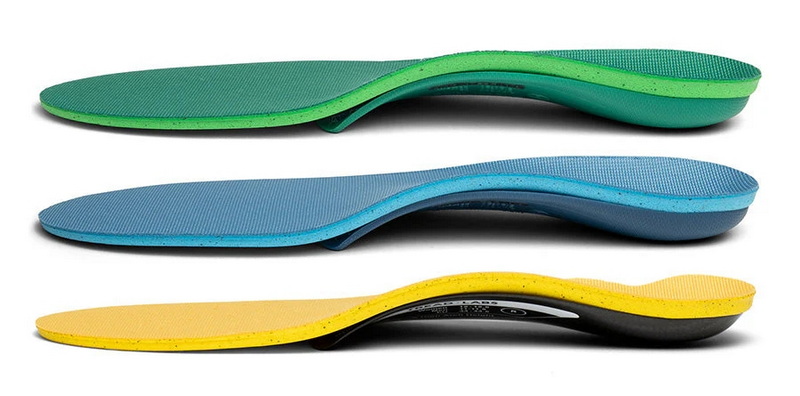
Not everyone needs them, but patients experiencing imbalance, discomfort, or postural unevenness can significantly benefit from using orthopedic insoles to support recovery.
Initially, start with short periods and gradually extend usage throughout the day as comfort improves. Consistent use helps reinforce proper alignment and gait training.
No. Insoles complement physiotherapy but cannot substitute muscle exercises or joint mobility training. Both should be used together for best results.
Medical-grade EVA and PU foam insoles are typically recommended because they provide durability, flexibility, and cushioning, ideal for sensitive rehabilitation periods.
Yes, they fit most walking, athletic, and orthopedic shoes. Always ensure adequate space within the shoe for comfort and proper placement.


