
Language
Views: 208 Author: 3BU Technology Publish Time: 2026-07-17 Origin: Site


Content Menu
● What Exactly Are Orthotic Insoles?
● Core Question: Should You Remove the Original Insoles?
● When You *Should* Remove the Original Insoles
>> 1. When Space in the Shoe Is Limited
>> 2. When You Need Precise Support and Alignment
>> 3. When the Orthotic Brand Clearly Recommends Replacement
● When You Can Keep the Original Insoles
>> 1. When the Shoe Is Extra Roomy
>> 2. When You Use Thin Orthotic Inserts
>> 3. When a Medical Professional Tells You To
● Step‑by‑Step: How To Install Orthotic Insoles Correctly
>> Step 1: Remove the Existing Insole (If Applicable)
>> Step 2: Position the Orthotic Insole
>> Step 3: Test the Fit and Comfort
● Benefits of a Properly Fitted Orthotic Insole Setup
>> 1. Improved Comfort and Reduced Fatigue
>> 2. Better Posture and Alignment
>> 3. Less Foot Pain and Fewer Overuse Injuries
● Expert Insight From an OEM Insole Manufacturer
● Quick Guide: Removing Original Insoles vs Keeping Them
● How To Choose Orthotic Insoles That Work With Your Shoes
● Final Thoughts: What Should You Do?
● CTA: Ready To Upgrade Your Orthotic Insole Line?
● FAQ: Orthotic Insoles and Original Shoe Insoles
When you first start using orthotic insoles, one of the most confusing questions is: "Should I remove my original shoe insoles or keep them under my orthotics?" This decision directly affects your comfort, support, and even how long your shoes last. [thekaleidoscope]
As a long‑time insole user and as part of a team behind an OEM/ODM insole factory in China, I have seen this question come up thousands of times—from runners and warehouse workers to brand owners and podiatrists. This guide combines real‑world user experience and manufacturing know‑how to help you make the right choice for your feet. [edmarshconsulting]
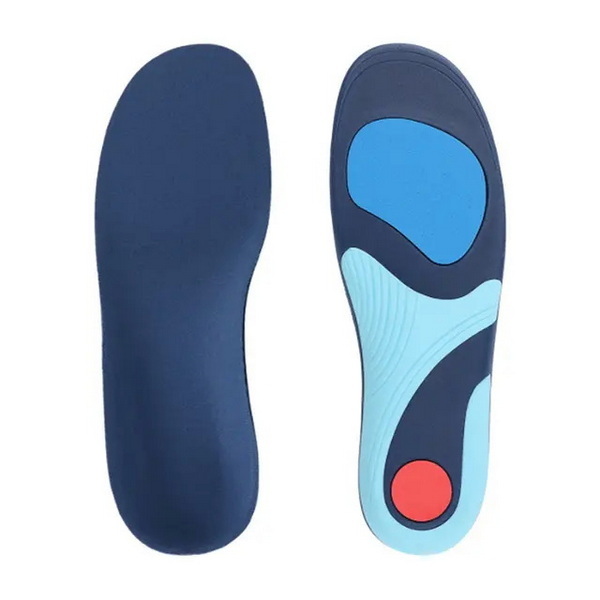
Orthotic insoles are specialized inserts designed to improve how your feet align and move inside your shoes. Unlike the thin foam liners most shoes come with, quality orthotic insoles are engineered with structure, cushioning, and targeted support zones. [thekaleidoscope]
They are commonly used by people who have:
- Plantar fasciitis or heel pain
- Flat feet, overpronation, or high arches
- Knee, hip, or lower‑back pain related to poor foot mechanics
- Long hours on hard floors (warehouses, factories, hospitals, retail)
In manufacturing, we design orthotic insoles to do three main jobs:
- Redistribute pressure away from painful hotspots
- Support the arch and control foot motion
- Stabilize the heel for better alignment up the kinetic chain [fdmotion]
When those three things are done correctly, users report that they can stand longer, walk further, and feel less tired at the end of the day. [desygner]
The short answer: In most cases, yes—you should remove the original insoles before inserting orthotic insoles. Quality orthotics are designed to replace the factory liner, not stack on top of it. [thekaleidoscope]
However, as both a user and a manufacturer, I don't treat this as a simple yes/no rule. Instead, I look at three key factors:
- Fit and available space inside the shoe
- The design and thickness of the orthotic insole
- Your specific foot condition and medical advice
Let's break this down more clearly.
Most everyday sneakers, dress shoes, and safety shoes do not have enough volume to comfortably hold two full‑length insoles. Adding an orthotic on top of the original liner pushes your foot up too high. [thekaleidoscope]
This can cause:
- Tightness across the top of the foot
- Reduced blood circulation and numbness
- Heel slippage because your foot sits too high
- Pressure points from seams and eyelets
If your shoe already feels snug, stacking two layers is almost always a bad idea. In these cases, removing the original insole is the safer, more comfortable option. [thekaleidoscope]
Most orthotic insoles are engineered to sit directly on the shoe's midsole, not on a soft, unstable foam liner. When you stack them: [thekaleidoscope]
- The arch support can "float" and lose accuracy
- The heel cup may not sit deep enough to stabilize the heel
- Pressure may shift to unintended areas of the foot
For conditions like plantar fasciitis, overpronation, or supination, that loss of precision can reduce the effectiveness of the orthotic and even make symptoms worse. [pracxcel.com]
If you're buying a structured orthotic with a firm arch and deep heel cup, it is almost always meant to replace, not layer over, the original insole.
Many premium orthotic brands explicitly state that their insoles are designed to replace the originals. As manufacturers, we do the same in our product guidelines for OEM clients. [desygner]
If the packaging, instructions, or your podiatrist says:
- "Remove the original insole before use"
- "This orthotic is designed as a replacement footbed"
…follow that guidance. Those recommendations are based on lab testing, wear trials, and thousands of customer feedbacks.
While "remove and replace" is the default, there are genuine exceptions where keeping both can work well. [thekaleidoscope]
If you have:
- Work boots or hiking boots with extra depth
- Casual shoes that feel noticeably loose
- A narrow or low‑volume foot inside a wide shoe
…then combining your original insole plus a thin orthotic can help fill space and improve the lock‑in of your foot. [thekaleidoscope]
This can be especially helpful if:
- Your heel keeps slipping
- You feel like your foot "swims" inside the shoe
- You have to over‑tighten laces to feel secure
Here, the original insole acts like a volume filler, while the orthotic adds structure and support.
Some orthotic products are intentionally slim—more like a supporting layer than a full custom footbed. Think of: [thekaleidoscope]
- 3/4‑length arch supports
- Very thin flat orthotic sheets
- Ultra‑slim forefoot pads
These are often designed to sit on top of the original insole without dramatically changing fit. In this scenario, keeping the original liner is usually fine, as long as:
- Your shoe doesn't become tight
- You still have room for your toes to move
- You don't feel pressure on the top of your foot
If a podiatrist, sports physician, or physical therapist specifically instructs you to use both layers, that advice should override general rules. [pracxcel.com]
They might do this to:
- Achieve a specific heel height
- Adjust limb‑length discrepancies
- Provide extra cushioning for high‑risk patients
In these cases, follow the prescribed setup and check in regularly to see how your feet respond.
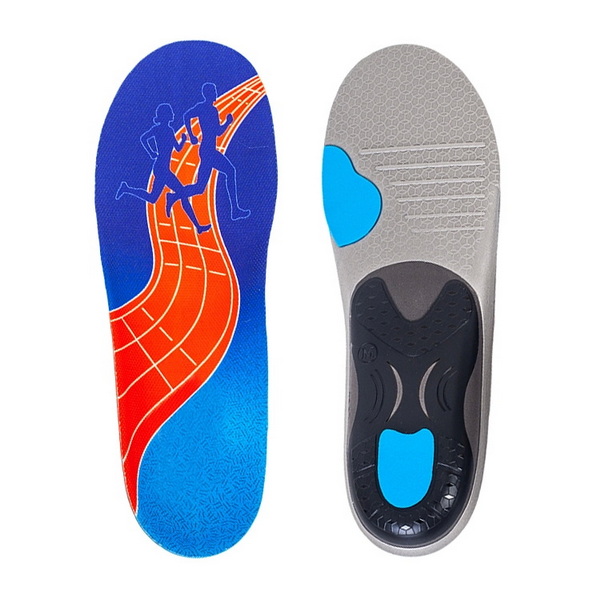
Whether you remove the original insoles or not, installation and testing are critical for comfort and performance. [thekaleidoscope]
1. Hold the heel of the original insole and gently peel it up.
2. If it is lightly glued, work slowly from heel to toe to avoid tearing the lining.
3. If it is fully bonded (common in some dress or safety shoes), only remove it if the manufacturer or a professional recommends doing so.
The goal is to avoid leaving behind lumps, loose fabric, or hardened glue that could create new pressure points.
- Slide the orthotic into the shoe, toe first, then press the heel down.
- Ensure the arch lines up with your own arch, not too far forward or backward.
- Check that the insole lies flat, with no waves or gaps along the edges. [thekaleidoscope]
A common mistake we see as manufacturers is users leaving a gap at the heel or side. That gap reduces stability and can lead to premature wear.
Before committing to a full day on your feet:
- Stand up and walk indoors for a few minutes.
- Notice whether the shoe feels tighter than usual.
- Pay attention to your heel, arch, and the ball of the foot.
You should not feel:
- Sharp pressure under the arch
- Toes jammed against the front of the shoe
- Pain across the top of the foot from excess height
If anything feels off, adjust the insole, reconsider removing the original liner, or switch to a roomier shoe.
When orthotic insoles are installed correctly—and paired with the right decision about whether to remove the original liner—you unlock multiple benefits. [thekaleidoscope]
Well‑fitted orthotics reduce pressure on sensitive areas like the heel and forefoot and help spread load more evenly across the entire foot. Users typically report: [fdmotion]
- Less burning under the forefoot
- Reduced heel pain after long shifts
- Lower overall fatigue after walking or standing
By supporting the arch and stabilizing the heel, orthotic insoles can help your legs and spine line up more efficiently. Over time, this may translate into: [pracxcel.com]
- Less knee strain
- Lower‑back relief
- Improved balance and stability
For people with plantar fasciitis, flat feet, or high arches, correctly installed orthotics can significantly reduce pain. They help control excessive motion like overpronation or supination, which is linked to many overuse injuries in active people. [thekaleidoscope]
From the perspective of a Chinese OEM/ODM insole manufacturer working with international brands, the remove‑or‑keep decision is also a product design choice.
When we develop insoles for brands, we:
- Decide early if the product is a replacement footbed or a top‑layer insert
- Adjust thickness, hardness, and heel cup depth accordingly
- Test fit across common shoe types to avoid volume issues
This is why reading product copy matters. If the insole is marketed as a:
- "Full‑length orthotic insole to replace factory liner" → assume removal.
- "Slim insert designed to fit in almost any shoe" → more likely to stack.
For B2B buyers, we often recommend building a clear instruction section and sizing guide into the packaging and product page to reduce returns and complaints. [blog.thomasnet]
| Situation / Shoe Type | Remove Original Insole? | Why It Works Best |
|---|---|---|
| Snug sneakers or running shoes | Usually Yes | Prevents excess tightness and maintains proper arch and heel alignment. (thekaleidoscope) |
| Work boots or hiking boots (extra volume) | Often No | Roomy design can comfortably handle original + thin orthotic. (thekaleidoscope) |
| Using thick, structured orthotic insoles | Yes | Designed to replace the liner for accurate support and stability. (thekaleidoscope) |
| Using thin or 3/4‑length inserts | Maybe | Can often sit on top without causing tightness if shoe volume allows. (thekaleidoscope) |
| Following podiatrist's specific protocol | Follow advice | Medical reasoning may require stacking or custom adjustments. (pracxcel.com) |
To avoid the remove/keep dilemma becoming a headache, start by choosing insoles that match your shoe type, activity, and foot profile. [linkedin]
Key points to consider:
- Thickness and volume: Thicker, more supportive insoles usually replace the original liner.
- Arch type: Match your arch height (low, neutral, high) to avoid under‑ or over‑support.
- Activity: Running, hiking, safety, and casual insoles each have different design priorities.
As a manufacturer, we also encourage B2B buyers to segment their insole lines clearly—for example:
- "Everyday support insoles for casual shoes"
- "High‑volume work boot insoles for safety footwear"
- "Slim orthotic inserts for dress shoes"
This not only improves customer satisfaction but also makes content marketing and SEO more targeted.
If you are using structured orthotic insoles with real arch and heel support, the safest, most effective default is to remove your original insoles first, then test the fit. [thekaleidoscope]
Only keep both layers if:
- Your shoes are clearly roomy
- Your orthotics are thin
- A professional has advised stacking
Listen to your feet over the first few days. A bit of adaptation is normal, but pain, numbness, or serious tightness are warning signs to adjust your setup.
If you are a brand owner, wholesaler, or footwear manufacturer looking to develop or optimize your orthotic insoles range, partnering with an experienced OEM/ODM factory can shorten your testing cycle and reduce product risk. [blog.acorn30]
Work with a manufacturer that can:
- Customize thickness, hardness, and support profiles to match your target shoes
- Provide professional guidance on "replace vs stack" positioning in your product copy
- Support you with private‑label packaging, size runs, and compliance documentation
Talk with a specialist team, share your target market and use cases, and co‑create an insole line that your customers will actually keep in their shoes—because it feels right from day one.
Q1: How do I know if my shoes are too tight with both insoles?
If you feel pressure on the top of your foot, numb toes, or pain along the laces after a short walk, the combination is likely too thick. Removing the original insole or switching to a roomier shoe is recommended. [thekaleidoscope]
Q2: Can I use orthotic insoles in all my shoes?
Most orthotic insoles can be moved between shoes of similar style and volume, such as athletic shoes or work boots. Very tight dress shoes or fashion sneakers may require slimmer inserts designed specifically for low‑volume footwear. [desygner]
Q3: How long do orthotic insoles usually last?
Service life depends on materials, body weight, and usage, but for regular daily wear, many users find they need to replace their insoles every 6–12 months to maintain optimal support and cushioning. [fdmotion]
Q4: Do orthotic insoles work for knee and back pain?
While orthotics primarily act at the foot level, improving alignment and shock absorption can reduce stress on knees, hips, and the lower back for many people. However, persistent pain should be assessed by a medical professional. [pracxcel.com]
Q5: Is it normal to feel strange when first using orthotic insoles?
Yes. A short adjustment period is common because orthotics change how your feet load and move. Start with 1–2 hours per day and gradually increase wear time over a week unless your provider instructs otherwise. [congero.com]
1. Aline Insoles – "Do I Remove Original Insoles When Using Orthotics Insoles?" (original article) – [https://alineinsoles.com/blogs/news/do-i-remove-original-insoles-when-using-orthotics-insoles]
2. Acorn30 – "9 Best Ways to Improve Your Manufacturing Blog" (blog structure and CTA insights) – [https://blog.acorn30.com/learning-center/9-best-ways-to-improve-your-manufacturing-blog]
3. SEOScore Tools – "E‑E‑A‑T Checklist" – [https://seoscore.tools/blog/eeat-optimization/]
4. FD Motion – "Orthotics Marketing: Strategies From Experienced Podiatrists" – [https://www.fdmotion.com/blog/boost-your-orthotics-marketing]
5. Desygner – "Crafting Engaging Content for an Orthotics Business" – [https://desygner.com/blog/industry/how-to-create-content-for-orthotics-business]
6. ThomasNet Blog – "13 Ways To Improve Your Manufacturing Blog (For Lead Generation)" – [https://blog.thomasnet.com/ways-to-improve-manufacturing-blog]
7. LinkedIn – "SEO Strategy for Compression Sleeves, Socks, Insoles & Similar Products" – [https://www.linkedin.com/posts/raushan-raj-501771237_your-seo-strategy-shouldnt-just-drive-activity-7374795319919706113-caaI]
8. Congero – "Podiatry SEO: Practical Guide to Attract More Patients" – [https://congero.com.au/blog/guides/podiatry-seo/]


