
Views: 222 Author: Amanda Publish Time: 2025-09-05 Origin: Site


Content Menu
● Causes and Risk Factors of Fallen Arches
● How Do Arch Insoles Work for Fallen Arches?
● Benefits of Using Arch Insoles for Fallen Arches
>> Pain Relief and Increased Comfort
>> Enhanced Foot and Body Alignment
>> Improved Stability and Balance
>> Prevention of Long-Term Deformities and Injuries
>> Increased Physical Activity and Quality of Life
● Types of Arch Insoles for Fallen Arches
● Choosing the Right Arch Insole
● How to Use Arch Insoles Effectively
● Supporting Foot Health Beyond Insoles
● FAQ
>> 1. Can arch insoles cure fallen arches?
>> 2. How often should I replace my arch insoles?
>> 3. Are custom arch insoles better than generic ones?
>> 4. Can children use arch insoles for fallen arches?
>> 5. Do arch insoles fit into all types of shoes?
Fallen arches, commonly known as flat feet, can cause discomfort and disrupt daily activities for many people worldwide. One of the most effective ways to alleviate the symptoms and provide support for this condition is through the use of arch insoles. But do insoles really help fallen arches? This article delves deeply into the causes of fallen arches, how arch insoles work, their wide-ranging benefits, and the best practices for using them. The article also discusses different types of arch insoles and addresses frequently asked questions to provide a thorough understanding for anyone considering arch insoles as a solution.

Fallen arches occur when the natural arch of the foot collapses, causing the entire sole to make complete or near-complete contact with the ground. This condition is sometimes referred to as flat feet or Pes Planus. Fallen arches can be congenital, meaning people are born with them, or they can develop over time due to various factors such as aging, injury, or excessive strain on the foot's supportive tendons and ligaments.
Common symptoms associated with fallen arches include:
- Pain and swelling along the inside of the foot and ankle
- Heel and arch pain that worsens with activity
- Stiffness and fatigue in the feet after standing or walking for periods
- Altered walking patterns and instability
- Knee, hip, and lower back discomfort due to changes in overall body alignment
Fallen arches are quite common, especially among adults, with some studies suggesting that up to 30% of adults may have some degree of flat feet. However, only a subset experiences significant symptoms requiring intervention.
Understanding the causes of fallen arches helps in choosing appropriate treatment strategies. The arch of the foot is supported by muscles, tendons, and ligaments, especially the posterior tibial tendon. When these structures weaken or are injured, the arch can collapse.
Common causes and risk factors include:
- Genetics: Some are born with low or absent arches due to hereditary foot structure.
- Age-related wear: Tendons lose strength and flexibility over time, increasing arch collapse risk.
- Injury: Trauma to the foot or ankle can damage supportive ligaments or tendons.
- Obesity: Excess weight puts additional pressure on the arch, contributing to its decline.
- Overuse: Repetitive stress from standing long hours or high-impact sports may weaken foot structures.
- Medical conditions: Diabetes, rheumatoid arthritis, and other inflammatory diseases can affect tendon health.
Recognizing these risk factors can help individuals seek early support such as arch insoles to prevent progression.
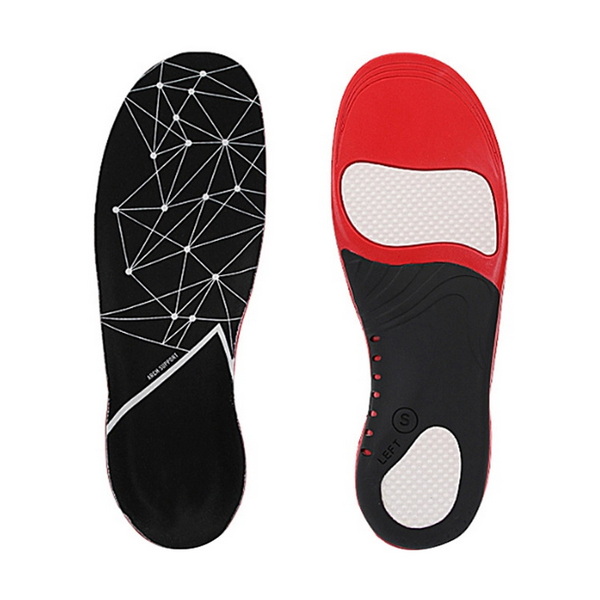
Arch insoles, also known as orthotic insoles, are specially designed shoe inserts that provide structural support to the foot's arch. They function by:
- Lifting and supporting the arch: This prevents the foot from collapsing inward (overpronation), maintaining the foot's natural curve.
- Redistributing pressure: Insoles help spread weight evenly across the foot to reduce focused strain on the arch and heel.
- Improving alignment: By supporting the arch, insoles promote better alignment of the foot, ankle, knees, hips, and even the spine.
- Providing cushioning: High-quality arch insoles absorb shocks from walking or running, reducing impact-related discomfort.
When placed inside footwear, arch insoles act as a corrective support to stabilize the foot and relieve tension on compromised muscles and ligaments, reducing pain and fatigue.
One of the most immediate benefits of using arch insoles for fallen arches is pain relief. By supporting the arch and redistributing weight, insoles alleviate pressure on inflamed tissues, reducing pain in the foot's arch, heel, and ankle. The shock absorption qualities also lessen the impact on joints, enhancing overall comfort during walking or standing.
Fallen arches often lead to overpronation, where the foot rolls inward excessively. This causes misalignment up the kinetic chain — knees may turn inward, hips may tilt, and the spine may compensate. Arch insoles help correct the foot's posture, which cascades into improved body alignment, reducing strain in other joints and the lower back.
Supporting the arch strengthens the foundation of each step. Arch insoles improve balance by providing a firmer base, decreasing the risk of slips, trips, and falls. This is particularly beneficial for older adults or those with balance issues, promoting safer mobility and confidence in movement.
Without support, fallen arches can worsen, leading to deformities like bunions, hammertoes, or tendonitis. Using arch insoles regularly helps maintain proper foot structure, preventing progression and the need for more aggressive treatments such as surgery.
Pain and discomfort from fallen arches often discourage physical activity, which may negatively impact overall health. Arch insoles can mitigate these symptoms, allowing people to engage in walking, running, and other activities more comfortably, fostering better physical fitness and mental well-being.

Arch insoles vary to cater to different arch heights and foot conditions:
- Low Arch Insoles: Designed for individuals with flat or very low arches, these provide maximum arch support to lift the collapsed area.
- Neutral Arch Insoles: Suitable for normal arch heights, these insoles maintain natural foot posture without overcorrecting.
- High Arch Insoles: Tailored for people with unusually high arches, offering cushioning and balanced support.
Additional features may include heel cups for stability, rigid arch shanks to prevent excessive bending, and gel pads for enhanced softness. Insoles can be found in over-the-counter variations or customized by foot specialists for specific biomechanical needs.
Picking the appropriate arch insole depends on several factors:
- Foot shape and arch height: An assessment by a podiatrist or using foot scanning technology can determine arch type.
- Footwear type: Insoles should fit comfortably in the shoes used most frequently while providing adequate support.
- Activity level: Athletes may require specialized insoles for added shock absorption and stability.
- Severity of symptoms: More severe fallen arches often benefit from custom orthotics for tailored correction.
Trial and error may be necessary to find the most effective insole. Many brands offer satisfaction guarantees and replacement options.
To maximize the benefits of arch insoles:
- Use insoles daily, especially when standing, walking, or exercising.
- Wear footwear that supports the insole well and offers a firm heel counter.
- Gradually increase usage to allow the feet to adapt to new support.
- Combine insoles with foot exercises that strengthen intrinsic foot muscles.
- Monitor for any discomfort or pain; consult a podiatrist if problems persist.
Consistent and correct use of arch insoles enhances foot health and longevity.
While arch insoles address fallen arches effectively, pairing them with holistic foot care yields the best outcomes. Recommended practices include:
- Foot strengthening exercises: Activities such as toe curls, arch lifts, and calf stretches build supportive muscles.
- Proper footwear: Choose shoes with enough room for toes, cushioned soles, and good arch support.
- Weight management: Maintaining a healthy weight reduces undue foot pressure.
- Rest and elevation: Periodically resting the feet and elevating them helps reduce swelling.
- Professional evaluation: Regular check-ups with foot specialists ensure ongoing foot health and appropriate adjustments.
Arch insoles provide invaluable support for individuals with fallen arches, offering significant relief from pain and discomfort while improving foot and overall body alignment. They work by lifting the collapsed arch, redistributing pressure, and stabilizing the foot during movement, which reduces the risk of further injury and deformity. Although they do not cure fallen arches outright, arch insoles drastically improve quality of life by enhancing mobility, balance, and comfort.
For best results, choose arch insoles appropriate for your foot type and usage needs, ideally with professional guidance. Combining insoles with supportive footwear, foot exercises, and healthy habits creates a comprehensive approach to managing fallen arches and related symptoms. Whether over-the-counter or custom-made, arch insoles represent a practical, non-invasive solution that benefits millions worldwide.
Arch insoles do not cure fallen arches but effectively support the foot's arch to reduce pain and prevent progression. They improve foot function and posture without altering the underlying foot structure permanently.
Replacement is generally recommended every 6 to 12 months depending on wear and tear. Loss of arch support, discomfort, or visible damage are signs that it's time for new insoles.
Custom arch insoles provide tailored support based on an individual's unique foot shape and gait, offering superior comfort and correction, especially for severe fallen arches. However, over-the-counter insoles can be sufficient for mild cases.
Yes, children with symptomatic flat feet can benefit from arch insoles designed for their smaller sizes. Early use may help prevent pain and improve foot development.
Most arch insoles are designed to fit various footwear, including athletic shoes, boots, and casual shoes. It is important to select appropriately sized insoles and ensure shoes have enough room to accommodate them comfortably.
[1](https://powerstep.com/blogs/news/fallen-arches-give-your-feet-the-support-they-deserve)
[2](https://betterhood.in/learn/benefits-of-arch-support-insoles-for-flat-feet/)
[3](https://www.youtube.com/watch?v=BUUZD1XRpo0)
[4](https://insoles.com/pages/symptoms-and-conditions-fallen-arches)
[5](https://redi-thotics.com/arch-support-insoles-for-flat-feet/)
[6](https://treadlabs.com/blogs/insoles-reach-your-stride/best-insoles-flat-feet-high-arches)
[7](https://footactive.co.uk/common-foot-problems/fallen-arches-over-pronation)
[8](https://pmc.ncbi.nlm.nih.gov/articles/PMC7446821/)
[9](https://theinsolestore.com/collections/flat-feet-fallen-arches)
[10](https://www.straitspodiatry.com/custom-flat-foot-insoles/)
[11](https://www.footandankleguru.com/blogs/item/527-arch-support-benefits-for-flat-feet)
[12](https://www.simplyfeet.co.uk/footcare/arch/fallen-arches.html)
[13](https://treadlabs.com/blogs/insoles-reach-your-stride/insoles-for-flat-feet-support-the-arch-relieve-the-pain)
[14](https://www.thephysiotherapyplace.com/news-feed/footscanforflatfeet)
[15](https://powerstep.com/collections/flat-feet-fallen-arches-pronation)
[16](https://yoursole.com/blog/us/best-insoles-flat-feet-fallen-arches)
[17](https://yoursole.com/ca/flat-feet)
[18](https://www.shoeinsoles.co.uk/arch-angel-fallen-arch-flat-feet-insoles.html)
[19](https://www.upstep.com/a/answers/pain-management/why-do-arch-supports-hurt-my-flat-feet-and-how-to-relieve-the-pain)
[20](https://luckyfeetshoes.com/blogs/blog/benefits-arch-supports)


