
Views: 222 Author: Edvo Publish Time: 2026-01-21 Origin: Site


Content Menu
● Why Oversized Shoes Cause Problems
>> The Common Signs of Ill-Fitting Shoes
● How Shoes Insoles Help Improve Fit
>> Enhancing Support and Alignment
>> Reducing Impact and Fatigue
● Types of Shoes Insoles That Work Best for Oversized Shoes
>> Foam Insoles
>> Gel Insoles
● How to Choose the Right Insole for Your Shoes
>> Match Materials to Your Lifestyle
● How to Insert and Use Insoles Correctly
● Complementary Tools for a Perfect Fit
● Additional Benefits of Using Shoes Insoles
>> Better Posture and Body Alignment
>> Enhanced Comfort for Active Individuals
● Common Mistakes to Avoid When Using Insoles
● Tips for Long-Term Comfort and Shoe Health
>> Match Insoles With Quality Footwear
● Sustainability Aspect of Shoe Insole Use
● FAQ
>> 1. How much shoe size can insoles correct?
>> 2. Do insoles work for all shoe types?
>> 3. How often should I replace my insoles?
>> 4. Are orthotic insoles useful for oversized shoes?
>> 5. What's the best way to clean insoles?
Finding the ideal pair of shoes can be a challenge, especially when you finally locate your favorite style but realize the fit is not quite right. One of the most common sizing problems occurs when shoes are just a bit too big. Loose shoes can be uncomfortable, cause blisters, and even lead to long-term foot issues if not corrected.
Many people wonder, do insoles help if shoes are too big? The answer is yes—Shoes Insoles are one of the best, most affordable ways to make oversized footwear fit more comfortably. By adding extra volume, providing support, and improving balance, the right insole can transform an ill-fitting shoe into a perfectly snug and supportive one.
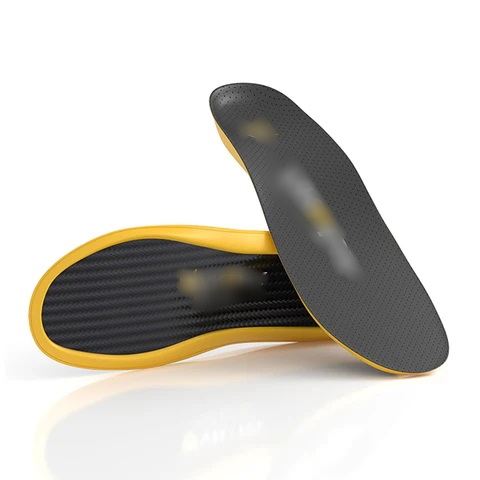
Shoes that are too large may seem like a minor annoyance, but the negative effects add up quickly. Loose footwear can lead to friction, instability, and poor posture. When your feet slide around inside your shoes, the continuous movement creates heat and rubbing, which results in blisters or calluses.
In addition, a loose shoe does not adequately support your arch or heel. This instability can strain your knees, hips, and lower back. Over time, wearing oversized shoes can change the way you walk, leading to fatigue and even long-term alignment issues.
- Constant rubbing or slipping at the heel
- Toes sliding forward and hitting the shoe front
- Feet feeling wobbly or unstable during movement
- Noticeable gaps around the sides or top of the foot
- Need to lace tightly or wear thicker socks for secure fit
If these describe your situation, Shoes Insoles might be the perfect remedy.
The primary function of Shoes Insoles in oversized footwear is to fill extra space. They act as a layer of padding between your foot and the shoe, effectively taking up room that causes looseness. This added thickness stabilizes your foot, helping secure your heel while reducing movement inside the shoe.
Besides filling space, Shoes Insoles improve how your feet sit inside the shoe. Proper alignment relieves uneven pressure on your arches, heels, and toes. This alignment is essential for pain prevention, particularly if you wear shoes for long hours.
Every step exerts impact forces through your knees and spine. Insoles with good cushioning absorb these shocks, making each step smoother. The improved comfort reduces tiredness and enhances endurance, which is especially useful for workers, athletes, or travelers.
Different materials and designs serve different purposes. Understanding the characteristics of each type will help you choose the ideal insole for your specific shoes.
Soft foam insoles are affordable, lightweight, and highly effective at filling extra volume. They're excellent for casual sneakers, trainers, or walking shoes.
- Advantages: Easily available, comfortable, and can be replaced often.
- Disadvantages: They compress over time, losing shape and height.
Gel insoles are ideal for individuals on their feet all day. The gel material offers unmatched shock absorption and is often used in athletic or work shoes.
- Advantages: Superior comfort and durable support.
- Disadvantages: May feel heavy or become warm during summer months.
Memory foam combines comfort with shape retention. It molds to your foot contours, making it feel custom-fitted.
- Advantages: Adapts perfectly to individual foot shapes; works well in fashion and dress shoes.
- Disadvantages: Not highly breathable; can retain heat.
Leather insoles offer sophistication and breathability. They add subtle volume, allowing a refined fit for formal or business footwear.
- Advantages: Natural odor control and long durability.
- Disadvantages: Higher price and need for occasional conditioning.
Orthotic or medical-grade insoles correct structural imbalances in your feet. They provide both size adjustment and posture improvement, ideal for anyone dealing with chronic pain.
- Advantages: Offer maximum support and stability.
- Disadvantages: May be too thick for some shoe types without removal of original soles.
- Sneakers and running shoes: Full-length foam or gel insoles make the fit snug while increasing cushioning.
- Dress shoes: Choose sleek designs like thin leather or memory foam varieties.
- Boots and work shoes: High-support orthotic insoles or thermal varieties work well to fill space and protect against fatigue.
Choosing the correct shape ensures the shoe maintains both comfort and aesthetics.
Calculate how much room needs filling. For shoes that are only slightly big (half a size), a standard insole works perfectly. If the shoes are one full size up, consider a combination of insoles and heel grips for best results.
If you often walk or run, prioritize shock absorption and sweat control. For office wear, emphasize thinness and elegance to maintain space inside the shoe.
Even if the shoes aren't overly loose, choosing Shoes Insoles with proper arch contour enhances balance and alignment. Arch support evenly distributes body weight, preventing chronic discomfort or fatigue.
Improper insole placement or sizing can reduce effectiveness. Follow these steps to ensure the best fit:
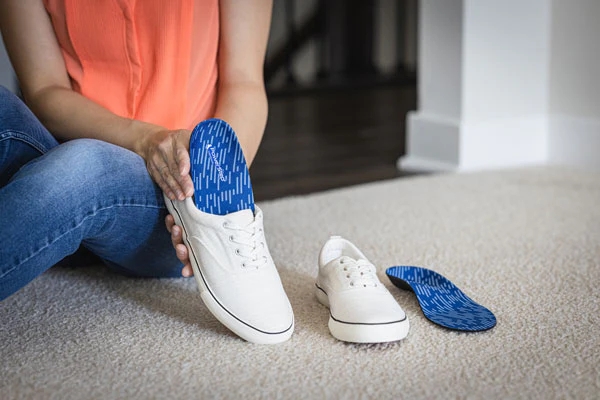
1. Remove the original insole to make space for the new one.
2. Trim if necessary — many insoles include cutting lines at the toe end. Use sharp scissors for accuracy.
3. Align carefully inside the shoe, starting with the heel. Make sure there are no folds or raised edges.
4. Test walk for several minutes to check comfort. Your heel should feel secure and your toes relaxed.
5. If slipping continues, add heel pads or toe cushions for extra adjustment.
A properly fitted pair of Shoes Insoles should feel snug but never tight.
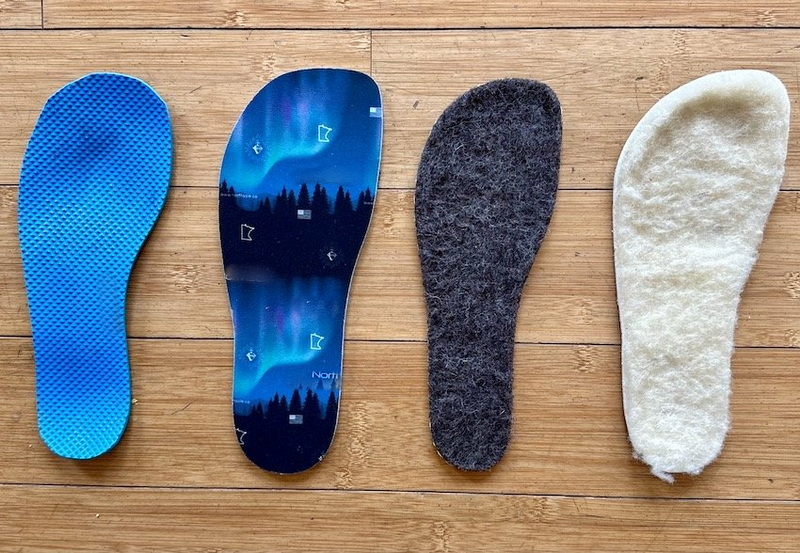
When shoes are slightly too big, Shoes Insoles often fix the problem on their own. Yet for more significant gaps, you can combine additional accessories:
- Toe inserts: Fill small gaps in the front of closed-toe shoes.
- Heel grips: Create a tighter fit around the back to prevent slippage.
- Tongue pads: Ideal for lace-up shoes to reduce top-side looseness.
- Thicker socks: Useful in cold weather for temporary tightening.
Using these alongside insoles gives you fine-tuned control over comfort and stability.
Even beyond solving size problems, Shoes Insoles bring numerous other advantages. Their role extends far into improving your daily comfort and long-term foot health.
By supporting correct foot positioning, insoles help your spine align properly. Improved posture reduces fatigue and prevents muscle tension in your back, knees, and hips.
For those with flat feet, high arches, or plantar fasciitis, supportive insoles minimize strain by balancing foot pressure more evenly.
Insoles act as a barrier between your foot and the shoe's midsole, preventing deformation and wear caused by moisture or repeated pressure.
Runners, office workers, and travelers all benefit from the cushioning and energy-returning features of quality insoles.
Instead of discarding expensive yet slightly oversized shoes, a pair of well-fitted Shoes Insoles gives them a second life—affordably and sustainably.
Even though insoles are simple to use, mistakes can limit their effectiveness:
- Forgetting to remove existing footbeds: Double layering makes shoes too tight and unstable.
- Improper trimming: Rough edges or uneven cuts lead to discomfort or shifting during movement.
- Choosing wrong thickness: An overly thick insole can distort the shoe, while one too thin won't solve space issues.
- Ignoring maintenance: Insoles collect sweat and bacteria, so regular cleaning or replacement is crucial.
Maintaining your Shoes Insoles extends their benefits and keeps your shoes fresh.
Switch between pairs if you wear shoes daily. This allows insoles to dry and regain shape.
Remove the insoles after intensive use to prevent moisture buildup and odor.
Foam and gel insoles usually last around 4–6 months under heavy use. Replace them once they lose firmness, especially if you walk or stand all day.
No insole can compensate for poor-quality or deformed shoes. Using Shoes Insoles in well-constructed footwear ensures optimal comfort and durability.
Today's consumers are increasingly aware of environmental impacts. Instead of frequently buying new shoes, replacing or adjusting the fit using Shoes Insoles reduces waste. Many insole brands now use eco-friendly materials like recycled EVA foam, cork, or vegetable-tanned leather. Choosing sustainable insoles benefits both your comfort and the planet.
For manufacturers and global brands, offering Shoes Insoles made from renewable materials can enhance brand reputation in a sustainability-driven market. Recyclable insoles also align with modern eco-conscious retail strategies.
So, do insoles help if shoes are too big? The answer is an undeniable yes. Shoes Insoles serve as simple yet powerful tools for transforming loose footwear into perfectly fitting, supportive shoes. They can eliminate discomfort, improve stability, and even extend the life of your favorite pairs.
Whether you prefer foam for simplicity, gel for impact absorption, or orthotic for active support, the right insole can revolutionize your wearing experience. By filling gaps, correcting alignment, and cushioning every step, insoles ensure your shoes look better, feel better, and promote better health.
If your shoes are slipping, oversized, or simply uncomfortable, you don't need to replace them—adjust them. With the right pair of Shoes Insoles, you'll achieve both comfort and confidence in every step.
Contact us to get more information!
High-quality Shoes Insoles can reduce space by about half a shoe size. For larger adjustments, combine insoles with heel or toe inserts.
Yes. Insoles are effective for sneakers, flats, boots, and dress shoes. You just need to select the appropriate material and thickness for each shoe style.
Most insoles last 4–12 months, depending on your usage frequency and activity level. Replace them once they lose cushioning or begin showing odor and wear.
Absolutely. Orthotics not only fill extra space but also correct foot alignment and relieve chronic pain, making them ideal for long-term wear.
Wipe insoles with a damp cloth or mild soap solution, let them air-dry naturally, and avoid direct sunlight. Baking soda can help remove odors overnight.
1. American Podiatric Medical Association: Foot Care and Insoles
2. Healthline: Shoe Insoles and Foot Support
3. Verywell Fit: How to Choose the Right Insoles
4. Cleveland Clinic: Proper Shoe Fit Tips
5. Runner's World: Best Shoe Insoles for Runners


