
Views: 222 Author: Edvo Publish Time: 2026-01-24 Origin: Site


Content Menu
● How Insoles Improve the Fit of Shoes
>> 1. Adjusting Internal Volume
>> 2. Improving Cushioning and Pressure Distribution
>> 3. Aligning Shoe Structure with Foot Anatomy
>> 4. Restoring Worn-Out Shoes
● The Science Behind Insole Materials
>> Gel Insoles
● Choosing the Right Insole for Your Footwear
● The OEM Role in Shoe Insole Manufacturing
● Common Problems Insoles Can Solve
● Maintenance Tips for Optimal Insole Performance
● How Insoles Enhance Health and Posture
● Who Benefits Most from Shoe Insoles?
● Sustainability in Modern Insole Production
● FAQ
>> 1. How do insoles make shoes fit tighter?
>> 2. Can I use insoles in all types of shoes?
>> 3. How often should I replace my insoles?
>> 4. Are orthotic insoles better than standard ones?
>> 5. Do insoles help people with flat feet?
Finding shoes that fit perfectly often feels harder than it should. Even when the size seems right, minor gaps, tight spots, or poor support can leave your feet sore and tired. Fortunately, this is where a Shoe Insole can make a remarkable difference. But do insoles really help shoes fit better—or are they just extra padding without function?
For footwear designers, wholesalers, or brand managers sourcing from manufacturing partners, understanding how Shoe Insoles influence shoe fit, comfort, and longevity is essential. This comprehensive guide explains how insoles affect comfort, alignment, and shoe structure while also exploring how OEM insole manufacturing supports global footwear brands.
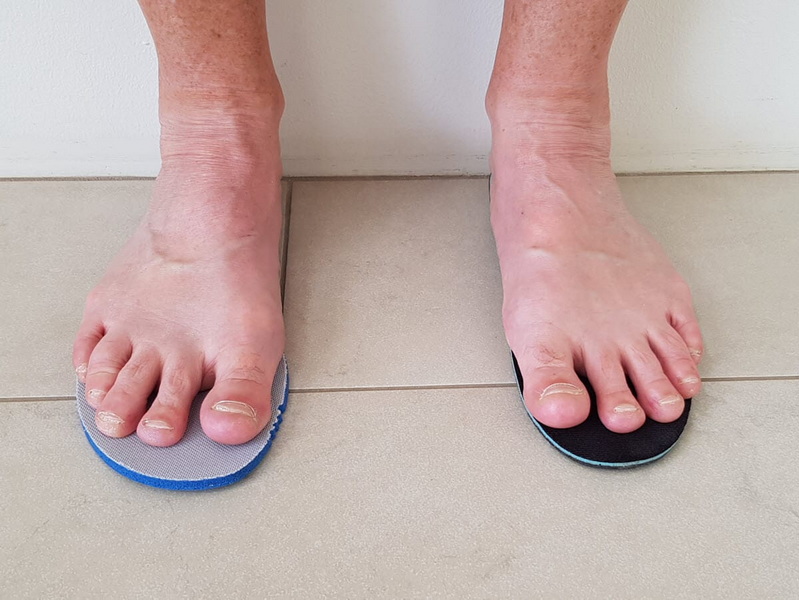
A Shoe Insole is a removable or built-in layer placed inside the shoe to increase cushioning, support, and proper alignment between the shoe and the foot. This subtle addition can significantly alter the way a shoe fits and feels, turning mediocre footwear into something supportive, comfortable, and ergonomic.
Shoe Insoles serve several key purposes:
- Improve internal shoe structure and reduce excessive space.
- Absorb shock to minimize foot fatigue during long-standing or movement.
- Support correct posture and prevent ankle or arch misalignment.
- Prolong shoe lifespan by reducing internal wear and friction.
While every insole aims to improve comfort, different materials and designs provide unique advantages based on activity type and user needs.
The primary reason people use insoles is to make shoes fit better. Shoes often differ slightly in interior size or shape, even when labeled the same size. A good Shoe Insole can correct fit discrepancies caused by manufacturing tolerances or individual foot variations.
Loose-fitting shoes can cause blisters, friction, and instability. A well-designed Shoe Insole fills internal space to improve security and reduce heel slippage. This tactile adjustment allows shoes to conform more closely to the contours of the foot.
In contrast, thin insoles or partial inserts can make slightly tight shoes feel more spacious without sacrificing comfort. Choosing the right combination ensures that walking and running motions remain natural and supported.
Pressure points form when uneven forces transfer through the sole each time you step. Over time, this leads to pain near the heel, forefoot, or arch. A quality Shoe Insole redistributes this force evenly, reducing localized stress and helping your feet maintain stability.
For workers and athletes who stand or move for long hours, proper insole cushioning dramatically lessens fatigue while providing necessary support. The result is consistent comfort that lasts throughout the day.
Shoes are mass-produced, but feet are not. High arches, flat feet, and pronation patterns vary widely among individuals. This mismatch often causes discomfort and poor posture. Shoe Insoles compensate by correcting alignment differences between the shoe's structure and the user's biomechanics.
- Flat feet benefit from arch-support or motion-control insoles that reduce overpronation.
- High-arched feet require soft, shock-absorbing insoles that fill empty space and stabilize foot contact.
- Neutral arches pair well with moderate cushioning that enhances natural motion without restricting it.
By aligning the shoe's interior structure with the foot's shape, insoles create harmony between design and anatomy.
Even premium shoes lose cushioning and shape over time. The original padding compresses, causing fit issues or uneven support. Replacing the old liner with a high-quality Shoe Insole restores lost structure and comfort. This simple upgrade extends the shoe's life while preventing expensive replacements.
A Shoe Insole's function depends heavily on its material composition. Different materials influence weight, flexibility, moisture control, and longevity. Understanding the choices available helps manufacturers and buyers select the best insole for their specific footwear category.
These insoles mold precisely to the wearer's foot, providing personalized comfort and pressure relief. Memory foam is ideal for walking shoes or daily wear, though less supportive for high-performance sports.
Designed for shock absorption, gel-based insoles cushion feet during high-impact activities such as running or basketball. They prevent heel pain and reduce vibration stress through silicone or polymer gel pads.
Orthotic Insoles target specific corrective needs—like plantar fasciitis, supination, or overpronation. Meanwhile, EVA (ethylene-vinyl acetate) combines lightweight structure and durability, making it a common choice for mass footwear production.
Natural materials such as cork and leather allow moisture regulation and firm support. These are widely used in dress shoes and high-end lifestyle footwear where structure and breathability are priorities.
Each design and material combination offers a unique level of comfort, stability, and aesthetic appeal. Modern Shoe Insole manufacturers also integrate antimicrobial fabrics, 3D mesh ventilation, and eco-friendly foams to meet both consumer and sustainability expectations.
Finding the right Shoe Insole depends on intended use, shoe type, and personal foot anatomy. The following guidelines help identify suitable insoles:
1. Analyze Foot Arch Type: Test your arch by stepping on paper with wet feet. A flat footprint indicates low arches; a narrow imprint shows high arches. Select insoles accordingly for correct support.
2. Match Activity to Function: Running shoes need energy-return and motion stability; work boots need supportive cushioning for long wear. Choose insoles designed for the environment of use.
3. Test Thickness and Fit: The best insole should enhance shoe contour without causing tightness. Trimming may be necessary for optimal adjustment.
4. Prioritize Material Quality: EVA or gel insoles last longer and keep their shape better than low-quality foam alternatives.
5. Replace Regularly: Even the best insoles wear out. Replace every 6–12 months or sooner for demanding activities.
By following these simple principles, you maximize the chance your Shoe Insole truly refines your shoe's performance and feel.
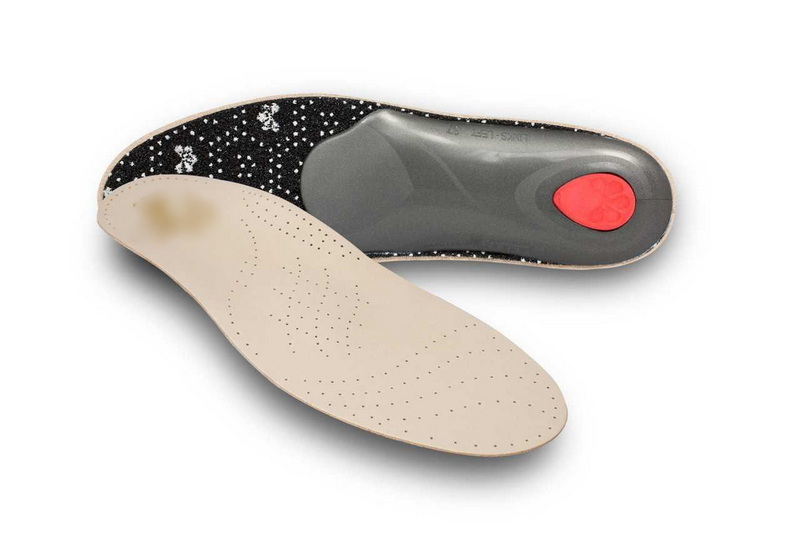
In the global footwear supply chain, many brands rely on OEM Shoe Insole manufacturers in China to develop custom-fitted solutions for different market segments. These manufacturers combine biomechanics, chemistry, and material innovation to produce insoles that meet international certification standards.
Leading OEM providers support clients by offering:
- Customized materials (EVA, PU, latex, cork, etc.) for distinct comfort levels.
- Branding flexibility, including private logo embossing and packaging.
- Precision cutting and shaping using CAD systems for high consistency.
- Eco-conscious materials that align with environmental regulations and consumer preferences.
Collaborating with professional Shoe Insole suppliers allows global brands to optimize product comfort while maintaining cost efficiency. It also gives OEM clients the advantage of faster prototyping and scalable production for diverse footwear models.
The right Shoe Insole can solve a surprising number of everyday shoe fit and comfort issues.
If heels lift when walking, a thicker insole or heel pad helps secure the foot inside the shoe, improving stability.
Tightness in the toe area often comes from insufficient shoe depth. A partial forefoot insole or thinner liner can increase space.
Workers and athletes experience foot exhaustion when shoes lack adequate arch and heel support. Cushioned insoles reduce stress accumulation.
Orthotic or anatomical insoles promote proper posture by aligning ankles, knees, and hips. This improves comfort and reduces injury risk.
Replacing factory insoles refreshes internal comfort, extending shoe usability without needing entirely new footwear.
Like any part of footwear, Shoe Insoles require maintenance to stay clean, fresh, and effective. Proper care enhances their longevity and hygiene.
- Air out: Remove insoles after wearing to reduce moisture buildup.
- Clean gently: Use a mild soap solution, rinse lightly, and air dry. Never place insoles in direct sunlight or dryers.
- Alternate pairs: For heavy use, owning multiple insole pairs prolongs life by allowing time to recover shape.
- Inspect regularly: Flattened or cracked insoles no longer offer proper support. Replace as soon as you notice signs of degradation.
Following these habits keeps your insoles functioning and your shoes fitting perfectly for months longer.
Beyond comfort, Shoe Insoles contribute significantly to musculoskeletal health. Proper alignment prevents common problems such as shin splints, plantar fasciitis, and knee pain. By promoting even balance, insoles help distribute load effectively and minimize strain.
For long-term users—like healthcare staff, factory workers, or athletes—the benefits extend from the feet to the back and joints. Consistent support eliminates fatigue, improves endurance, and protects the body's natural biomechanics. A small addition such as a Shoe Insole can therefore create a large impact on overall physical well-being.
While everyone can enjoy the added comfort of a Shoe Insole, some groups benefit even more:
- Athletes: Need tailored shock absorption and stability for performance.
- Professionals standing all day: Require ergonomic cushioning for prolonged comfort.
- People with irregular gait: Use orthotic correction for posture and balance.
- Seniors: Appreciate added safety through better stability and cushioning.
- Children: Gain support that promotes healthy growth and foot formation.
OEM manufacturers often collaborate with brands targeting these consumer categories to produce differentiated insole designs for various market niches.
As global footwear moves toward eco-friendly materials, many factories now develop Shoe Insoles using bio-based foams, recycled rubber, and plant-based polymers. These innovations reduce environmental impact without sacrificing performance.
Advanced molding processes minimize wastage, while packaging uses recyclable materials. This shift not only benefits the planet but also strengthens brand image by aligning with international environmental trends.
So, do insoles help shoes fit better? Without question—yes. A carefully selected Shoe Insole improves shoe compatibility, reduces friction, enhances posture, and provides lasting comfort. Whether crafted from EVA, memory foam, or custom orthopedic materials, insoles bridge the gap between shoe design and personalized fit.
For buyers and footwear brands, investing in quality insoles delivers lasting consumer satisfaction. For OEM manufacturers, it represents innovation, precision, and the foundation of comfort technology. In short, insoles do not merely help shoes fit better—they make every step healthier, safer, and more enjoyable.
Contact us to get more information!
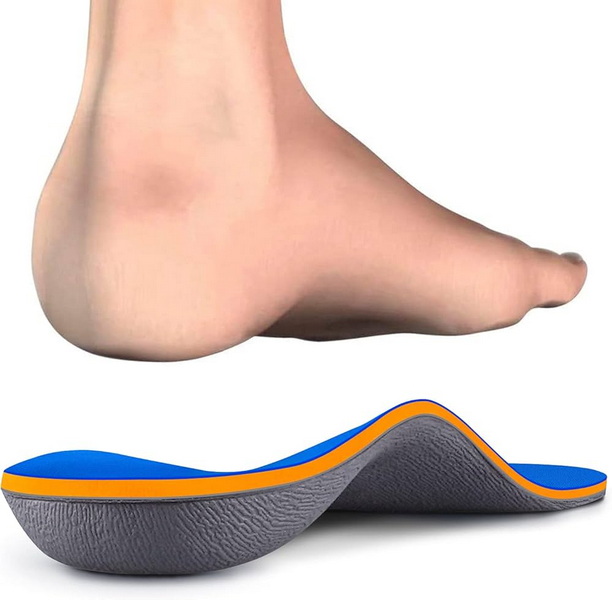
A Shoe Insole reduces the inner volume of the shoe, securing the foot more firmly inside and preventing heel lift or internal slipping.
Yes, insoles can fit every type—from sneakers and boots to dress shoes and sandals. The key is to choose the correct thickness and shape.
Replace Shoe Insoles every 6–12 months, depending on usage. Daily wearers or athletes may need more frequent replacement for consistent comfort.
Orthotic insoles are superior for those with foot conditions or pain. They're customized for alignment correction, offering more targeted support than generic versions.
Yes. Insoles designed with stable arch reinforcement provide balance and improve motion control, making them ideal for flat-footed individuals.
1. [Footwear Science Journal – Cushioning and Fit Studies](https://www.tandfonline.com/toc/tfws20/current)
2. [American Podiatric Medical Association – Shoe Fit Guidelines](https://www.apma.org)
3. [Harvard Health – Foot Pain and Insoles Overview](https://www.health.harvard.edu)
4. [International Shoe Manufacturing Standards Report](https://www.iso.org)
5. [Environmental Footwear Materials Initiative](https://www.sustainableapparel.org)


