
Language
Views: 222 Author: Edvo Publish Time: 2026-01-24 Origin: Site


Content Menu
● The Problem with Wearing Big Shoes
● How Shoe Insoles Fix Loose Fit
● Common Types of Shoe Insoles
>> Foam Insoles
>> Gel Insoles
● Choosing the Right Shoe Insole
● How to Install and Adjust Insoles for Big Shoes
● The Hidden Benefits of Quality Shoe Insoles
● Common Mistakes When Using Shoe Insoles
● The Role of Manufacturers in Insole Quality
● When You Should Replace Your Insoles
● Why Insoles Are a Smart Long-Term Investment
● FAQs
>> 1. How much can insoles help reduce shoe size?
>> 2. Can I use more than one insole to fix big shoes?
>> 3. How long do insoles usually last?
>> 4. Can insoles improve posture and relieve back pain?
>> 5. Are insoles suitable for all footwear types?
Finding the perfect pair of shoes can sometimes feel like a never-ending challenge. Shoe sizes vary across brands, designs, and even production batches. Many people face the same issue: shoes that look great and feel comfortable at first but turn out to be slightly too big when worn for longer periods. A pair that's too large might slip, cause discomfort, or even lead to injury. So, do insoles help with big shoes? The answer is a confident yes.
Shoe insoles are one of the simplest yet most effective ways to improve the fit of loose shoes. Whether you're a casual wearer, athlete, or worker who spends long hours standing, insoles can make a remarkable difference in comfort and stability. This article explores how insoles work, what types are most effective, how to choose the best materials, and why proper insole use matters both for comfort and long-term foot health.
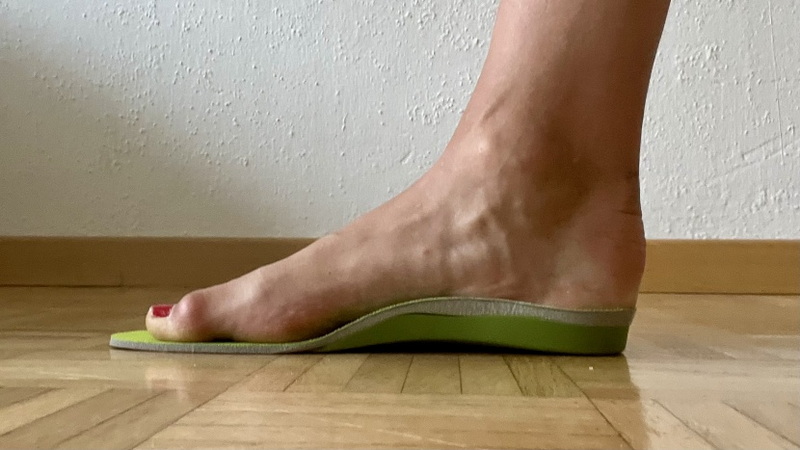
Oversized shoes can cause more issues than most people realize. When shoes are too loose, your feet slide forward with each step, causing friction and instability. This leads to several common problems:
- Heel Slippage: The heel rises with every step, creating friction that causes painful blisters and calluses.
- Reduced Stability: The foot moves excessively inside the shoe, increasing the risk of ankle sprains or tripping.
- Foot Fatigue: Poorly fitting shoes distribute weight unevenly, causing your muscles to work harder.
- Altered Posture: Misalignment in foot positioning can negatively affect knees, hips, and lower back.
These problems not only cause short-term discomfort but may also lead to long-term orthopedic issues if left uncorrected. Fortunately, a well-chosen shoe insole can effectively compensate for extra space while providing cushion and support.
The main function of shoe insoles in oversized footwear is to fill unused space and create a secure grip between the foot and the shoe. Here's how this simple accessory achieves such an impact:
Insoles increase the volume inside the shoe, reducing excess space. This brings your foot closer to the shoe lining for a snugger feel.
High-quality insoles often feature a deep heel cup that locks the foot into position. This prevents unwanted heel movement, reducing friction and minimizing the chance of blisters.
Good insoles redistribute body weight evenly across your feet. They prevent forward sliding — a common issue in oversized shoes — and promote natural gait balance.
By adding a cushioned layer, insoles minimize the impact between your feet and the ground. This is not only useful for large shoes but also reduces joint pressure, making walking or running much safer.
Even if the size is correct, many shoes lack sufficient comfort padding. Insoles add that missing cushioning, making shoes feel softer, warmer, and more personalized.
A properly fitted shoe insole effectively transforms an unwearable pair into a secure and supportive part of your wardrobe.
There is no one-size-fits-all solution when it comes to insoles. Depending on your shoe type and intended use, different materials and designs deliver unique results. Below are the most popular options for correcting oversized shoes.
Foam insoles are lightweight, flexible, and affordable. They provide cushioning and mild space reduction. However, lower-density foams tend to compress over time, requiring more frequent replacements.
Gel models are popular among people who stand for extended hours or engage in active sports. They absorb shocks exceptionally well, offering superior heel and arch cushioning. The density of gel insoles also helps fill extra space effectively in big shoes.
Orthotic insoles are custom-designed to match the foot's natural shape. They provide targeted support for specific problems such as flat feet, heel pain, or overpronation. Although pricier, they deliver long-term comfort and performance advantages.
Leather insoles add structure, breathability, and style to shoes. They are commonly used in formal or dress footwear, reducing space subtly while offering natural moisture absorption.
Perfect for colder climates, these insoles add warmth and thickness. The soft material comfortably tightens the fit of roomy boots or winter shoes while providing insulation.
Memory foam models adapt to the unique contours of your foot. Their conforming quality creates a personalized fit for oversized shoes, evenly distributing pressure points for all-day comfort.
Not every insole will work perfectly for every foot type or shoe model. When purchasing shoe insoles, consider the following points to ensure optimal comfort and performance:
- Shoe Type Compatibility: Running shoes, work boots, and dress shoes all require different insole materials and design features.
- Material Choice: For heavy-duty use, select gel or orthotic insoles. For lightweight adjustability, try foam or leather.
- Foot Structure: Individuals with flat feet or high arches should consider orthotic designs tailored for support.
- Thickness Level: Too thick an insole might make shoes overly tight, while too thin won't solve the problem.
- Removable Base Layer: Many shoes come with removable factory insoles. Replacing them with custom-quality insoles gives better comfort and space management.
Proper selection ensures that the shoe insole not only compensates for size differences but also boosts long-term walking ergonomics.
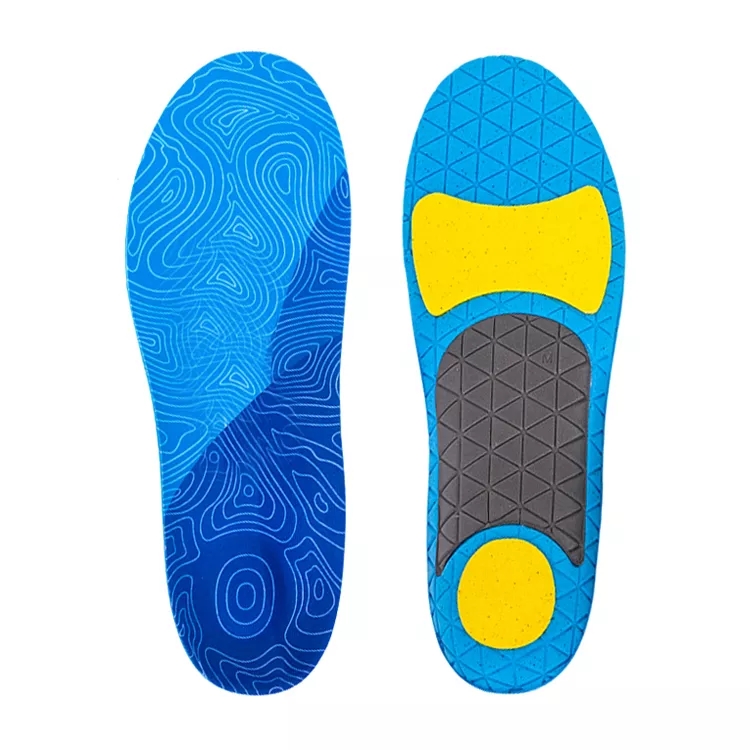
Fitting insoles correctly is an essential step toward achieving the desired effect. Follow these tips to make sure your shoe insole performs as intended:
1. Test with Socks: Always wear the same type of socks you plan to use with your footwear when trying new insoles.
2. Trim for Fit: Many insoles come with trimming lines. Use scissors to match your shoe's exact shape.
3. Check Heel Height: After placement, ensure the heel doesn't lift excessively, which could create new friction points.
4. Walk-Test Indoors: Spend a few minutes walking indoors to ensure comfort before extended wear.
5. Add Heel Grips If Necessary: For extra stability, pair your insoles with anti-slip heel grips or pads.
With correct installation, big shoes should feel properly secured while retaining cushioning and flexibility.
While the primary reason to use insoles is to adjust shoe size, the benefits extend far beyond that purpose. Let's take a deeper look at the secondary advantages worth noting:
A well-balanced shoe insole supports your feet evenly, which improves posture and gait. This reduces joint strain and enhances natural alignment.
Insoles redistribute pressure and absorb impact. For workers, athletes, or travelers, this means less fatigue and more stability during long hours.
Many insoles feature breathable materials or antimicrobial coatings that prevent sweat buildup and control odor.
By stabilizing your feet, insoles reduce internal wear on shoes — especially around the heel lining and sole area.
Proper support reduces friction-induced blisters, plantar fasciitis risk, and other repetitive-strain injuries that often come from improper shoe fit.
Overall, adding a shoe insole enhances comfort, performance, and hygiene in ways that significantly improve daily foot health.
Even though insoles are simple accessories, many users make mistakes that limit their effectiveness. Avoid the following errors for best results:
- Choosing the thickest model available, which might make shoes overly tight.
- Layering multiple insoles instead of using a proper single pair.
- Neglecting to replace insoles once cushioning has worn down.
- Ignoring your foot shape when selecting materials and design.
- Using old, non-breathable insoles that trap moisture and odor.
Replacing insoles regularly — usually every 6 to 12 months, depending on use — ensures consistent comfort and performance.
To extend the life and cleanliness of your shoe insoles, follow these care recommendations:
1. Remove and Air Out: Take out insoles after each use to let them dry naturally.
2. Clean Gently: Wipe with a damp cloth and mild soap instead of soaking them.
3. Dry Properly: Always air dry — avoid direct heat or sunlight that could deform the material.
4. Store in a Dry Place: Keep insoles in a cool, ventilated space to prevent bacteria growth.
5. Inspect Regularly: Whenever you notice flattening or odor retention, it's time to change them.
Regular maintenance ensures your insoles stay hygienic and continue to deliver reliable comfort.
Behind every effective shoe insole lies advanced material science and precise manufacturing. As a professional Chinese manufacturer, our company specializes in producing premium insoles for international brands, wholesalers, and shoe factories through OEM and ODM partnerships.
High-performance insoles are made using carefully engineered methods, such as:
- Multi-layer foam molding for shock absorption and consistent density.
- Anatomical shaping that follows natural foot contours.
- Breathable top fabrics that manage humidity.
- Anti-slip textures that ensure stability inside the shoe.
- Quality testing to maintain durability through repeated use.
For B2B buyers, choosing a reliable shoe insole supplier means gaining access to customizable features, branding options, and materials that meet global standards for quality and sustainability.
Using old or worn-out insoles may cause more harm than good. Here are signs it's time for a replacement:
- Visible flattening or thinning in the heel and arch areas.
- Persistent odor, even after cleaning.
- Loss of spring or cushioning sensation.
- Discoloration or cracks on the surface.
- Renewed foot or leg discomfort after long use.
Replacing insoles every six to twelve months—or sooner for heavy users—maintains consistent support and ensures hygiene inside your shoes.
While some people view insoles as optional accessories, they actually protect your health and footwear over time. A quality shoe insole improves ergonomics, reduces fatigue, and extends shoe life by decreasing wear patterns.
For athletes, improving shock absorption can enhance performance and reduce injury risk. For workers on their feet all day, insoles prevent lower body strain. For fashion wearers, they make stylish shoes more comfortable without sacrificing design.
Ultimately, shoe insoles aren't merely cushioning—they are precision tools that enhance every step you take.
So, do insoles help with big shoes? Absolutely. Whether you're dealing with a slightly oversized pair or seeking extra comfort, the right shoe insole offers a practical and affordable solution. By filling space, improving grip, and providing superior support, insoles make ill-fitting shoes wearable, supportive, and efficient.
From foam pads to custom orthotics, each type of shoe insole brings unique benefits suited to different shoes and personal needs. With correct installation and care, they help prevent foot pain, improve posture, and safeguard long-term foot health.
For anyone struggling with oversized shoes—or simply aiming to upgrade comfort—investing in a high-quality insole is one of the smartest decisions you can make for both your feet and your footwear.
Contact us to get more information!
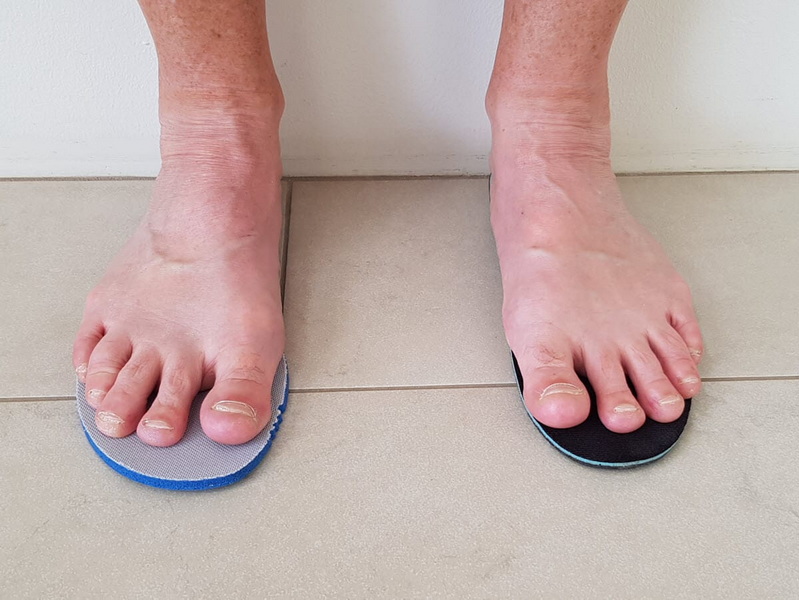
Typically, a high-quality shoe insole can reduce the effective shoe size by half to one full size, depending on its thickness and material density.
It's not recommended to stack multiple insoles, as it can cause instability and reduce air ventilation. Instead, choose a thicker, single shoe insole for a balanced fit.
Most shoe insoles last six to twelve months with regular use. Replace them once they lose shape, cushioning, or odor resistance.
Yes. Properly designed shoe insoles align your feet, which helps improve body posture and may reduce pressure on knees, hips, and lower back.
Yes, but selection matters. Gel and foam insoles work best for sports and casual shoes, while leather or orthotic insoles suit dress and formal footwear.
1. American Podiatric Medical Association – [https://www.apma.org](https://www.apma.org)
2. Foot Health Facts – [https://www.foothealthfacts.org](https://www.foothealthfacts.org)
3. Podiatry Today – [https://www.podiatrytoday.com](https://www.podiatrytoday.com)
4. Healthline – “How to Choose the Right Insoles” – [https://www.healthline.com](https://www.healthline.com)
5. Verywell Fit – “Insole Guide and Benefits” – [https://www.verywellfit.com](https://www.verywellfit.com)


