
Views: 222 Author: Edvo Publish Time: 2026-01-24 Origin: Site


Content Menu
● How Shoe Insoles Improve Oversized Footwear
>> 2. Providing Enhanced Cushioning
>> 5. Restoring Proper Foot Alignment
● Choosing the Right Insole Material
● Tips for Selecting a Perfect Shoe Insole
● How to Use Insoles to Make Big Shoes Fit
>> Step 1: Identify Problem Areas
>> Step 2: Select the Right Insole Type
>> Step 5: Maintain and Replace Regularly
● When Insoles Alone Are Not Enough
● Additional Benefits of Using Shoe Insoles
● OEM Customization for Global Brands
>> Advantages of OEM Shoe Insoles:
● Environmental Sustainability in Insole Manufacturing
>> 1. How do shoe insoles make big shoes fit better?
>> 2. Can I use two insoles in the same shoe?
>> 3. Which material is best for fixing loose shoes?
>> 4. How long do shoe insoles last?
>> 5. Are OEM shoe insoles worth investing in?
Choosing the right pair of shoes is more than a matter of style — it's about achieving perfect comfort and performance. However, many people discover that their shoes are slightly too loose, causing discomfort or instability during walking or running. A common solution people consider is adding a shoe insole to adjust the shoe's internal space.
So, do insoles make big shoes fit better? The short answer is yes. A high-quality shoe insole can improve fit, fill extra room, and offer better foot alignment. But the effectiveness depends on the insole type, material, and how it's used. As one of China's leading OEM shoe insole manufacturers, we've worked with international brands, wholesalers, and footwear producers to create custom-fit solutions that transform how shoes feel and function.
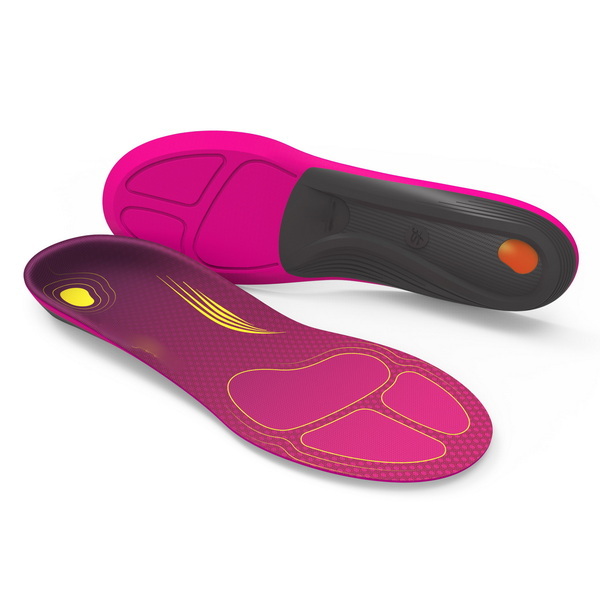
A shoe that doesn't fit properly can affect the entire body, from your feet to your spine. When your shoes are too big, your feet constantly move inside, which may lead to blisters, calluses, muscle strain, and poor posture. Conversely, shoes that fit snugly and comfortably provide stability, protect joints, and enhance walking efficiency.
Properly fitted footwear:
- Prevents heel slippage and blisters.
- Supports natural gait and balance.
- Reduces fatigue during long hours on foot.
- Extends shoe lifespan by minimizing internal friction.
That's why many users rely on a shoe insole to fine-tune the fit. It offers immediate comfort and stability while enhancing long-term footwear performance.
A shoe insole — also known as an insert or footbed — is a removable layer placed inside the shoe to cushion the feet, support the arches, and absorb impact. Beyond comfort, insoles play a vital role in improving the fit of footwear that is slightly too big or lacking structure.
In the footwear manufacturing industry, insoles are made from a variety of materials, including EVA, PU, gel, latex, or memory foam. Each material provides unique benefits to meet different lifestyle or performance demands. Customized OEM insoles are designed to integrate seamlessly into production, ensuring consistent comfort and fit across entire shoe lines.
Different insoles serve different needs. To improve loose shoe fit, understanding each type helps select the best one for your situation.
These are cushioned layers designed primarily for everyday relief. They absorb shock from walking and make even oversized shoes feel soft and supportive.
Support insoles help stabilize foot alignment and correct imbalances. They are great for people with flat feet, high arches, or posture problems caused by improper shoe structure.
These medical-grade or custom-designed insoles correct specific foot issues like overpronation or plantar fasciitis. They ensure precise fitting and structural support.
Athletic and outdoor enthusiasts often prefer performance insoles because they enhance energy return, support under high impact, and keep feet stable during intense motion.
Used for aesthetic or practical purposes, these insoles add height and fill up extra shoe volume simultaneously.
Each insole category serves both comfort and functional fitting adjustment, providing a more personalized wearing experience.
If your shoes are slightly too big, a shoe insole can correct the issue effectively by filling internal gaps and stabilizing your foot placement. Here's how:
A thick insole adds depth and structure, taking up space inside the shoe. This helps prevent the foot from sliding forward or sideways, making the shoe feel smaller and more balanced.
Larger shoes often lack snugness, which results in poor shock absorption. Adding a shoe insole compensates for this gap, providing the padding necessary for comfort during extended wear.
Heel slippage is one of the most common problems with big shoes. Heel-specific insoles or extra heel pads can anchor your foot more securely in place.
Loose shoes often fail to maintain arch contact, creating instability. With a supportive insole, your arch stays in correct alignment, ensuring your body weight is evenly distributed across the foot.
A misaligned foot position can lead to fatigue or injury. Using a fit-adjusting insole helps realign your stride, promoting healthy motion and reducing muscle tension.
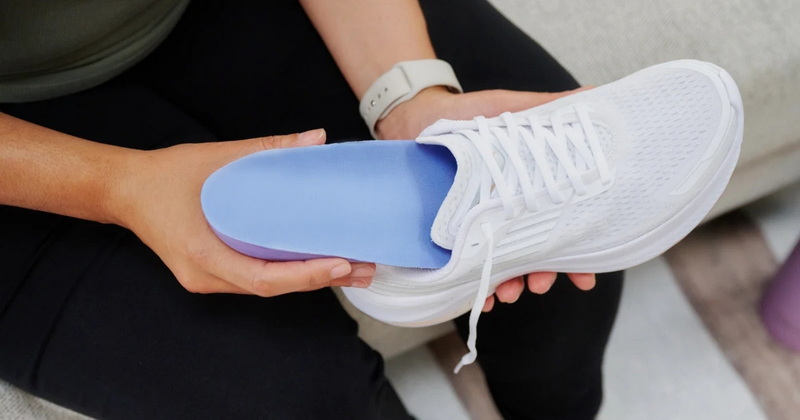
The right shoe insole material plays a critical role in comfort and performance, especially when adjusting large shoe sizes. Below are the most reliable options used by manufacturers and consumers today:
- EVA Foam: Lightweight and flexible, ideal for everyday footwear that needs moderate cushioning.
- Memory Foam: Perfect for users seeking softness; molds dynamically to the foot shape for precise fit.
- PU Foam: Offers durability and structural support; excellent for work or athletic shoes.
- Gel-based Insoles: Prioritize shock absorption and pressure relief but add more weight.
- Latex Foam: Breathable, elastic, and naturally antibacterial — suitable for casual and dress shoes.
Among these, EVA and memory foam insoles are particularly suitable for improving the fit of big shoes due to their balance between volume, cushioning, and resilience.
A shoe insole should not only make your shoes fit better but also enhance your walking experience. Follow these guidelines for the best result:
1. Measure Shoe Volume Accurately: Determine how much space you need to fill. Generally, a ½–1 size difference can be corrected with a medium-thickness insole.
2. Match Your Arch Type: Choose insoles designed for your specific foot arch — flat, neutral, or high.
3. Check Material Breathability: Moisture-wicking materials help maintain freshness and prevent odor buildup.
4. Trim if Needed: Many insoles have cutting guides; always trim from the toe side to ensure a snug fit.
5. Test with Socks: Try different sock thicknesses to fine-tune the fit before daily use.
These steps make it easier to customize shoe comfort without replacing your footwear.
Try walking around in your shoes to detect where looseness occurs — whether it's at the toe box, heel, or sides.
If looseness is overall, choose full-length insoles. For only heel slipping, insert additional heel pads or half-length insoles.
Remove the shoe's existing liner (if it's removable) before placing the new insole. This prevents overcrowding and ensures even alignment.
Walk on different surfaces for a few minutes to confirm balance and support. Trim further if needed for optimal fit.
High-quality insoles should be replaced every six to twelve months depending on use intensity. Proper maintenance ensures consistent fit and comfort.
While shoe insoles are excellent for correcting small fitting problems, they cannot fully fix shoes that are more than one size too large. In those cases:
- Combine insoles with thicker socks.
- Add heel grips or tongue pads for improved hold.
- Consult a cobbler for professional adjustment.
The goal is to achieve both comfort and functionality without affecting shoe integrity or posture alignment.
Using a shoe insole offers more than just size correction. It can also greatly enhance your daily comfort and health:
- Improved Posture: Good insoles align your feet and spine, reducing knee and back strain.
- Reduced Fatigue: Proper cushioning minimizes stress during long working or walking hours.
- Foot Protection: Insoles provide impact resistance, lowering the risk of injury.
- Hygiene and Freshness: Removable insoles keep your shoes cleaner and more breathable.
- Extended Shoe Life: Insoles protect shoe interiors from friction and moisture.
For manufacturers and brand owners, offering customized OEM shoe insoles not only improves product quality but also builds strong brand credibility in international markets.
As a professional Chinese shoe insole manufacturer, we understand that every brand has unique needs. OEM customization allows you to design insoles that perfectly match your shoe models, desired aesthetics, and target consumer preferences.
- Tailored dimensions and shape for each shoe style.
- Selection of specialized materials (EVA, PU, latex, bio-based foams).
- Branding options such as embossed logos or signature patterns.
- Packaging and bulk shipping designed for retail partners.
By integrating OEM insole production into your supply chain, you can deliver footwear with consistent quality, improved comfort, and a stronger brand identity.
Modern consumers care deeply about eco-friendly products. Many OEM manufacturers are now developing sustainable shoe insoles from recycled or biodegradable materials.
Examples include:
- Recycled EVA or PU blends that reduce industrial waste.
- Natural latex derived from renewable rubber tree sources.
- Bamboo fiber mesh for moisture control and breathability.
- Water-based adhesives and non-toxic dyes for safer production.
By adopting eco-conscious materials, footwear brands can meet international sustainability standards while appealing to environmentally aware customers.
So, do insoles make big shoes fit better? Absolutely — a well-selected shoe insole fills empty space, stabilizes the foot, and restores comfort and confidence to every step. It's one of the simplest and most effective ways to improve shoe performance and longevity.
Whether you're a consumer seeking comfort or a footwear brand aiming to enhance your product line, investing in the right insole solution can make a noticeable difference. For global partners searching for reliable OEM solutions, Chinese manufacturers offer scalable customization, advanced materials, and cost-effective production that combine innovation with practicality.
A properly fitted shoe supported by a high-quality insole doesn't just feel better — it supports better living.
Contact us to get more information!
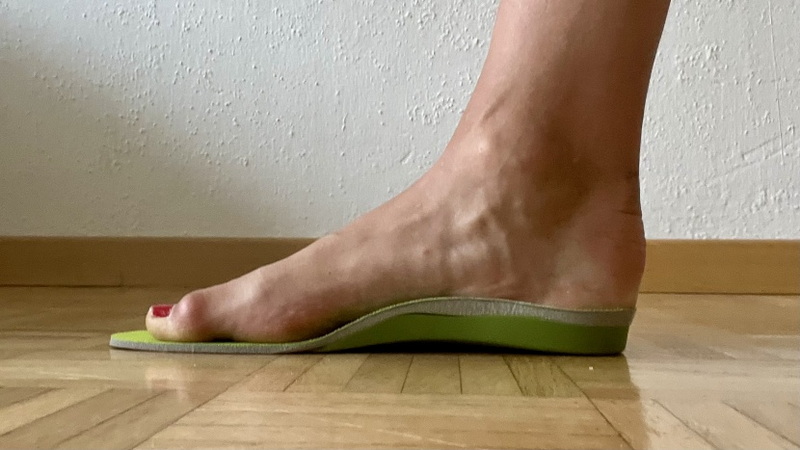
They fill extra space inside oversized shoes, improving the fit around your foot. Insoles also stabilize movement, absorb shock, and prevent heel slippage.
Yes, as long as the shoe still feels balanced and not overly tight. Using two thin insoles can help fill more space when the shoe is significantly loose.
Memory foam and EVA foam insoles are ideal choices. They compress gently, mold to your foot shape, and deliver lasting comfort.
Depending on the material and frequency of use, quality insoles generally last from six months up to one year before needing replacement.
For brands and wholesalers, OEM insoles are perfect for consistent fit and customized branding. They help create value-added footwear products tailored to global markets.
1. https://www.verywellfit.com/how-to-make-big-shoes-fit-5189654
2. https://www.runnersworld.com/gear/a20864838/insole-guide
3. https://pedorthic.ca/understanding-insoles
4. https://www.healthline.com/health/best-insoles-for-work-shoes
5. https://www.thehealthy.com/foot-care/how-to-choose-the-best-insoles


