
Views: 222 Author: Edvo Publish Time: 2026-01-24 Origin: Site


Content Menu
● How Shoe Insoles Enhance Comfort
>> Pressure Distribution and Shock Absorption
>> Improved Alignment and Posture
>> Optimal Fit and Reduced Friction
● Factors That Influence Footwear Comfort
>> 2. Arch Type and Support Needs
>> 3. Purpose and Activity Level
>> 4. Climate and Breathability
● Health Benefits of Wearing Quality Shoe Insoles
● Inside the Manufacturing Process
>> 5. Testing and Quality Control
● Customization and OEM Advantages
● The Impact of Insoles on Athletic Performance
● Sustainable and Eco-Friendly Shoe Insole Innovations
● Maintenance Tips for Longer Insole Life
● Choosing the Right Shoe Insole
● Market Trend and Future of Shoe Insoles
>> 1. How often should I replace my shoe insoles?
>> 2. Can I use the same insoles for different shoes?
>> 3. Do insoles help relieve foot pain?
>> 4. What materials are best for comfort and durability?
>> 5. Are eco-friendly insoles as effective as regular ones?
Comfort is the foundation of every good shoe design. No matter how stylish or durable a pair of shoes may look, discomfort can ruin the entire wearing experience. This is where a Shoe Insole becomes a game changer. Whether you are a professional athlete, a retail worker standing all day, or someone who simply enjoys walking comfortably, the right insole can make a noticeable difference. But do insoles truly make shoes more comfortable? Let's explore the science, benefits, and design principles behind these essential footwear components.
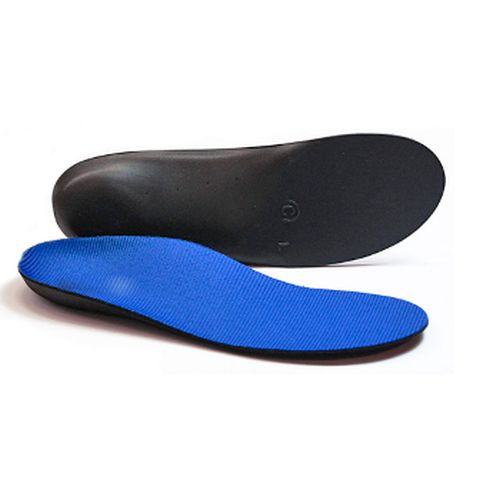
A Shoe Insole is an insert placed inside footwear, typically designed to improve comfort, support, or performance. Insoles can be removable or built-in depending on the shoe type. They usually consist of soft, resilient materials like EVA foam, polyurethane, gel, memory foam, latex, or natural cork. The main purpose is to cushion the foot, improve alignment, distribute pressure evenly, and support natural movement.
- Cushioning insoles – Add comfort and shock absorption for walking or jogging.
- Support insoles – Provide firmness in the arch and heel for better posture.
- Orthotic insoles – Custom solutions prescribed for medical foot conditions.
- Performance insoles – Designed for athletes and active users to enhance efficiency.
- Warm or antibacterial insoles – Add insulation or odor resistance for specific needs.
Each type of Shoe Insole serves a unique purpose, yet they all aim to achieve the same goal: improved comfort and stability.
The comfort that users feel from their footwear depends on how well the shoe and insole interact with the anatomy of the human foot. The human foot carries several times the body's weight with every step, and without proper cushioning, this creates strain and fatigue. A Shoe Insole plays a critical role by absorbing impact and stabilizing the foot structure.
Insoles distribute weight evenly across the sole, reducing stress concentrated on high-pressure zones like the heel or forefoot. Foam and gel materials work as micro shock absorbers, minimizing vibration and impact energy that travels up the legs. This mechanism not only adds comfort but also protects joints from long-term wear.
Misalignment in the feet can affect the knees, hips, and spinal posture. The right Shoe Insole corrects these imbalances by providing structured arch support or heel stabilization, guiding the foot into its natural position. This alignment contributes to more efficient walking and running patterns.
In addition to mechanical support, insoles fill the internal space of footwear to improve fit and reduce friction-related discomfort. They prevent heel slipping, toe crowding, and blister formation—all common issues caused by poor shoe fitting.
Several intrinsic factors determine how effective a Shoe Insole can be in improving comfort. Understanding these allows consumers and manufacturers to choose the right type for each application.
The texture, density, and rebound of insole materials largely shape the comfort experience.
- EVA Foam: Lightweight and flexible, with moderate cushioning.
- PU Foam: Denser and more durable for heavy-duty or work footwear.
- Gel: High energy return and ideal for high-impact activities.
- Memory Foam: Conforms to the shape of the user's foot, creating a custom feel.
- Cork or Latex: Naturally breathable and environmentally friendly.
Many brands combine these materials through advanced lamination or molding to achieve hybrid performance.
Not every foot is the same. Flat-footed individuals need more structured arch lifts to prevent inward rolling (overpronation), while those with high arches need soft cushioning to absorb shock. Neutral arches usually benefit from a balanced Shoe Insole that blends flexibility with mild support.
Insoles should always match the activity type. Running insoles emphasize rebound and pressure absorption, while casual shoes prioritize lightweight comfort. For occupational footwear, stability, moisture control, and durability are essential.
Proper ventilation inside shoes affects overall comfort. Many Shoe Insoles integrate air channels or mesh-covered foam to facilitate airflow and reduce odor buildup, especially in summer or athletic footwear.
The role of insoles extends beyond comfort—they directly influence physical well-being and daily performance.
- Reduced foot fatigue: Consistent cushioning lowers muscle strain.
- Improved balance: Correct posture enhances stability and confidence in motion.
- Less joint pain: Shock absorption minimizes the impact on ankles, knees, and spine.
- Injury prevention: Arch support and heel cups prevent plantar fasciitis, shin splints, and other repetitive stress injuries.
- Enhanced endurance: Proper alignment allows users to walk or stand longer without discomfort.
When foot health improves, posture and movement efficiency follow naturally, translating into better productivity and overall comfort.
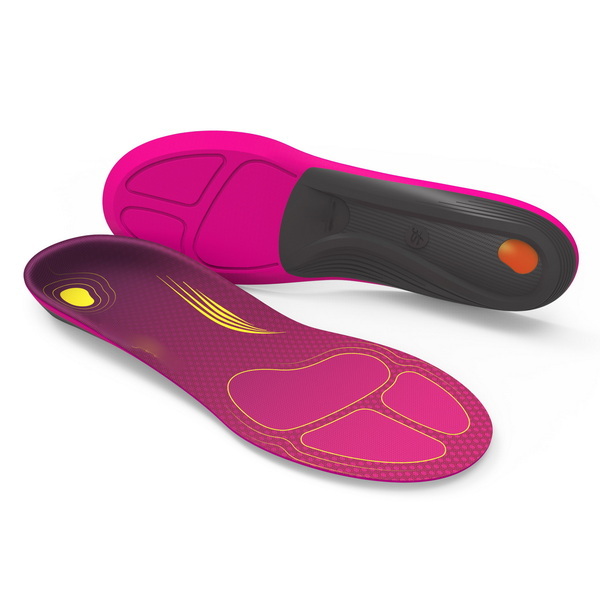
As a professional Shoe Insole OEM manufacturer in China, our company adopts advanced production methods to ensure consistent quality and comfort performance across all batches. The process typically involves:
Initial designs are created to match brand specifications, including shape, thickness, and density. 3D modeling tools simulate real foot dynamics to optimize support before tooling begins.
Premium-grade EVA, PU, or memory foam is chosen depending on target application. For eco-conscious brands, biodegradable or recycled materials are also available.
Injection or compression molding forms the Shoe Insole structure. Complex types may include multiple layers bonded using advanced lamination.
Mesh fabrics, microfiber, or anti-bacterial coatings enhance appearance and functionality.
Each batch is tested for compression set, resilience, and slip resistance to meet international standards.
This structure ensures that every insole meets customers' exact comfort and durability requirements before export.
OEM and ODM services enable brands to build distinctive footwear lines backed by consistency and innovation. Working with an experienced Shoe Insole manufacturer provides these advantages:
- Tailored comfort: Density, texture, and thickness can be adjusted per model.
- Private labeling: Add your logo or specific branding to align with your product line.
- Cost efficiency: China's mature supply chain reduces production costs without compromising quality.
- R&D cooperation: Co-development accelerates innovation and testing.
- Eco customization: Sustainable materials meet global market trends.
These collaborations give footwear brands of all sizes—from startups to global wholesalers—the ability to differentiate themselves through better comfort technology.
In athletic footwear, Shoe Insoles are not simply comfort accessories—they are performance components. Sports such as running, basketball, and soccer demand enhanced energy return and stabilization. Proper insoles improve ground contact, promote even weight transfer, and reduce pronation stress during high-impact activity.
Moreover, athletes benefit from insoles with high breathability, anti-slip surfaces, and vibration reduction. Performance-oriented insoles can improve running efficiency, reduce injury risks, and shorten recovery times between workouts.
Sustainability has become a significant concern for both consumers and manufacturers. Eco-friendly Shoe Insoles are now made using renewable or recyclable materials without sacrificing comfort performance. Examples include:
- Recycled EVA and PU foams for reduced carbon footprint.
- Natural cork layers to enhance moisture absorption and biodegradability.
- Water-based adhesives replacing chemical glues.
- Organic fabrics that provide odor resistance without additives.
By choosing sustainable production, global footwear brands align their products with modern environmental values and appeal to conscious consumers.
Caring for your Shoe Insole ensures long-lasting comfort and hygiene.
1. Remove after use: Take insoles out periodically to dry and prevent odor.
2. Hand wash gently: Use mild soap and air dry—do not expose to high heat.
3. Inspect regularly: Replace insoles if compression or tears appear.
4. Rotate pairs: Alternate shoes or insoles to extend overall lifespan.
5. Store properly: Keep in a clean, ventilated place away from moisture.
Regular maintenance not only preserves comfort but also extends the durability of both insoles and footwear.
If you plan to buy or manufacture insoles, consider these essential factors:
- Foot type: Analyze your arch shape and gait pattern.
- Material preference: Select foam, gel, cork, or composite materials per use environment.
- Purpose: Match insole attributes to target usage—sports, casual wear, or work boots.
- Shoe compatibility: Ensure size and thickness align with footwear dimensions.
- Durability: Inspect resilience and anti-microbial properties for long-term use.
A perfectly fitted Shoe Insole can make even an average shoe feel like a premium-quality one.
The global insole market continues to grow, driven by consumer demand for comfort and health awareness. Innovations like 3D printing, smart insoles with pressure sensors, and AI-assisted fit customization are shaping the future of footwear. OEM factories are rapidly adopting these technologies to create competitive solutions for international brands.
As customization and sustainability merge, the Shoe Insole industry will remain a cornerstone of ergonomic footwear design—where health, performance, and comfort coexist harmoniously.
Do insoles make shoes more comfortable? The answer is a resounding yes. A well-designed Shoe Insole not only cushions and stabilizes the foot but also enhances overall body alignment and posture. From reducing fatigue to preventing chronic pain, insoles serve as silent guardians of foot health. For shoe brands, collaborating with professional OEM manufacturers ensures technical excellence, consistent quality, and design flexibility. Ultimately, comfort begins within the shoe—and the insole is its most essential foundation.
Contact us to get more information!
It depends on use frequency and intensity. Most Shoe Insoles should be replaced every 6–12 months, especially if cushioning or arch support feels reduced.
Yes, if size and shape match. However, using specific insoles for each shoe pair provides better fit and hygiene.
Absolutely. Insoles cushion pressure points, align the arches, and absorb shocks—providing relief from heel pain, flat feet, and plantar fasciitis.
Memory foam offers soft comfort, EVA provides lightweight shock absorption, and PU delivers long-lasting density. The best Shoe Insole depends on user needs.
Yes, sustainable insoles made from recycled foam or cork can perform just as well while reducing environmental impact.
1. American Podiatric Medical Association – [apma.org](https://www.apma.org)
2. Footwear Biomechanics Group – [footwearbiomechanics.org](https://www.footwearbiomechanics.org)
3. Material Innovation in Insoles – [footwearnews.com](https://footwearnews.com)
4. Orthotic and Footwear Study Center – [orthotics.org](https://orthotics.org)
5. Global Sustainability Trends in Footwear – [sustainability-times.com](https://www.sustainability-times.com)


