
Views: 222 Author: Edvo Publish Time: 2026-01-27 Origin: Site


Content Menu
● Understanding Magnetic Shoe Insoles
● The Science Behind Magnetism in Footwear
● How Shoe Insoles Support Foot Health
● The Debate Over Magnetic Benefits
>> Are Magnetic Fields Really Effective?
>> How the Placebo Effect Works
● Who Uses Magnetic Shoe Insoles?
● Choosing a Quality Magnetic Shoe Insole
● Common Advantages Claimed by Users
● Possible Drawbacks and Precautions
● Insights from the Manufacturing Industry
● Practical Tips for Daily Use
● Why Businesses Continue to Offer Magnetic Insoles
● Final Thoughts on Effectiveness
● FAQ
>> 1. How long should I wear magnetic shoe insoles each day?
>> 2. Can magnetic shoe insoles help with chronic foot pain?
>> 3. Are these insoles safe for individuals with medical implants?
>> 4. How often should I replace magnetic shoe insoles?
>> 5. What makes a good magnetic shoe insole different from cheap versions?
The concept of magnetic shoe insoles has fascinated people for decades. Manufacturers promote them as a revolutionary way to relieve pain, enhance circulation, and improve overall wellness through magnetic therapy. But do these insoles genuinely work as claimed, or is their popularity more about clever marketing than proven science?
In this article, we will explore what magnetic insoles are, how they function, their possible benefits and limitations, and what science really says about magnetic therapy. We'll also share insight from the manufacturing perspective to help consumers and business partners understand what makes a high-quality shoe insole worth investing in.

Magnetic shoe insoles are footbeds made with flexible materials like foam, latex, or silicone, embedded with small magnets. Each magnet is strategically placed to stimulate pressure points on the feet, following the principles of reflexology — a therapy that links specific zones on the foot to different parts of the body.
The magnets in these shoe insoles are typically mild and permanent, producing a static magnetic field. They're often arranged near the heel, arch, and forefoot to align with major acupressure points. Some designs incorporate massage nodules or perforations for ventilation and blood flow stimulation.
Manufacturers aim to combine comfort and therapeutic claims, positioning these insoles as multifunctional — supporting your feet while promoting energy balance, muscle relaxation, and pain relief. Whether used in work boots, running shoes, or casual footwear, they can be easily inserted and replaced as needed.
Magnetic therapy is based on the belief that exposure to magnetic fields influences the body's natural electromagnetic energy. Advocates suggest magnets can realign atomic particles or affect ion exchange in the blood, potentially increasing circulation, reducing pain signals, or accelerating healing.
However, modern medical research offers mixed findings. Some studies show mild improvement in pain responses or subjective comfort, but others report no measurable difference between magnetic and non-magnetic insoles. The primary reason may be that the magnetic flux density used in standard consumer insoles is too weak to penetrate deeply into body tissues.
For context, most shoe insoles use static magnets with a field strength between 200–500 gauss. Comparatively, medical devices used for electromagnetic therapy in clinical settings may deliver more than 10,000 gauss through pulsating waves — orders of magnitude higher than what a consumer insole can provide.
This significant difference suggests that magnetic shoe insoles may not affect deep tissue or nerve activity as manufacturers claim. Instead, their main advantage may lie in their mechanical design and comfort features.
To understand the effectiveness of magnetic shoe insoles, it's crucial to first recognize how ordinary shoe insoles improve foot function.
A well-engineered insole provides cushioning, redistributes pressure, and aligns the foot correctly inside the shoe. This helps reduce strain on tendons and joints, prevents fatigue, and supports healthy posture. Arch and heel support are particularly important for individuals prone to flat feet, plantar fasciitis, or pronation problems.
High-quality shoe insoles are designed to:
- Absorb shock during walking, running, or standing.
- Maintain natural foot alignment and reduce uneven pressure.
- Prevent slipping inside the shoe.
- Enhance comfort and reduce energy loss with each step.
By improving comfort and biomechanics, insoles indirectly benefit the user's overall well-being — regardless of whether they contain magnets.
Scientific testing of magnetic products shows conflicting results. In some cases, participants reported less pain or better sleep; in others, magnetic exposure made no measurable physiological difference. This inconsistency has led experts to consider the placebo effect — where people perceive improvement simply because they believe in the treatment.
There's also the issue of magnetic strength and penetration depth. The human skin and soft tissue often act as barriers that weak magnets can barely influence. The static fields generated by consumer-grade magnetic insoles tend to dissipate within a few millimeters from the surface, making it improbable to impact deeper circulatory or nerve systems in the feet.
What truly helps, medical experts argue, may not be the magnet itself, but rather comfort-oriented design: proper arch support, heel cradling, and foam density that reduces localized foot pressure.
The placebo effect is a psychological phenomenon where users experience genuine relief because they expect the product to work. In the case of magnetic shoe insoles, positive user experiences might stem from this mental belief combined with real ergonomic comfort.
While the placebo effect may not sound scientific, it's not meaningless. Many people find that if a shoe insole makes them feel more comfortable or confident, their quality of life improves — even if the cause is psychological rather than physiological.
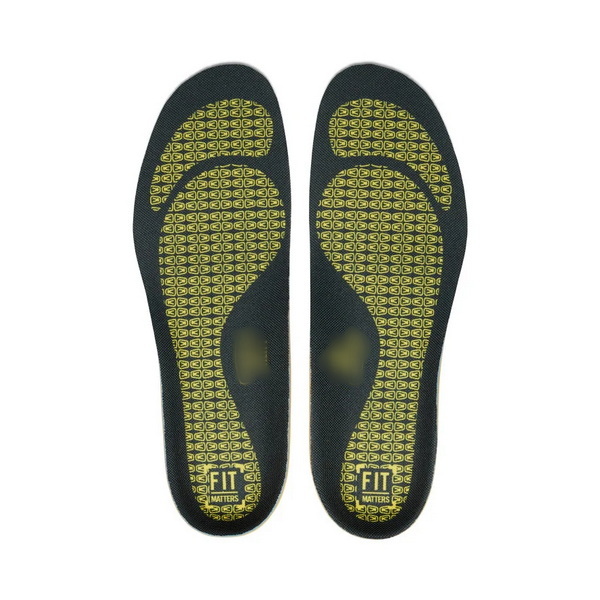
The popularity of magnetic shoe insoles extends across various groups:
- Elderly individuals: Seeking extra comfort and warmth during daily walking.
- Manual workers: Looking for better shock absorption and fatigue reduction.
- Athletes: Hoping to speed up recovery and maintain foot comfort during training.
- Wellness enthusiasts: Interested in natural, drug-free methods for relaxation or balance.
Even though the scientific evidence is limited, millions use magnetic insoles regularly for perceived comfort and stress relief.
If you decide to try magnetic shoe insoles, focus on structural quality rather than magnet count or strength claims. Here are key criteria to consider when selecting a pair:
1. Material Comfort: Opt for breathable and resilient materials such as memory foam, PU, or silicone that cushion impact and wick away moisture.
2. Arch and Heel Design: Ensure proper contouring to maintain healthy foot alignment.
3. Durability: High-quality shoe insoles should maintain shape after repeated use without flattening.
4. Size Fit: Some insoles are trimmable to provide a perfect fit inside shoes.
5. Magnet Placement: Even magnet distribution can offer gentle pressure-point stimulation.
6. Flexibility: Insoles should bend naturally with your foot's motion, not feel rigid or heavy.
These criteria matter far more than how strong the magnetic field is.
Though clinical research remains inconclusive, user testimonials frequently mention several advantages of wearing magnetic shoe insoles:
- Noticeable comfort during long working hours.
- Warmer feet in cold seasons, possibly due to improved circulation.
- Reduced sensation of heaviness or swelling after standing all day.
- Better posture and walking stability.
- Subtle pressure-point massage while walking.
All these can be explained by the cushioning and ergonomic effects of high-quality shoe insoles, regardless of magnetism.
While magnetic shoe insoles are generally safe, some users may experience minor discomfort if the product doesn't fit properly or if the magnets are poorly placed.
Potential concerns include:
- Insufficient evidence supporting therapeutic claims.
- Potential interference with electronic medical devices like pacemakers.
- Incompatibility with certain shoe styles (e.g., tight formal footwear).
- Stiffness in low-quality materials causing blisters or irritation.
For people with medical conditions, professional advice from a podiatrist is recommended before consistent use.
As a professional shoe insole manufacturer in China, our company has extensive experience designing magnetic and non-magnetic insoles for global clients. We serve international brands, wholesalers, and distributors providing OEM and ODM services that combine modern technology with traditional craftsmanship.
Our magnetic insoles use precision-molded magnets embedded evenly within soft, eco-friendly materials. Each shoe insole is tested for comfort, durability, and magnet consistency to ensure it meets international export standards. We emphasize ergonomic design based on 3D foot scanning, targeting key support zones to reduce pressure and increase stability.
Moreover, constant innovation allows integration of advanced manufacturing techniques — from high-frequency lamination to breathable mesh layering — to create a next-generation shoe insole optimized for both comfort and brand differentiation in competitive global markets.
Many wearers of magnetic shoe insoles don't necessarily believe in magnetic healing but appreciate how the insoles feel. A comfortable insole reduces fatigue, absorbs shock, and minimizes strain on muscles and joints, all of which can lead to better productivity or athletic performance.
Similarly, people working long hours on hard surfaces — such as nurses, factory workers, and construction staff — often report less end-of-day soreness simply because the cushioning properties of their insoles improve posture and load distribution.
In this sense, regardless of magnetism, shoe insoles are crucial for maintaining long-term foot health and workplace comfort.
To prolong the life and comfort of your magnetic shoe insoles, follow these practical care tips:
1. Gradual Adaptation: Wear them for short periods initially, then increase hourly use each day.
2. Hygiene: Wash with mild soap and air dry; avoid direct sunlight or high heat.
3. Rotation: If you wear multiple pairs of shoes, rotate your insoles to extend their life.
4. Replacement: Change insoles every 6–12 months or sooner if they flatten or lose cushioning.
5. Footwear Compatibility: Ensure your shoes have enough internal space to prevent tightness or pressure.
Proper care helps maintain hygiene, comfort, and durability — while avoiding potential odor or skin irritation.
From a business standpoint, magnetic shoe insoles continue to attract consumer interest for three main reasons: perceived health benefits, competitive price points, and emotional appeal. Even without strong scientific backing, they represent a low-risk wellness product category that enjoys steady global demand.
For brands and distributors, partnering with experienced OEM shoe insole manufacturers allows for flexible customization — including magnetic integration, anti-slip design, breathable padding, and eco-material certification — to meet various regional preferences. In export markets, especially in Europe and North America, the balance between comfort, design, and eco-friendly material compliance has become a major purchasing factor.
Thus, offering magnetic insoles within a broader product range adds portfolio diversity, awareness value, and market differentiation.
So, do magnetic shoe insoles work? The honest answer is: they work as supportive insoles, but not necessarily because of magnetic energy. Their comfort, structure, and quality matter far more than the tiny magnetic fields inside them.
For users expecting immediate medical cures or tissue-level stimulation, current scientific evidence doesn't support such results. Still, many people continue using magnetic insoles for everyday comfort, pain management, and relaxation — benefits that primarily arise from sound ergonomic design rather than magnetism.
From a manufacturing view, the key takeaway is to combine advanced materials, anatomical engineering, and consistent quality control to ensure that every shoe insole — magnetic or not — fulfills its promise of comfort and performance.
Magnetic shoe insoles remain a fascinating blend of traditional theory and modern design. Scientific evidence supporting their magnetic healing power is limited, yet their impact on comfort, stability, and posture is undeniable. They may not be medical miracles, but they can make daily life more comfortable for millions of users around the world.
If you choose to invest in magnetic shoe insoles, look for ergonomic craftsmanship, breathable materials, and carefully tested durability. These factors ultimately determine long-term satisfaction — whether magnets contribute or not.
For global shoe brands and suppliers, offering custom OEM or ODM shoe insoles remains a promising business strategy rooted in quality, innovation, and user trust.
Contact us to get more information!
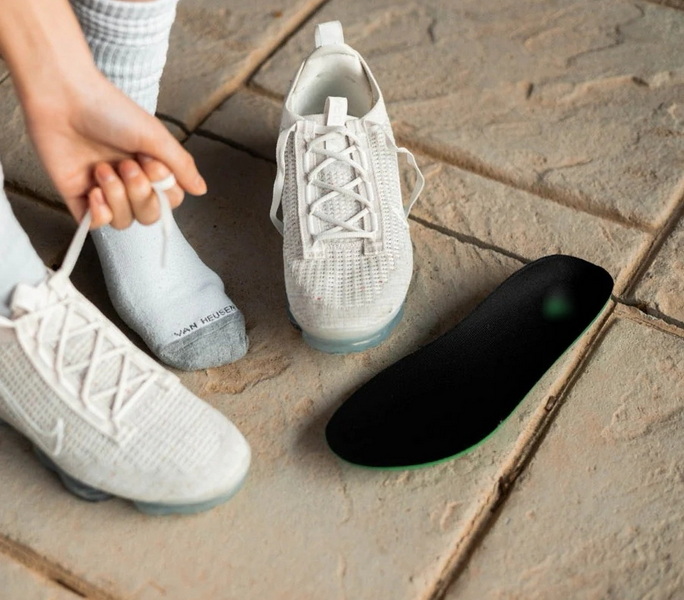
Start with 1–2 hours daily, gradually increasing usage as your feet get accustomed. If any discomfort occurs, limit usage time or adjust shoe size.
While magnets themselves have not been scientifically proven to relieve chronic pain, supportive shoe insoles with proper cushioning and arch design can effectively reduce discomfort.
People with pacemakers, insulin pumps, or metallic implants should consult their healthcare provider before using magnetic products to avoid potential interference.
Replace them every 6 to 12 months, or sooner if they lose shape, cushioning, or elasticity. Regular replacement ensures hygiene and consistent support.
Premium shoe insoles feature ergonomic structure, breathable materials, and balanced magnet placement, while cheaper models often neglect design precision and material quality.
1. Mayo Clinic – "Magnet therapy: Truth or myth?" (https://www.mayoclinic.org/)
2. Cleveland Clinic – "Foot Pain Treatments and Foot Orthotics" (https://my.clevelandclinic.org/)
3. Harvard Health Publishing – "Do magnets really help with pain?" (https://www.health.harvard.edu/)
4. WebMD – "Foot Insoles and Foot Pain Relief" (https://www.webmd.com/)
5. National Center for Complementary and Integrative Health – "Magnet therapy research overview" (https://www.nccih.nih.gov/)


