
Language
Views: 222 Author: Edvo Publish Time: 2026-01-27 Origin: Site


Content Menu
● How Do Shoe Insoles Affect Height?
● Types of Height-Increasing Shoe Insoles
>> 3. Silicone Layered Insoles
>> 4. Orthopedic Height Insoles
● The Science Behind Height Gain from Insoles
● Selecting the Right Shoe Insole for Height
● Permanent vs. Temporary Height Impact
● How Shoe Insoles Influence Psychology and Confidence
● Realistic Expectations When Using Shoe Insoles
● Sustainability and Modern Manufacturing of Shoe Insoles
>> 1. Do Shoe Insoles Actually Increase Height?
>> 2. Are Shoe Insoles Comfortable for Long-Term Use?
>> 3. Can Shoe Insoles Improve Posture and Balance?
>> 4. How Long Do Height-Enhancing Insoles Last?
>> 5. Do Shoe Insoles Work with All Types of Footwear?
Height often influences first impressions, confidence levels, and even career or social opportunities. Many people look for simple and non-surgical ways to appear taller without compromising comfort or natural mobility. One of the most popular modern solutions for this purpose is the Shoe Insole — a discreet, affordable insert that can slightly enhance stature and improve posture.
But how effective are they really? Do Shoe Insoles genuinely make you taller, or is the difference barely noticeable? This comprehensive guide explores what Shoe Insoles are, how they work, and what to expect when using them for height enhancement.

A Shoe Insole is a removable cushioning device placed inside shoes to improve comfort, support, and alignment. They are crafted from materials such as foam, silicone, Eva, gel, or cork, and serve multiple purposes — from correcting foot posture to reducing fatigue and enhancing walking comfort.
While the original purpose of insoles was orthopedic, modern users often leverage them for aesthetic benefits — particularly for height enhancement. Depending on design, a Shoe Insole can raise your heel and lower foot arch, leading to an immediate but subtle increase in height that looks completely natural.
Common categories of Shoe Insoles include:
- Comfort Insoles for casual daily wear and cushioning.
- Orthotic Insoles to relieve conditions like flat feet or heel pain.
- Height-Increasing Insoles (also called elevator insoles) for discreet elevation.
Not all Shoe Insoles make you taller. Traditional ones mainly focus on comfort and support, adding only a few millimeters in thickness. The real transformation comes with height-increasing insoles, which are structured to lift your heel and midsole.
By increasing the heel-to-toe drop, these insoles extend leg line appearance and make you look 1 to 3 inches taller, depending on their height level. Most are undetectable once inside the shoe, giving you a physical boost without changing your footwear design.
However, this increase only lasts while the Shoe Insole is in use. Once removed, your height returns to normal. The change does not alter bone length or skeletal structure; it simply relies on physics and perception.
Gel Shoe Insoles are soft, flexible, and excellent at absorbing shock. Their primary benefit lies in comfort rather than significant elevation. Most gel insoles provide up to 1 inch of additional height while reducing heel fatigue. They are ideal for those who want a natural, comfortable lift without pressure buildup.
Foam Shoe Insoles, especially those made with high-density EVA materials, are light yet firm. They can lift the wearer by 1–2 inches and adapt easily to various footwear styles. This type offers reliable cushioning and long-term comfort for office shoes and daily sneakers.
This type allows you to customize your height increase. Shoe Insoles with layered silicone platforms let users remove or add tiers to reach the desired elevation — typically between 1 and 3 inches. They're commonly used in boots, high-top sneakers, and work shoes.
Orthopedic Shoe Insoles provide dual benefits: height enhancement and structural correction. These are designed for users who have leg length differences or postural imbalance. They help realign hips and spine while adding subtle height difference.
When a Shoe Insole lifts your heel higher than your toes, it alters your body alignment. Your ankle slightly flexes, your spine straightens, and your shoulder position adjusts naturally to maintain balance. This combination gives the visual illusion of longer legs and a taller stance.
Beyond optics, using a Shoe Insole may actually improve physical posture over time. People who wear posture-correcting insoles often stand more upright, and some experience small but long-term improvements in spinal alignment (around 0.5 inches in perceived height).
Height-boosting insoles rely on two simple scientific principles:
1. Elevation: Adding vertical material under the heel lifts the body.
2. Perception: Adjusted posture and leg projection enhance the appearance of height beyond the actual measured increase.
The advantages of Shoe Insoles go far beyond appearance. Many users experience meaningful health and comfort improvements that make daily life easier.
- Improved posture: Lifting the heel helps distribute weight evenly and encourages proper spinal curvature.
- Shock absorption: Cushioning materials like gel and foam protect joints from impact.
- Fatigue reduction: Less tension in the ankles and knees during prolonged standing.
- Confidence boost: Extra height often promotes self-assurance in professional and social environments.
- Versatile use: Suitable for both men's and women's footwear, from sports shoes to formal dress styles.
In short, Shoe Insoles are not only a physical aid but also a psychological uplift for anyone seeking enhanced comfort and presence.
Despite their advantages, Shoe Insoles require proper usage for best results. Overly thick insoles can make shoes fit awkwardly, cause imbalance, or compress the toes. The following tips ensure safe and comfortable use:
- Choose the right shoe size when adding insoles. Deep-heeled shoes work best.
- Avoid exceeding 3 inches of lift to maintain natural gait and knee stability.
- Gradually increase insole thickness to allow muscles to adapt.
- Opt for breathable, anti-slip materials to prevent sweating or sliding.
- Replace worn-out Shoe Insoles regularly, as compression affects both comfort and height.
Individuals with chronic foot pain or orthopedic conditions should consult a specialist before switching to high-lift insoles.
Choosing the appropriate Shoe Insole depends on your lifestyle, foot structure, and personal comfort level.
1. Material Durability: Foam and silicone materials maintain height longer than felt or cork.
2. Adjustability: Multi-layer designs offer personalized comfort.
3. Arch Support: Proper support prevents ankle strain.
4. Breathability: Ventilated layers reduce odor and moisture.
5. Compatibility: Larger lifts fit better inside boots, while thinner models suit low-cut shoes.
Height insoles should fit snugly without sliding. If used in multiple shoe types, opt for removable designs that can be quickly transferred between pairs.
A frequent misconception about Shoe Insoles is that they can cause permanent height gain. Scientifically, this is not true. Insoles elevate your standing height temporarily by adding layers under your foot. Once removed, there is no anatomical change.
However, consistent posture improvement over time may provide a minimal permanent benefit. Users who maintain straight spinal alignment and balanced hips after habitual use might measure slightly taller even without the insole. Still, this impact is subtle and varies by individual.
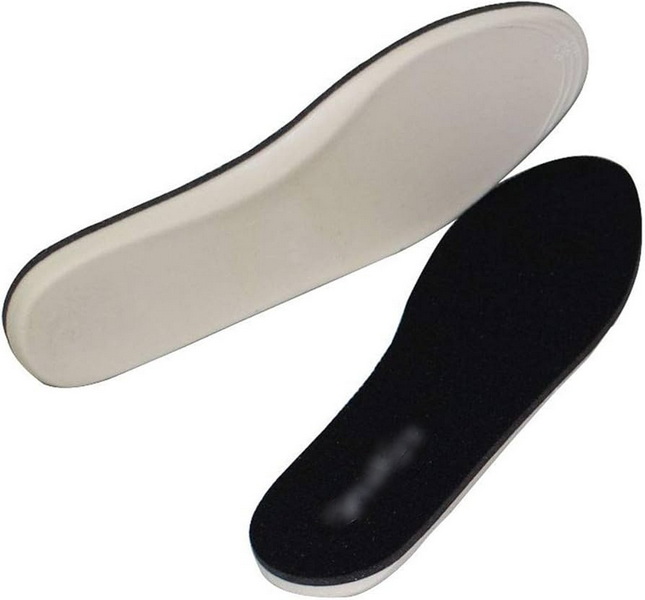
Proper maintenance preserves the benefits of Shoe Insoles for months. The easiest ways to care for them include:
- Clean regularly: Wash foam or silicone insoles with mild soap and air dry completely.
- Alternate pairs: Rotate two sets to reduce material fatigue and odor buildup.
- Inspect periodically: Replace flattened or cracked areas immediately to retain elevation.
- Allow ventilation: After long wear, remove insoles overnight to release moisture.
By treating your insoles like an integral part of your footwear, you ensure both consistent comfort and reliable height support.
Height often plays a role in body image and confidence. Wearing Shoe Insoles can subtly influence both how others perceive you and how you perceive yourself. The added height promotes better posture and enhanced social presence.
Research into non-surgical height solutions suggests that individuals who feel taller report improved self-esteem, better posture awareness, and increased interpersonal confidence. Therefore, even though Shoe Insoles are small physical devices, their psychological impact can be significant.
They allow users to carry themselves with more authority and assurance, especially in settings such as business meetings, interviews, or social events.
While Shoe Insoles can effectively raise your stature, it is important to have realistic expectations. They cannot make you several inches taller overnight without consequences. The goal of a good insole is to combine modest elevation with healthy body mechanics.
Achieving a natural and confident look is far more valuable than forcing an unrealistic increase. Hence, choosing a comfortable and medically safe height — typically 1–2 inches — ensures the best long-term result.
Over time, you'll find that confidence, posture, and movement become more synchronized, leading to an authentic sense of presence that lasts longer than the lift itself.
As global consumers increasingly seek eco-friendly options, Shoe Insole manufacturers have begun using sustainable materials. Modern insole production integrates recycled EVA foam, biodegradable latex, and even organic cork.
Additionally, advanced ergonomics and computer-aided design have enhanced the accuracy of insole shaping. Manufacturers now customize Shoe Insoles to match foot arch type, weight support, and walking style, ensuring consistent height gain and comfort balance.
For brands offering OEM services, such as our own manufacturing facility, customization includes structure layering, material density optimization, and height adjustment — ensuring the insoles meet both comfort standards and aesthetic expectations.
So, do Shoe Insoles make you taller? The answer is yes — within limits. Height-increasing Shoe Insoles create an immediate, visible lift of up to three inches depending on design and shoe compatibility. They do not permanently change your height, but they reshape posture, enhance comfort, and improve confidence.
The temporary height boost combined with ergonomic benefits makes Shoe Insoles a practical choice for anyone looking to improve both appearance and comfort. Whether for fashion, wellness, or professional presentation, the right pair of insoles can subtly elevate not just your height but also your self-assurance in everyday life.
Contact us to get more information!
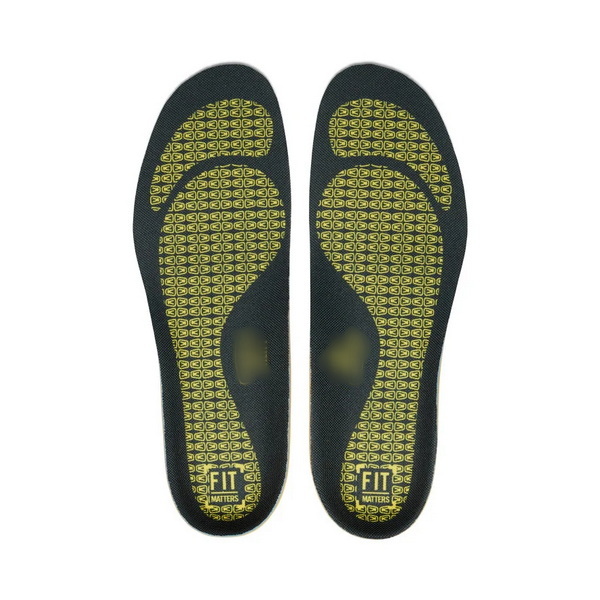
Yes. Height-increasing Shoe Insoles physically elevate your heel, making you appear 1–3 inches taller while worn.
Yes, provided they are made from high-quality foam or gel with ergonomic contouring. Select insoles with proper arch and heel support for daily comfort.
Absolutely. By aligning your spine and encouraging upright movement, Shoe Insoles can naturally improve posture and stability.
The average lifespan differs by material. Foam and silicone Shoe Insoles typically last 3–6 months with regular use. Heavier users or athletes may require earlier replacement.
Not always. Deep shoes like boots, running shoes, and formal footwear accommodate height insoles best. Slim or low-cut shoes may require thinner inserts for proper fit.
1. https://www.healthline.com/health/do-insoles-make-you-taller
2. https://www.verywellfit.com/benefits-of-wearing-orthotic-insoles
3. https://www.webmd.com/pain-management/flat-feet-treatment
4. https://www.ncbi.nlm.nih.gov/pmc/articles/height-perception-study
5. https://www.medicalnewstoday.com/articles/how-shoe-inserts-work


