


Content Menu
● Why You Might Need Insoles in Shoes
>> 1. Enhance Comfort and Reduce Fatigue
>> 2. Correct Posture and Body Alignment
>> 3. Relieve Common Foot Pain
>> 5. Support Athletic Performance
>> Work Insoles
● Materials Used in High-Quality Insoles
● How to Choose the Right Shoe Insoles
● When to Replace Your Insoles
● Advantages of Using Quality Shoe Insoles
● OEM and Custom Insole Manufacturing
● Maintenance Tips for Longer-Lasting Insoles
● Common Myths About Shoe Insoles
● How Shoe Insoles Impact Overall Health
>> 1. What is the main function of shoe insoles?
>> 2. How often should I replace my shoe insoles?
>> 3. Are custom-made insoles better than standard ones?
>> 4. Can insoles fit all types of shoes?
>> 5. How do I clean and maintain my insoles?
Wearing a comfortable pair of shoes can make your day smoother, whether you're walking around the office, jogging outdoors, or standing for long hours. But even the best-made shoes sometimes fail to provide enough support or cushioning—that's where shoe insoles come into play.
As a leading insole manufacturer in China serving international brands, wholesalers, and footwear producers, we've seen firsthand how insoles can enhance comfort, improve posture, and extend the lifespan of shoes. This article will explore whether you truly need insoles, the science behind their design, key benefits, and how to choose the perfect pair for your lifestyle.
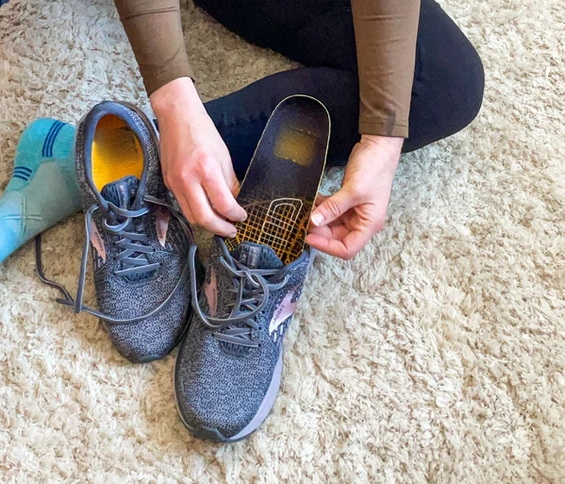
Shoe insoles—also known as footbeds or inner soles—are removable inserts placed inside shoes to increase comfort, support, and functionality. They are designed to fit most footwear types, from sneakers to work boots, by adding an extra layer of cushioning between your feet and the sole.
Insoles can reduce fatigue, stabilize arches, and absorb shock. They are especially useful if your footwear lacks adequate padding or if you have specific foot conditions such as flat feet or high arches.
In recent years, innovation in materials like EVA foam, PU foam, and memory foam has made insoles more advanced than ever. Some even feature antibacterial coatings, breathable layers, or odor control designs for improved hygiene.
Many people underestimate how much pressure their feet endure daily. Over time, inadequate support can cause soreness, inflammation, or even chronic injury. By adding shoe insoles, you distribute your body weight more evenly and promote better alignment throughout your entire skeleton.
The cushioning in insoles minimizes the impact of walking or running on hard surfaces. This softens each step, easing stress on muscles, ligaments, and joints—especially in demanding environments such as hospitals, construction sites, or manufacturing plants.
Uneven pressure on your feet can lead to poor posture, back pain, and hip strain. Insoles assist in maintaining neutral alignment by positioning your feet correctly. Proper posture doesn't just improve comfort but also contributes to long-term musculoskeletal health.
Foot pain conditions like plantar fasciitis, bunions, and metatarsalgia can make walking unbearable. By providing targeted support to the arch and heel, shoe insoles reduce inflammation and pressure points, helping you move more easily.
Sometimes, a perfect pair of shoes still feels too loose or too tight. Adding insoles can solve that problem—offering a snugger or more comfortable fit without changing shoe size.
Athletes use specialized insoles built for high performance. These models are engineered to improve energy return, stability, and lateral support—crucial during intense motion or sports training.
There isn't one universal insole that works for everyone. Different types offer unique benefits based on purpose and material construction.
Made primarily for everyday wear, these insoles use soft foams or gels to provide overall cushioning. They don't usually include corrective features but are effective for long days of standing or walking.
Orthotic models are medically designed to correct alignment problems such as overpronation (foot rolling inward) or supination (foot rolling outward). They can be custom-made or pre-fabricated and are ideal for chronic pain sufferers.
Athletes need insoles that emphasize performance, stability, and shock absorption. Running or hiking insoles are usually reinforced around the heel and forefoot areas to handle dynamic movement and heavy impact.
Created for workers who spend long shifts standing, work insoles focus on durability, breathability, and extra padding. Many include odor-resistant and sweat-wicking properties for better comfort throughout the day.
These are tailored to match your foot shape through advanced scanning technology. Custom insoles provide the best possible support and comfort, although they come at a higher cost. They're particularly beneficial for individuals with severe arch or gait issues.
The materials chosen for shoe insoles determine their comfort level, flexibility, and breathability. Here are the most common ones used in modern manufacturing:
- EVA Foam: Lightweight, flexible, and affordable. EVA foam is ideal for everyday shoes and large OEM production.
- PU Foam: Offers enhanced durability and rebound. Commonly used for heavy-duty or professional footwear.
- Gel: Used in performance shoes for superior shock absorption and heel cushioning.
- Memory Foam: Forms to the shape of the wearer's feet for personalized comfort.
- Latex: Soft, elastic, and great for casual shoes.
- Leather: Breathable and stylish, often featured in formal or luxury shoes.
Each material offers a distinct feel. Many manufacturers combine multiple materials—such as gel for the heel and memory foam for the arch—to achieve balanced comfort and stability.
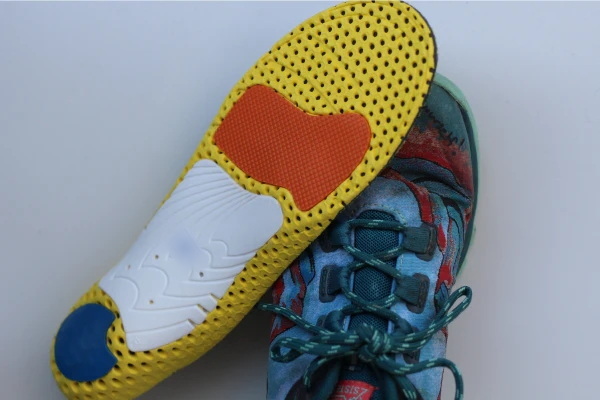
The best insole complements your foot type, lifestyle, and footwear design. Consider these five factors:
1. Arch Type:
Determine if you have flat, normal, or high arches. Insoles designed for your arch type help prevent strain and fatigue.
2. Activity Level:
Choose athletic insoles for sports, cushioned ones for daily walking, and supportive models for workplace use.
3. Shoe Type:
Sneakers, formal shoes, and boots each require different thicknesses and contour shapes.
4. Material Preference:
Look for breathable, anti-slip, or moisture-resistant options depending on climate and activity.
5. Removability and Maintenance:
Removable insoles are easier to clean or replace, making them more practical long-term.
Using these selection methods ensures your shoe insoles truly complement your daily needs.
Even the best insoles won't last forever. Generally, they should be replaced every six to twelve months, depending on how often you use them and the activity level. Signs you need a replacement include:
- Loss of elasticity or shape
- Lingering odors despite cleaning
- Visible wear or cracks in the material
- Increased foot pain after daily activity
Keeping your insoles fresh ensures optimum performance and hygiene, improving overall foot health.
Investing in premium-quality insoles has lasting benefits beyond immediate comfort.
- Enhanced Cushioning: Protects against shock and reduces heel strikes.
- Better Posture: Supports proper alignment for joints and muscles.
- Extended Shoe Lifespan: Reduces internal stress, keeping the shoe structure intact longer.
- Improved Performance: For professionals and athletes, stability boosts endurance and control.
- Hygiene and Odor Control: Modern insoles often feature antibacterial coatings for freshness.
These advantages make shoe insoles not a luxury, but an essential part of healthy footwear.
Our company has specialized in OEM and ODM shoe insole production for more than a decade, serving clients in North America, Europe, and Asia. Our products are created in state-of-the-art facilities equipped with precision molding, lamination, and laser cutting systems.
We provide the following customizable features for global brands and wholesalers:
- Various material combinations: EVA, PU, gel, latex, or cork.
- Multi-layer designs for different shoe categories.
- Logo printing and private labeling.
- Eco-friendly, recyclable options to meet environmental standards.
- Tailored packaging and global logistics support.
Whether you need mass production or small-batch customization, working with an experienced Chinese insole factory guarantees consistent quality, cost efficiency, and flexible design capabilities.
Taking care of your insoles can greatly extend their usability. Here's how:
- Remove them from shoes daily to allow air circulation.
- Hand wash with mild soap and let them air dry—never use a dryer or direct heat.
- Store away from sunlight and excessive moisture.
- Keep backup pairs to rotate for freshness.
- Inspect regularly for signs of flattening or odor buildup.
With simple maintenance habits, your shoe insoles will stay functional and comfortable for a long time.
1. Myth: Insoles are only for old or injured people.
Truth: Everyone—young or old, active or sedentary—benefits from additional support and alignment correction.
2. Myth: Insoles make shoes tighter and uncomfortable.
Truth: Modern insoles are thin, adaptable, and designed to fit smoothly without restricting movement.
3. Myth: Expensive insoles last forever.
Truth: Even high-end insoles eventually wear out. Regular replacement keeps performance consistent.
4. Myth: Insoles don't affect sports performance.
Truth: Proper athletic insoles provide energy return and minimize injury risk during training.
By understanding these facts, consumers can make more informed purchases and achieve optimal comfort from their footwear investments.
Few people realize how closely their feet relate to their posture, spine, and even mental well-being. Chronic discomfort in your feet can cause cascading issues, including lower back pain, neck stiffness, and decreased concentration.
Using shoe insoles can relieve these problems by providing stable foot alignment, which translates into better balance and minimized fatigue. Over time, improved posture can also reduce migraine frequency and boost energy levels, proving that simple adjustments—like adding insoles—can result in major quality-of-life improvements.
So, do you need insoles in shoes? Absolutely. Insoles are not just optional accessories but essential components that improve comfort, alignment, and overall health. They prevent injuries, enhance performance, and increase footwear durability—all while keeping your feet supported throughout your day.
Whether you're an athlete, a factory worker, or someone who simply wants pain-free comfort, choosing the right shoe insoles can drastically elevate your lifestyle. As a professional OEM insole manufacturer, we remain committed to providing innovative, customized, and eco-friendly insole solutions for brands and consumers worldwide.
Contact us to get more information!
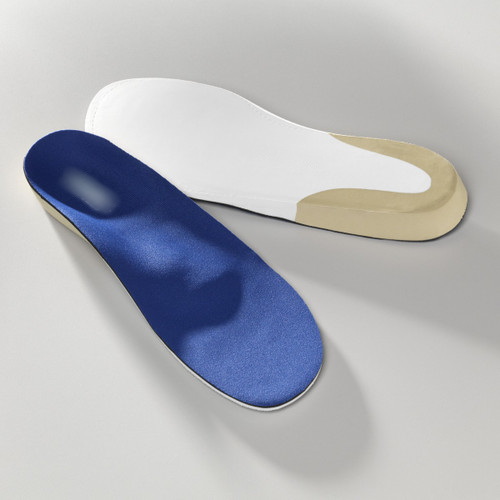
Insoles cushion and support the feet, balance pressure distribution, and provide shock absorption, preventing fatigue and joint pain.
Replace your insoles every 6 to 12 months or once they lose shape, cushioning, or become worn out from daily use.
Yes. Custom-made insoles are molded to your foot structure, offering exact arch and heel support, ideal for individuals with chronic foot or joint problems.
Most insoles are versatile, but trimming may be needed for perfect fit—especially in narrow or formal shoes. Always check compatibility before purchase.
Hand wash gently with mild soap and cold water, air dry completely, and store in a clean, dry place for maximum lifespan and hygiene.
1. [https://www.footscientific.com](https://www.footscientific.com)
2. [https://www.healthline.com/health/foot-pain](https://www.healthline.com/health/foot-pain)
3. [https://www.verywellfit.com/orthotic-insoles-overview](https://www.verywellfit.com/orthotic-insoles-overview)
4. [https://www.runnersworld.com/gear/a20800424/benefits-of-insoles/](https://www.runnersworld.com/gear/a20800424/benefits-of-insoles/)
5. [https://www.podiatrytoday.com](https://www.podiatrytoday.com)


