
Views: 222 Author: Edvo Publish Time: 2025-11-17 Origin: Site


Content Menu
● Common Foot Problems for High Arches
● Benefits of Insoles for Runners with High Arches
● How to Choose the Right Insoles
● Running Shoe Selection for High Arches
● Custom vs. Off-the-Shelf Insoles
● Performance Enhancement with Insoles
● The Role of OEM Shoe Accessories
● Mythbusting Insoles for High Arches
● FAQs: Insoles for High Arches
>> 1. Do insoles help reduce running injuries for high arches?
>> 2. How do I know if I need insoles in my running shoes?
>> 3. Are custom insoles better than off-the-shelf ones for high arches?
>> 4. Can OEM insole solutions help brands target niche markets?
>> 5. How often should insoles be replaced in running shoes with high arches?
Running with high arches presents unique challenges to both comfort and performance. Athletes, shoe brands, wholesalers, and manufacturers often wonder whether specialized insoles are necessary for this foot type. In this comprehensive guide, readers will learn the science behind arch support, benefits and drawbacks of arch insoles, how to select the ideal shoe or insole, and practical care tips. The article integrates expert advice and actionable strategies for runners and industry professionals seeking to enhance product offerings and optimize athletic outcomes.

High arches, or cavus feet, refer to a foot structure where the arch is especially prominent. As a natural shock absorber, the arch helps distribute force when walking and running. With high arches, the foot often remains rigid, causing less shock absorption than is ideal. This can contribute to excessive supination, or rolling outward of the foot, which puts greater pressure on the heel and ball of the foot. The cause of high arches is often genetic, though some conditions, such as neurological diseases, may influence foot structure.
People with high arches typically have a noticeable gap between their foot and the ground when standing. Runners may notice wear on the outer edges of their shoes and persistent discomfort after exercise, particularly without adequate support. Recognizing this foot type is the first step towards effective injury prevention and overall performance elevation.
Runners with high arches are more susceptible to various foot problems due to uneven weight distribution and reduced shock absorption. Some frequent issues include:
- Heel Pain: High arches may focus pressure on the heel, which can lead to bruising or plantar fasciitis.
- Metatarsalgia: Pain under the ball of the foot often results from excess force due to arch rigidity.
- Ankle Instability: The foot's stiff structure can reduce stability, increasing the risk of sprains.
- Calluses and Pressure Sores: Uneven weight transfer creates hotspots where the skin thickens or becomes sensitive.
Understanding these challenges enables runners and manufacturers to make informed decisions about products and support strategies.
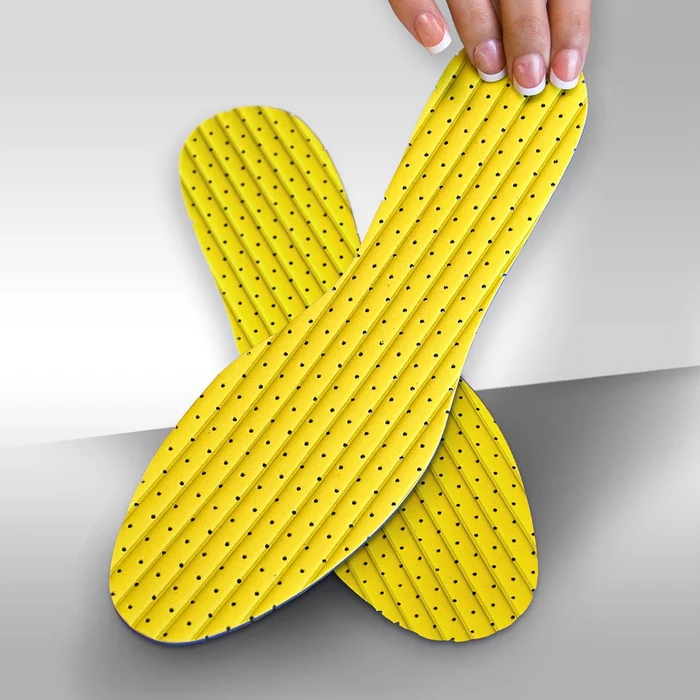
Insoles, footbeds, or shoe inserts are removable components inside footwear that provide additional support, cushioning, and corrective alignment. They are produced with different levels of firmness and arch height, using materials like foam, gel, cork, carbon fiber, or advanced synthetics.
While some insoles offer basic comfort, others are specifically designed for biomechanical correction – helping to align the foot, reduce pain, and prevent injuries. High arch insoles typically have a more pronounced curve and extra heel cushioning to address the unique needs of cavus feet.
Advanced insoles feature technologies such as antimicrobial coverings, moisture-wicking properties, and ergonomic shaping to maximize comfort during long runs or intense training.
The right insole can change the running experience for those with high arches. Major benefits include:
- Shock Absorption: Enhanced cushioning lessens the impact on the heel and forefoot, protecting joints and reducing fatigue.
- Improved Foot Alignment: Insoles guide the foot toward a more neutral position, reducing outward rolling and helping prevent injury.
- Greater Comfort: Runners can exercise longer and more frequently without discomfort.
- Prevention of Common Injuries: Regular use of insoles can significantly lower the risk of plantar fasciitis, stress fractures, and ankle sprains.
- Personalized Fit: Insoles fill gaps left by standard shoe sizing, offering a tailored fit that responds to the runner's unique needs.
- Odor Control: Advanced insoles often feature antimicrobial coatings to keep shoes fresh.
For brands and OEM suppliers, offering high-quality insoles demonstrates a commitment to customer well-being and product excellence.
Selecting suitable insoles involves analyzing your foot anatomy, activity level, and shoe type. Essential considerations:
- Arch Height: Seek insoles specifically made for high arches, as these will have a steeper curve and targeted cushioning.
- Material Composition: EVA foam and gels provide softness, while cork and carbon fiber offer durability and structural support.
- Shoe Fit Compatibility: Ensure insoles match your shoe's interior dimensions so they don't bunch or slip during movement.
- Heel Cushioning: Since high arches increase heel strike force, additional padding here can prevent bruising.
- Breathability and Moisture Control: Good ventilation is especially valuable for runners to keep feet dry and prevent blisters.
- Medical Consultation: If pain persists, consult a podiatrist for recommendations or a custom fit.
Many brands offer online insole selection guides based on foot shape, activity type, and running distance.
While insoles are helpful, running shoes designed for high arches maximize support and performance. Key shoe features for this foot type include:
- Integrated Arch Support: Shoes built for high arches often contain reinforced midsoles and heel cups, reducing shock.
- Flexible Outsoles: Adaptable soles allow the foot to move naturally and prevent rigidity.
- Roomy Toe Box: Sufficient space up front helps prevent pressure points and calluses.
- Responsive Cushioning: Layered foam or gel systems in the sole provide shock absorption for hard impacts.
- Lightweight Construction: Lightweight shoes minimize fatigue and encourage better running form.
When selecting running shoes, always try several models and perform a gait analysis to pinpoint the best fit.

Both custom and off-the-shelf insoles offer value for runners with high arches:
- Off-the-Shelf Insoles: Pre-made options are widely available, cost-effective, and come in various arch profiles. Brands may highlight shock absorption and ergonomic design features, but final results depend on matching an insole's shape to the runner's foot.
- Custom Insoles: Created via 3D scans or foot impressions, custom insoles provide exact support for an individual's foot structure. They can address asymmetry, abnormal gait, and chronic pain more effectively.
- OEM Opportunities: Manufacturers can incorporate custom-fit technologies into their product lines, distinguishing their offerings for professional and recreational athletes.
Custom solutions tend to cost more but often deliver superior fit, longer durability, and enhanced injury prevention over time.
Insoles designed for high arches can have a marked impact on athletic performance. Advantages include:
- Energy Return: Some insoles are engineered to store and redirect energy, reducing muscle fatigue and increasing running efficiency.
- Stability and Balance: Improved support allows runners to focus on form, pace, and speed with less risk of slips or falls.
- Long Distance Support: Elite runners and marathoners benefit most from insole technologies that prevent pain during extended activity.
- Recovery Promotion: Insoles with targeted cushioning help reduce inflammation and soreness after training.
Brands seeking to promote their running shoes should highlight insole technologies and performance tests to appeal to athletes at all levels.
Maintaining insoles ensures lasting comfort and hygiene:
- Remove insoles after each run and allow shoes to air out.
- Wash insoles periodically with mild soap and water; avoid exposure to direct heat or sunlight while drying.
- Rotate multiple pairs of insoles if running daily to prevent wear and extend their lifespan.
- Store insoles flat in a cool, dry location when not in use.
- Inspect for cracks, compression, or loss of support every few months and replace as necessary.
Proper care amplifies the benefits of insoles and running shoes alike.
For international brands and manufacturers, providing high-arch-specific shoewear and insoles expands market reach and solves real consumer needs. OEM accessories, like bespoke insoles, enable:
- Product Differentiation: Stand out with patented designs and targeted technologies for high arch runners.
- Customer Loyalty: Injury prevention and superior comfort build lasting relationships with end users.
- Brand Value Enhancement: Marketing shoe-plus-insole bundles or custom-fit options demonstrates technical expertise.
- Sustainability: Integrating durable, eco-friendly materials appeals to environmentally-minded buyers.
OEM partnerships encourage innovation that benefits both the manufacturer and consumer.
Several misconceptions persist about insoles for high arches:
- Myth: "Only custom insoles work for high arches."
Fact: Many pre-made insoles offer excellent support if properly matched to the runner's needs.
- Myth: "Insoles are only for injury recovery."
Fact: Insoles can be proactively used to enhance comfort and prevent future injuries.
- Myth: "All running shoes support high arches out of the box."
Fact: Generic shoes often lack sufficient structure, making specialized insoles or shoes necessary for optimal support.
Dispelling these myths enables more informed purchasing decisions.
For runners with high arches, the decision to use insoles in running shoes is crucial for comfort, injury prevention, and peak performance. Properly chosen insoles provide essential shock absorption, correct foot alignment, and long-term orthopedic benefits. Brands, manufacturers, and wholesalers who prioritize insole technology can deliver immense value to their customers, enhance their market presence, and encourage healthy running habits worldwide. Whether selecting off-the-shelf or custom solutions, regular care and consideration ensure every step is supported. Investing in specialized insoles, paired with high-arch-friendly running shoes, is a wise choice for athletes at all levels.
Yes, insoles with high arch support can provide better shock absorption and alignment, reducing the risk of common running injuries.
If you experience pain, discomfort, or visible shoe wear from high arches, trying quality insoles is recommended for improved support.
Custom insoles provide a more precise fit and are ideal for severe issues, while off-the-shelf insoles are often sufficient for moderate support needs.
Absolutely. OEM customization enables brands to deliver targeted products, appealing to athletes and consumers with specialized foot needs.
Replace insoles every 6-12 months, or when they show signs of compression, loss of support, or visible wear.


